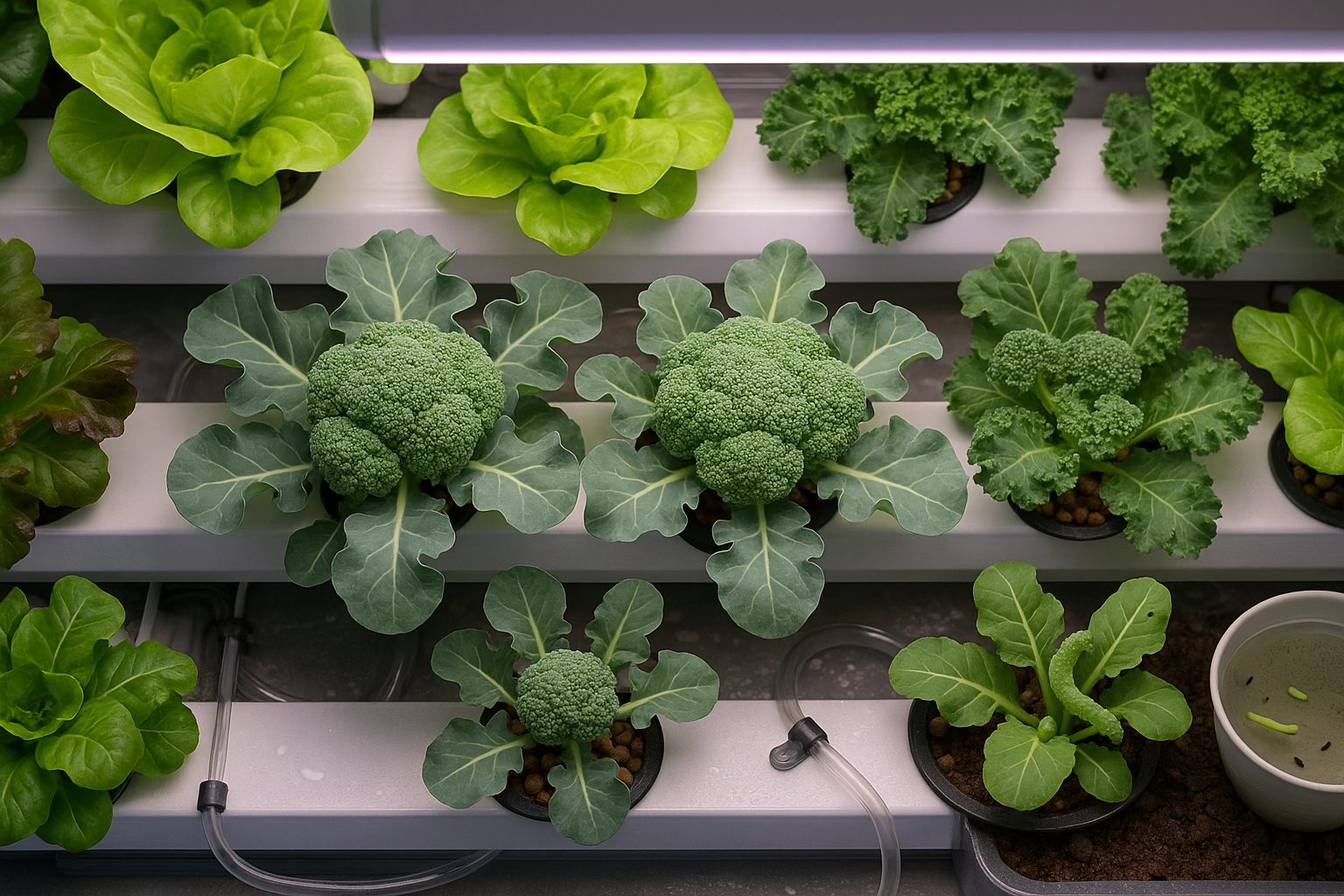
Best Broccoli Varieties for Hydroponics
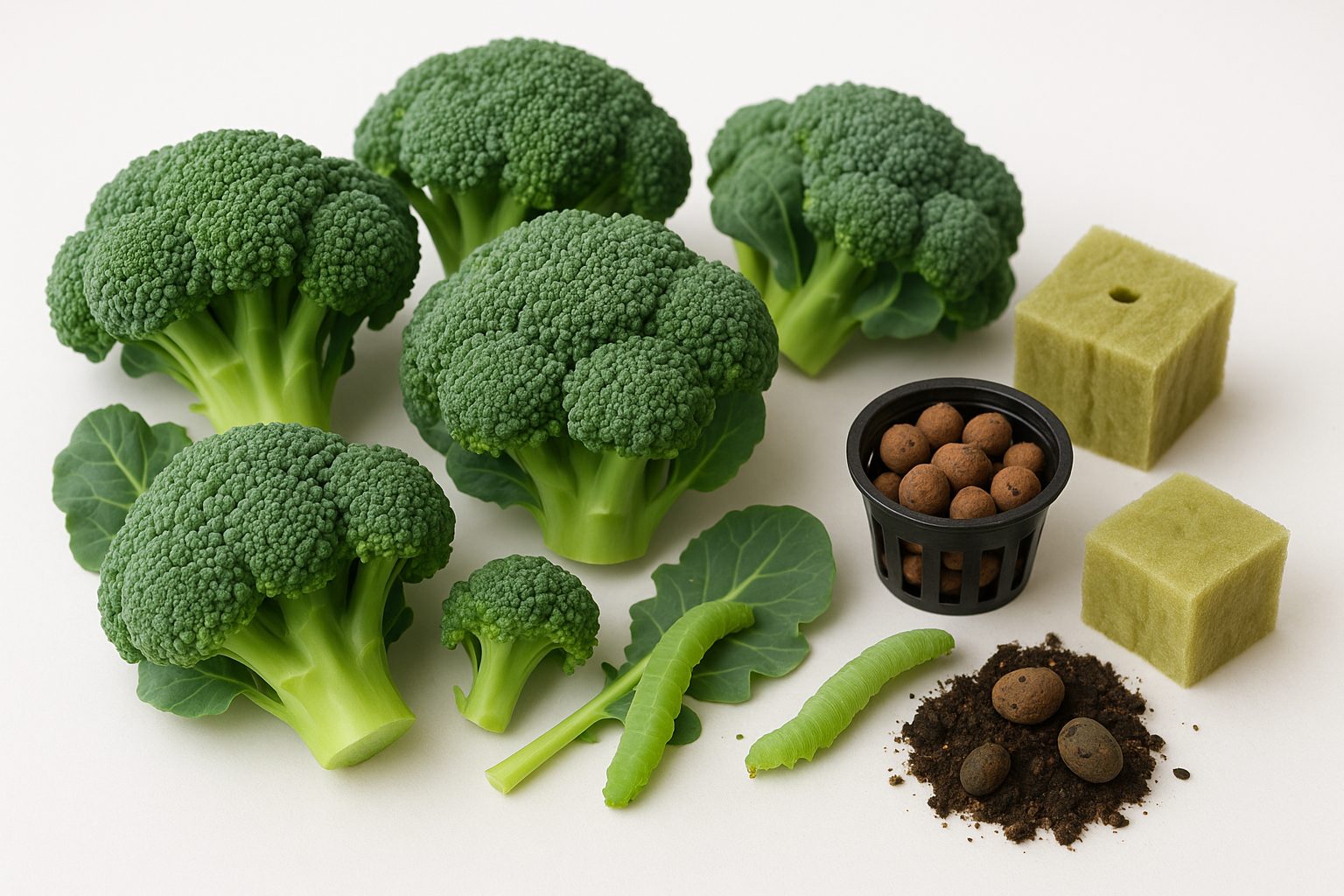
Thinking of trying hydroponic broccoli at home? You’re in for a fresh, crunchy adventure—if you choose the right broccoli variety. Not all broccoli performs the same way in soilless, indoor systems. The variety you select affects everything from how much space you’ll need to the flavor and yield of your harvest.
For hydroponic setups, compact varieties like De Cicco and Green Magic are clear favorites. De Cicco is loved for its shorter stature and ability to produce multiple side shoots, ideal for systems where space is tight. Green Magic, on the other hand, stands out for its uniform heads and quick growth, rewarding you with a steady supply even in small grow tents.
If you’re working with a larger hydroponic area or crave bigger heads, consider Waltham 29 or Marathon. Waltham 29 is an old favorite—though it needs a bit more room, it delivers great yields and robust flavor, making it a go-to for commercial hydroponic growers. Marathon thrives in cooler conditions, perfect if your indoor garden tends to run on the chilly side.
Choosing compact varieties lets you maximize limited vertical or horizontal space and can help reduce maintenance headaches—less pruning, easier airflow, and simpler light management. Larger broccoli varieties, while needing more room, often repay the investment with heavy yields and impressive main heads that are perfect for big families or those who love to cook in bulk.
Ultimately, your best hydroponic broccoli variety will depend on your available space, taste preferences, and harvest goals. Whether you pick a compact or larger cultivar, look for seeds labeled “good for indoor or hydroponic use”—they’re bred for success in water-based systems and will help ensure your hydroponic broccoli garden thrives from seed to table.
Starting Hydroponic Broccoli from Seed to Seedling
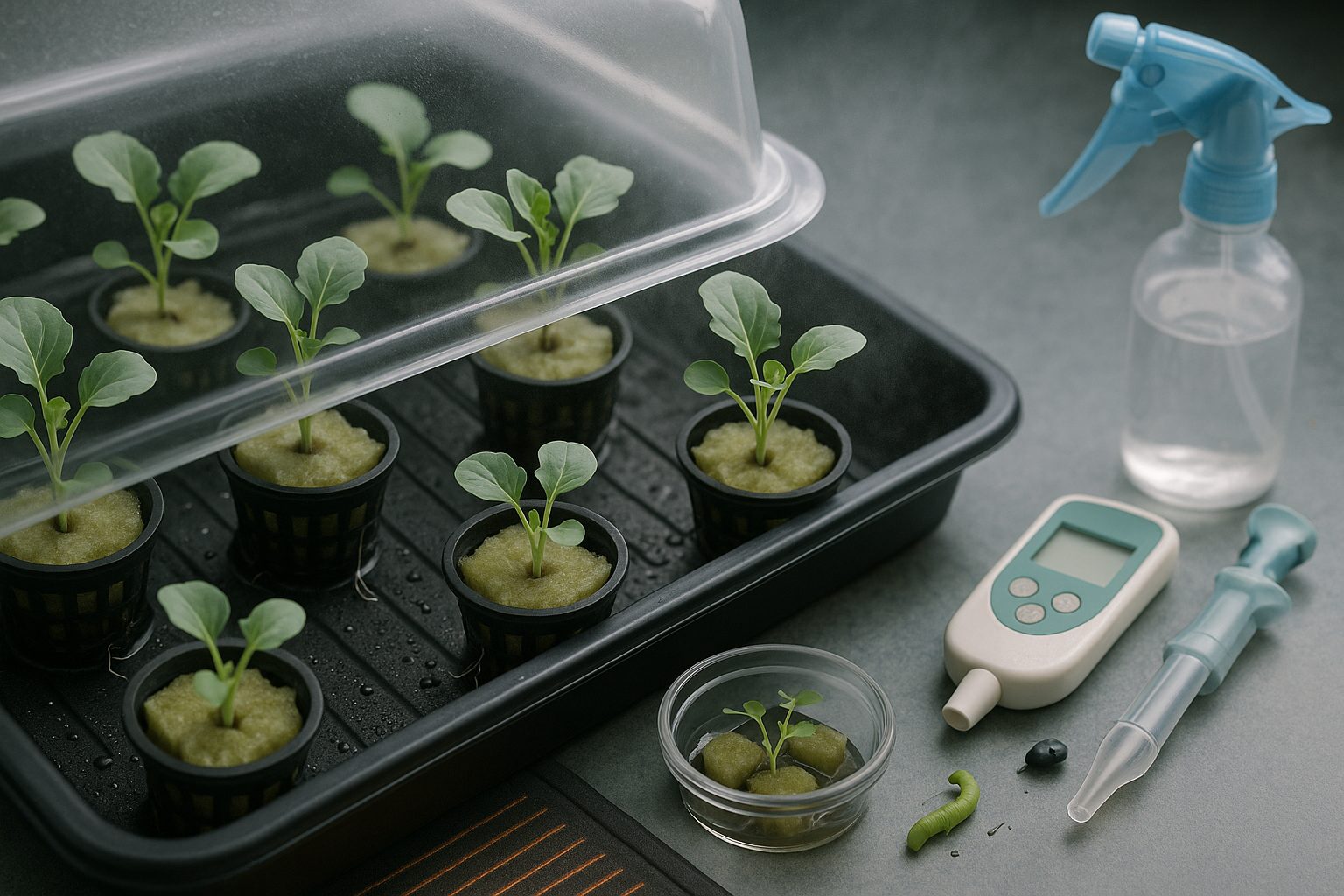
Germinating broccoli seeds for hydroponics is a simple, rewarding process that sets the stage for healthy plants. Start by choosing a quality starter medium—rockwool cubes and Rapid Rooter plugs are favorites because they retain moisture while providing airflow to delicate roots. To begin, soak your medium in pH-balanced water (around 5.5–6.5) for a few hours, then insert one or two seeds per cube, just deep enough to cover them lightly.
Place the cubes in a humidity dome or cover them with plastic wrap to maintain warmth and moisture. Keep them under gentle indirect light or on a seedling heat mat (ideal temperature: 70–75°F). Mist occasionally to prevent drying out, but don’t let the cubes become soggy, as broccoli is prone to damping off if conditions are too wet. Seeds usually sprout within 3–7 days.
Once seedlings show their first true leaves and roots start poking through the medium, they’re ready to be transplanted into your hydroponic system. Gently move the cubes into net pots, spacing them about 8–12 inches apart to allow for leafy growth. Ensure the roots touch the nutrient solution or are close enough to wick up moisture.
Seed Starting vs. Cloning
Starting hydroponic broccoli from seeds allows you to pick your preferred varieties, ensuring strong, disease-free plants right from the start. It’s both cost-effective and rewarding. However, it takes more time and requires careful attention during the early stages.
Clones—cuttings from established broccoli plants—offer a faster start and guarantee the genetic traits of the parent, making uniform growth easier. But sourcing healthy clones can be tricky, especially if you’re aiming for a specific cultivar or have limited access to mature stock.
For most home growers, starting from seed offers the most flexibility, while commercial growers often prefer clones for consistency and speed. Choose the method that fits your goals, resources, and patience level, and you’ll set yourself up for a successful hydroponic broccoli crop.
Choosing and Setting Up Your Hydroponic System
When it comes to growing broccoli hydroponically, several efficient systems make the process accessible—even for beginners. The Nutrient Film Technique (NFT) is popular for its simplicity and water efficiency; it uses gently sloped channels to deliver nutrient-rich water across the roots, making it great for small to medium spaces like balconies or garages.
Deep Water Culture (DWC) is another beginner-friendly option, where broccoli roots dangle directly in oxygenated water—this setup is low-cost and ideal if you’re limited on both space and budget. Vertical tower systems are perfect for maximizing yield in tight areas; these stackable units use vertical columns, letting you grow more broccoli in a smaller footprint, but can be pricier upfront.
For any system, you’ll need:
- a reservoir,
- water pump,
- air pump (especially for DWC),
- net pots,
- a growing medium like clay pellets, and
- a reliable pH and EC meter for monitoring nutrients.
To simplify maintenance, set up your system near a water source and drain, label each reservoir for easy nutrient tracking, and use plug-in timers to automate lighting and irrigation cycles. It’s smart to start with just a few plants to test your setup—catching issues like clogged tubes or pH swings early is much simpler on a small scale.
Finally, keep a simple grow journal or app log to monitor growth stages and troubleshoot faster. These careful choices and habits make managing your hydroponic broccoli garden less daunting and much more rewarding.
Feeding and Caring for Hydroponic Broccoli
Feeding hydroponic broccoli starts with getting your nutrient mix right. Broccoli needs a balanced supply of macronutrients, particularly nitrogen (N), phosphorus (P), and potassium (K) in a ratio of about 2-1-2 during vegetative growth, tapering to 1-1-2 as the heads form. Don’t overlook crucial micronutrients like calcium, magnesium, iron, and boron—deficiencies here can lead to warped leaves or poor head development.
To prepare your nutrient solution, use high-quality hydroponic fertilizers and follow the manufacturer’s mixing instructions closely. Make sure to mix thoroughly and check for complete dissolution. Monitor the nutrient solution with an EC meter, aiming for an electrical conductivity between 2.0 and 2.5 mS/cm, which suits broccoli’s needs during most stages. If you notice leaf tip burn or unusually dark foliage, your EC may be too high; consider diluting the solution with fresh water.
Maintaining the right pH is also key—broccoli grows best with hydroponic solutions kept between 5.8 and 6.3. Use a reliable pH meter and make small, daily adjustments with pH up or down products to avoid sudden swings that stress the plants. Routine checks every couple of days help catch changes before they become issues.
Temperature should be steady, ideally between 18–22°C (65–72°F); water outside this range can slow absorption and stunt growth. Good airflow and room humidity below 70% help prevent disease. For plant spacing, give each broccoli at least 30 cm (12 inches) all around; crowded setups encourage fungal disease and smaller heads.
Nutrition troubles crop up fast in recirculating systems. If growth is slow or you spot yellowing (especially between leaf veins), flush your system with plain water to clear possible nutrient lockout, then replace with a fresh solution. Consistently check for sediment or algae in your reservoir, as these can compete for nutrients or alter pH.
Remember to adjust your nutrient mix as plants mature, and always read plant signals—wilting, curling, or discoloration are calls for action. With regular monitoring and a willingness to adjust, you’ll keep your hydroponic broccoli thriving from seedling to harvest.
Light, Water, and Environment Control
Getting the right light, water, and environmental conditions is crucial for successful hydroponic broccoli. Broccoli needs bright, consistent lighting—look for full-spectrum LED grow lights, which deliver the blue and red wavelengths that drive strong photosynthesis and healthy yields. Aim for an intensity of 300–400 μmol/m²/s of PAR (photosynthetically active radiation) measured at the canopy level.
LEDs are a top choice because they’re energy-efficient, produce little heat, and last for many cycles; the Spider Farmer SF-2000 or Mars Hydro TS600 are popular among home growers. Set a timer for 14–16 hours of light daily, mimicking long summer days for best results.
Temperature also plays a key role: maintain air temperatures between 18–22°C (65–72°F) during the day and no lower than 15°C (59°F) at night. If temperatures get too high, broccoli may bolt and develop bitter flavors. Keep relative humidity around 50–70%—higher humidity risks fungal growth, and lower can dry out the plant too quickly. Good air circulation from a dedicated fan helps keep humidity in check and strengthens stems.
For water, use a quality reverse osmosis (RO) or filtered source with a pH between 6.0 and 6.5; check weekly with a digital pH meter. Keep electrical conductivity (EC) between 1.8 and 2.5 mS/cm to ensure your nutrients are dialed in.
To prevent root diseases like Pythium, keep the root zone at 18–20°C (65–68°F), change nutrient solution every two weeks, and use an air stone or bubbler to supply plenty of oxygen to the roots. Inspect roots regularly—healthy ones are white and firm. If you notice browning or a slimy texture, flush the system and treat with a hydrogen peroxide solution or a beneficial microbe like Hydroguard.
With these controls in place, you’ll set your hydroponic broccoli up for fast, healthy growth and a tasty harvest.
Pests, Diseases, and Problem Solving
Hydroponic broccoli can fall victim to a variety of pests and diseases, with aphids, whiteflies, and spider mites being common culprits. These pests suck sap from the leaves, causing wilting and stunted growth. Fungal diseases like powdery mildew and root rot can also strike, especially in environments with excess humidity or poorly circulated water.
To keep your hydroponic system healthy, practice good hygiene by regularly cleaning containers, changing nutrient solutions, and removing plant debris. Introduce beneficial insects such as ladybugs or predatory mites to help manage pest populations naturally without chemicals.
For yellowing leaves, check for signs of nutrient deficiencies—especially nitrogen—and adjust your fertilizer mix if needed. If heads are forming poorly or are undersized, ensure your broccoli is getting enough light (at least 6 hours per day) and that temperatures stay within the optimal range of 15-22°C (59-72°F).
For root problems like browning or sliminess, inspect for signs of root rot and improve aeration by adding an air stone or checking for clogs in your system. Always keep a close eye on your plants, as catching problems early makes them much easier to fix.
With a proactive approach, you can overcome most issues and enjoy a healthy hydroponic broccoli harvest.
“`html
Harvesting and Enjoying Hydroponic Broccoli
Knowing when and how to harvest hydroponic broccoli is key to getting the best taste and texture from your crop. The ideal time to harvest is when the main head is dense, compact, and about 4-7 inches across, but before the small green buds start to open into yellow flowers.
Check your plants daily, as heads can mature quickly. Use a clean, sharp knife or garden shears to cut the main stem about 5 inches below the head; this encourages side shoots to develop, giving you a longer harvest window.
After cutting, immediately place the broccoli in cold water or a cooler to stop wilting and maintain crispness. For storage, pat the heads dry and keep them in a perforated plastic bag in the refrigerator, where they’ll stay fresh for up to a week. If you have a bumper crop, you can blanch the florets in boiling water for a couple of minutes, then freeze them for longer-term use.
Hydroponic broccoli’s clean, mild flavor is perfect for a wide range of dishes. Try it lightly steamed with a drizzle of olive oil and lemon, tossed into stir-fries, blended into creamy soups, or raw in crunchy salads. Even the stalks and leafy greens are edible—slice them thin for slaws or sautés to make the most of your homegrown harvest and minimize waste.
With a little attention to timing and handling, you can enjoy delicious, garden-fresh broccoli straight from your hydroponic system year-round.
“`