Introduction
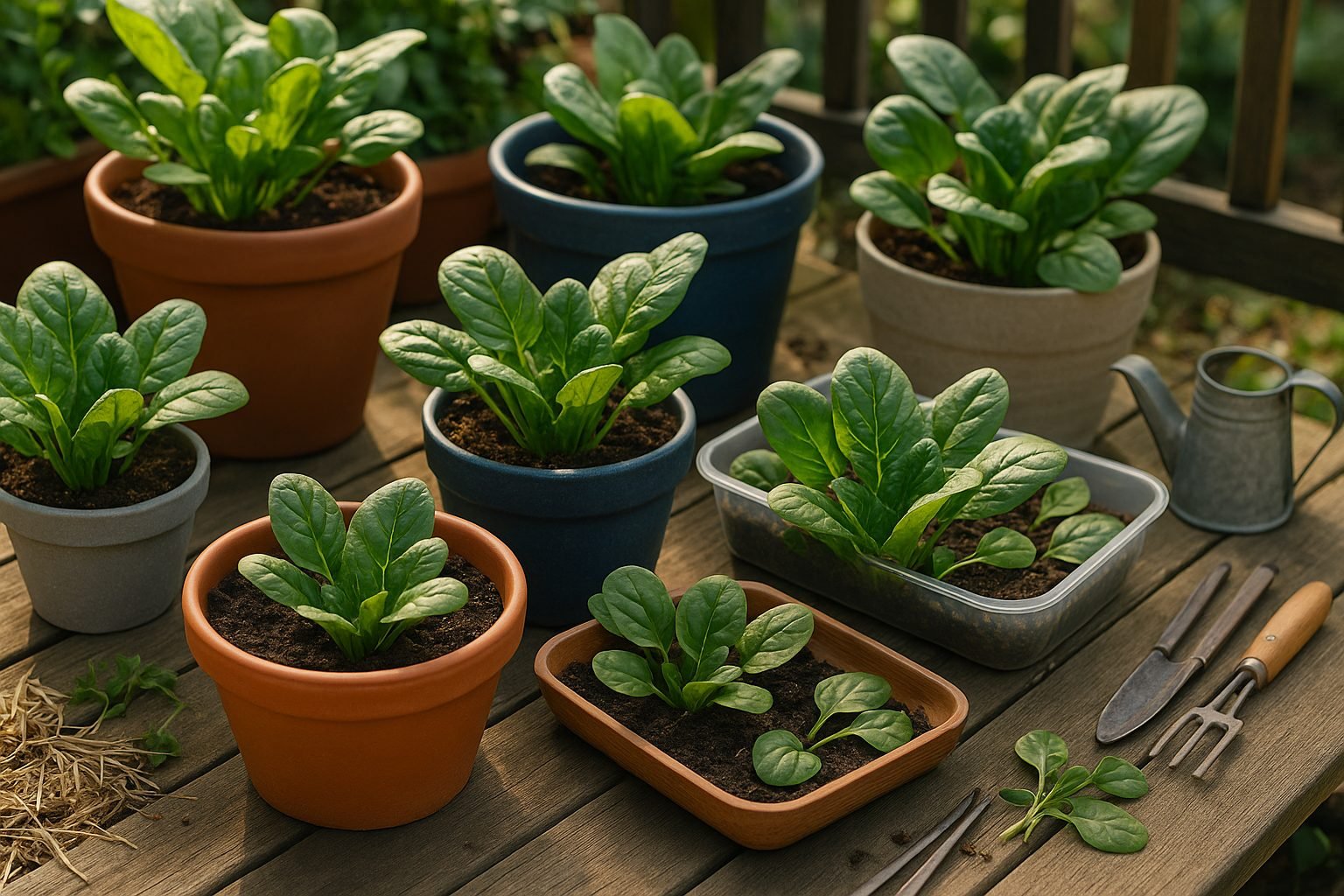
With the growing interest in homegrown fresh produce, many people are searching for the ideal spinach pot size to start their own leafy green harvest. Growing spinach at home has become increasingly popular due to its quick growth, nutritional benefits, and the satisfaction of picking fresh salad directly from your garden or balcony. Container gardening, in particular, offers exciting opportunities—especially for urban gardeners, beginners, or anyone with limited outdoor space.
Whether you have a small apartment balcony, a sunny kitchen windowsill, or a compact outdoor patio, choosing the right container can make all the difference in growing healthy spinach plants. Containers allow you to control soil quality, reduce weed competition, and move your spinach to catch the best light throughout the day. In this post, we’ll explore the best spinach pot size, share practical tips for maximizing your yields, and help you create a thriving mini-garden—no matter your space or experience level.
Why Container Size Matters for Spinach
Spinach is a fast-growing leafy green with a relatively shallow but wide-spreading root system. Unlike plants with deep taproots, spinach roots spread horizontally within the top 6–12 inches of soil, meaning the plant depends on having enough soil volume and surface area to absorb moisture and nutrients efficiently. When grown in containers that are too small, spinach quickly becomes root-bound, with its roots circling the pot and competing for limited resources.
This lack of space can stress the plants, leading to stunted growth, smaller and tougher leaves, lower yields, and a higher risk of premature bolting—when the plant rapidly sends up a flower stalk and stops producing leaves early. Additionally, cramped roots dry out faster and struggle to absorb water and nutrients, making consistent care more challenging and increasing vulnerability to pests and diseases.
On the other hand, choosing a container with the right spinach pot size—at least 6–8 inches deep and wide enough to accommodate several plants without crowding—creates a more stable environment. The soil stays moist longer between waterings and provides room for roots to grow, ensuring tender leaves and continuous production for weeks.
A properly sized pot also helps prevent nutrient washout during watering, allowing your spinach to access more nutrition with each irrigation. For example, using a window box or planter about 12 inches wide, you can space several spinach plants 3–4 inches apart, promoting healthy air circulation and robust growth.
Ultimately, matching your spinach pot size to the plant’s needs not only boosts your harvest but also makes caring for your spinach easier and more forgiving, especially for new gardeners.
Ideal Container Size for Spinach: What the Experts Recommend
When it comes to choosing the perfect spinach pot size, most experts agree that a container at least 6-8 inches (15-20 cm) deep is necessary to accommodate spinach’s relatively shallow but wide-spreading root system. For growing a single spinach plant, a pot with an 8-inch (20 cm) diameter and a volume of about 1 gallon (around 4 liters) is typically sufficient.
If you plan to grow multiple spinach plants together—a popular choice for maximizing yields—opt for a rectangular or trough-style planter that’s at least 12 inches (30 cm) wide and 6-8 inches deep. This setup provides roughly 3-5 gallons (11-19 liters) of soil per linear foot, which is ideal for healthy growth.
According to university extension specialists like those at the University of Minnesota and gardening authorities such as The Old Farmer’s Almanac, group plantings benefit from leaving at least 3-4 inches (7.5-10 cm) of space between each plant to prevent overcrowding. Larger containers not only allow for this proper spacing but also help maintain even soil moisture and temperature—both critical for tender spinach roots.
As a practical tip, gardeners often repurpose window boxes or storage totes with holes drilled for drainage, ensuring they meet the minimum volume and depth requirements. Remember, while a somewhat smaller pot can work in a pinch for baby spinach cuts, starting with a vessel that meets expert recommendations will give you healthier plants and more plentiful harvests. Always use pots with drainage holes to prevent soggy roots, a common cause of weak or yellowing leaves.
Best Container Shapes and Materials for Spinach
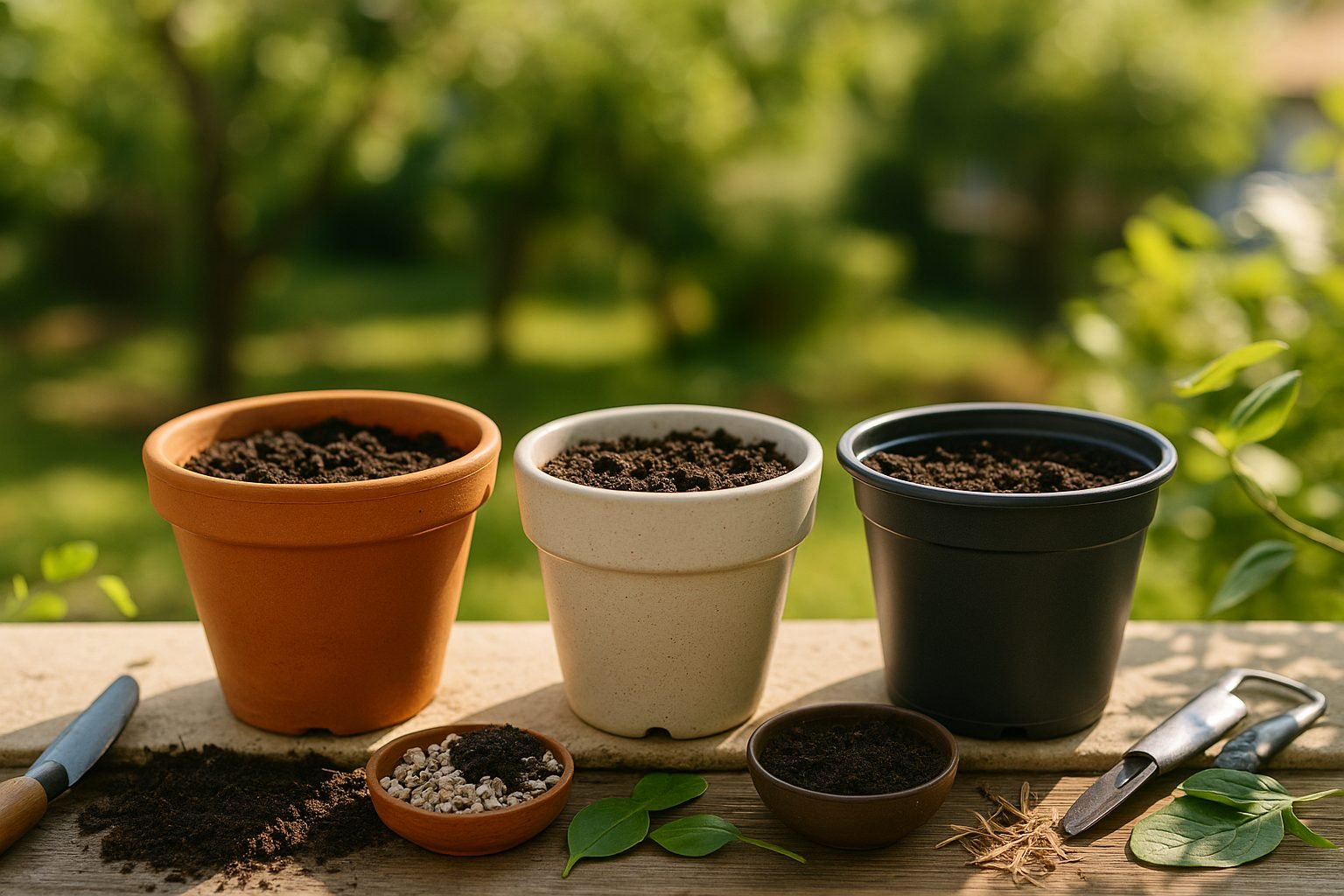
When choosing the best spinach pot size and shape, consider both your available space and the plant’s shallow root system. Round pots are easy to move and fit well on small patios or balconies, but they may limit how many plants you can grow compared to other shapes. Rectangular planters and window boxes are excellent for maximizing yield in narrow spaces—they let you sow a neat row or two of spinach, making harvesting straightforward.
Raised beds provide the most generous growing area and are ideal if you want to plant larger quantities. They also improve air circulation around your plants but require more garden space. As for materials, plastic containers are lightweight, affordable, and retain moisture well, but can heat up quickly in direct sunlight—choosing lighter colors helps keep roots cool.
Ceramic pots offer an attractive look and insulate roots against temperature swings; however, they are heavy and may crack in frost. Fabric grow bags provide excellent drainage and air pruning of roots, which promotes healthy growth, but they dry out faster and need more frequent watering, especially in hot climates.
If you live in very warm regions, avoid dark-colored plastic and opt for ceramic or thick fabric bags to help regulate root temperature. In colder climates, black plastic pots can actually help keep roots warmer. If you’re short on space, window boxes or narrow planters mounted along a railing are perfect for fitting multiple spinach plants while keeping your garden footprint compact.
Always ensure any container you choose has adequate drainage holes to prevent waterlogged soil—spinach dislikes soggy roots as much as it loathes drought.
Plant Spacing and Container Density: How Many Spinach Per Pot?
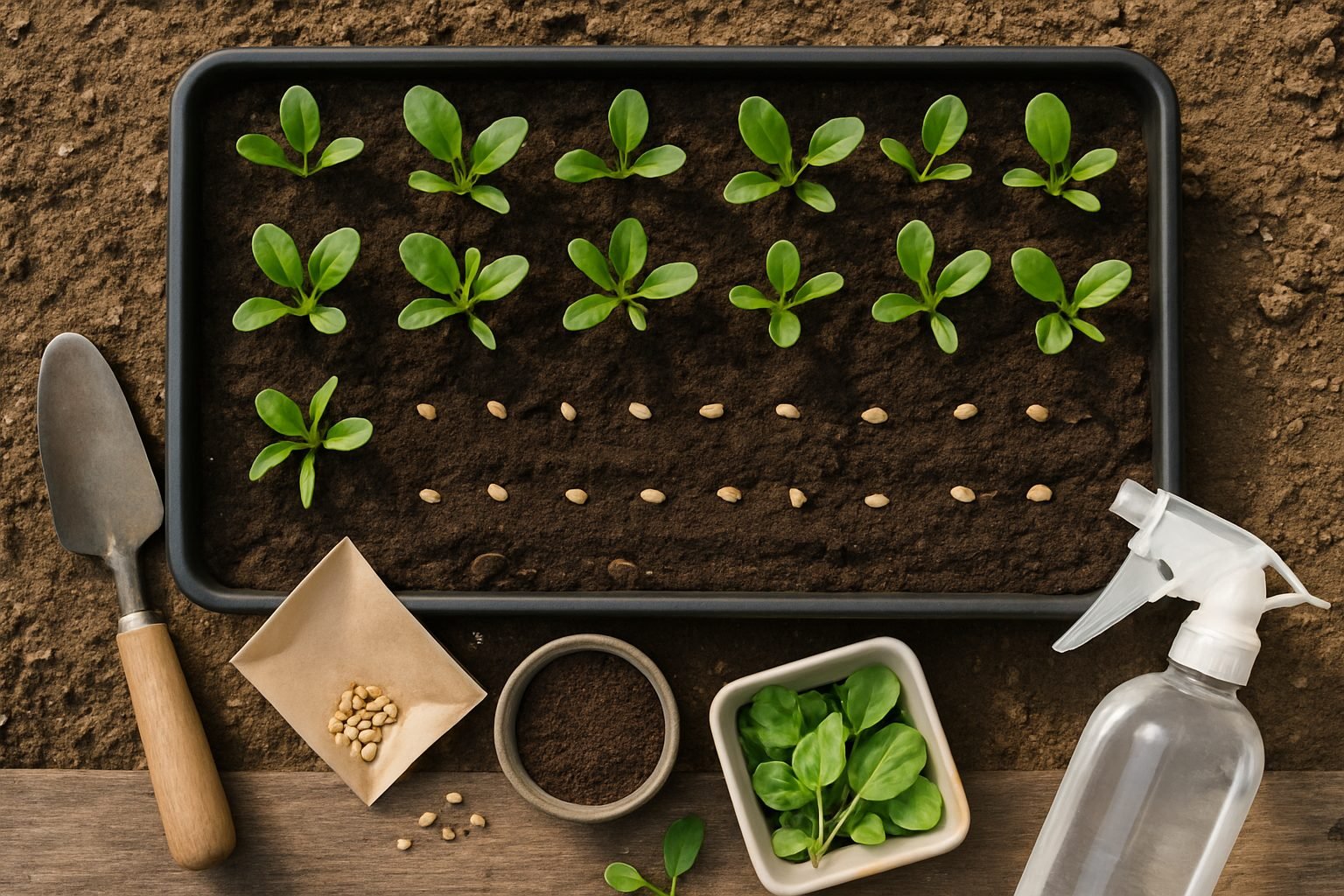
To help your spinach plants thrive, proper spacing is key to avoiding overcrowding, which can stunt growth and raise the risk of disease. Spinach plants ideally need about 3 to 4 inches of space between each other. This means you should thin seedlings after they sprout, giving the strongest plants enough room to spread their leaves and develop healthy roots.
When choosing the spinach pot size, consider both the diameter and depth. Shallow containers (at least 6 inches deep) are fine for spinach, but wider pots let you fit more plants without crowding them. For a standard 10-inch pot, you can comfortably grow 3 to 4 spinach plants, spaced evenly. In a rectangular window box about 24 inches long and 6 to 8 inches wide, you can fit 6 to 8 plants in a single row, maintaining that same 3 to 4-inch spacing. For a larger 18-inch round pot, you can plant around 6 to 7 plants—arranging a circle just inside the rim with one or two in the center.
Here’s a quick reference table to help you plan:
| Container Size | Number of Spinach Plants |
|---|---|
| 6-inch pot (round) | 1-2 |
| 10-inch pot (round) | 3-4 |
| 18-inch pot (round) | 6-7 |
| 24-inch window box | 6-8 |
By following these spacing guidelines, your spinach will have plenty of room to grow lush and healthy, leading to better harvests. Be sure to thin out crowded seedlings early to maintain proper spacing—your container-grown spinach will thank you with abundant leafy greens!
Extra Tips: Drainage, Watering, and Soil Depth
When choosing your spinach pot size, don’t overlook the importance of proper drainage—it’s essential for preventing root rot and encouraging healthy growth. Always pick containers with several drainage holes at the bottom, allowing excess water to escape easily. If you’re using decorative pots without holes, either drill some yourself or place a nursery pot inside.
Spinach prefers consistent moisture but not soggy soil. Water deeply when the top inch of soil feels dry, and avoid letting pots sit in standing water. The optimal soil depth for spinach in containers is at least 6–8 inches to provide enough space for roots to grow and anchor firmly.
Choose a quality, well-draining potting mix rich in organic matter. Standard garden soil can compact easily and restrict root growth, so a mix amended with compost or coconut coir works best. To keep the soil nutritious, refresh the top few inches with compost every couple of weeks or apply a balanced, water-soluble fertilizer as directed.
Watch for signs of overwatering, like yellowing leaves or slow growth, and adjust your routine accordingly. With these extra tips, your spinach will thrive in the perfect pot environment.
Common Mistakes When Choosing Containers for Spinach
One of the most common mistakes when selecting a spinach pot size is choosing a container that’s too shallow. Spinach roots need about 6–8 inches of depth to grow strong and access enough moisture, so shallow pots often result in stunted, weak plants.
Another frequent error is overcrowding—planting too many seeds or seedlings too close together can cause competition for nutrients and sunlight, which reduces yields and increases the risk of disease. Make sure to give each spinach plant 3–4 inches of space for healthy growth.
Additionally, neglecting drainage is a big pitfall. Using containers without drainage holes can lead to waterlogged soil, causing root rot or fungal issues. Always pick pots with sufficient drainage or carefully drill your own holes.
If you’ve already started with less-than-ideal containers, don’t worry—try transplanting seedlings into deeper, roomier pots or thinning out crowded plants. Every container garden is a bit of an experiment, so don’t hesitate to try different spinach pot sizes or arrangements until you find what works best for your growing space and spinach variety.
Adaptability is key, and learning from these small missteps will make you a better, more confident container gardener over time.
Conclusion & Quick Reference Guide
Choosing the right spinach pot size makes all the difference when it comes to a lush, healthy harvest. Spinach thrives best in containers that are at least 6-8 inches deep, with enough width to give each plant 3-4 inches of space. Use a container with good drainage and fill it with loose, nutrient-rich potting mix to promote strong root growth. Ensure your container receives at least 4-6 hours of sunlight daily. For quick decisions, here’s a handy reference list:
- Minimum depth: 6-8 inches
- Diameter: 10-12 inches for multiple plants, or 6 inches for a single plant
- Drainage: Essential—choose containers with drainage holes
- Soil: Lightweight, nutrient-dense, and well-draining
- Sunlight: 4-6 hours per day
- Spacing: 3-4 inches between plants
Keep these basics in mind, and you’ll soon enjoy fresh spinach straight from your own patio or windowsill. Have any container tips to share? Drop your spinach-growing experiences or advice in the comments below!