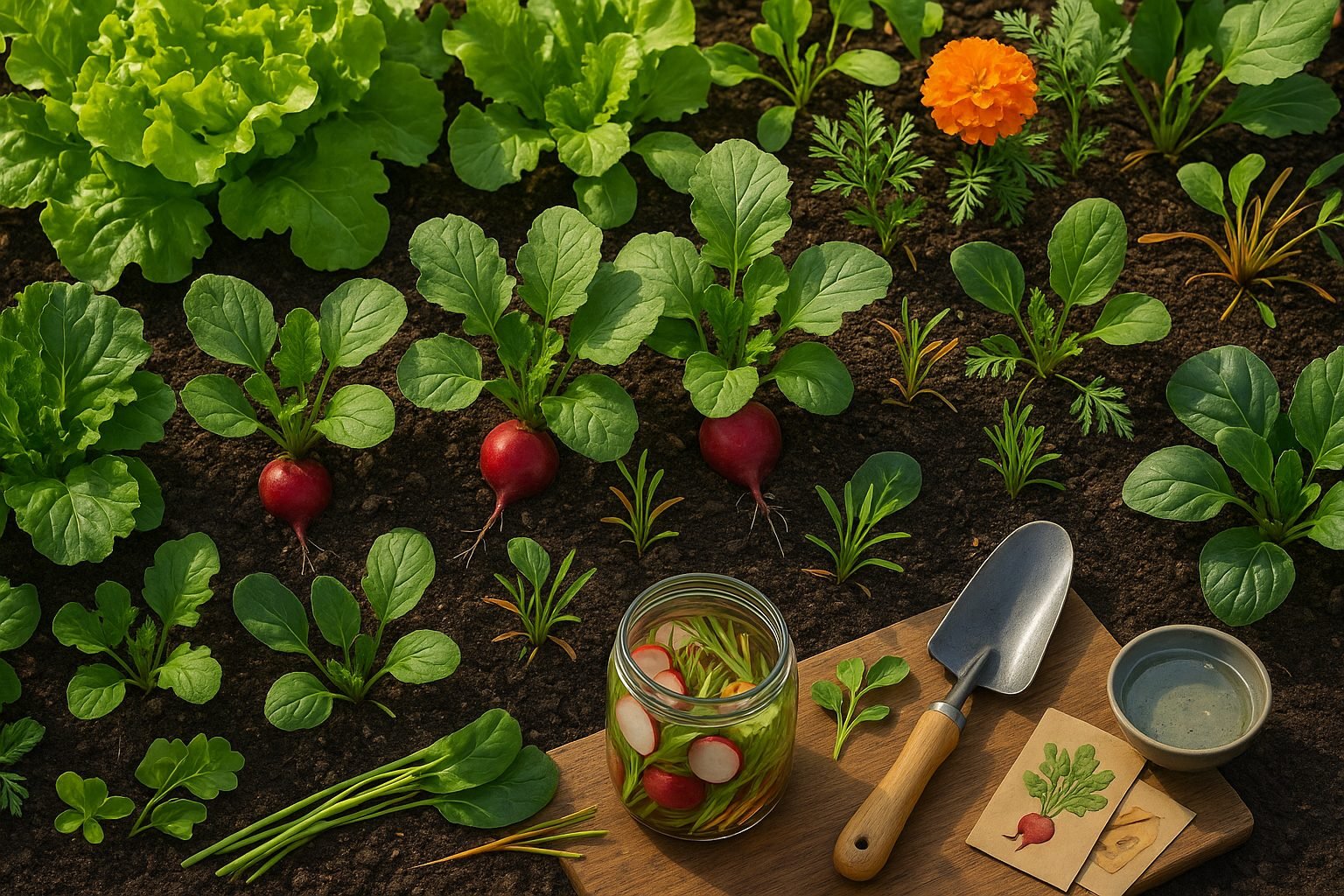
Introduction to Radish Companion Planting
If you’re looking to get the most from your vegetable garden, one essential rule is to avoid planting certain crops near radishes—plants that can stunt their growth or attract pests. Companion planting, a time-tested gardening method, involves growing different plants close together to improve their health, flavor, and productivity.
For radishes, this strategy offers a range of benefits. Pairing radishes with the right companions can help deter common pests like aphids and cucumber beetles, while maximizing your garden space since radishes mature quickly and won’t hog real estate for long. Some neighboring plants can even boost radish flavor or support their rapid growth, making your harvest tastier and more successful.
However, just as important as knowing what to plant together is understanding which crops to keep apart—certain vegetables and herbs can interfere with radish growth or compete for nutrients in the soil. In this post, you’ll discover the science behind effective radish companion planting, get expert tips on which crops help your radishes thrive, and learn exactly what to avoid planting near radish beds.
With these insights, you’ll be set to make the most of every square foot and enjoy a healthier, more abundant vegetable patch.
Why Companion Planting Works (with Radishes)
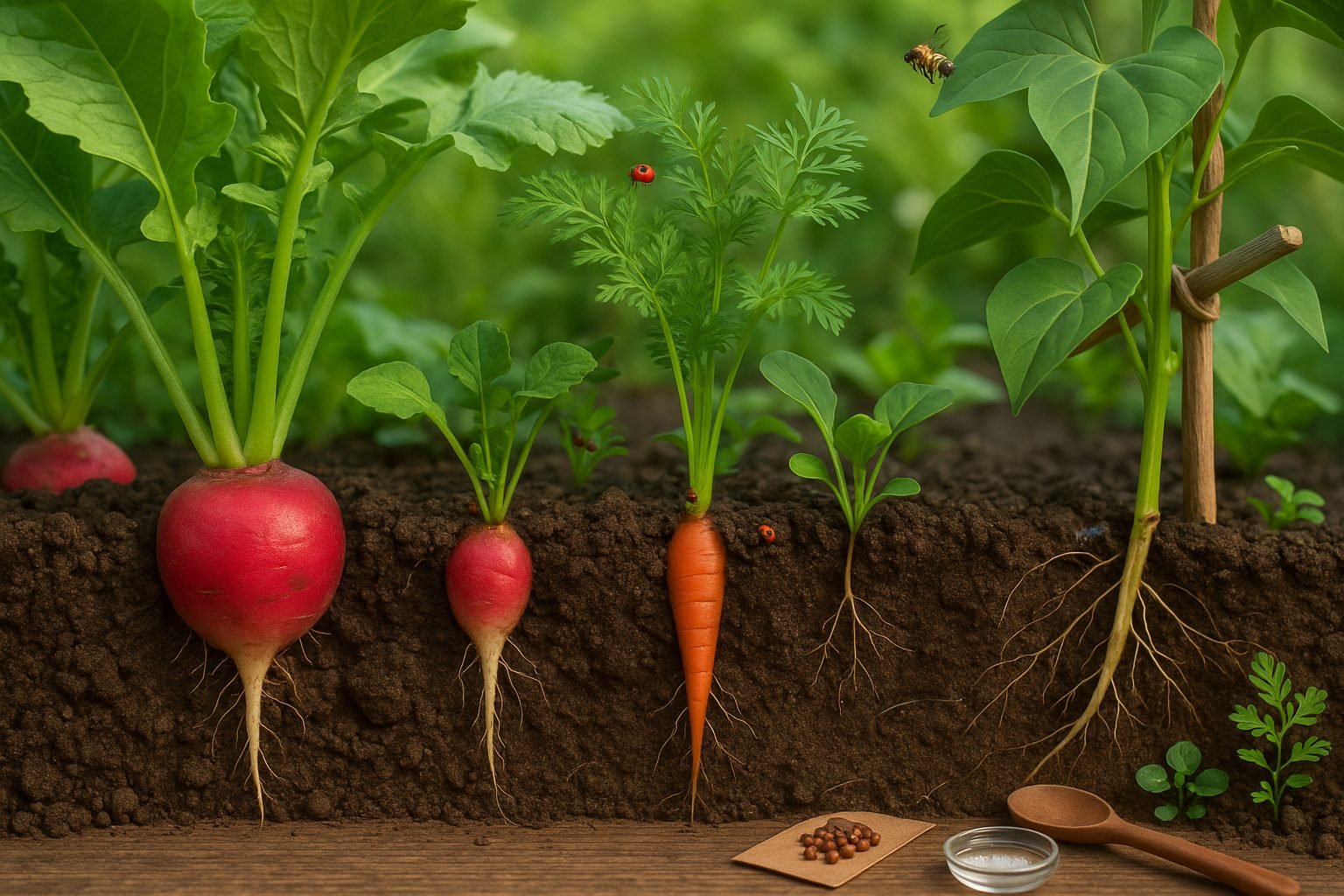
Companion planting with radishes works well because of their unique biological traits and how they interact with other plants in the garden ecosystem. Radishes have fast germination and growth rates, often sprouting in just a few days and maturing in under a month. This quick turnaround means you can plant them alongside slower-growing crops, like carrots or cucumbers, to mark rows and break up soil before those neighbors need the space.
Another perk is pest deterrence: radishes release chemicals that can repel common invaders like cucumber beetles and aphids, acting as a living shield for nearby veggies. Their pungent leaves also confuse insect pests searching for their favorite crops, essentially distracting them.
Radishes’ deep taproots are another asset; as they tunnel into the soil, they naturally aerate it and make nutrients more available to neighboring plants. After harvesting, leftover radish roots and foliage decompose quickly, enriching the soil and further feeding your garden.
Utilizing radishes as companions boosts garden efficiency—yielding multiple crops from the same patch—and supports healthier plants with fewer pests, making them a smart, low-maintenance choice for gardeners of any skill level. For example, many gardeners sow radishes with lettuce, spinach, or beans and report more vigorous growth and fewer pest issues.
By understanding these benefits and incorporating radishes into your planting strategies, you’re not only saving space—you’re cultivating a more resilient, productive garden.
Top Companion Plants for Radishes
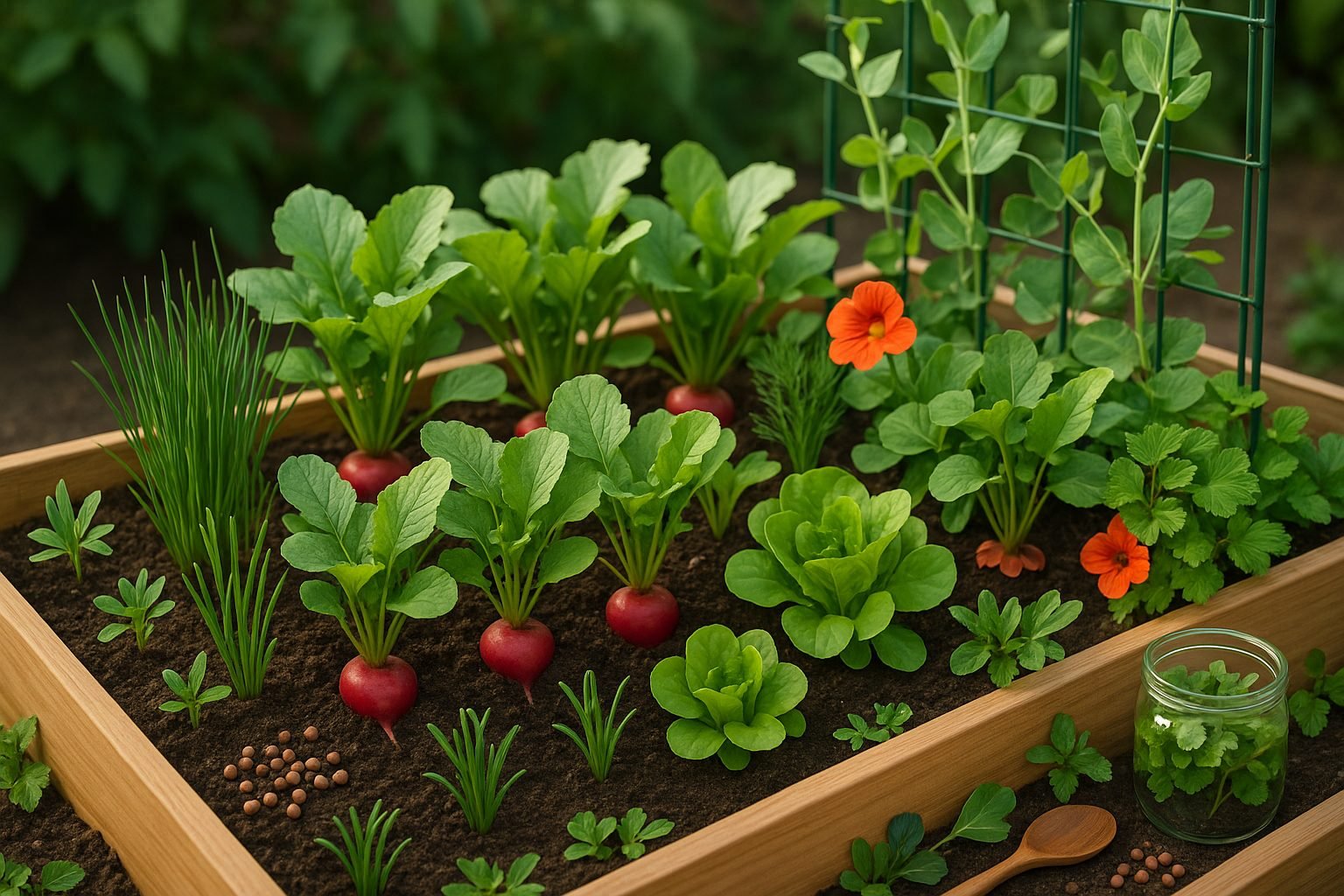
When it comes to companion planting, radishes are team players that thrive alongside a variety of vegetables, herbs, and flowers. Leafy greens like lettuce and spinach make excellent neighbors because they mature at different rates—radish roots are ready to harvest before the dense greens need extra room.
Carrots are a classic pairing, as radishes germinate quickly and loosen the soil, helping slower-growing carrots push through. Peas and beans enrich the soil with nitrogen, which can boost overall veggie health. Cucumbers can share bed space too, as they climb trellises while radish roots stay underground.
Herbs such as chives, dill, chervil, oregano, and mint not only repel common pests like aphids and flea beetles but can also subtly enhance the flavors of nearby crops. Try scattering chive bulbs between rows for a pungent pest barrier or interplanting dill to support beneficial insects like ladybugs.
Edible flowers like nasturtiums, calendula, and marigolds are garden superstars: nasturtiums draw aphids away from radishes as sacrificial plants, marigolds deter nematodes and beetles, and calendula attracts pollinators while keeping aphids in check.
For beginners, try a compact salad garden by alternating rows of radish, lettuce, and spinach, or surround a radish patch with marigolds for easy pest control. For vertical interest, situate radishes beneath peas or beans on trellises, freeing up valuable garden space.
Even small areas—like containers or window boxes—can host mixed plantings of radishes, chives, and nasturtiums for both beauty and bounty. With these creative, practical combos, your radishes will flourish while you make the most of every inch of your garden.
Plants to Avoid Near Radishes
When planning your garden, it’s important to keep radishes away from certain plants that can hinder their growth or attract pests. Potatoes, for instance, are heavy feeders and compete fiercely for nutrients, often leaving radishes struggling to reach their full potential.
Similarly, root vegetables like turnips and kohlrabi share similar soil needs and can crowd the space, leading to stunted roots for all. Fennel is notorious for inhibiting the growth of almost everything nearby with its chemical emissions, so it’s best planted far from your radish patch.
Another plant to watch out for is hyssop, which can stunt radish growth through allelopathy—a process where one plant releases substances that limit the growth of others. Sunflowers, although beautiful, have deep roots that commandeer water and nutrients, and their tall stalks can cast too much shade, slowing down radish development.
Brassicas such as broccoli also aren’t ideal neighbors because they attract similar pests (like cabbage maggots), increasing the risk of infestations. Even sweet corn may outcompete radishes for soil nutrients and space, especially in tighter beds.
To avoid these issues, map out your garden with enough space between incompatible plants—at least a few feet apart. You can also use raised beds or container planting to further separate them. Rotate your crops each season and use companion planting charts as a quick reference to help keep your vegetables healthy and productive.
This thoughtful layout will give your radishes the room and resources they need to thrive.
Special Considerations for Radish Companion Planting
When companion planting radishes, timing and spacing play a big role in maximizing success. Radishes grow quickly and can be sown early in spring or late summer, making them perfect for filling gaps between slower-maturing crops like carrots or lettuce.
To prevent overcrowding and allow both radishes and their companions to thrive, keep at least an inch between each radish and avoid planting them too close to heavy feeders like broccoli. Crop rotation is key: don’t plant radishes where other Brassicas have recently grown to avoid pest buildup.
For the best results, ensure the soil is loose and drains well. Radishes prefer consistently moist, not soggy, conditions, so regular watering is important—especially in raised beds that dry out faster.
Full sun encourages the fastest, healthiest growth, but radishes will tolerate partial shade. Use this to your advantage by growing them under taller plants like peas, which offer a bit of shelter.
In small gardens or raised beds, interplant radishes among greens or herbs that will mature later. Radishes will be ready for harvest just as slower crops start to fill out, making efficient use of every inch while also helping to break up soil for neighboring roots.
Practical Companion Planting Tips for Radish Growers
Successful companion planting with radishes often comes down to keen observation and adaptability. If you notice that your radishes seem stunted or neighboring plants are underperforming, consider how closely you’ve placed your companions—crowding can limit airflow and nutrient sharing, leading to disappointing yields.
Watch for pest damage like flea beetle holes or aphid clusters, which often indicate a mismatch in plant pairings. Don’t hesitate to thin seedlings early, giving radishes and their companions ample space to develop healthy roots and leaves.
Experiment with combinations—maybe try radishes with lettuce, peas, or nasturtiums one season and track results in a gardening journal or simple spreadsheet. This written record will be a gold mine for tweaking next year’s plant partnerships.
For deeper insights, check out online tools like the Old Farmer’s Almanac Companion Planting Chart or apps like Gardenate, which help you coordinate planting times and partners based on your local climate.
By troubleshooting quickly and tapping into reputable resources, you’ll continually boost your garden’s productivity and have more fun along the way.
Conclusion & Next Steps
Radish companion planting offers gardeners an easy way to boost crop health, save space, and naturally deter pests. By pairing radishes with crops like carrots, lettuce, or cucumbers, you can enjoy bigger harvests with less frustration from common bugs. Don’t be afraid to experiment—try suggested combinations in a small patch and observe how your plants respond throughout the season. Everyone’s garden is unique, so your results might surprise you!
Share your experiences and any tips you discover with fellow gardeners online or in your community to help everyone grow a little smarter and more successfully.