Introduction
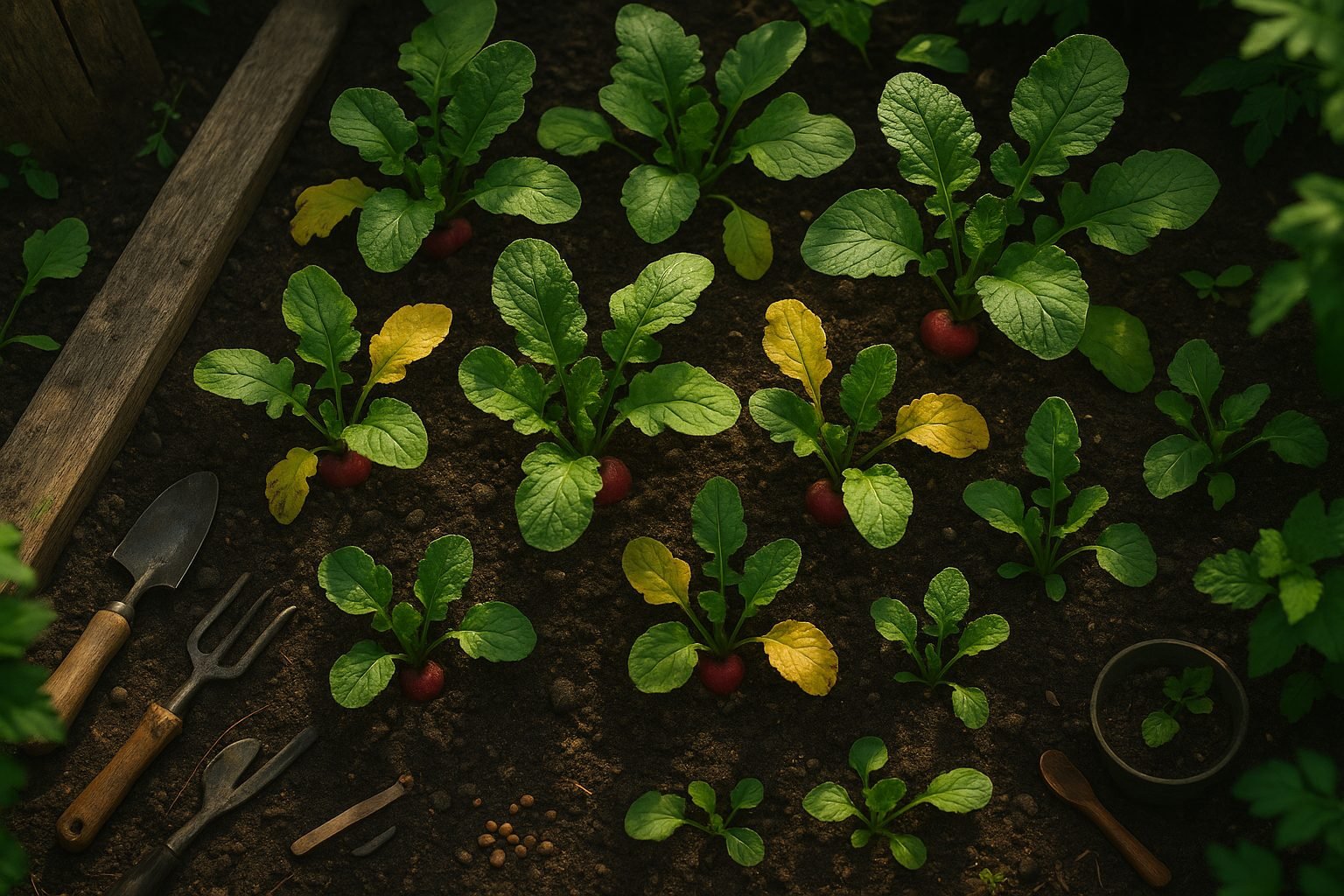
Noticing yellow radish leaves in your garden can be alarming, especially if you take pride in homegrown vegetables. Yellowing radish leaves is a common issue faced by gardeners of all experience levels, often signaling underlying problems that can affect the health and productivity of your crop. Whether you’re growing radishes in pots on a balcony or tending a busy backyard plot, it’s important to understand what’s happening when leaves turn yellow—and even more crucial to know how to respond.
In this article, we’ll explore the main causes behind yellow radish leaves, from nutrient deficiencies and poor watering habits to pest attacks and environmental stresses. You’ll also discover practical solutions and easy prevention strategies to help your radishes not only recover but thrive. Healthy, vibrant leaves are essential for photosynthesis and root development, which means a stronger harvest for your kitchen table.
Common Causes of Yellow Radish Leaves
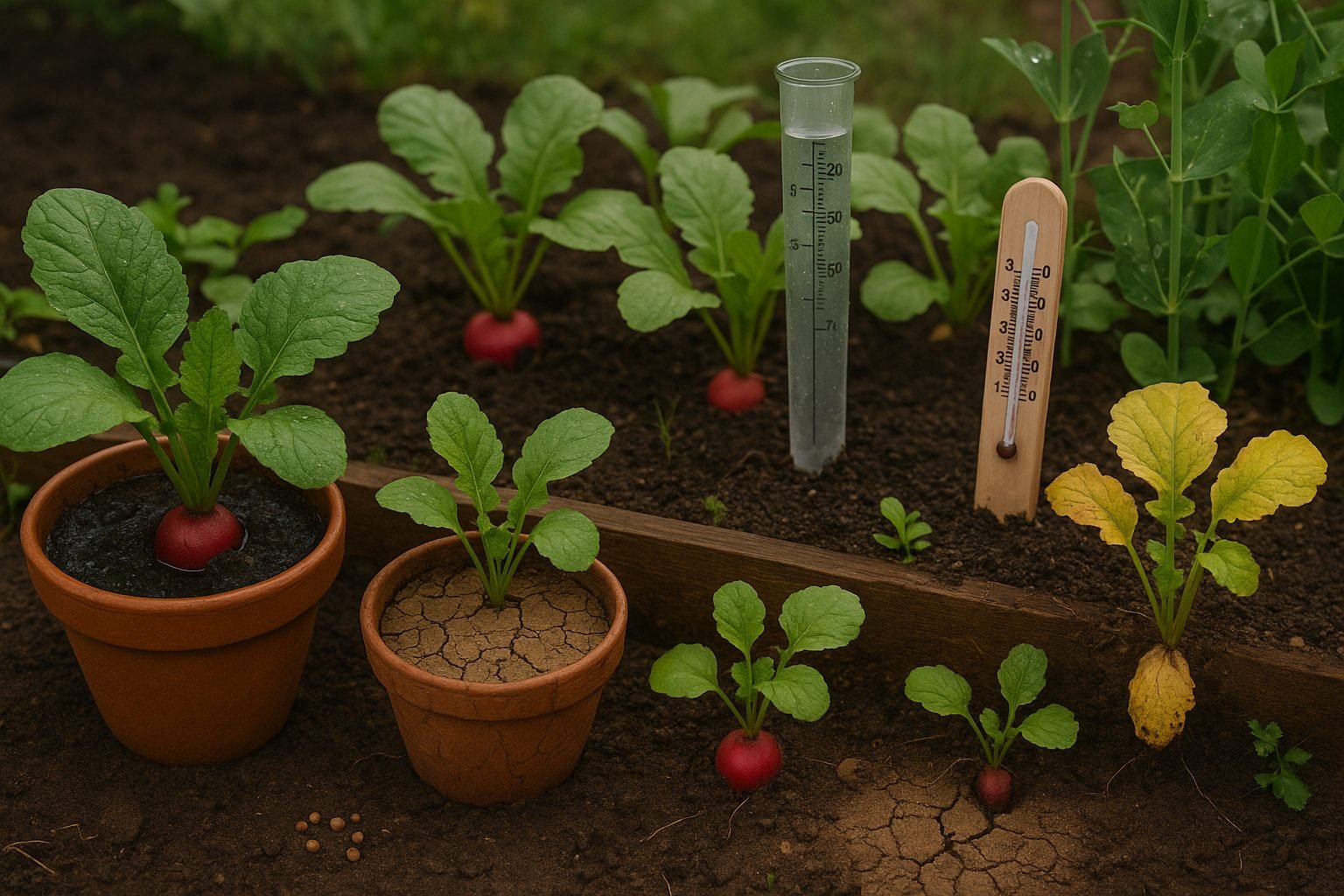
Yellow leaves on your radish plants can be a sign that something isn’t quite right with their care—often, it’s all about water and sunlight. One of the most frequent culprits is overwatering, which can lead to waterlogged soil that suffocates the roots, preventing them from receiving enough oxygen. Heavy rainfall can compound this problem, especially if your garden has poor drainage, and you might notice yellow leaves after a stretch of wet weather.
On the other end of the spectrum, dehydration and irregular watering routines can also stress radishes, causing the leaves to turn yellow and wilt. Drought conditions, where soil dries out completely, make it hard for the roots to access moisture, so consistent, moderate watering is key.
Temperature swings also affect radish health; exposure to cold snaps or unexpected frost can shock the plants, resulting in discolored foliage as they try to recover.
In addition to water and temperature, radishes need plenty of sunlight to thrive—if they’re shaded by other plants or structures for much of the day, their leaves may yellow due to insufficient energy for healthy growth.
If you notice yellowing, check for soggy or parched soil, watch the weather forecast, and ensure your radishes are planted where they receive at least six hours of direct sunlight daily for the best results.
Nutrient Deficiencies & Over-fertilization
Plants rely on key nutrients like nitrogen, magnesium, and potassium to stay healthy and green. When they don’t get enough, their leaves often show warning signs. Nitrogen deficiency typically causes uniform yellowing on older leaves, while a lack of magnesium creates yellow patches between leaf veins. A potassium shortage results in yellow edges with brown tips.
Spotty yellowing may point to pests or disease, but when yellowing appears in a clear pattern, it’s often tied to specific nutrient gaps—making observation your best diagnostic tool.
On the flip side, over-fertilizing can do more harm than good. Too much fertilizer leads to salt buildup in the soil, which can “burn” roots and block the uptake of water and nutrients. This leaves plants wilted or with crunchy, brown-edged leaves.
If you suspect over-fertilization, flush the soil with plain water to help remove excess salts and avoid feeding again until your plant recovers.
Tips for Healthy Soil and Plants
- Test your soil once a year to monitor nutrient levels.
- Choose fertilizers formulated for your specific plant type.
- Always follow label directions to avoid overdoing it—plants need a balance, not a feast.
- Add organic compost each season to steadily replenish nutrients, supporting a vibrant, healthy garden without the risks of nutrient swings.
Pests and Diseases Impacting Leaf Color
Pests and diseases can drastically change the color of your plant’s leaves, turning lush greens into a patchwork of yellow, pale, or spotted surfaces. Common pests like aphids and flea beetles are major culprits—you might notice tiny holes, ragged edges, or a sticky residue on leaves.
Aphids suck sap, leading to yellowed, curling leaves, while flea beetles chew small, round holes, giving foliage a shot-holed look. Beyond pests, diseases like Cercospora leaf spot, which produces purple or brown spots surrounded by yellow halos, and white rust, which appears as white, blister-like pustules, cause further discoloration and stress.
These problems can cause leaves to develop yellow spots, yellowed edges, or even turn completely yellow as the plant struggles to maintain health.
Treatment and Prevention
For treatment, try removing affected leaves and spraying with a gentle solution of water and mild soap to dislodge pests. Introducing beneficial insects such as ladybugs can naturally reduce aphid populations.
To prevent fungal and viral issues, ensure good air circulation, avoid watering leaves directly, and rotate crops each season. Organic fungicides like neem oil can help manage early stages of infection, safeguarding your plants without resorting to harsh chemicals.
Remedial Actions: Restoring Green Growth
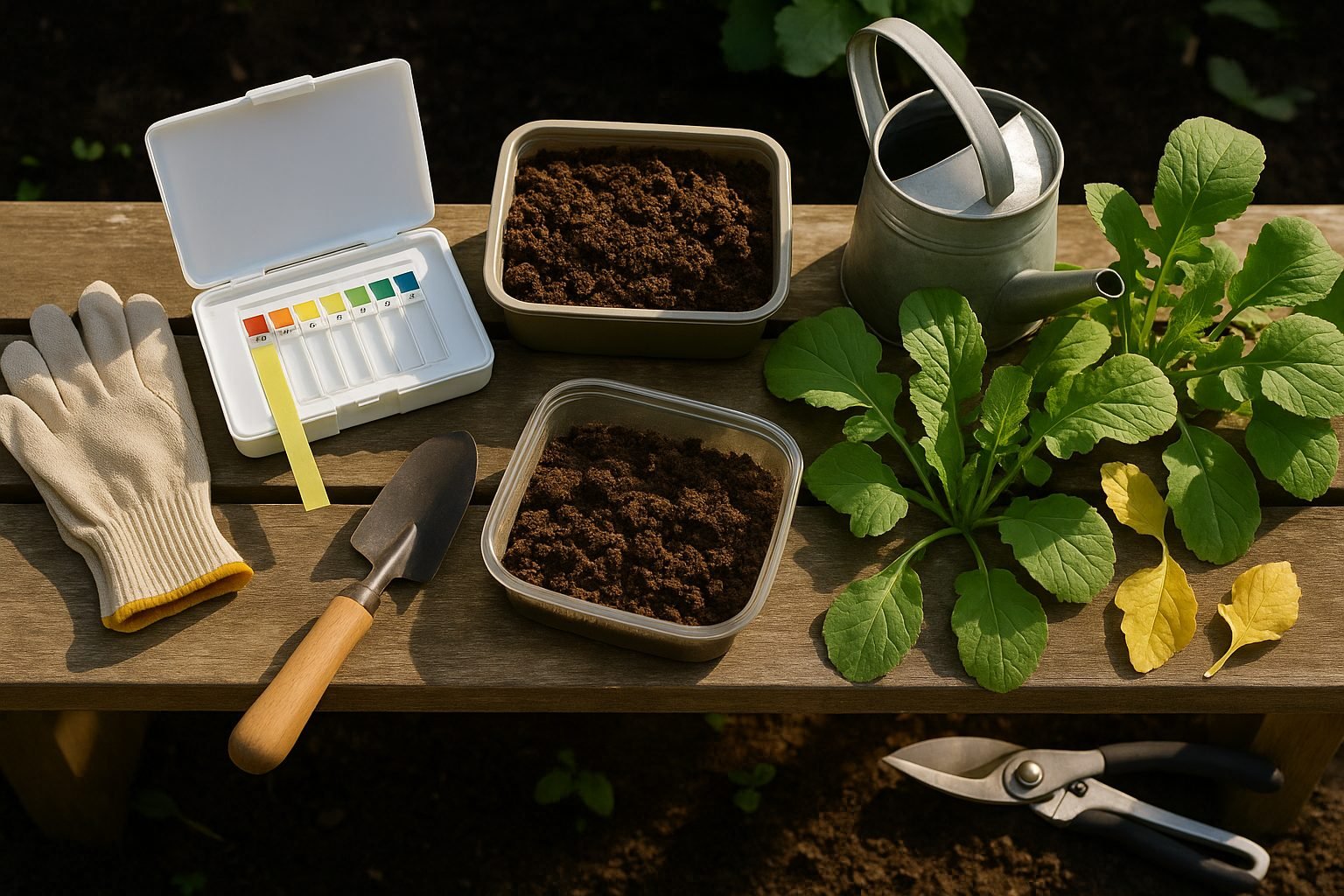
If your plants are showing signs of stress like yellowing leaves, take a systematic approach to bring back healthy green growth. Start by checking your watering routine—overwatering and underwatering are top culprits.
Stick your finger about an inch into the soil; if it’s soggy, hold off on watering until it feels dry, but if it’s bone-dry, increase the frequency.
Next, test the soil’s pH and nutrient content with an affordable home kit—imbalances can starve roots of essential nutrients.
If drainage is poor, amend the soil with organic matter like compost or perlite, or elevate pots to ensure excess water escapes.
When fertilizing, use a balanced formula and follow label directions; too much can burn roots, while too little leads to deficiencies.
To combat pests and diseases, inspect leaves (especially undersides) for bugs or spots, and remove affected areas with clean shears.
For mild infestations, wash foliage gently with water or use insecticidal soap.
In the short term, trim away yellowed leaves and monitor new growth.
Long-term recovery involves regular soil checks, seasonal mulching to retain moisture and suppress disease, and rotating plant locations to prevent persistent pest issues.
With patience and attentive care, plants often bounce back with renewed vigor.
Preventing Yellow Leaves on Radishes
Keeping your radish plants healthy and free of yellowing leaves starts with good gardening habits. Practice crop rotation by planting radishes in different spots each year; this helps prevent soil-borne diseases that cause yellowing. Make sure your soil is loose, rich in organic matter, and drains well—healthy soil gives radishes what they need to thrive.
Give your plants room to breathe by spacing seeds about an inch apart, which improves air circulation and keeps leaves dry. Water is key, but avoid overdoing it; aim for moderate, consistent moisture and always water at the base to prevent fungal issues.
Mulching around plants helps lock in moisture and suppress weeds, while removing old leaves and plant debris stops pests and diseases from spreading. Try using disease-resistant radish varieties, which are less likely to develop common problems.
Companion planting can boost success—grow radishes alongside carrots, peas, or lettuce to deter pests naturally. Keeping a close eye on your plants lets you spot any trouble early, so you can take action fast and keep those radish leaves green and healthy.
Conclusion
Yellow leaves on plants can result from issues like overwatering, nutrient deficiencies, pests, or insufficient light, but most of these problems are easily treatable. Adjusting your watering routine, providing balanced fertilizer, and checking for pests can often restore your plant’s health.
Prevention is key—make a habit of regularly inspecting your plants for early warning signs and addressing problems quickly. Remember, yellowing leaves are a common and reversible issue, so don’t panic. With a little attention and timely care, your plants can bounce back, staying green and vibrant in your home or garden.