Introduction to Companion Planting with Potatoes
If you want your vegetable garden to thrive, it’s important to know which crops to avoid planting near potatoes. Companion planting—carefully choosing which plants grow alongside each other—can make a big difference in keeping pests away, improving growth, and boosting your harvest.
For home gardeners, mastering companion planting can mean the difference between a bountiful yield and a disappointing season. Potatoes, a favorite for their versatility and hardiness, are a classic example: while some plants help potatoes flourish, others can have the opposite effect.
For instance, growing potatoes next to beans or certain flowers may deter harmful insects and promote healthy tubers. But placing them near tomatoes or carrots can lead to increased competition for nutrients or even invite common diseases that damage your crop.
Understanding which plants are potato’s friends—and which to avoid—can simplify your gardening decisions and maximize your harvest. In this post, we’ll break down exactly what not to plant near potatoes and highlight the best combinations to ensure your potato patch is as healthy and productive as possible.
Whether you’re planting in raised beds or traditional rows, these companion planting tips can help you avoid common mistakes and enjoy bigger, better potatoes.
Benefits of Companion Planting Potatoes
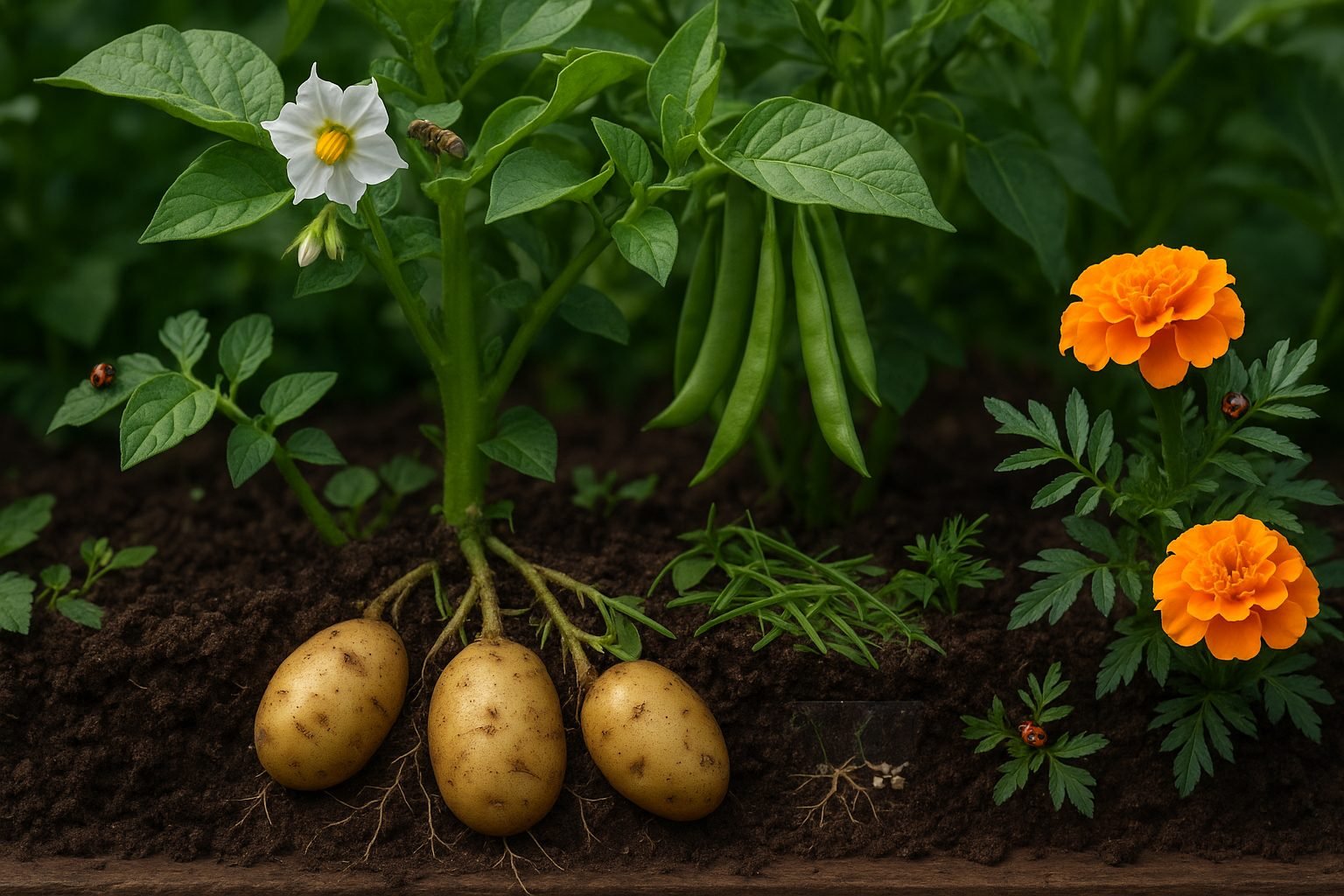
Companion planting potatoes offers a smart, eco-friendly way to boost your harvest while keeping pests and chemicals at bay. One of the key benefits is natural pest control—growing potatoes alongside strong-scented herbs like basil, sage, or marigolds helps repel destructive bugs such as potato beetles and aphids, reducing the need for harsh pesticides.
Beans are another fantastic companion because they fix nitrogen in the soil, feeding your potato plants and promoting healthier, more robust growth. This dynamic duo can lead to bigger yields and fewer disease problems without extra fertilizers.
Similarly, planting potatoes with horseradish has been shown to discourage some fungal diseases and underground pests like wireworms.
Companion planting also helps keep your soil balanced; for example, legumes like beans return essential nutrients that potatoes use up, cutting down on the need for chemical fertilizers.
By designing a garden where potatoes grow alongside these friends, you’ll foster biodiversity, encourage beneficial insects, and help your whole garden thrive. Plus, you’ll lower your environmental footprint by reducing reliance on synthetic chemicals—a small change that’s great for your garden and the planet.
To see these benefits in action, try tucking basil or beans around your potato rows next season and notice the healthier plants and fewer pest problems that result.
Best Companion Plants for Potatoes
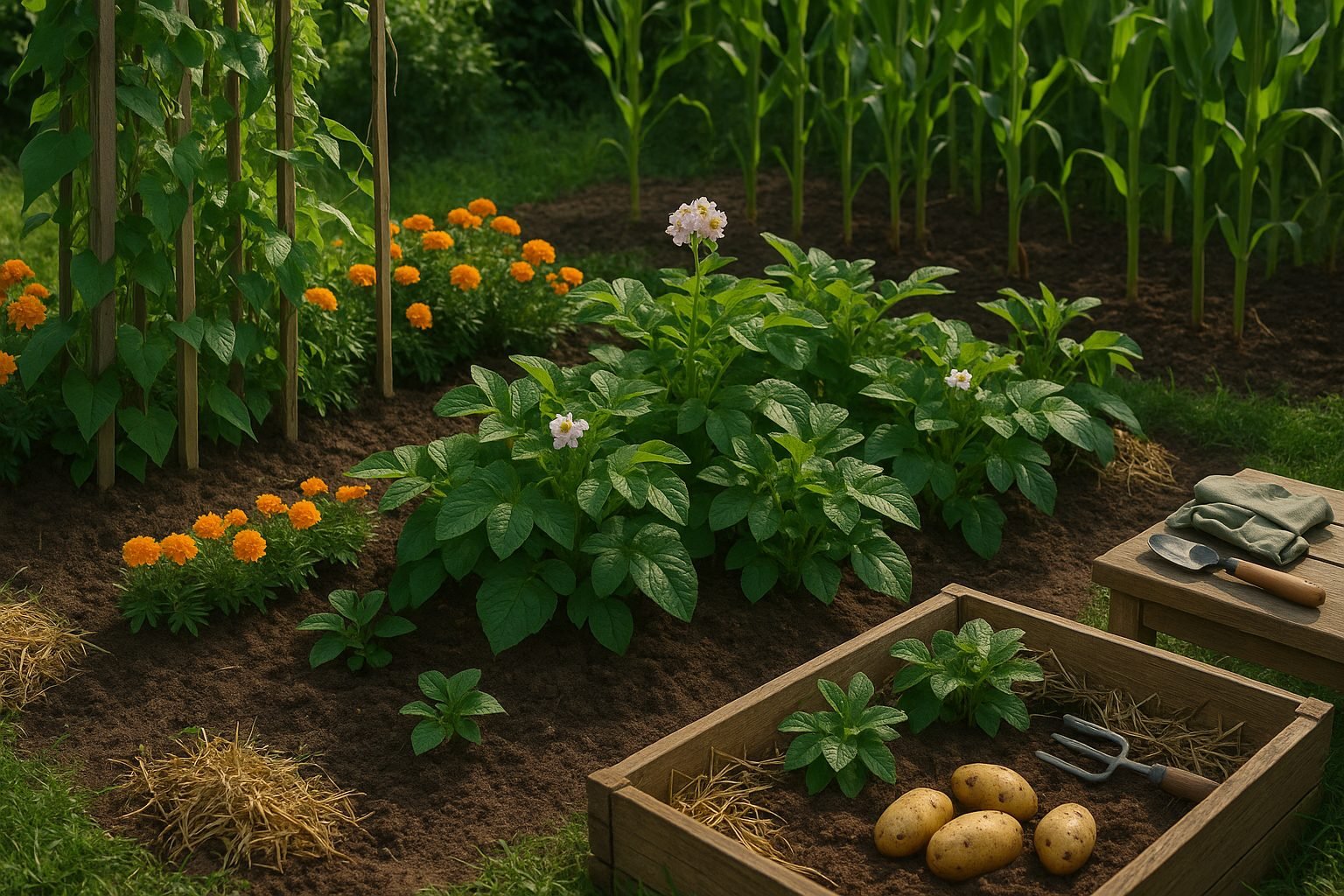
When planning your potato patch, pairing potatoes with the right companions can make a noticeable difference in your harvest by both boosting yields and fending off common pests. Beans are a top choice, as they help fix nitrogen in the soil—a key nutrient potatoes love. Consider planting bush beans in rows adjacent to your potato beds.
Corn, another classic companion, grows tall and creates dappled shade, which can help protect potato leaves from scorching sun in hotter climates. Marigolds are famous for their pest-repelling qualities; tucking these vibrant flowers around the perimeter of your potato plot can deter nematodes and ward off aphids, all while adding a pop of color.
Horseradish is a powerhouse for pest control—it naturally repels Colorado potato beetles and can be easily planted at the corners of your potato patch. Just be sure to contain its roots, as it tends to spread. For gardeners looking to diversify, less commonly grown companions like flax also offer benefits; flax’s light, swaying stems attract pollinators and can even suppress potato bugs.
Another underutilized ally is nasturtium, which acts as a “trap crop” by luring aphids and other pests away from your potatoes. Try interplanting nasturtiums directly among your potato rows.
To integrate these companions successfully, space them so each plant has enough room. Think alternating rows or clusters for beans and corn, border plantings for marigolds and horseradish, and scatterings of flax and nasturtium throughout.
Mixing these plants not only maximizes your garden’s resilience but can also make tending your potato patch a more enjoyable, colorful experience.
Plants to Avoid Planting with Potatoes
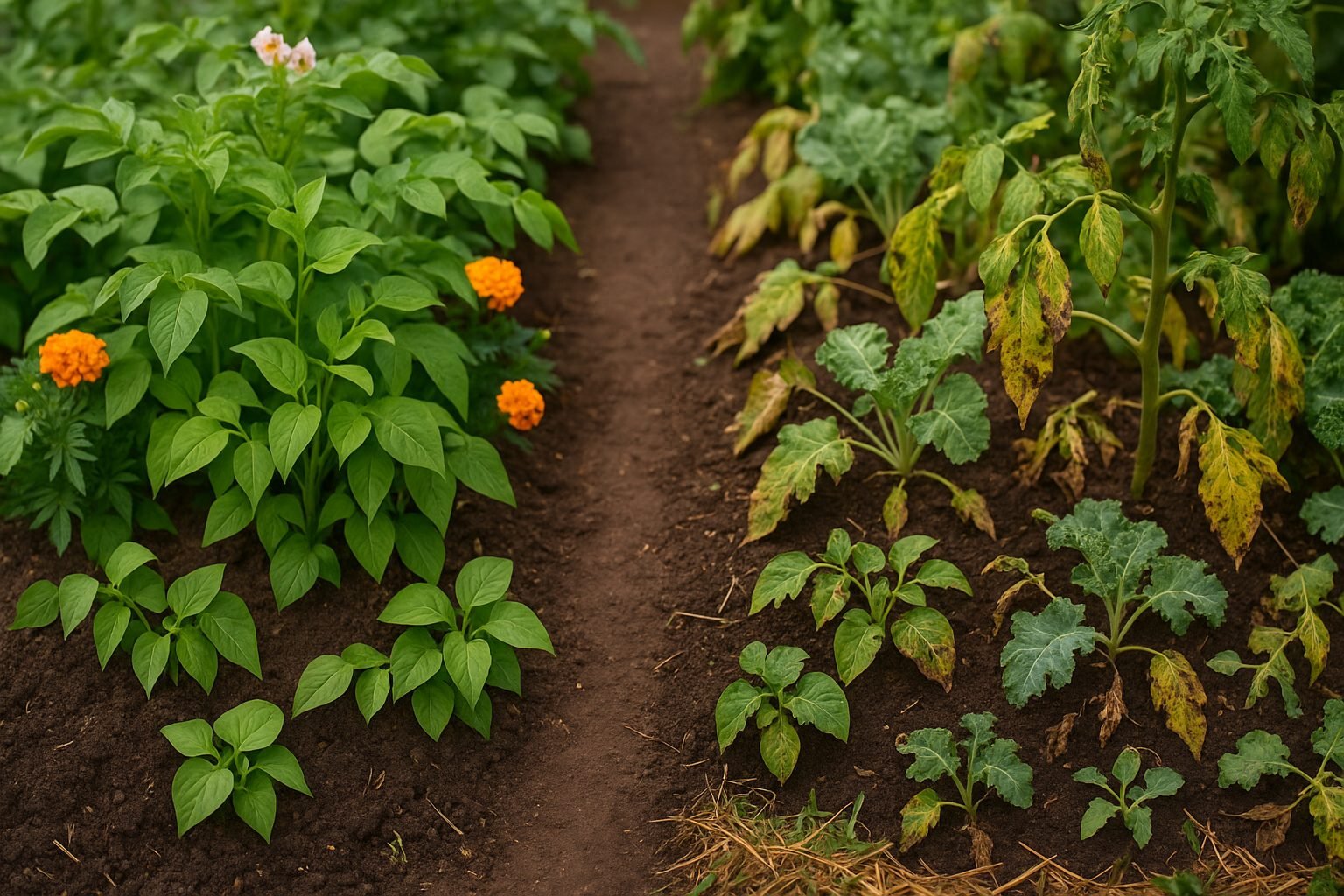
When planning your garden, it’s important to know which plants don’t get along with potatoes. Tomatoes and peppers, both members of the nightshade family like potatoes, are best avoided as close neighbors because they’re prone to the same diseases—especially blight—which can spread quickly and devastate all three crops.
Brassicas, such as cabbage, broccoli, cauliflower, and kale, should also be kept at a distance. They compete aggressively for nutrients and can stunt potato growth, while some studies suggest potatoes may inhibit brassica development as well.
Cucumbers are another plant to watch out for; they attract beetles and diseases that also affect potatoes.
Tips for Spacing and Planting
- Space potatoes at least two to three feet away from these incompatible plants, ideally in a different bed or at opposite ends of your garden plot.
- If space is limited, use physical barriers like row covers to limit airborne disease spread.
- Alternate rows with companion-friendly plants such as beans or corn.
Crop Rotation
Rotating your nightshade crops each year is a smart way to break pest and disease cycles. Resist the temptation to plant potatoes where tomatoes or peppers grew the previous season.
With these strategic layout choices, your potato patch will be healthier and more productive.
Companion Planting Tips for Healthy Potato Gardens
Companion planting can greatly boost your potato garden’s health and yield when done with smart planning. Start by rotating your potato plot each year to different spots—this prevents soil-borne diseases and helps avoid pest build-up that can plague potatoes if they stay in the same bed.
Pair potatoes with helpful companions like beans, which add nitrogen to the soil, or horseradish, said to strengthen potatoes’ disease resistance. Avoid planting potatoes near crops like tomatoes, peppers, or eggplants, as they attract similar pests and can encourage blight spread.
Succession planting is another game-changer: after harvesting early potatoes, fill the space with fast-growing crops such as lettuce or spinach to maximize your garden’s productivity. When laying out your garden, keep enough space between potatoes and their companions for good airflow—cramped beds can lead to mold or rot.
Watch out for common pitfalls like overcrowding, using companion plants that compete for the same nutrients, or ignoring shading—tall plants can stunt potato growth if they block sunlight.
Every garden is unique, so it pays to observe how your plants respond to companion planting, weather, and local wildlife. Take notes and be ready to adapt: what works in one season or location may need tweaking in another.
By blending these best practices with attentive observation, you’ll set your potato garden up for a robust harvest and healthier soil year after year.
Frequently Asked Questions
Many gardeners wonder if potatoes and onions can be planted together, but it’s generally best to keep them apart. Onions and other alliums like garlic can compete with potatoes for nutrients and may even stunt each other’s growth. Instead, consider pairing potatoes with companions like beans, corn, or horseradish, which are known to boost potato health and yield.
Another common question is about spacing: to keep your potatoes healthy and productive, space each seed potato about 12 inches apart in rows that are at least 2–3 feet apart. This gives the plants plenty of room to grow large tubers and helps prevent the spread of disease.
Beginner gardeners often ask if companion planting really improves potato yield. While it’s no magic fix, the right companions can help by deterring pests, improving soil nutrients, and creating a more balanced garden ecosystem. For example, planting marigolds nearby can help keep harmful beetles at bay, while bush beans can add nitrogen to the soil, giving your potatoes a natural boost.
Finally, be careful not to plant potatoes where you’ve recently grown tomatoes, peppers, or eggplants, as these crops all share similar diseases that can linger in the soil. By making smart companion choices and practicing crop rotation, you’ll increase your chances of a healthy and productive potato harvest.