Introduction
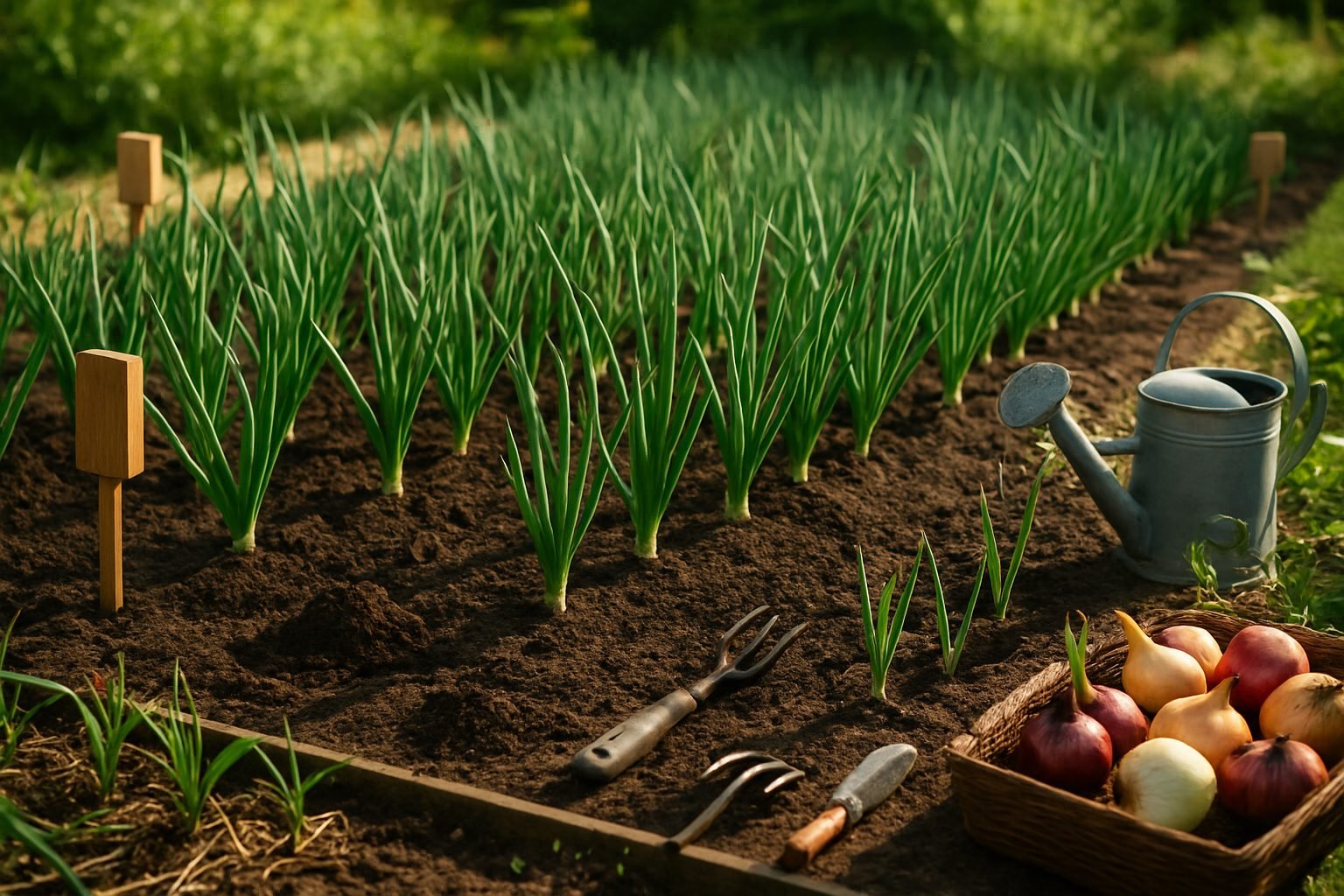
Succession planting onions is the secret weapon for gardeners who dream of a continuous, fresh onion supply from early summer into fall. If you’ve ever found yourself with a surplus of onions all ready at once and then nothing for months, you’ll appreciate how succession planting can transform your harvest rhythm. At its core, succession planting means sowing onion seeds or sets in intervals rather than all at once—think of it as staggering your planting schedule so you can enjoy crisp, flavorful onions over a longer period instead of facing the classic feast-or-famine garden dilemma.
This technique isn’t just for the pros; it’s a practical, easy-to-master method that gardeners of all experience levels can use. From boosting your total onion yield to ensuring you always have the perfect bulb at hand, the benefits are impressive. By timing your plantings just right, you sidestep gluts, reduce waste, and enjoy a steady stream of onions to enhance every meal. Real-world tip: some home gardeners like to alternate between short-day and long-day onion varieties depending on their region, which, combined with succession planting, leads to even more fruitful and diverse harvests.
In this article, we’ll guide you through the fundamentals of succession planting onions, outlining strategies for timing, variety selection, and soil preparation. Whether you’re an enthusiastic beginner eager for your first successful crop or a seasoned grower ready to fine-tune your garden’s productivity, you’ll find practical, actionable advice here. Get ready to enjoy onions at the peak of freshness all season long—and discover how a little planning can make a big difference in your kitchen and garden.
Choosing the Right Onion Planting Method for Your Patch
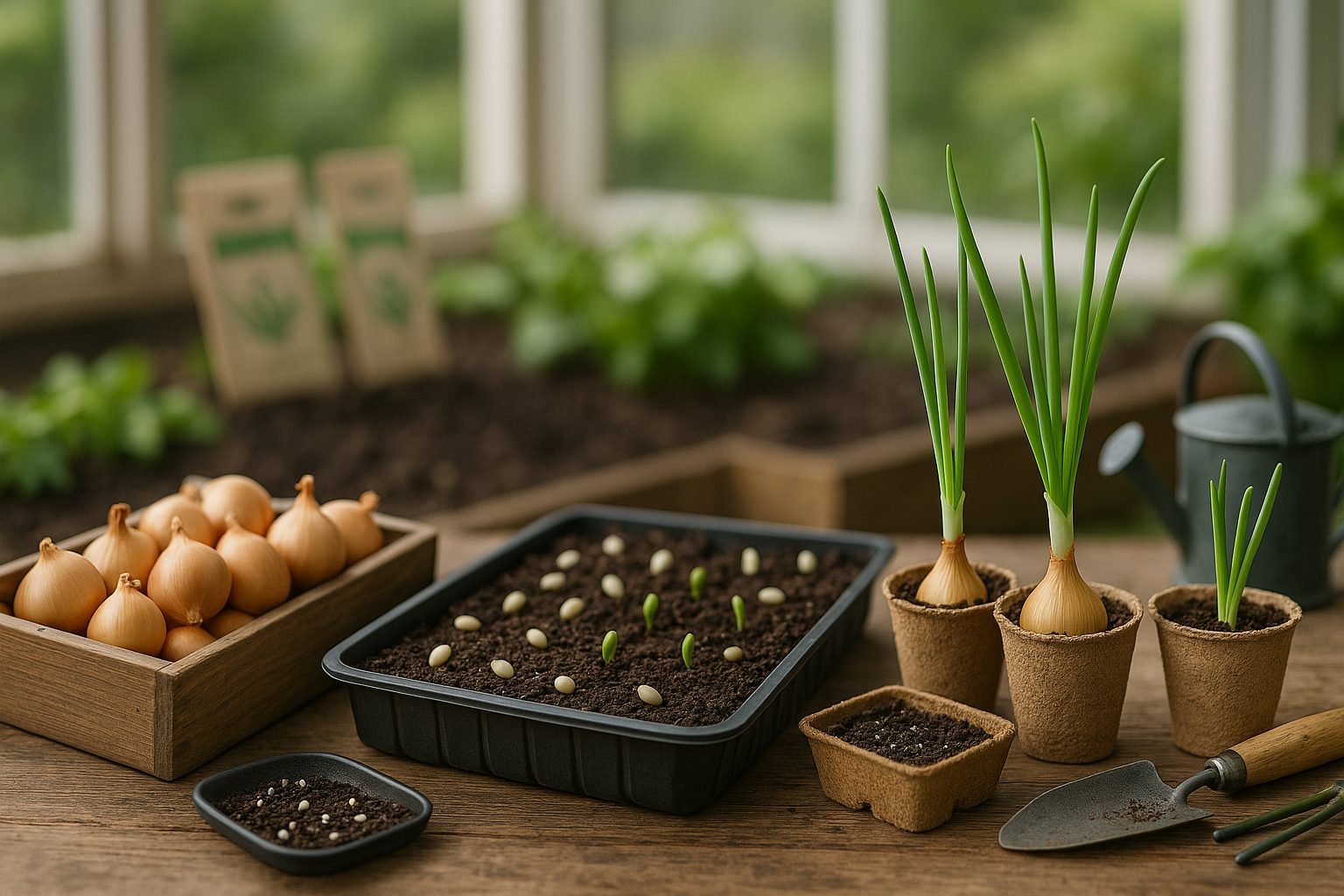
When you’re planning your onion patch, choosing between onion sets, seeds, and transplants can make a big difference in your harvest. Onion sets are small, immature onions that are super easy to plant outdoors and offer the fastest route to early onions. However, they sometimes don’t store as long or yield as well as other options.
Seeds give you the most variety to choose from and often produce longer-storing bulbs, though they require patience and an early start indoors—usually 10–12 weeks before your last expected frost date. Transplants are young onion plants grown from seed, either at home or purchased, and they’re a happy medium: quicker than seeds but still offering good yield and storage potential.
Each method has its trade-offs, so consider your space, time, and confidence level.
Matching Onion Types to Your Climate
Beyond planting method, picking the right onion type for your local climate is critical. Onion varieties are classified by day length: short-day, intermediate, and long-day types.
- Short-day onions work best in the South, as they grow bulbs with around 10–12 hours of daylight.
- Long-day onions need up to 16 daylight hours to bulb and thrive in northern regions where summer days are long.
- Intermediate onions are ideal for areas in between.
Get this match wrong, and your onions may never fully develop!
Staggering Plantings for a Steady Harvest
To make the most of your growing season or get consistent harvests, try staggering plantings: sow seeds indoors in late winter to transplant outside early, then follow with sets or direct-seed onions outdoors a few weeks later as soil warms to at least 50°F.
This approach gives you a steady stream of onions for fresh eating and storage throughout the season.
Succession Planting Intervals
Succession planting intervals refer to the carefully planned gaps of time—like 7, 10, 14, 21, or even 30 days—between sowing batches of crops in the same garden space. For onion growers, this strategy is a powerful way to keep a steady supply of fresh onions coming in throughout the season, rather than having a single overwhelming harvest.
The best interval for your garden depends on your local climate and available space. In cooler climates or tight garden beds, sowing new seeds every 14 or 21 days might be ideal, while warmer regions with more growing days can opt for shorter 7 or 10-day intervals to maximize output.
For example, create a simple chart on a calendar, marking staggered sowing dates for bunching onions starting in early spring, moving to bulb onion sets in mid-spring, and wrapping up with a late summer sowing for fall harvests. If space is limited, use containers or rotate through raised beds, always leaving at least 14 days between new plantings to prevent overcrowding.
A sample schedule could include sowing green onions outdoors every two weeks from March to July, while planting bulb onions in three main waves: early April, late April, and mid-May.
Succession intervals not only extend your onion harvest through spring, summer, and fall, but they also help break pest and disease cycles—since there’s rarely an entire crop wiped out at once, and failed plantings can be quickly replaced. By tailoring your sowing intervals, you’ll enjoy fresh onions for months and keep garden headaches at bay.
Preparing Your Onion Beds or Containers
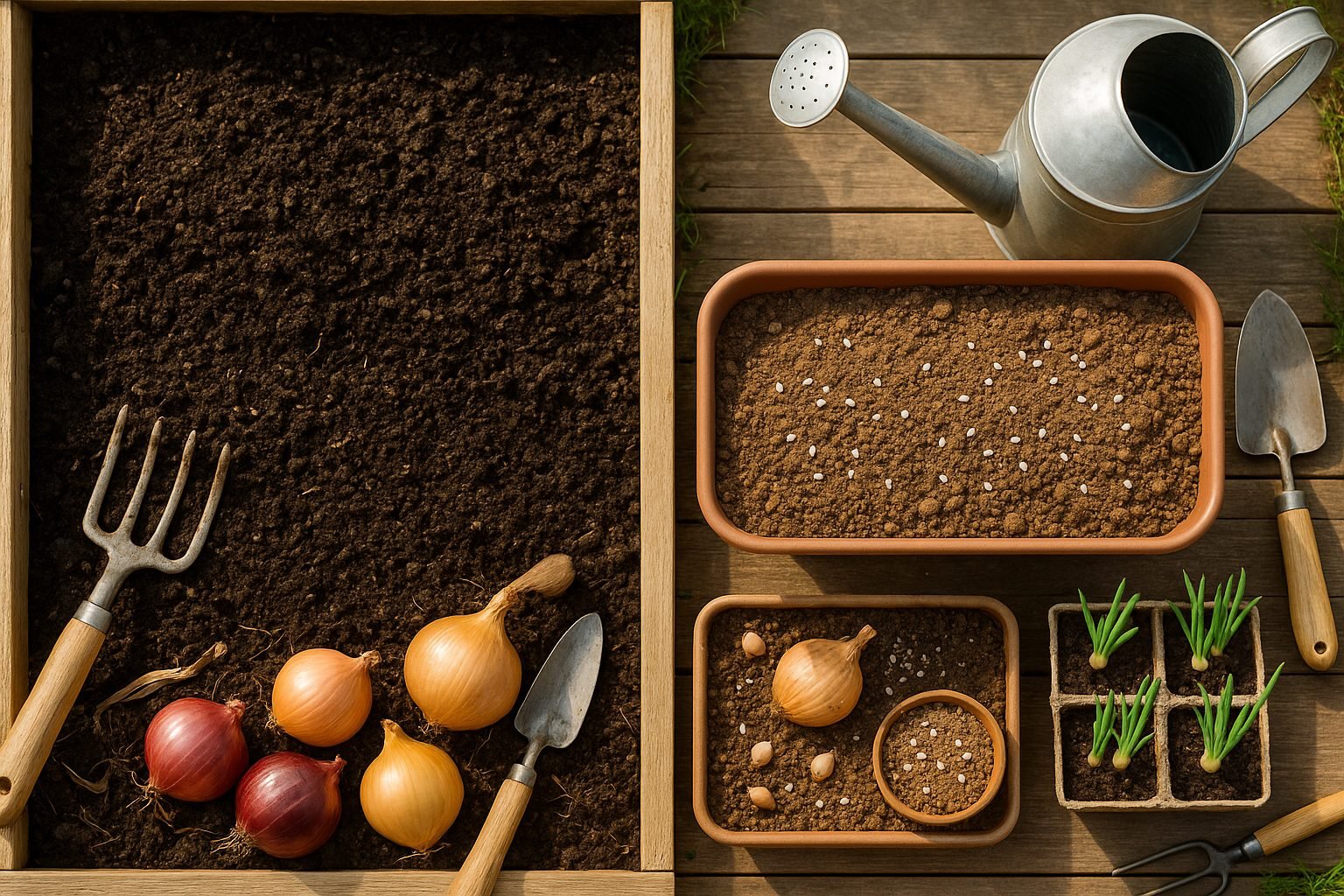
Start by choosing a sunny spot for your onion beds or containers, as onions thrive with at least six hours of light daily.
Preparing Ground Beds
For ground beds, clear out weeds and use a garden fork to gently loosen the top 4–6 inches of soil without turning it over—this “no-dig” method keeps beneficial soil life intact. Work in a generous layer of well-aged compost, about 2 to 3 inches thick, across the bed; this boosts nutrients and improves soil texture for strong root growth.
Preparing Containers
For containers, select pots at least 10 inches deep, filling them with a quality organic potting mix blended with compost and a handful of slow-release fertilizer. Good drainage is essential: raise beds slightly, shape the surface into low domes, or use pots with drainage holes so excess water doesn’t pool and cause rot.
After Harvest Care
After each onion harvest, leave roots and old leaves to decompose in place if possible—this supports earthworms and keeps soil structure loose.
Crop Rotation
Rotate your onion crops each season—avoid planting onions or their relatives (like garlic or leeks) in the same spot more than once every three years, since pests and diseases can build up otherwise.
Cover Crops
In between onion plantings, sow quick cover crops like clover or buckwheat to suppress weeds and restore organic matter. When it’s time for the next round of onions, cut cover crops down and leave the roots in the soil to continue feeding microbes.
Summary
By combining compost, careful bed preparation, and smart rotations, you’ll have healthy, high-yield onion beds year after year—even in small spaces.
Growing Onions
To keep your onions thriving throughout the growing season, regular care and attention go a long way. Water deeply but infrequently, aiming for about one inch of water per week, and avoid wetting the foliage to prevent fungal issues—drip irrigation or soaker hoses are great choices. Mulching with a thin layer of straw or dried grass helps conserve moisture, suppress weeds, and keep the soil cool; just ensure you don’t pile mulch directly against the onion stems.
Frequent, gentle weeding is essential, as onions dislike competition and their shallow roots can easily be disturbed; hand-pulling or using a small hoe works best. Common pests like onion maggots and thrips can wreak havoc on crops, but floating row covers placed right after planting can keep adult insects at bay. For thrips, a strong spray of water or applications of neem oil are effective organic controls, while encouraging beneficial insects, such as lacewings, can help naturally reduce populations.
Onion diseases, including downy mildew and botrytis, tend to thrive in damp, crowded conditions—space your onions generously, thin seedlings if needed, and avoid overhead watering to promote good air circulation. Succession plantings should never be overcrowded; not only does this boost airflow and reduce disease risk, it also helps bulbs mature evenly. Rotating your onion patch each year and promptly removing any diseased plants can further minimize long-term problems.
With these care tips and proactive organic controls, you’ll be well on your way to a healthy, productive onion crop.
When to Harvest Onions
Knowing when to harvest onions depends on the type you’re growing. For green onions, also called scallions, you can start picking individual stalks when they’re about the width of a pencil. Don’t wait too long, as young green onions are milder and more tender.
Bulb onions, on the other hand, require more patience—wait until about two-thirds of the onion tops have yellowed and naturally toppled over, usually in late summer.
Harvesting Mixed or Staggered Onions
If you’ve planted onions in intervals or have a mix of varieties, take advantage by harvesting the most mature first while allowing smaller or later-planted bulbs to keep growing. This provides a steady supply and reduces the pressure of harvesting all at once.
Harvesting Tips
- When pulling onions, gently loosen the soil with a fork rather than yanking to prevent bruising, which can lead to spoilage.
- For fresh use, trim the tops and roots, rinse off dirt, and store onions in the fridge for up to a week.
Long-Term Storage
To store bulb onions longer, cure them by laying them out in a single layer in a dry, airy spot—such as a garage or covered porch—out of direct sun for two to three weeks until the necks are dry and the skins are papery.
Do not wash onions meant for storage; keep the skins intact. Once cured, cut off the tops and roots, brush off any remaining soil, and store them in mesh bags or ventilated baskets in a cool, dry place.
By harvesting in stages, handling onions gently, and curing them properly, you’ll extend the shelf life of your homegrown crop and enjoy their fresh flavor for months to come.
Tips for Successful Succession-Planted Onion Beds
Succession-planted onion beds can face challenges like mistimed planting, where new seedlings are added before earlier onions have matured. This leads to crowding and competition for light and nutrients. To avoid this, keep a garden journal or calendar to track planting dates and harvest windows—it ensures each batch has enough space and time to thrive.
Overwatering is another common pitfall that can cause bulb rot. Check if the soil is dry an inch below the surface before watering, and make sure the bed drains well.
As onions are heavy feeders, soil nutrient depletion often happens with back-to-back plantings. Perform a quick soil test between cycles, then top up with balanced organic fertilizer or compost before replanting.
Pest Management
Pest outbreaks, especially from onion maggots and thrips, become more likely in succession beds. Rotate crops each cycle if possible and use floating row covers for added protection.
Reviving Underperforming Beds
If your succession crops are underperforming, clear out weak or diseased plants and solarize the bed with a clear tarp for several weeks to reset soil health. Replenish soil fertility with well-rotted compost and rest the bed briefly before starting a new planting.
Additional Resources
For ongoing advice, check with your local county extension office or trusted resources like the local Master Gardener program. Their websites often host webinars and downloadable guides tailored to your region’s climate and common issues. Online forums like GardenWeb or regional Facebook gardening groups can also be invaluable for real-time troubleshooting and tips from experienced home growers nearby.
Succession Planting Onions: A Practical Guide
Succession planting onions offers growers a steady supply of fresh bulbs and greens throughout the season, making it one of the most practical ways to maximize yield from any garden space—big or small.
By sowing seeds or sets every few weeks instead of all at once, you can avoid the common problem of harvesting a glut all at once and then running out until next year. This staggered approach not only helps spread out the work of planting and harvesting but also guards against unpredictable weather or pest attacks wiping out your whole crop at once.
Don’t be afraid to experiment: try mixing different onion varieties, adjusting sowing dates, and using both sets and seeds until you find what works best in your climate and schedule. Even small tweaks, like testing a new variety or shifting your planting calendar by a week, can lead to improved harvests or better flavor.
For more detailed guidance, check out the University of Minnesota Extension’s onion page or browse GrowVeg’s onion planting calendar.
Success in the onion patch often comes from observation and curiosity, so keep notes and enjoy the process—before you know it, delicious onions will be a reliable staple from your own garden year after year.