Introduction
Knowing exactly when to plant onions can be the key to a thriving harvest instead of a disappointing one. Timing matters because onions require specific conditions—such as the right soil temperature and daylight length—to develop strong bulbs and rich flavor. Planting too early or too late can lead to stunted growth or smaller yields.
That’s why understanding your local gardening zone is essential. Gardening zones, based on average annual temperatures, affect not only when to sow onion seeds or set out transplants but also which onion varieties will thrive in your area. Many gardeners are surprised to learn that planting schedules need to be customized based on location—what works in Zone 6 might not apply to the warmer climate of Zone 8.
In this post, you’ll find zone-specific onion planting times, practical tips for different climates, and a detailed month-by-month calendar to guide you from preparation through harvest. Whether you’re a first-time gardener or experienced with growing onions, these strategies will help you achieve the best results in your backyard garden.
Understanding Gardening Zones and Onion Types
Understanding USDA Hardiness Zones is key to knowing when to plant onions. These zones, defined by the United States Department of Agriculture, map regions based on average minimum winter temperatures. Knowing your zone helps you choose onion varieties that thrive in your local climate.
Onions are especially sensitive to day length and temperature, which is why it’s important to know the types: short-day, long-day, and intermediate-day onions.
- Short-day onions, such as ‘Texas Sweet’ or ‘Yellow Granex,’ begin forming bulbs when day length reaches about 10 to 12 hours. They’re ideal for southern gardeners in Zones 7-10.
- Long-day onions, like ‘Walla Walla’ or ‘Yellow Sweet Spanish,’ need 14 to 16 hours of daylight to bulb and thrive in northern states, Zones 6 and colder.
- Intermediate-day onions, including varieties like ‘Candy’ or ‘Red Stockton,’ are best for gardeners in the central U.S., Zones 5-7, as they bulb with 12 to 14 hours of daylight.
Choosing the right onion type for your gardening zone is crucial. Planting the wrong variety can lead to stunted bulbs or overly pungent, inedible onions. For the best results, consult your local extension office or a trusted seed supplier for recommended varieties in your area.
For example, if you’re gardening in Georgia (Zone 8), stick with short-day onions, while gardeners in Minnesota (Zone 4) should opt for long-day types. Matching onion type with your zone ensures healthier plants and a more satisfying harvest.
Zone-by-Zone Onion Planting Guide
Zone 3 (Average last frost: late May to early June)
Start onion seeds indoors 10–12 weeks before the average last frost date, typically from mid-February to early March. Transplant seedlings outside in early to mid-June, once the frost danger has passed. Direct seeding is usually not recommended due to the short growing season, and bolting can occur if plants face cold snaps after transplanting.
Zone 4 (Last frost: mid to late May)
Start seeds indoors from early to late February. Transplant outdoors in late May or early June when the soil has warmed. Direct seeding of sets and bulbs is possible in late April but success depends on spring temperatures and late frosts.
Zone 5 (Last frost: late April to early May)
Sow seeds indoors in late January to early February. Move seedlings outside in early to mid-May. For direct sowing of sets or transplants, aim for late March to early April but be mindful of cold or wet spring soils that can delay germination.
Zone 6 (Last frost: mid-April)
Start seeds indoors in January or February. Transplant outside in mid to late April, or direct sow onion sets and transplants in early to mid-April if the ground is workable. Spring frost risks fade earlier here, but early heat waves may stress seedlings.
Zone 7 (Last frost: late March)
Begin indoor seeds from December to January and transplant in early April. Direct sow sets or transplants in late March. Early warming can dry soil quickly—apply mulch after planting to retain moisture.
Zone 8 (Last frost: mid-March)
Sow onions indoors in December and transplant by mid-March. Direct seed outdoors in late February to early March. Watch for early heat, especially with bulbing varieties, since rapid warming can produce smaller bulbs.
Zone 9 (Last frost: late February)
Start seeds indoors in November or December and transplant in late February or early March. For direct sowing, plant in January or early February. Mild winters allow early planting, but onions remain sensitive to sudden spring temperature spikes.
Zone 10 (Frost-free or very rare frost)
Plant onion seeds directly in the garden from November to January. Indoor starting is generally unnecessary. Late fall planting lets onions grow through mild winters, but watch for hot spells that may reduce bulb size. Provide shade if needed.
Summary
So, when to plant onions depends on your zone. In northern zones (3–5), focus on starting seeds indoors early to extend the short growing season. In southern zones (8–10), take advantage of mild winters for direct sowing. Always choose onion varieties (long, intermediate, or short-day) that match your zone’s day length and adjust planting based on unpredictable weather by monitoring local forecasts and preparing row covers to protect tender seedlings.
Month-by-Month Onion Planting Calendar
When considering when to plant onions, knowing your USDA Hardiness Zone helps you create a tailored month-by-month planting plan for the best results. In southern Zones 8-10, onion planting begins in January and February. Gardeners in these areas can sow seeds directly outdoors or start them indoors in December for an early advantage.
In Zones 7 and 8, late February through March is ideal for indoor sowing, while outdoor transplants and sets can be planted by late March or early April. For Zones 5 and 6, start seeds indoors as early as late January or February to have seedlings ready for transplanting in late March or early April, once the soil can be worked.
In colder northern regions like Zones 3 and 4, start seeds indoors in February or early March, then plant transplants about two to four weeks before your area’s last expected frost, usually from late April through May. Adjust planting times if spring arrives early or late: delay if the soil is still frozen, or plant sooner if conditions warm up.
Onion sets are more forgiving—they can be planted outdoors as soon as the soil is workable, even if light frosts are possible, since onions are quite cold-hardy. Remember, onions need a long growing season, so starting seeds indoors whenever possible helps produce bigger, healthier bulbs.
In summary: always use your local last frost date as a guide, monitor soil temperatures, and adapt to yearly changes for the best harvest.
Planting Methods: Sets, Seeds, and Transplants
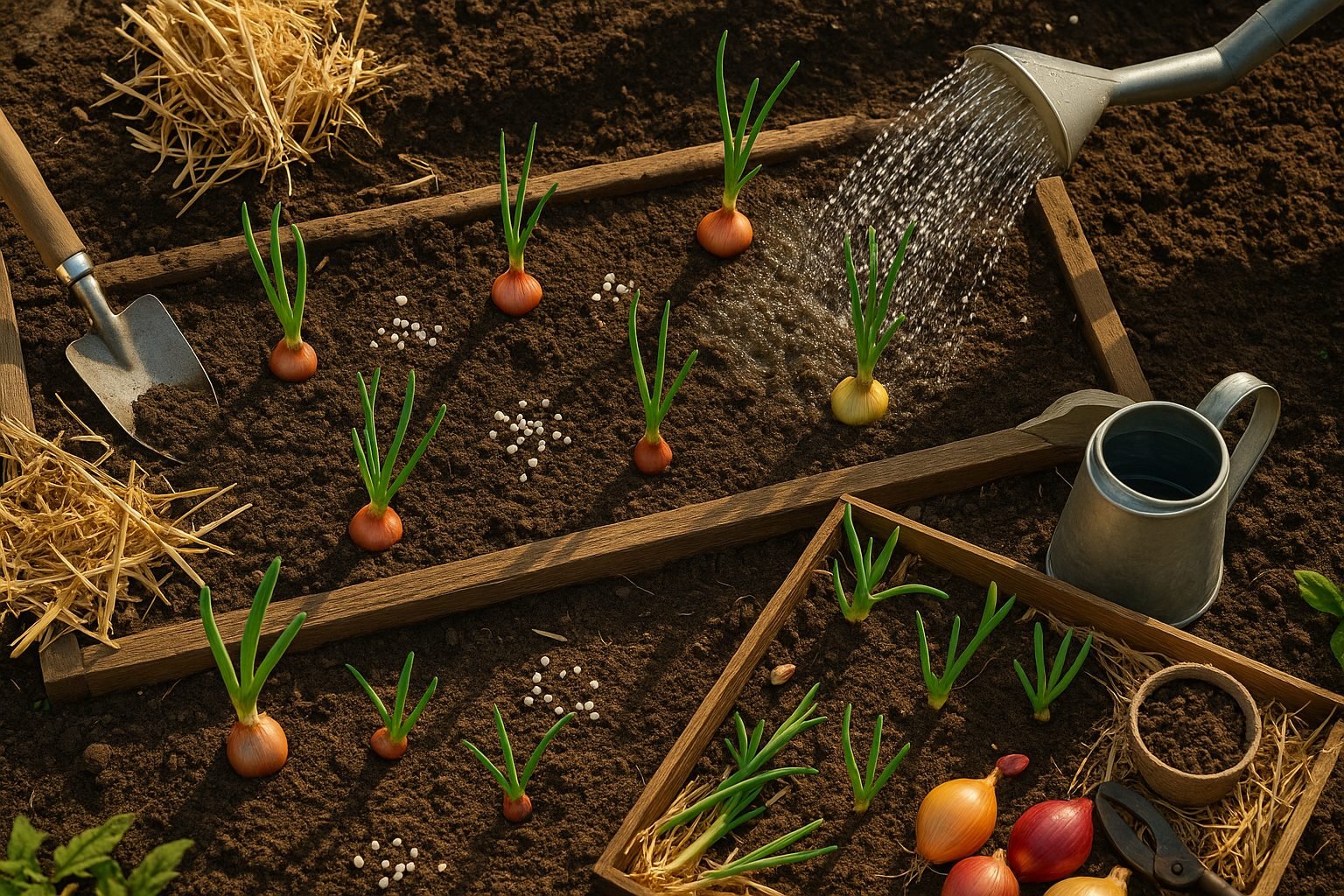
When deciding when to plant onions, your choice of planting method—seeds, sets, or transplants—makes a big difference. Onion sets, which are small pre-grown bulbs, are the easiest option for beginners. They sprout quickly and usually produce a reliable harvest, making them popular among gardeners in colder zones (Zones 3-5). Sets can be planted directly into the ground 2-4 weeks before your average last frost. However, they sometimes bolt (flower) early and typically come in fewer varieties.
Seeds offer the widest variety options and can be started indoors 10-12 weeks before your last frost, then transplanted outside in early spring. While seeds allow you to grow specialty or storage onions, they require more patience and careful attention, especially in Zones 4-7.
Transplants—young onion plants started from seeds or purchased—are a great compromise. They save you some early work while still offering a good range of varieties. Transplants should be set out a few weeks before the last frost, which works well for Zones 5-8.
No matter which method you choose, prepare your soil by loosening it, adding plenty of organic matter, and ensuring it drains well—onions thrive best in raised beds or fluffy garden rows. If starting indoors with seeds, use seed-starting trays filled with seed mix, keep the soil temperature between 60-70°F, and provide plenty of bright light.
Adjust your planting schedule based on your zone and method—sets for speed, seeds for variety, or transplants for convenience—and always plant onions in loose, crumbly, weed-free soil for the best results.
Key Considerations for Onion Success in Each Zone
When figuring out when to plant onions, your growing zone plays a major role in how and when you get started. The average last frost date in spring is your first key marker: in zones 3-5, wait until the soil can be worked and the risk of hard frost has passed, usually from late April to May. In mild zones 6-7, you can start as early as late March or early April, while southern growers in zones 8-10 often plant onions in fall or late winter because their winters are milder and frost risk comes earlier.
Just as important is paying attention to the average first fall frost: onions need time to mature, so count backward from your likely first frost to ensure they’ll have 90-120 days to grow, depending on the variety. Another crucial factor is daylength sensitivity. Onions form bulbs based on the number of daylight hours they receive — short-day onions thrive in southern zones and require about 10-12 hours of daylight, while long-day onions are ideal for northern gardens and need 14-16 hours. Intermediate or day-neutral varieties suit the middle zones best. Planting the wrong type could mean your onions never bulb at all.
In cooler climates with short seasons, consider using cold frames or row covers to jumpstart seedlings a few weeks before your last frost, and mulch heavily to help maintain stable soil temperatures and protect young plants from late cold snaps. These simple strategies extend your window for successful onion growing, giving even short-season gardeners a solid harvest.
Troubleshooting and Common Timing Mistakes
One of the most common mistakes gardeners make regarding when to plant onions is starting too early or too late for their specific USDA zone. Planting onions before the soil is workable can lead to stunted growth or rot, while planting too late—especially in cooler zones—often results in undersized bulbs or a weak harvest.
Another frequent issue is bolting, which happens when onions send up a flower stalk prematurely. This usually occurs due to a sudden temperature drop after planting or choosing the wrong onion type (long-day vs. short-day) for your region. To troubleshoot bolting, always select varieties suited to your daylight length and try to plant just after the last expected spring frost or about six weeks before the first fall frost if you’re overwintering onions.
Slow growth or poor bulb development can often be traced back to soil problems—onions need well-drained, fertile soil and consistent moisture. If your onions seem sluggish, consider amending the soil with compost and ensuring they’re not overcrowded, so the bulbs have room to mature.
Most importantly, don’t get discouraged; timing can be tricky, but with a bit of observation and year-to-year adjustments, even beginners can enjoy a great onion harvest. Using a garden journal to note planting dates and weather conditions can help you refine your timing for next season.
“`html
Conclusion & Additional Resources
Timing is everything when it comes to when to plant onions. Matching your planting schedule to your specific zone greatly increases your chances of a healthy, abundant harvest. Since microclimates and seasonal shifts can vary, it’s always a good idea to check with local extension services or trusted seed suppliers for the most accurate, region-specific advice.
For more tips, explore detailed guides on onion care, soil preparation, and harvesting techniques to support your gardening success. Learning how to give your onions the right start will lead to better yields and less frustration in the garden.
“`