Introduction
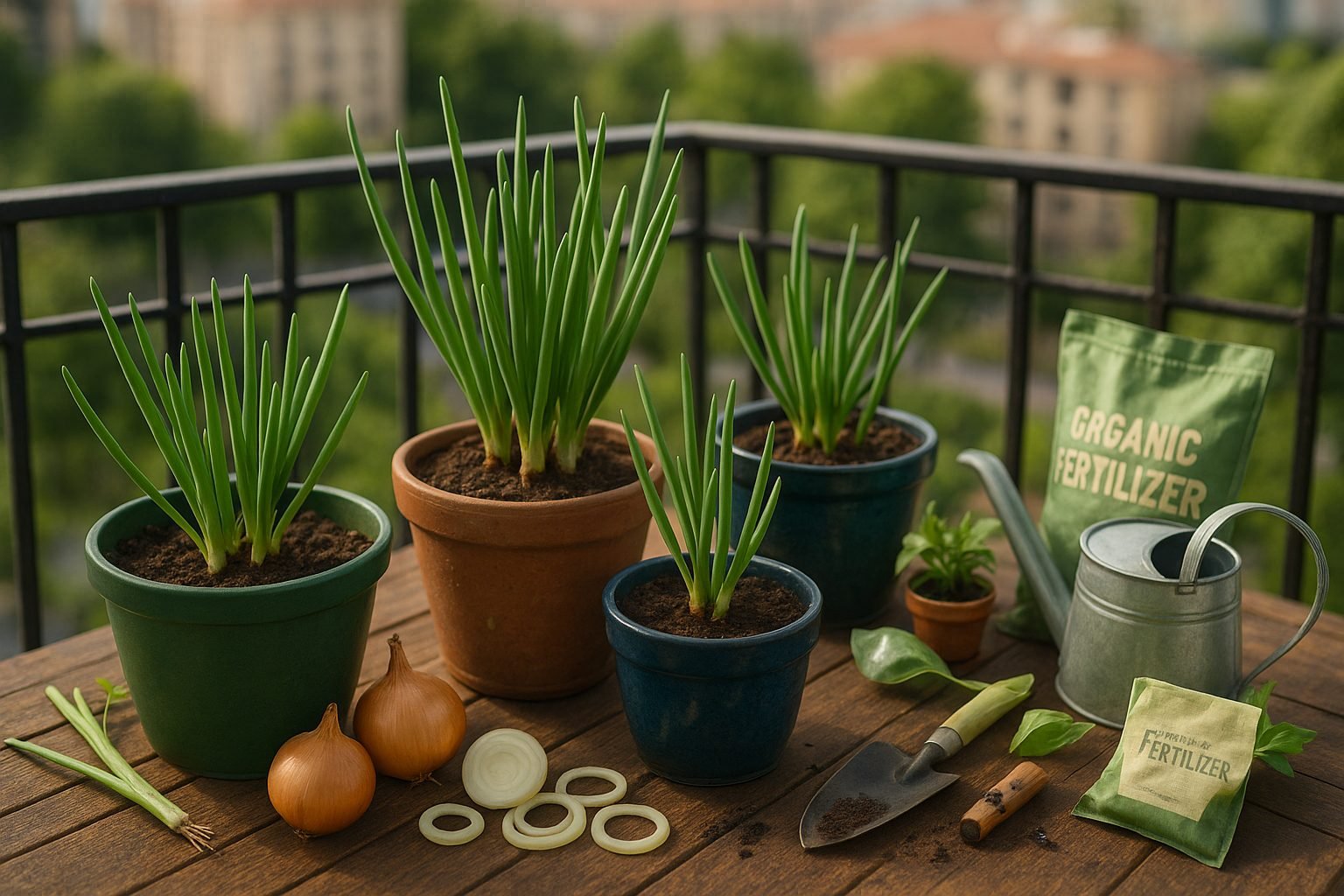
Growing onions for containers is a fantastic way to enjoy fresh, homegrown flavor even when space is limited. Whether you have a small balcony, a sunny patio, or just a windowsill, container gardening allows you to harvest tasty onions without needing a full backyard plot. The benefits go beyond just saving space—containers make it easier to control soil conditions, move your plants to the best sunlight, and protect against common garden pests like onion maggots and slugs.
But here’s the catch: not all onion varieties are equally suited for container gardening. Some types need more room to grow than a pot can provide, while others thrive in tight spaces with limited soil. That’s why choosing the right onions for containers is essential if you want a healthy harvest and the best yields possible.
In this post, we’ll break down which onion varieties are ideal for container growing, what to look for when selecting your seeds or sets, and share tips to help your onions flourish right at your doorstep. Get ready to discover the best onions for turning even the smallest space into a productive, delicious garden.
Understanding Onion Types: Bulbing vs. Bunching
When choosing onions for containers, it’s important to understand the two main onion types: bulbing and bunching. Bulbing onions are grown primarily for their large, round bulbs and include varieties like ‘Yellow Granex’ or ‘Walla Walla.’ Bunching onions, often called scallions or spring onions, don’t form substantial bulbs; instead, they produce slender stalks that you harvest and eat whole.
Bulbing onions need plenty of space for their roots and bulbs to expand, making them challenging to grow successfully in smaller containers. Their growth habit also requires a longer growing period and consistent moisture for the bulbs to develop properly. In contrast, bunching onions have a more compact root system and don’t require as much soil depth, thriving even in window boxes or small pots. Their upright, clumping growth habit makes them an easy, low-maintenance choice for gardeners with limited space.
Another factor to consider is the onion’s response to daylight, classified into short-day, long-day, and day-neutral varieties. Short-day onions form bulbs when daylight lasts 10–12 hours, while long-day onions do best with 14–16 hours of light. Day-neutral onions, sometimes called intermediate-day, begin bulbing when daylight is between 12–14 hours, regardless of the season.
For container growers—especially in regions with unpredictable daylight patterns—day-neutral bulbing onions and bunching onions are often the best match. These types are more forgiving of space limitations and erratic light and can be planted at various times throughout the year, making them a smart choice for both beginners and seasoned urban gardeners.
Top Bulbing Onion Varieties for Containers
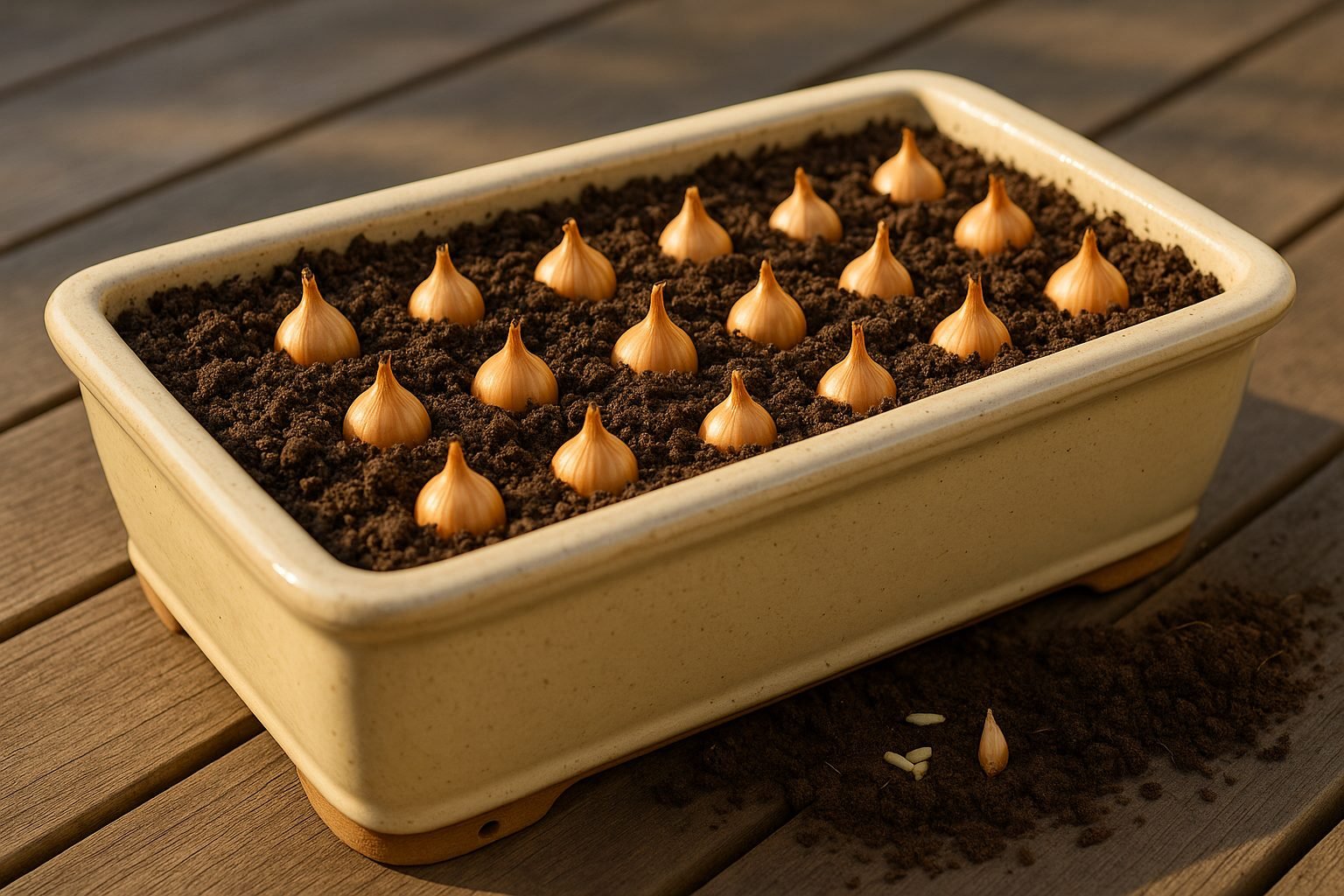
For gardeners wanting to grow flavorful bulbing onions for containers, choosing the right variety makes all the difference. ‘Crystal Wax’, also known as White Bermuda, is a top pick prized for its small, round, white bulbs and mild, slightly sweet flavor. This heirloom variety grows compactly—usually about 2 inches wide—making it perfect for pots where space is limited. Another favorite is ‘Mini Purplette’, known for its charming deep-purple bulbs that mature quickly in around 60 days. These mini onions have a sweet, mild taste and are great in salads or roasted as snacks; their small size ensures they won’t crowd the container. For a bold splash of color, try ‘Red Baron’. While technically a salad onion, it can bulb up nicely in larger containers and is loved for its crisp, ruby-red rings and tangy, robust flavor. All three varieties are reliable choices for beginners, offering strong germination and steady growth even in the confined space of pots.
Successfully growing bulbing onions in containers starts with the right setup. Use a container at least 8–10 inches deep to allow proper bulb development, as onions need enough soil depth for their bulbs to expand downward. Plant bulbs or starts 3–4 inches apart to prevent crowding, giving each onion enough room to grow. Fill the container with a well-draining, fertile soil mix enriched with compost or a balanced organic fertilizer—onions thrive in nutrient-rich conditions. Place the pot where it will receive at least 6 hours of full sun daily, since onions develop their best flavor and size under ample light. Keep the soil consistently moist but not soggy; steady moisture helps bulbs swell and prevents splitting. By choosing ‘Crystal Wax’, ‘Mini Purplette’, or ‘Red Baron’ and following these care tips, even gardeners with limited space can enjoy a rewarding onion harvest on their patios or balconies.
Best Bunching (Green) Onion Varieties for Pots
When it comes to growing onions for containers, bunching or green onion varieties are some of the easiest and most rewarding options. ‘White Lisbon’ is a longtime favorite among container gardeners, prized for its mild flavor, rapid growth, and resilience. This variety can be harvested just 60 days after sowing and is perfect for repeated cuttings—trim what you need, and the plants will regrow, providing a steady supply throughout the season.
Another great choice is ‘Ishikura,’ a Japanese variety that produces long, white stalks with almost no bulb formation. Its slender growth habit and shallow root system make it ideal for pots, window boxes, and even recycled plastic containers. For colder climates, ‘Evergreen Hardy White’ stands out for its remarkable frost tolerance, overwintering ability, and consistent harvests over many months.
All these bunching onions thrive in containers filled with loose, well-draining potting mix and need only about 6 inches of soil depth to flourish. Because green onions grow quickly, try succession planting by sowing seeds every 2–3 weeks; this ensures a fresh crop is always ready whenever you want a handful for salads, stir-fries, or garnishes. Bunching onions also tolerate crowding well, so you can plant seeds thickly—3–4 per inch—maximizing your small space.
With minimal effort, a sunny balcony or patio can produce an abundant, tasty harvest of these versatile green onions season after season.
Specialty & Mini Onions Worth Trying
When searching for onions for containers that go beyond the basics, specialty and mini varieties can add color, flavor, and diversity to your harvest. For example, ‘Purplette’ onions are an early-maturing variety with striking purple skin and a mild, slightly sweet taste. These petite onions are perfect for salads, roasting whole, or pickling while young. They thrive in containers thanks to their compact bulbs and fast growth—just make sure to space bulbs 3-4 inches apart for optimal development.
Another great option is the ‘Tokyo Long White’, also known as a Japanese bunching onion. Instead of forming large bulbs, this variety produces crisp, flavorful long white shafts and green tops, similar to scallions but with a richer onion flavor. They work beautifully in stir-fries, garnishes, and soups. Because ‘Tokyo Long White’ produces more foliage than bulbs, shallow window boxes or wide pots are ideal—just be sure to water regularly, as bunching onions dislike drying out.
Shallots, prized for their mild, subtly sweet flavor with hints of garlic, are another excellent choice. Essential in vinaigrettes, sauces, and French cuisine, their clustered bulbs make them a great value for small-space growers. When growing shallots in containers, use pots at least 8 inches deep and space sets a few inches apart. Keep the soil consistently moist but never soggy.
For all three varieties, using a rich potting mix and providing regular feeding will help maximize flavor and yields—making them unique and rewarding choices for any container garden.
Essential Container Growing Tips for Onion Success
Growing onions for containers is a smart way to enjoy fresh bulbs even when garden space is limited, but success depends on a few key essentials. Start with a container that’s at least 10-12 inches deep and has ample drainage holes—larger pots allow for more onions and promote healthy root growth. Use a high-quality, loose potting mix; onions thrive in well-drained, nutrient-rich soil with a pH between 6.0 and 7.0. Place your containers where they’ll get at least six hours of direct sunlight daily. Sunny balconies or patios work best since onions need plenty of light to develop full bulbs.
When planting onion sets or seeds, space them 3 to 4 inches apart to prevent crowding, which can stunt growth and encourage disease.
Consistent, moderate watering is crucial—onions don’t like to dry out, but soggy soil can cause rot. Keep the soil evenly moist, checking often during hot weather. Feed your onions with a balanced, slow-release fertilizer at planting, then switch to a high-phosphorus fertilizer once bulbs begin forming to encourage strong growth. Watch for signs of overcrowding, yellowing leaves, or spots on foliage; these can indicate fungal diseases or pests. To prevent problems, rotate your onion containers to a new spot each season, remove any dead plant debris, and avoid overwatering.
Since every inch of container space counts, pair onions with shallow-rooted herbs like chives, parsley, or lettuce—companions that won’t compete for root space. Avoid planting onions with beans or peas, which may hinder their growth. If space is really tight, consider vertical stacking planters, allowing you to grow onions on one level and other compact veggies above. With a bit of planning and attentive care, onions for containers can thrive, turning even a tiny patio into a productive kitchen garden.
Final Thoughts and Choosing the Right Variety
When it comes to growing onions for containers, the key is to experiment with a few different varieties to see what works best in your environment. No single onion type is perfect for everyone—what thrives on a sunny urban balcony in one area might not do as well in a shaded courtyard somewhere else. Start with popular container-friendly varieties like ‘White Lisbon’ for green onions, ‘Red Baron’ for a splash of color, or compact cipollinis for mild, sweet bulbs.
Remember, smaller or bunching onions usually perform best in containers. To maximize your harvest, choose deep containers with good drainage, use rich, loose soil, and make sure your onions get plenty of sunlight. Consistent watering and occasional fertilization are also crucial. Don’t hesitate to mix a couple of varieties in the same pot and watch to see which ones thrive—they might surprise you!
As a next step, consider keeping a simple garden journal to track your experiences and progress. For those ready to dive deeper into container gardening, local gardening groups, online forums, or extension service websites can offer helpful variety recommendations and troubleshooting tips. With patience and curiosity, you’ll soon discover the best onions for containers that suit your space and taste.