Introduction
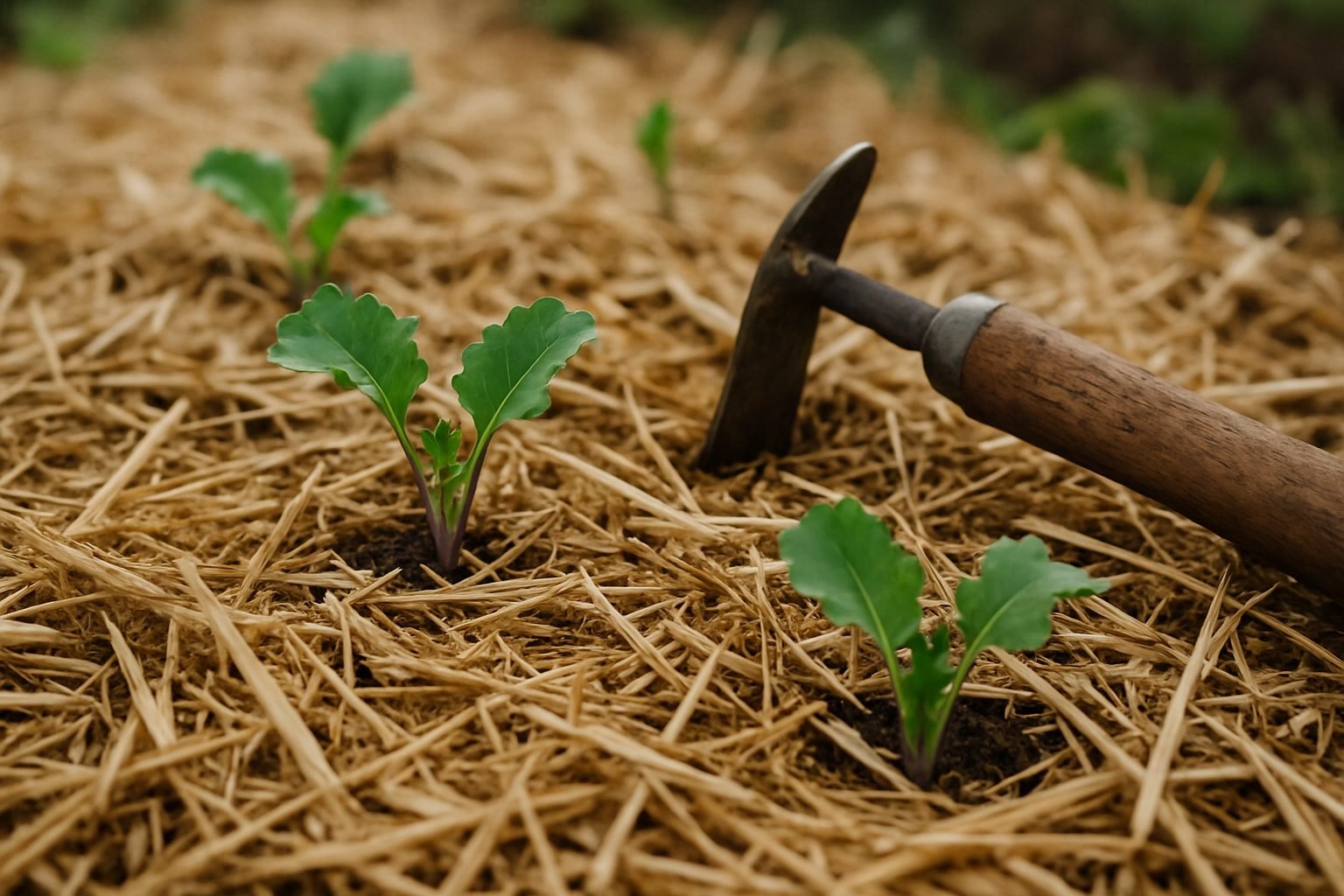
kale in straw mulch is becoming a popular topic among backyard gardeners and homesteaders. As a nutrient-dense leafy green packed with vitamins and minerals, kale has earned its place in everything from green smoothies to crunchy salads. With growing interest in sustainable and low-maintenance gardening, many are exploring alternative planting mediums like straw and hay instead of traditional soil. This shift raises important questions about how these materials affect the growth, health, and yield of this beloved vegetable. In this article, we’ll explore whether you can successfully grow kale in straw mulch, the advantages and challenges you might face, and practical tips to help you get started. Whether you’re dealing with poor soil or want a cleaner, weed-suppressing mulch, we’re here to help you decide if this method is right for your kale patch.
What’s the Difference Between Straw and Hay?
Straw and hay may look similar at first glance, but their differences matter a lot, especially when deciding whether to grow kale in straw mulch. Straw is the hollow, dry stalk left after grains like wheat, barley, or oats have been harvested. It has very little nutritional value, which is why it’s commonly used for animal bedding, garden mulch, or thatched roofs.
Hay, on the other hand, consists of cut and dried grasses, legumes, or other green plants. It’s rich in seeds, nutrients, and sometimes even wild weeds. Because of this, hay is mainly used as animal feed—not ideal for mulching edible crops.
When growing vegetables like kale, it’s important to know the difference because the wrong mulch can cause weed issues and unwanted contamination. Straw is preferred in gardens because its low seed content means you won’t accidentally plant a bed of weeds. It also helps regulate soil temperature, retain moisture, and allows roots to breathe, all of which support kale’s growth.
In contrast, hay can introduce many weed seeds into your soil and breaks down faster, sometimes creating a soggy, matted layer instead of a light, airy mulch. Straw decomposes slowly, adding a bit of organic matter that gradually enriches your garden bed. Meanwhile, hay’s richer nutrients and quick breakdown can cause nitrogen imbalances and encourage unwanted plant growth.
In summary, when growing kale in straw mulch, choosing straw over hay isn’t just tradition—it’s a practical decision that leads to cleaner, healthier crops and fewer problems in your veggie garden.
The Pros and Cons of Growing Kale in Straw Mulch
Growing kale in straw mulch or hay offers several benefits, especially for gardeners looking for a low-maintenance, eco-friendly method. One major advantage is weed suppression: a thick layer of straw or hay blocks light, significantly reducing weeds competing with kale for nutrients and water. This mulch also excels at retaining moisture, keeping the soil consistently damp by minimizing evaporation—especially helpful during hot spells when kale needs regular hydration. Additionally, both straw and hay act as insulators, helping to moderate soil temperatures during cold snaps or heat waves, which supports healthy root growth and more resilient plants.
However, there are some challenges to consider. Straw and hay mulches can temporarily tie up nitrogen as they decompose, potentially limiting nutrients for heavy feeders like kale. This issue is more noticeable if the straw is applied thickly or not supplemented with early side-dressings of compost or organic fertilizer. The decomposition rate also matters: straw usually breaks down slowly, providing longer-lasting coverage, while hay decomposes faster and often requires more frequent replenishing. Hay, in particular, often contains viable seeds, which can introduce new weeds instead of suppressing them—a frustrating result for gardeners aiming for low maintenance. Both straw and hay can also harbor slugs and other pests drawn to the cool, damp environment, so it’s wise to inspect your mulch regularly.
When comparing straw versus hay, straw is typically preferred for kale cultivation because it contains fewer weed seeds and decomposes at a steady rate, offering reliable insulation and weed control with less risk of unwanted plants. Hay can boost soil fertility as it breaks down, but unless seed-free, it’s usually more trouble than it’s worth for kale beds. If you choose to mulch your kale with either material, sourcing seed-free, untreated options and supplementing with organic nutrients will deliver the best results.
How to Prepare Straw or Hay Beds for Kale
Growing kale in straw mulch or hay beds is a practical and sustainable way for gardeners to maximize yields with minimal soil disturbance. Start by selecting clean straw or hay that’s free of weed seeds. Straw, usually made from cereal grain stems like wheat or oats, is less likely to introduce weeds than traditional hay, which contains various grasses and often seeds. When sourcing, check with your supplier to ensure the material is free of persistent herbicides that could harm your kale crop.
For straw or hay bale beds, arrange the bales in a sunny spot with good air circulation—this encourages healthy kale growth and helps prevent fungal diseases. If you’re laying down straw mulch instead of using whole bales, spread it about 4–6 inches deep over your planting area to suppress weeds and retain moisture. Just be sure not to pile mulch against the kale stems to avoid rot.
Before planting kale in straw mulch or bales, it’s important to condition the straw or hay to create an ideal root environment. For bale gardening, start conditioning the bales 10–14 days before planting by soaking them thoroughly with water daily and applying a nitrogen-rich fertilizer—like blood meal, fish emulsion, or a high-nitrogen granular product—following package instructions. This helps jump-start decomposition and makes nutrients more available to the kale.
If you’re using straw mulch on soil, enrich the soil beneath with compost or a balanced organic fertilizer before spreading the mulch. This ensures the kale gets the nutrients it needs as roots grow through the mulch. Once conditioned, poke or cut holes into the bales and fill them with a mix of compost and potting soil, or simply part the mulch to plant directly into the enriched soil.
Finally, keep the straw mulch consistently moist—but not soggy—to support strong, rapid kale growth. A soaker hose or drip irrigation system works great for maintaining steady moisture. With proper preparation, your straw or hay beds will provide a lush, weed-suppressing environment where kale can thrive all season long.
Planting and Caring for Kale in Straw Mulch
Growing kale in straw mulch beds is a practical, low-maintenance method that promotes healthy plants while helping to suppress weeds and retain soil moisture. To start, you can either sow kale seeds directly into the straw or transplant seedlings. For direct seeding, simply part the mulch to expose a narrow strip of soil, sow the seeds at the recommended depth (about ¼ to ½ inch), then loosely cover them with straw to retain moisture without smothering the seeds. If transplanting, use a hand trowel to clear away mulch in a circle wide enough for each seedling (about 6–12 inches apart), set the plant with its roots in contact with the soil, and gently pull the mulch back around the stem to insulate roots and suppress weeds. Whether seeding or transplanting, ensure good contact between seed or root ball and soil for healthy growth.
Kale grown in straw mulch requires consistent moisture, especially during germination and early growth. While straw helps conserve water, it’s important to check soil moisture by feeling beneath the mulch; water deeply when the soil feels dry about an inch below the surface. Avoid overwatering, as excessive moisture can lead to root rot or fungal diseases. As straw decomposes, it adds organic matter to the soil, but since kale is a heavy feeder, it benefits from added nutrients. Apply a balanced, slow-release organic fertilizer or top-dress with well-rotted compost halfway through the growing season. Since kale thrives in full sun, choose a spot that receives at least 6 hours of direct sunlight daily to encourage strong, vigorous leaves.
Watch for signs of nutrient deficiencies or pests: pale leaves may signal nitrogen shortage, which can be corrected with a nitrogen-rich side-dressing. Yellowing or curling leaves could indicate waterlogged roots or disease. Check for insect pests like aphids hiding beneath straw and leaves; a strong spray of water or insecticidal soap can help control them. Straw mulch may also attract slugs and snails—place a shallow dish of beer as a trap nearby or handpick pests early in the morning. Regularly fluff or reposition the mulch to prevent compaction and maintain airflow, ensuring your kale thrives in this nurturing, low-input system.
Potential Challenges and How to Address Them
Growing kale in straw mulch comes with its own set of challenges, but with a little know-how, you can manage them effectively. One common issue is nitrogen deficiency. Since straw—especially if not fully decomposed—can tie up nitrogen in the soil, it may slow kale growth and cause yellowish, pale leaves. To prevent this, enrich the soil with a balanced organic fertilizer or supplement with blood meal or well-rotted compost before applying the mulch. If you notice slow growth or yellowing leaves, it’s a sign that nitrogen is lacking—top-dress with more fertilizer around your plants.
Weed seeds can also be a problem, particularly if you’re using hay instead of straw. Hay often contains grass and weed seeds that can sprout and compete with your kale. To avoid this, use seed-free straw whenever possible. If hay is your only option, apply a thick mulch layer and promptly remove any emerging weeds; frequent checks will help you stay ahead.
Moisture management is another challenge. Straw mulch can sometimes retain too much water, leading to rot, or let the soil dry out if applied too thinly. Aim for a 2-3 inch layer of mulch—this helps maintain soil moisture while allowing airflow. Check soil moisture regularly by poking your finger into the earth; if it’s soggy, peel back the mulch slightly to improve drying. If plants wilt or roots become mushy, reduce watering and increase airflow.
With careful observation and quick responses, kale thrives in straw mulch environments.
Final Thoughts: Is Straw or Hay Right for Your Kale Garden?
Choosing whether to grow kale in straw mulch or hay ultimately depends on your unique gardening needs and environment. Here’s a quick checklist to help you decide:
- Do you have easy access to straw or hay, and can you source it chemical-free?
- Are you aiming to suppress weeds and retain soil moisture, which straw mulch excels at?
- Are you concerned about weed seeds—more common in hay unless you get high-quality, seed-free bales?
- Do you need a medium that quickly adds organic matter to your soil, as both materials break down and feed microbes over time?
- If your climate is damp, straw’s better airflow may help prevent plant diseases.
For those ready to give it a try, check out local farm supply stores or gardening centers for clean mulch options. Explore guides on mulching best practices and companion planting with kale. The Rodale Institute and your local cooperative extension office are great resources for tips on organic mulching and sustainable gardening.
Growing kale in straw mulch or hay is an experiment worth trying, so we invite you to share your results, tips, and questions below. Your insights can help fellow gardeners find what works best in their own backyards.