Introduction
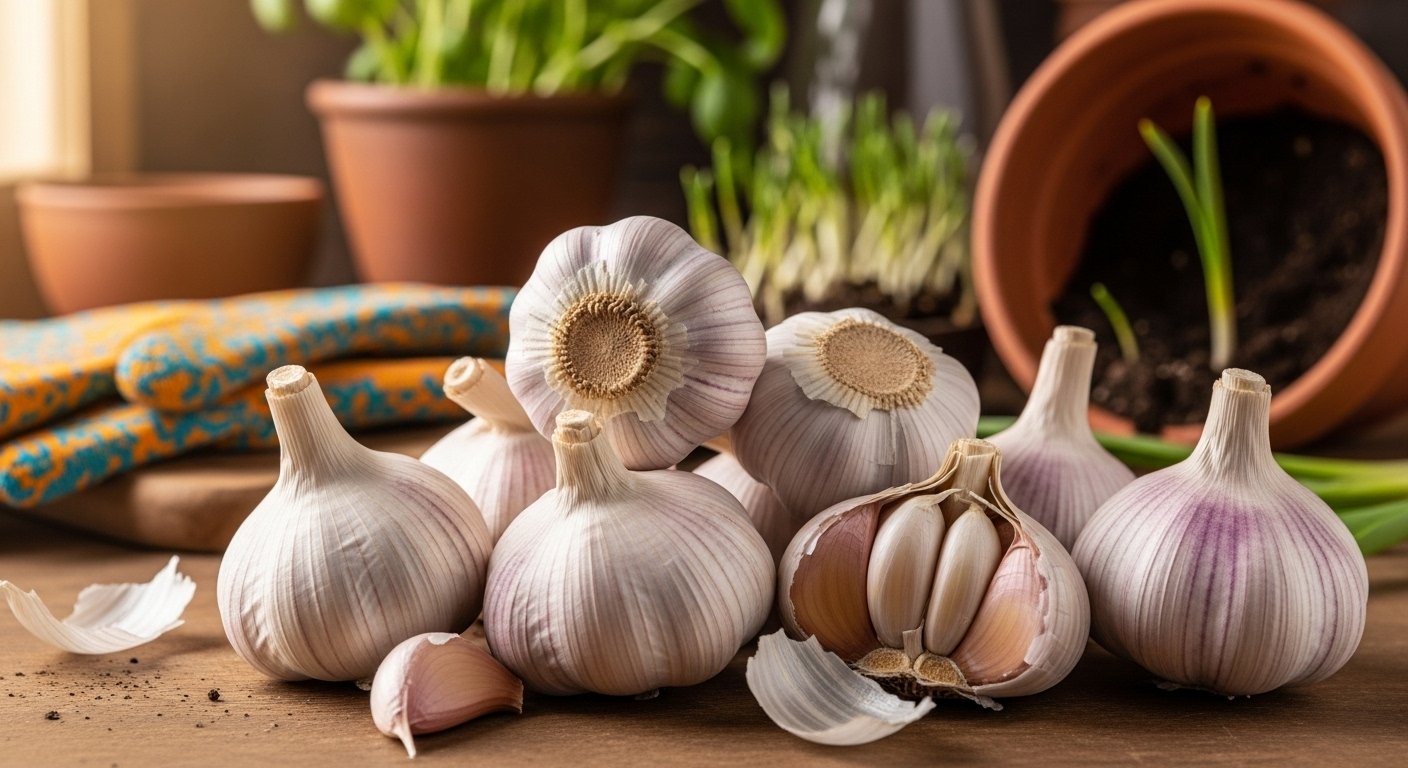
Small garlic bulbs are exactly what they sound like—garlic heads that stay much smaller than the large, plump bulbs you usually find at grocery stores or farmers’ markets. Unlike conventional garlic, which typically has 8 to 12 full-sized cloves wrapped neatly in a sturdy papery skin, small garlic bulbs often contain fewer cloves and are about the size of a large grape or marble. Sometimes, they even resemble oversized shallots or miniature onions, making them easy to spot in the garden or on your kitchen counter.
As more home cooks and gardeners try their hand at growing their own produce, small garlic bulbs have been gaining popularity. Some people love their unique, concentrated flavor and quicker cooking times, while others appreciate their decorative charm when braided or bunched together. Gardeners are discovering that smaller bulbs can result from environmental conditions, garlic variety, or planting techniques, sparking interest in how to grow the best ones.
In this article, we’ll dive deep into the world of small garlic bulbs—exploring what causes them, how to identify and use them in your favorite recipes, and tips for successfully cultivating them in your backyard garden. Whether you’re troubleshooting your latest harvest or looking for new culinary inspiration, you’ll find practical advice right here.
Types of Garlic and Where Small Bulbs Fit In
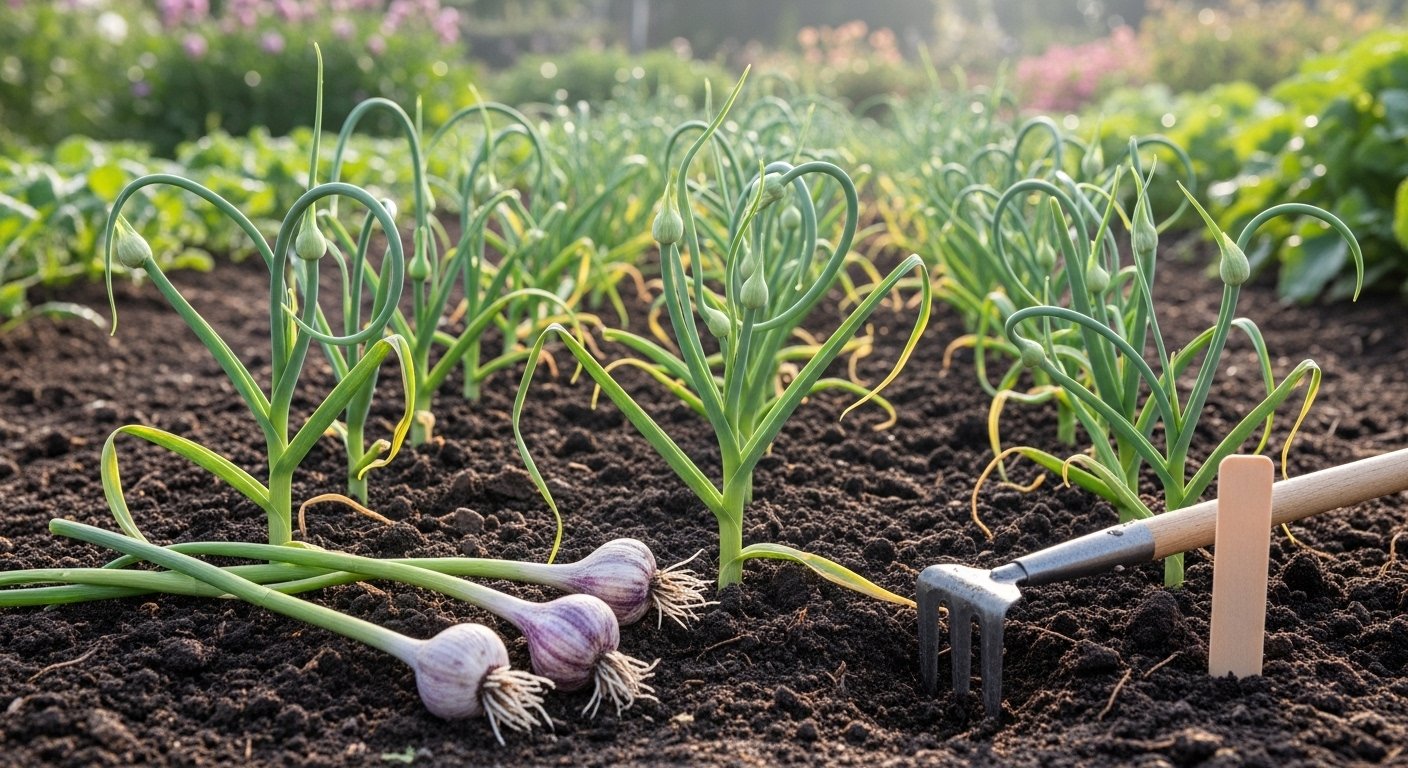
Garlic comes in two main categories: hardneck and softneck, each with its own unique traits. Hardneck garlic, like Rocambole or Purple Stripe varieties, typically has a central flowering stalk (called a scape) and thrives in colder climates. Softneck types, such as Silverskin or Artichoke, lack a scape and are common in grocery stores because they store longer and grow well in milder regions.
When it comes to small bulbs, certain subvarieties within both categories tend to produce more compact heads—especially older heirloom or gourmet strains selected for unique flavors rather than size. For example, “Chileno Red” (a softneck) or “Creole” hardnecks are prized for their complex taste and often come in smaller packages.
But bulb size isn’t just about variety. Genetics play a big role—some garlic is simply bred to be small. Local climate matters, too, since high heat, drought, excessive moisture, or a short growing season can stunt bulb development. Soil conditions also affect size: compacted or nutrient-poor earth can yield smaller garlic, regardless of type.
To encourage bigger bulbs, make sure to plant seed garlic in well-drained, rich soil, space cloves apart, and water consistently. However, many gardeners actually seek out small-bulbed garlic for their intense flavor and easy-to-peel cloves, making them a gourmet favorite even though they don’t always steal the show at first glance.
Whether you prefer large or tiny bulbs, understanding their origins helps you pick the right type for your garden—or your kitchen.
Why Choose Small Garlic Bulbs? Benefits & Uses
Small garlic bulbs pack a surprising punch in both flavor and practicality, making them a smart choice for home cooks. One standout advantage is their concentrated taste—small bulbs often have a more intense, aromatic flavor compared to larger ones. This means you can use less to achieve a bold impact in your recipes.
This makes them perfect for dishes where garlic is meant to shine, like in a vibrant pesto, fresh salsa, or as a finishing touch on roasted vegetables. Roasting small garlic bulbs is incredibly easy; their size allows them to cook quickly and evenly, developing a caramelized sweetness without the risk of overcooking or drying out.
They also tend to have a longer shelf life due to their lower moisture content, which helps reduce the chances of sprouting or spoilage, leading to less waste in your kitchen. If you ever find yourself tossing out half-used, oversized cloves, you’ll appreciate how small bulbs are just the right size for single use in dressings, marinades, or stir-fries.
Nutritionally, small garlic bulbs offer the same health benefits as their larger counterparts—they’re rich in antioxidants, vitamin C, and allicin, a compound known for its immune-boosting and anti-inflammatory properties.
Choosing small garlic bulbs lets you maximize both flavor and freshness, especially in recipes that benefit from precise garlic notes without overpowering the dish, such as delicate seafood, soups, or salad dressings.
How to Identify Quality Small Garlic Bulbs
When choosing quality small garlic bulbs, start by examining their appearance closely. Look for bulbs that are compact and feel heavy for their size, a sign they’re packed with healthy cloves. Each clove should be plump, not flat or hollow, and tightly wrapped in smooth, papery skin.
Good skin will be white to off-white with possible streaks of purple (depending on the variety), but avoid bulbs showing yellowing, which signals aging. When you press the bulb gently, it should feel solid and not give way under your fingers—softness can indicate deterioration or rot.
Aroma is another great indicator: fresh garlic gives off a robust, spicy scent, so steer clear of bulbs that smell musty or weak. Inspect for freshness by checking that none of the cloves are sprouting green shoots; this means the bulb has been stored too long and the flavor can turn bitter. Likewise, reject garlic with shriveled cloves or signs of mold, which often appears as gray or fuzzy spots on the skin.
To ensure quality from store to kitchen, buy garlic with dry, intact skins and store it in a cool, dry place away from sunlight to maintain its freshness as long as possible.
Growing Small Garlic Bulbs at Home
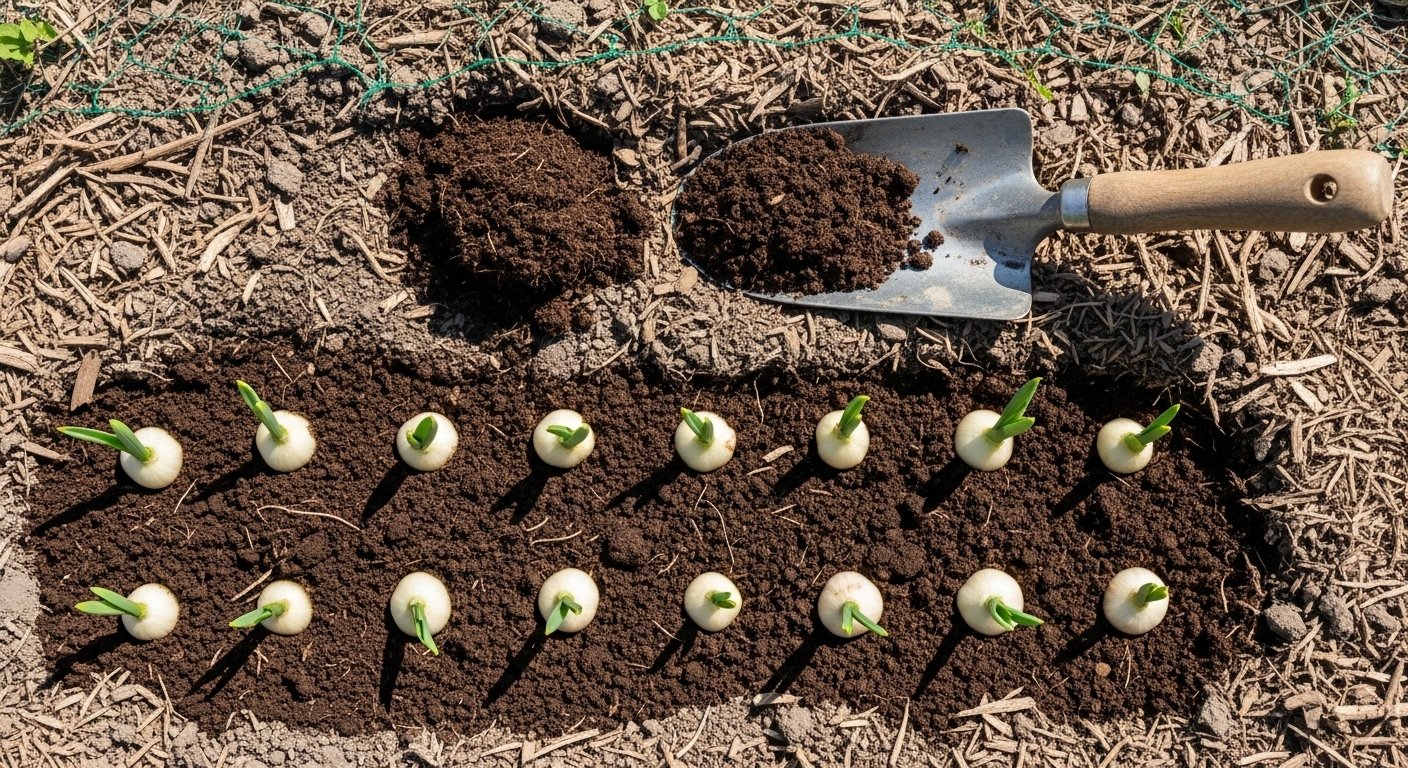
Growing small garlic bulbs at home is simple, rewarding, and doesn’t require much space. Start with well-draining soil enriched with compost or aged manure—a loose sandy loam is ideal, as compact or waterlogged soil can reduce bulb size.
Plant your garlic in early fall, around four to six weeks before the ground freezes, to give roots time to establish. Create shallow furrows and plant individual cloves pointy-end up, spacing them about 3 to 4 inches apart for smaller bulb varieties.
Compact varieties like ‘Creole Red’ or ‘Chinese Pink’ are excellent choices for beginners, as they reliably produce petite bulbs packed with flavor. For the best results, seek certified disease-free garlic bulbs from reputable garden centers, local farmers’ markets, or trusted online retailers like Filaree Farm and Seed Savers Exchange.
Special techniques for growing small-bulb garlic include withholding excess nitrogen in spring and only lightly mulching, as heavy mulching can sometimes promote overly large bulbs in vigorous varieties. Water deeply but infrequently, allowing soil to dry out slightly between waterings, and remove garlic scapes (the flowering stalks) to redirect energy to the bulbs.
Harvest when the lower leaves turn yellow but before the entire plant dies back, typically in early to midsummer. With these steps, even gardeners with limited space or experience can successfully grow and enjoy homegrown small garlic bulbs perfect for culinary use.
Creative Ways to Use Small Garlic Bulbs in Cooking
Small garlic bulbs are perfect for experimenting in the kitchen because their tiny cloves pack a punch of flavor that’s often sweeter and less harsh than larger varieties.
Try making garlic confit by simmering the peeled cloves gently in olive oil until they’re buttery soft—spread them on crusty bread or blend into mashed potatoes for a rich, mellow taste.
Roasting whole small bulbs brings out their natural sweetness; just trim the tops, drizzle with olive oil, wrap in foil, and bake until golden. Then, squeeze the caramelized cloves onto pizza or vegetables for a burst of flavor.
For vinaigrettes and sauces, finely mince the tiny cloves and whisk them into dressings to give a subtle yet complex garlic note.
Peeling small cloves can be a hassle, but smashing them lightly with the side of a knife helps the skins slip off quickly.
Don’t be afraid to play around—because of their delicate flavor, small garlic bulbs are ideal for letting garlic shine without overpowering your dish.