Introduction
If you’ve ever found yourself standing in the grocery store or at a plant nursery wondering about hardneck vs. softneck garlic, you’re not alone. Garlic is a fundamental ingredient in cuisines around the world and a rewarding crop for gardeners of all experience levels. But not all garlic is created equal—there are two main types you’ll encounter: hardneck and softneck.
At first glance, the bulbs might look similar, but their differences make a big impact both in the kitchen and in the garden. Hardneck garlic typically offers bolder flavors and produces flower stalks known as “scapes,” while softneck varieties are favored for their longer storage life and braiding potential.
For home cooks, the choice can influence everything from taste to how you store your harvest. For gardeners, climate adaptability and growing habits are critical factors. Understanding hardneck vs. softneck garlic means you’ll not only pick the best variety for your recipes but also set yourself up for a thriving harvest.
In this post, we’ll dive into the essential differences, with practical tips on how to choose the right type for your needs, whether you’re planning your next meal or planting your next crop.
Hardneck vs. Softneck Garlic: Key Differences
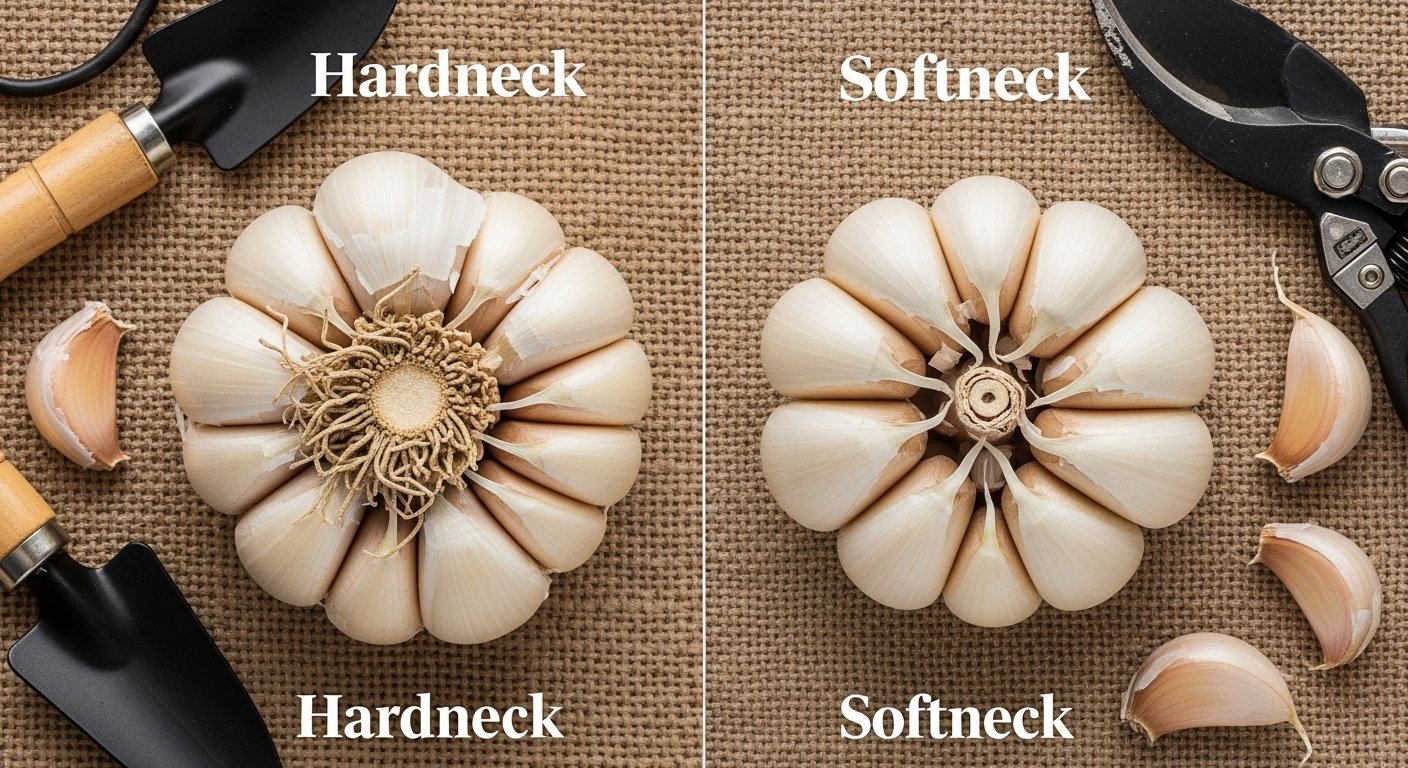
Hardneck and softneck garlic are the two main categories you’ll find, each with its own unique qualities and uses. Hardneck garlic is named for its stiff, woody central stem, called a scape, that grows right up through the center of the bulb. In contrast, softneck garlic lacks this hard central stalk; instead, its leafy stems stay soft and flexible, making these bulbs easy to braid for storage.
Physically, you’ll notice hardneck garlic usually has fewer but larger cloves arranged in a single ring around the stem, which means they’re easier to peel and great for quick kitchen prep. Softneck garlic, on the other hand, tends to produce more cloves—often smaller and in multiple layers—which can be a bit fiddlier but offers more bulblets to use in recipes.
When it comes to growing regions, hardneck types thrive in colder climates with harsh winters, such as the northern U.S., Canada, and parts of Europe, while softneck garlic prefers milder regions like California and the Mediterranean, where winters are less severe.
For gardeners, a big advantage of hardneck garlic is its ability to produce flavorful garlic scapes, which you can harvest and enjoy in dishes like stir-fries or pestos. These varieties, however, usually don’t store as long as softneck garlic, which can last up to nine months in your pantry and is ideal if you want a steady supply over the seasons. Softneck’s tighter, protective skins help with storage but can make peeling a little more tedious.
Culinary-wise, hardneck garlic is often praised for its bold, complex flavor that shines in raw or lightly cooked dishes, while softneck is more subtle and is the classic choice for roasted garlic or everyday cooking.
Ultimately, your choice depends on your climate, storage needs, and kitchen preferences; some gardeners even grow both to get the best of both worlds.
Climate and Growing Conditions for Each Type
Choosing the right garlic type for your region starts with understanding the climate each variety prefers. There are two main types: hardneck and softneck.
Hardneck garlic, like Rocambole or Purple Stripe, thrives in colder climates with harsh winters—they need 30 to 40 days below 40°F to develop large, healthy bulbs. Their natural winter hardiness makes them a great choice for northern gardeners or anyone whose region experiences deep freezes.
On the flip side, softneck garlic, including popular varieties like Silverskin and Artichoke, does best in warmer, milder areas where winters are short or almost frost-free. They don’t require that prolonged chill and tend to store longer after harvest, making them ideal for southern growers.
A common misconception is that garlic can’t handle heat or won’t survive winter. While softnecks may struggle with cold snaps and hardnecks can bolt in scorching climates, gardeners can usually find a variety that matches their local weather.
For adaptable options, look for “Creole” or “Asiatic” types, which perform well in a wider range of conditions. If you’re unsure, ask local farmers or nurseries what grows best in your area, or check cooperative extension resources.
Don’t be afraid to experiment with small patches of different types the first year—results may surprise you, and one variety might outperform others in your unique microclimate.
The main takeaway: garlic isn’t one-size-fits-all. Matching what you plant to your climate is the best way to ensure a strong, flavorful harvest year after year.
Flavor, Cooking Use, and Common Varieties
Garlic offers a diverse palette of flavors, intensities, and culinary possibilities, making it a kitchen essential worldwide. Hardneck garlic, often described as bold, complex, and sometimes spicy, is favored for its robust heat and layered undertones ranging from tangy to slightly sweet.
Popular hardneck varieties include Rocambole, known for its rich, earthy bite, and Purple Stripe, which boasts a pleasantly pungent hit ideal for roasting or adding depth to stews. A distinctive feature of hardneck types is their edible scapes—tender, curly flower stalks that appear in early summer. Chefs prize garlic scapes for their mild garlic essence and crisp texture, perfect for quick sautés, pesto, or tossing into salads and stir-fries for a gentle kick without overwhelming raw heat.
On the other hand, softneck garlic is typically milder, creamier, and subtly sweet, making it the go-to for classic supermarket bulbs. Common softneck varieties like Silverskin and Artichoke excel when used raw in dressings, thinly sliced into salads, or slow-roasted to bring out caramelized sweetness. Their longer shelf life also makes them ideal for storage and braiding.
When choosing a garlic type, consider both the intensity of flavor and your preferred preparation. If you love bold, assertive notes in dishes like roasted meats or want to experiment with fresh scapes, opt for hardneck varieties. If you prefer something mellower for raw applications or need garlic that stores well year-round, softneck is a safer choice.
For the best results, sample different garlic types in your favorite recipes—from mashed potatoes with nutty hardneck to soft, spreadable roasted softneck—and discover which flavor profile brings your cooking to life.
Planting and Growing Tips: Hardneck vs. Softneck
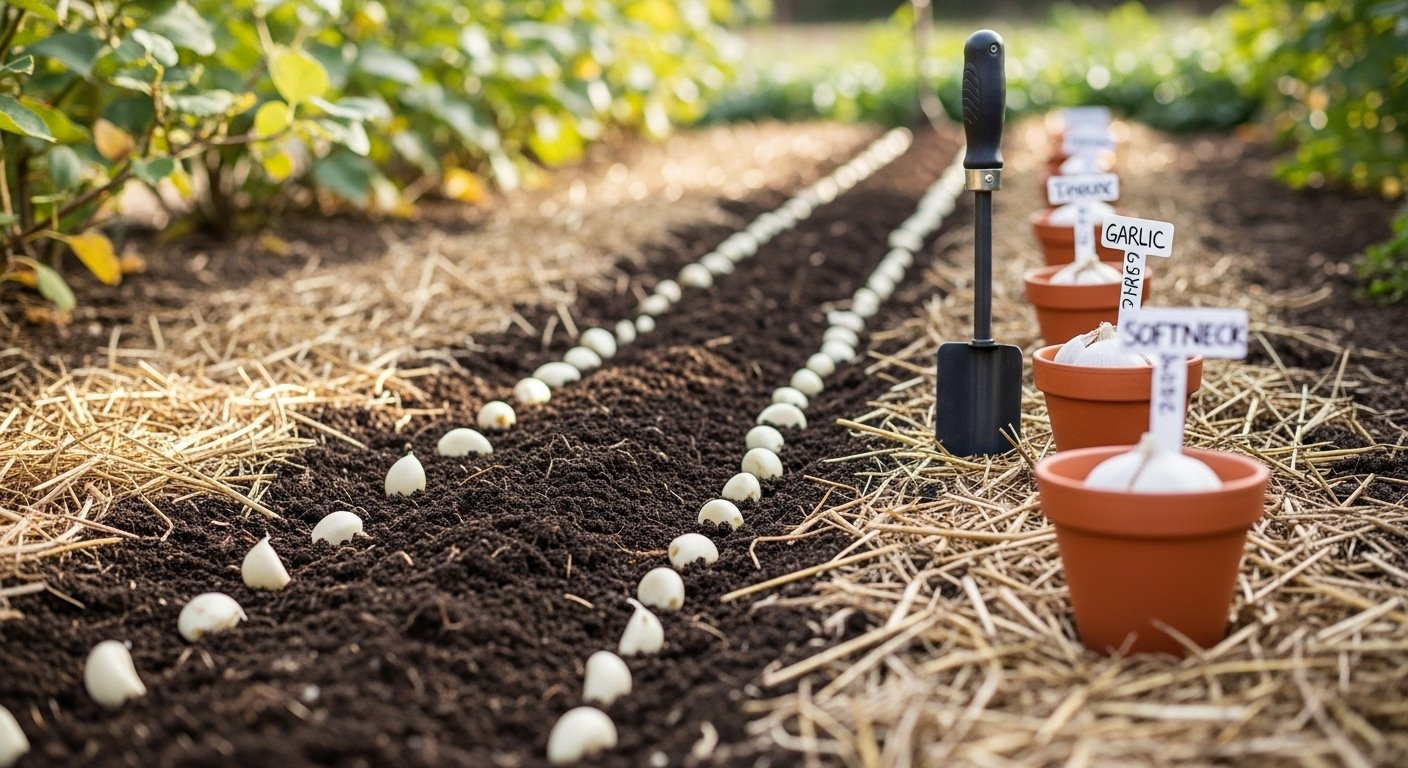
When planting garlic, timing, depth, and spacing differ slightly between hardneck and softneck varieties, so it’s worth planning ahead. For both types, aim to plant garlic cloves in the fall, about 4-6 weeks before your ground freezes, though gardeners in warmer climates can sometimes plant softneck varieties in early spring.
Hardneck garlic needs cloves planted about 2 inches deep, spaced 4-6 inches apart, with rows 8-12 inches apart. Softneck garlic can be planted a bit shallower, around 1 inch deep, and closer together, roughly 4 inches apart, since their bulbs don’t grow as large.
Cover your cloves with soil and apply a thick layer of mulch, like straw or leaves, to protect them from winter temperature swings—especially critical for hardneck types, which are more cold-hardy but still benefit from stable conditions. Water both varieties well after planting, then ease off during winter and resume regular watering in spring if the weather is dry.
Hardneck garlic is unique in that it sends up scapes (flower stalks) in late spring. Snapping off these curly scapes redirects the plant’s energy toward growing bigger bulbs instead of flowers, and many gardeners enjoy eating the tender scapes in stir-fries or pestos.
Softneck garlic doesn’t produce scapes, which simplifies maintenance, but it needs a bit more attention in hot or humid regions, as its bulbs can be prone to rot—ensure they’re never sitting in soggy soil.
Watch for weeds, as garlic hates competition, and keep beds weeded and well-mulched. Remember, softnecks store far longer after harvest—sometimes up to a year—so planting a mix can offer fresh garlic through all seasons.
Whether you choose hardneck for its complex flavor and scapes, or softneck for longer storage and more prolific harvests, careful attention to planting and maintenance will ensure success and a plentiful garlic supply.
Harvesting, Storing, and Shelf Life
When it comes to harvesting garlic, timing and technique make all the difference for quality and storage. For hardneck garlic, watch for about half the lower leaves turning brown before gently loosening the soil with a garden fork and pulling the bulbs out by the stem. Harvesting too early will result in bulbs that won’t store well, while harvesting too late can cause their wrappers to split.
Softneck garlic matures a little later; wait until most leaves have yellowed, then lift the bulbs carefully to avoid bruising. Once harvested, curing is key for both types: spread bulbs in a single layer or hang them (especially hardnecks) in a warm, dry, shaded area with good airflow for two to three weeks.
After curing, trim roots to ¼ inch and cut stalks on hardneck varieties to about one inch above the bulb. With softneck garlic, you can either trim the stalks or braid them for storage. For best storage, keep garlic in mesh bags or baskets in a cool (around 60°F), dry place away from sunlight—avoid airtight containers, which can cause mold.
Hardneck garlic typically stores well for four to six months, while softneck types can last up to nine months or longer when properly cured and kept dry. Softnecks have an edge in shelf life thanks to their tighter, more protective wrappers.
Regardless of type, only store sound, unbruised bulbs, and check regularly for sprouts or mold—remove any affected bulbs promptly. To prevent sprouting, never refrigerate cured garlic, as cold temperatures trigger growth. Maintain consistent temperatures and humidity below 60%.
For added protection against mold, toss a packet of silica gel into your storage basket or line it with paper towels to absorb moisture. Taking these few extra steps will keep your homegrown garlic flavorful and firm until you’re ready to enjoy it.
Choosing the Right Garlic for Your Garden or Kitchen
Picking the perfect garlic hinges on a few key factors that can make a big difference, whether you’re planting bulbs in your backyard or selecting heads at the market.
First, consider your local climate—softneck garlic thrives in milder regions and is the typical supermarket variety, while hardneck types prefer cold winters and reward northern gardeners with robust flavor and beautiful scapes in early summer.
In the kitchen, flavor profiles range from the spicy kick of Rocambole hardnecks to the milder, more familiar taste of Artichoke softnecks, making some better for raw dishes and others ideal for mellow roasting.
If you cook a lot and want a handy supply, softnecks generally store longer, lasting up to nine months, while hardnecks are best used within four to six months.
For the adventurous home cook or avid gardener, try planting or cooking with several varieties at once—perhaps a classic softneck for everyday meals, a bold hardneck for special occasions, and an elephant garlic for mild, onion-like notes.
Experimenting with a mix lets you discover which garlics suit your palate, recipes, and storage space best, so don’t be afraid to branch out at local markets or seed catalogs—you might find a new favorite that elevates your cooking or garden harvests.
Conclusion: Making the Most of Your Garlic Crop
Choosing between hardneck and softneck garlic depends on your climate, taste preferences, and storage needs. Hardneck varieties thrive in colder areas and offer complex flavors, while softneck types are more adaptable and store longer—perfect for braiding and keeping your pantry stocked well into the year.
If space allows, try planting both types in your garden to see which performs best in your conditions and which flavors you enjoy most in your recipes. Experimenting with different planting times and mulching can also help you achieve a bigger, healthier harvest.
Don’t forget: harvesting at the right time—usually when the lower leaves start to yellow—ensures bulbs reach their full size and flavor potential. By keeping notes each season, you’ll fine-tune your garlic-growing skills and enjoy a steady supply for cooking or gifting.
With a little care, your homegrown garlic can easily become a kitchen staple you’re proud of year after year.