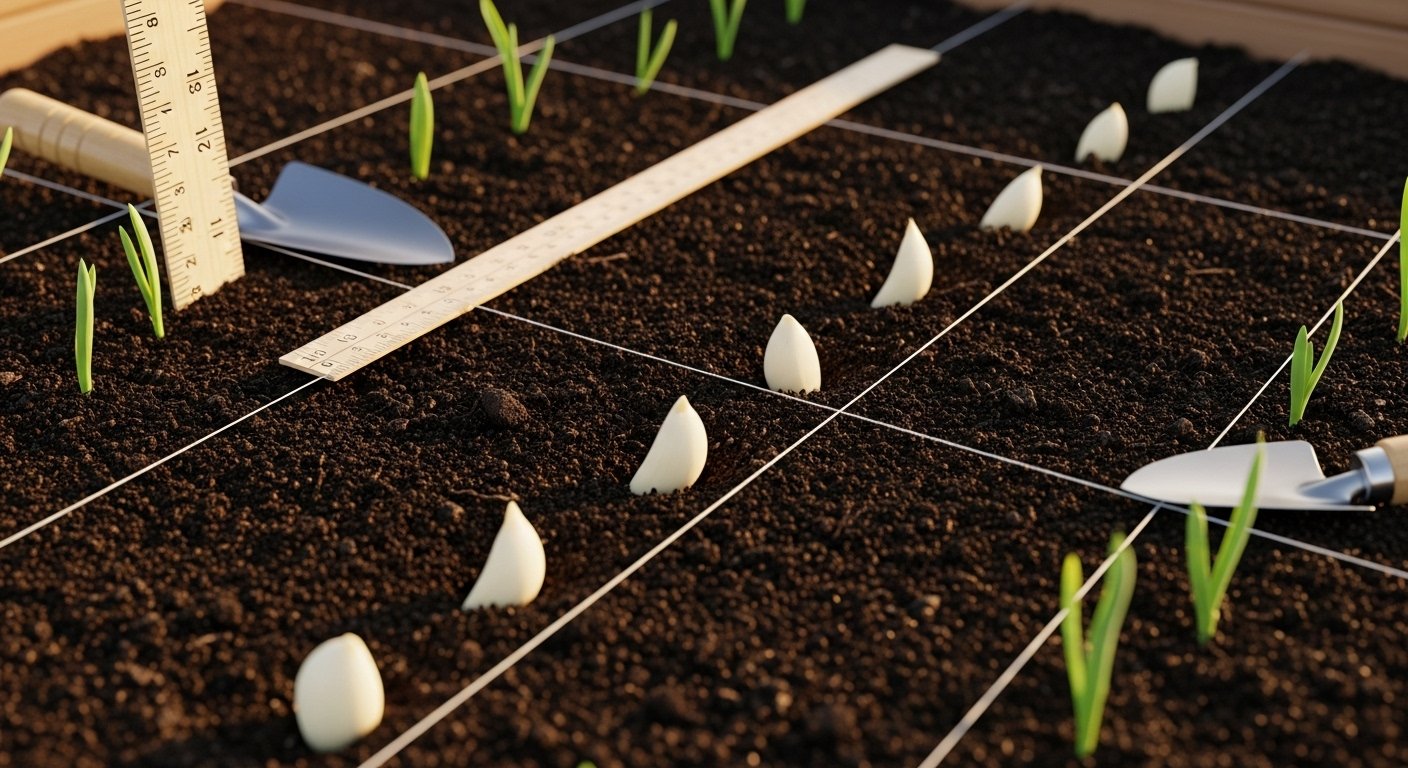
Introduction
If you’re a home gardener, growing garlic can be one of the most rewarding and flavorful additions to your garden. Garlic is a staple in kitchens around the world, and nothing beats harvesting large, aromatic bulbs that you’ve nurtured from start to finish.
One crucial factor that can make or break your garlic harvest is the proper garlic bed depth. Getting this right helps ensure your bulbs have the room and nutrients they need to grow big and healthy, while also promoting good drainage and healthy root development. In addition to depth, proper spacing between plants is key—overcrowded garlic can lead to smaller bulbs and depleted soil nutrients.
In this blog post, we’ll dive into the best raised bed depth for garlic, why depth and spacing matter so much, and how to set up your garden beds for a successful harvest. You’ll get practical, easy-to-follow tips for measuring and preparing your beds, whether you’re a beginner or a seasoned gardener. With the right approach, you’ll be well on your way to growing impressive garlic that will keep you—and your kitchen—supplied all year long.
Understanding Garlic Spacing: Why It All Matters
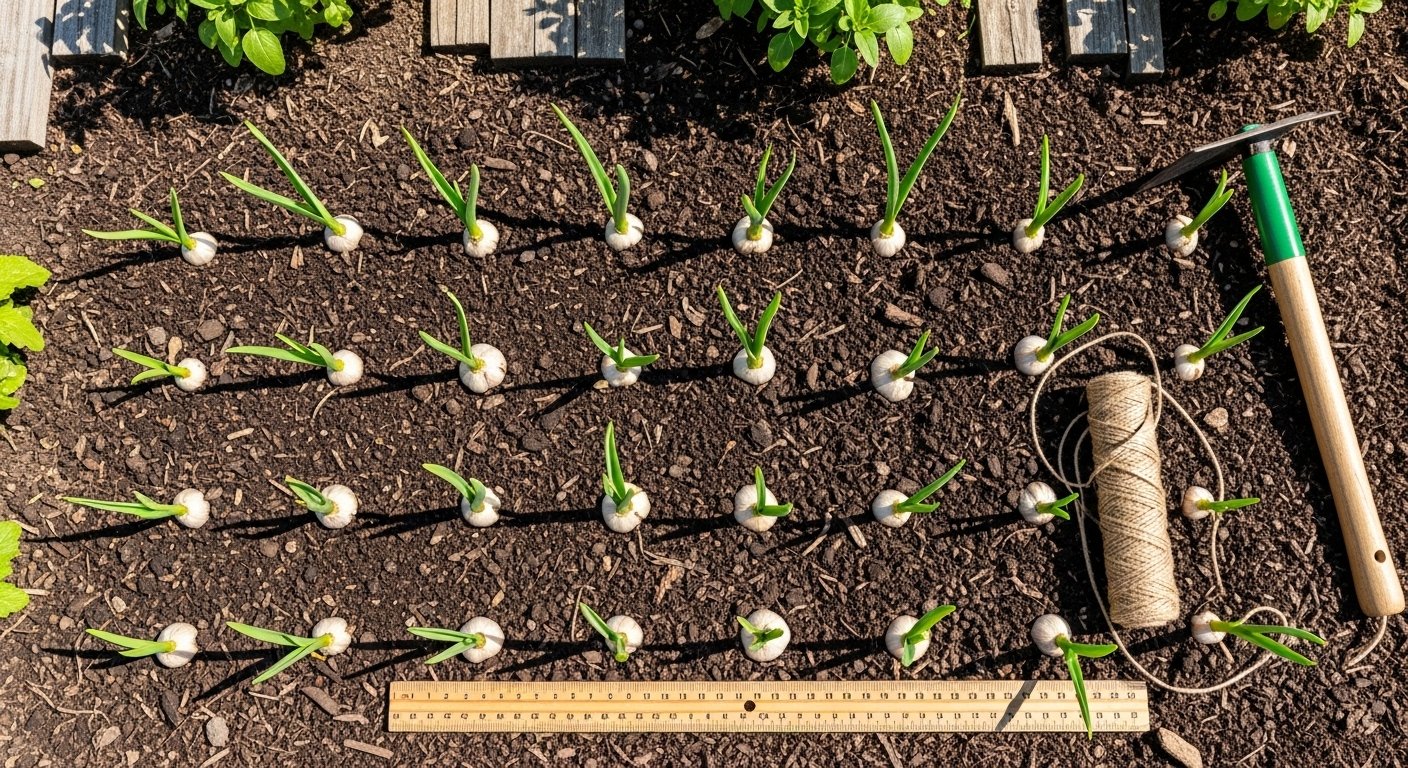
Proper garlic spacing is one of the simplest yet most important steps to growing a healthy, productive crop. When garlic cloves are planted too close together, airflow between plants becomes restricted, creating a humid environment that encourages fungal diseases like white rot or downy mildew. On top of that, crowded garlic competes for sunlight, water, and nutrients, resulting in smaller bulbs and disappointing yields come harvest.
Alternatively, spacing cloves too far apart wastes valuable garden space and can reduce your overall harvest, especially in smaller plots. Most experts recommend planting cloves 4 to 6 inches apart and keeping rows about a foot apart—this allows each plant to develop an impressive bulb while maintaining healthy circulation and access to soil nutrients.
For example, a beginner might be tempted to tuck as many cloves as possible into a small area, hoping for a bigger yield, only to end up with stunted bulbs and more disease issues. On the other hand, even experienced gardeners can forget that wide row spacing isn’t always ideal, especially if garden real estate is limited.
Consistent, correct garlic spacing isn’t just a basic gardening principle—it’s a fundamental strategy to maximize both individual bulb size and your total crop performance. Whether you’re a novice planting your first patch or a seasoned grower fine-tuning your technique, remembering that each clove needs its own space pays off with bigger, healthier garlic at harvest time.
Recommended Garlic Spacing Guidelines
When planting garlic, spacing is key to healthy growth and hefty bulbs. Most experts suggest planting garlic cloves 4–8 inches apart in rows, with the rows spaced 12–18 inches apart. This gives each plant enough room for roots to develop and allows airflow, which helps prevent disease.
In traditional in-ground beds, opt for wider row spacing—closer to 12–18 inches—since you have more space and want to maximize airflow and access for weeding or harvesting. Raised beds, on the other hand, often make efficient use of space, so you can plant cloves on a grid—every 6 inches in all directions—without distinct rows.
Your gardening style and goals should guide your choices:
- If you’re aiming for larger bulbs and easier harvesting, lean toward the wider end of these ranges.
- Gardeners with small or urban plots might prefer tighter spacing—around 4 inches apart—but should accept that bulbs may be smaller and require diligent care to avoid overcrowding.
For standard plots with plenty of room, stick with the 6–8 inch rule and ample row spacing; for compact growing spaces or containers, a denser 4–6 inch spacing on a grid works well. Either way, keep in mind that good airflow and access for watering or harvest make a big difference, so resist the urge to cram too many cloves in.
As a tip, draw out your layout before planting to visualize the space and adjust as needed—your garlic will thank you with robust, easy-to-harvest bulbs.
Factors Affecting Garlic Spacing
When planning the spacing for your garlic, several key factors come into play. First, the type of garlic you’re growing matters: softneck varieties, often favored in milder regions, generally have a more compact growth habit and can be planted closer together—about 4 inches apart—while hardneck types, prized for their robust flavor and suited to colder climates, need a bit more room (around 5–6 inches apart) to develop their larger bulbs and thicker stalks.
Your local climate also has a say; in wetter or cooler areas, providing extra space improves air circulation and reduces disease risks, whereas in hot, dry climates, slightly tighter spacing can help shade the soil and retain moisture.
Soil fertility and structure are equally influential: rich, loose, well-draining soils support closer planting, allowing roots to spread easily, but in heavy clay or poor soils, wider spacing (up to 8 inches) helps prevent root competition and gives bulbs the best chance to expand.
The planting method plays a role, too—a raised bed or ground plot provides more space for roots than a container, so in pots, allow for at least 6 inches per clove to avoid overcrowding.
When rotating crops, don’t plant garlic where other alliums (like onions) have grown recently, as this can increase pest and disease problems; spacing also becomes crucial for companion planting with crops like carrots or beets, where overcrowding may stunt both crops.
Lastly, proper spacing helps minimize issues with pests and diseases like white rot or nematodes by promoting airflow and making plants less prone to rapid pathogen spread.
Taking these variables into account lets you tailor your garlic spacing for healthier, more productive harvests, whether you’re gardening in a large bed or a small container.
How to Plant Garlic with the Right Spacing
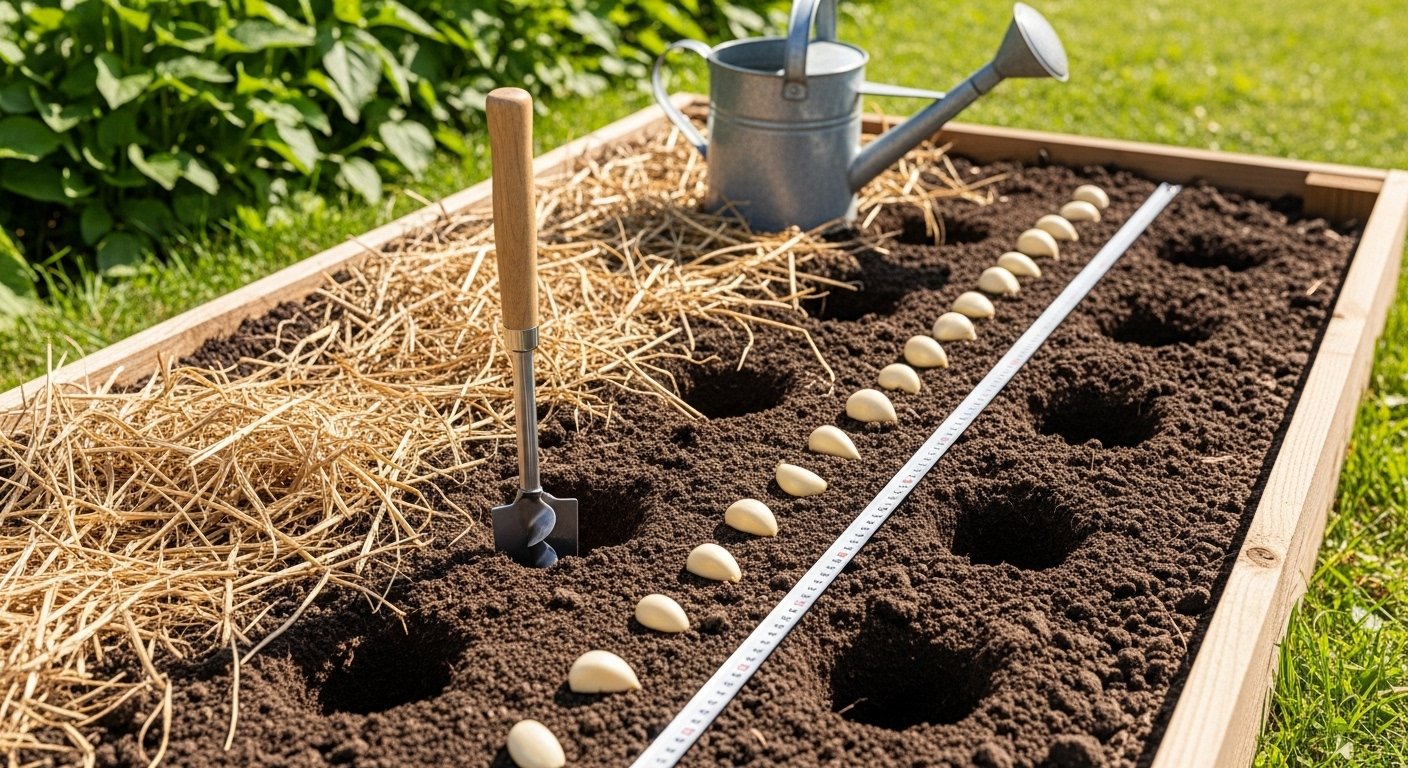
Planting garlic with the right spacing is key to a healthy, abundant harvest. Start by setting up your planting area in the fall, about four to six weeks before your ground freezes. Choose a sunny spot with well-drained soil.
For marking rows, use a string line or lay down stakes to keep your rows straight—perfect for garden beds. Space rows about 12 inches apart. Within each row, use a measuring stick or even your hand to make holes about 2–3 inches deep and 6 inches apart. This gives each clove enough room to grow without crowding.
Push each clove into the hole with the pointed end up, then cover with soil and mulch lightly.
If you’re short on space, garlic thrives in containers too: choose a pot at least 8 inches deep, and space cloves 4–6 inches apart in all directions; square or round containers both work.
For bigger plantings, a garden hoe or planter wheel tool can speed things up; just keep that 6-inch spacing between cloves and 12 inches between rows. In smaller raised beds or square-foot gardens, stagger your cloves in an offset pattern to maximize space.
If your garden has odd shapes or narrow strips, get creative by forming curved rows or zig-zag lines. Just keep the minimum distance to support airflow and reduce disease.
After planting, water thoroughly and mulch with straw or leaves to protect bulbs and conserve moisture. Regularly check for signs of overcrowding or poor airflow, and thin if needed—it’ll pay off at harvest time with bigger, healthier bulbs.
Common Garlic Spacing Mistakes and How to Avoid Them
One of the most common garlic-growing mistakes is overcrowding the cloves. Planting them too close—less than 4 to 6 inches apart—can restrict airflow, force plants to compete for nutrients, and lead to disappointingly small bulbs. Make sure you space each clove properly, with rows 12 to 18 inches apart. Using a simple ruler or spacing stick can help keep everything neat and evenly laid out.
Another frequent error is planting cloves at inconsistent depths. If planted too shallow, cloves may be exposed to weather extremes and pests; if set too deep, they may struggle to emerge. Aim to plant each clove about 2 inches deep, with the pointed end up for best results.
Irregularly spaced rows can also create problems when it comes to watering, weeding, and harvesting. Use string lines or stakes as visual guides when laying out your beds to keep your rows straight.
Finally, neglecting to rotate your garlic crop can significantly increase the risk of disease, since garlic is prone to soil-borne pathogens that linger from year to year. Make crop rotation part of your plan by planting garlic in a new spot every season, ideally waiting three to four years before returning to the same area.
By paying close attention to these details—proper spacing, mindful planting depth, straight rows, and strategic crop rotation—you’ll set your garlic up for a healthier, more productive harvest.
Maximizing Garlic Harvest: Beyond Just Spacing
While proper spacing is important for healthy garlic growth, truly maximizing your garlic harvest goes well beyond how far apart you plant the cloves. Consistent watering, especially during bulb formation, ensures plump, well-developed heads—too little water causes small bulbs, while excess can lead to rot.
Fertilizing with a balanced organic mix (like compost or well-rotted manure) provides the nutrients garlic needs for robust growth; avoid overdoing it on nitrogen past early spring, as this encourages leaf growth at the expense of big bulbs. Good weeding is essential too—garlic doesn’t compete well with weeds, which can stunt growth and reduce yields.
Amend your soil with plenty of organic matter before planting to improve drainage and structure, since garlic thrives in loose, fertile ground. Mulching right after planting helps retain soil moisture, keeps weeds at bay, and insulates cloves from temperature swings.
When it comes time to harvest, be sure to do it promptly once lower leaves brown but there are still a few green ones left—waiting too long can split bulbs and reduce their storage life. Start with quality seed garlic from reputable growers, as supermarket bulbs are often treated to prevent sprouting and may carry diseases.
Finally, keep records of what varieties you plant, the spacings used, weather conditions, and your results each year. Reviewing these notes helps you fine-tune your approach to produce even bigger, better bulbs in future seasons.
Conclusion & Planting Recap
Proper garlic spacing ensures each bulb has enough room to grow, leading to bigger harvests and fewer disease problems. Remember to leave about 4–6 inches between cloves and keep rows at least a foot apart for easy care.
Every garden is unique, so don’t hesitate to try different spacing methods to see what works best in your soil and climate. With a little planning, you can boost your garlic yield and make planting more enjoyable.
Now is the perfect time to map out your garden and get those cloves in the ground—plan, plant, and watch your garlic thrive!