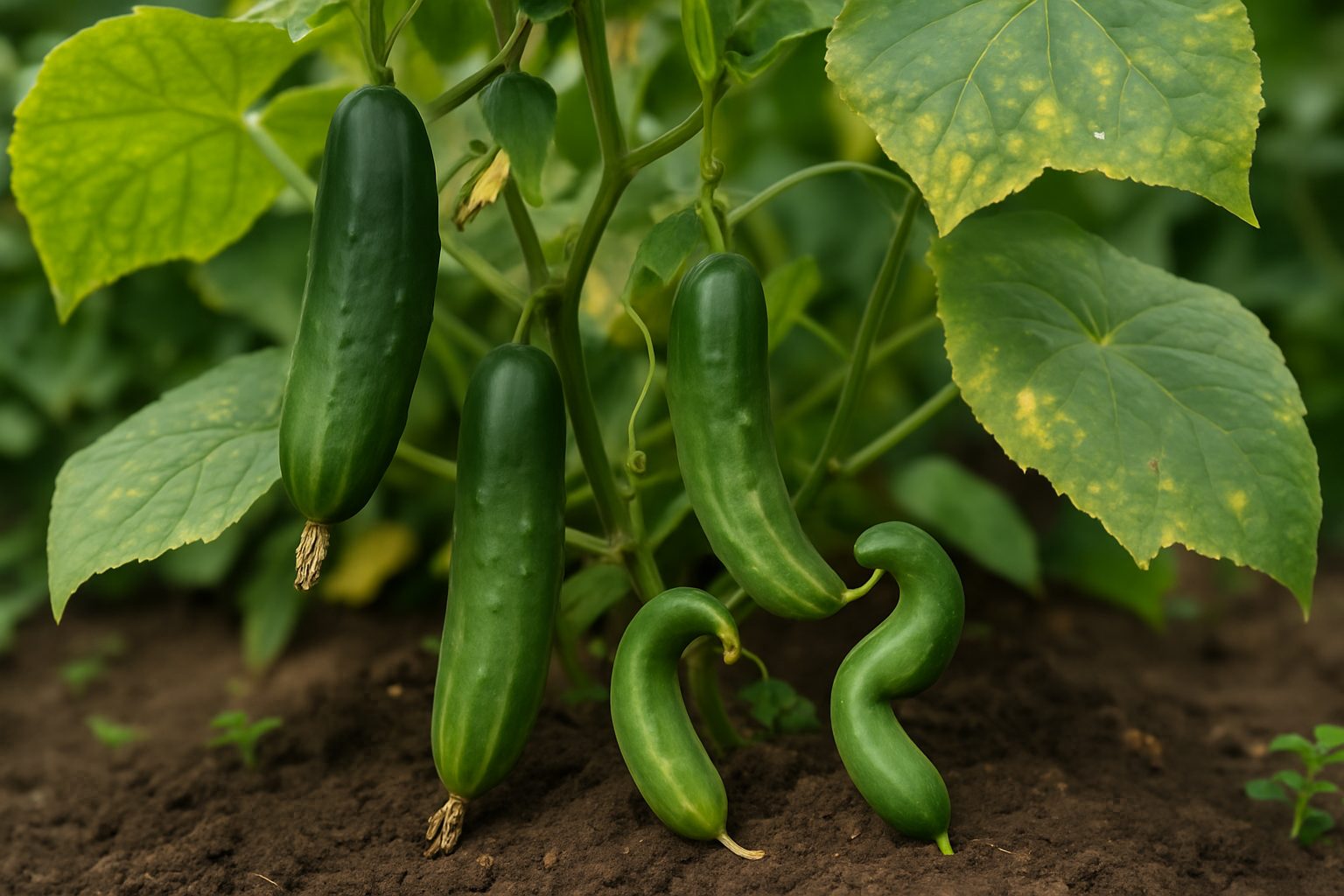
Common Signs of Deformed Cucumbers
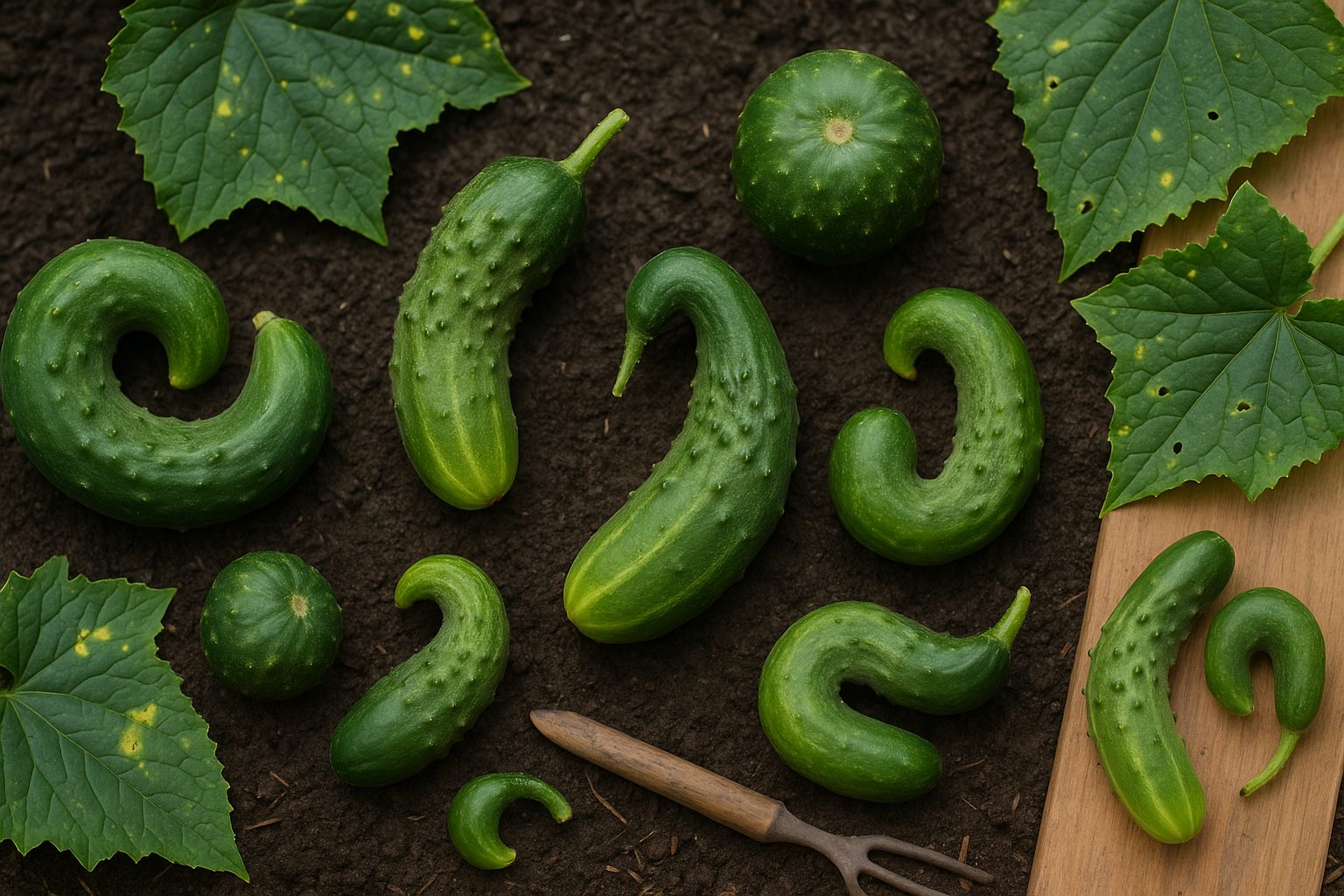
Misshapen cucumbers might catch your eye in the garden or at the market—a curled fruit here, a round ball-shaped one there. These odd forms are often the first sign that something isn’t quite right with your cucumber crop.
The most common symptoms of deformed cucumbers include pronounced curling at the tips, fruits that look more like balls than cylinders, and growth patterns that seem uneven or stunted. Sometimes, you’ll spot cucumbers with bent “hooks,” bulging middles, or fruits that fail to grow uniformly straight.
Beyond the odd shapes, there are other warning signs worth watching for on both leaves and fruits. Yellow spots or blotches, especially on young developing cucumbers, can signal fungal or viral issues. Leaves might wilt, become discolored, or develop small holes or mosaic patterns—each hinting at deeper causes of the deformities you’re seeing.
The earlier you recognize these signs, the quicker you can act to save your cucumbers from lasting damage. For example, noticing a few curled or bumpy cucumbers early in the season may prompt you to adjust watering habits, look for pollination issues, or check for pests before the whole crop is affected.
By keeping a close eye on both the fruits and the overall health of the plant, gardeners can diagnose problems promptly, make the right interventions, and ensure a healthier harvest. Early detection often means the difference between a failed crop and baskets full of straight, crisp cucumbers at season’s end.
Poor Pollination: The Leading Cause

Poor pollination is often the main culprit behind misshapen cucumbers in the garden, causing fruits that curl, bulge, or grow unevenly. Cucumbers need regular visits from pollinators—usually bees—to transfer pollen from male flowers to female ones so proper fruit development can take place. When pollination is inconsistent or insufficient, only part of the flower gets fertilized, leading to lopsided or stubby cucumbers.
Several factors can contribute to this issue. A lack of bees in the area, which can result from pesticide use or habitat loss, often means fewer pollinators are around to do the job. Unfavorable weather is another big challenge; bees are less active during cold, rainy, or excessively windy days, so flowers may be skipped or left unpollinated.
How to Improve Pollination
To combat poor pollination, you can take steps to make your garden more pollinator-friendly:
- Plant nectar-rich flowers nearby.
- Provide a shallow water source for bees.
- Avoid spraying insecticides when cucumbers are blooming.
If natural pollination is still lacking, try hand-pollinating your flowers. Pick a male flower (the one without a swelling at the base), gently remove its petals, and brush the center onto the center of a female flower (the one with a tiny cucumber behind the bloom). This simple step can help ensure each fruit develops evenly and avoids the dreaded “crooked cucumber” look.
Paying attention to the pollination process means healthier, better-looking cucumbers all season long.
Environmental Stress Factors
Extreme temperatures and inconsistent watering are two major environmental stressors that often lead to cucumber deformities. High temperatures, such as those during heatwaves, can cause flowers to drop before being pollinated or disrupt normal fruit development, resulting in misshapen or stubby cucumbers. Conversely, cold snaps can slow down plant growth, damage young fruits, and create irregular bulges or curves.
Both extremes interfere with the plant’s ability to efficiently take up water and nutrients, which is crucial during the rapid growth phases of fruit development. Uneven watering—cycling between dry and soggy conditions—can further stress cucumber plants, often leading to fruit that is curved, constricted, or even bitter.
To mitigate these issues, strive to keep soil moisture as consistent as possible. Use organic mulch, like straw or shredded leaves, to help retain soil moisture and maintain an even temperature around the roots. Water deeply and regularly, ensuring the soil stays moist but not waterlogged—this might mean checking soil moisture daily, especially during hot spells.
During heatwaves, provide temporary shade with row covers or shade cloth during the hottest part of the day to protect plants and prevent excess moisture loss. In cooler weather or when a late frost threatens, cover plants overnight with fabric or plastic cloches, and remove them during the day to prevent overheating.
Even small steps—such as adjusting your watering schedule and monitoring local forecasts—can make a big difference in reducing plant stress and ensuring your cucumbers grow straight, smooth, and healthy.
Nutrient Deficiencies and Imbalances
Nutrient deficiencies and imbalances can quietly undermine your plants’ health, leading to odd deformities or disappointing yields. For example, a lack of calcium often causes blossom end rot in tomatoes and peppers, resulting in dark, sunken spots on the bottoms of the fruits.
Potassium shortages usually show up as yellowing leaf edges, curling leaves, and weak stems that struggle to support healthy growth. Magnesium deficiencies may appear as interveinal yellowing on older leaves, while a pale, stunted appearance might indicate nitrogen issues.
Keep an eye out for these early warning signs on leaves and fruit, as addressing them quickly can make a big difference. To prevent and correct these problems, consider the following tips:
- Test your soil at least once a year.
- Use a balanced, slow-release fertilizer tailored to your crop’s needs.
- Incorporate compost and organic matter, such as well-rotted manure or leaf mold, to improve nutrient content and soil structure.
- Rotate crops to avoid depleting specific nutrients.
- Consider foliar feeding with diluted liquid fertilizers for a quick boost if deficiencies are spotted mid-season.
- Maintain proper watering, as uneven moisture can worsen symptoms or hinder nutrient uptake.
By staying alert to changes and adjusting your fertilizing and soil care routine, you’ll create the best environment for strong, healthy plants.
Pest and Disease Damage
Pests and diseases can wreak havoc on cucumber plants, often leading to deformed fruit by attacking flowers or leaves. For example, aphids cluster on new growth, sucking sap and spreading viruses, while cucumber beetles chew on leaves and petals, introducing harmful bacteria.
Early signs to watch for include yellowing, curling, or mottled leaves; misshapen or stunted flowers; sticky residue; and small, irregular holes in foliage. Fungal diseases like powdery mildew show up as white powdery spots on leaves, weakening plants and disrupting fruit development. Viral infections may cause a mosaic pattern or blistered leaves. When leaves or flowers are compromised, cucumbers often grow twisted, stubby, or uneven.
Managing Pest and Disease Threats
To manage these threats, try encouraging beneficial insects like ladybugs to control aphids, remove affected parts promptly, and practice crop rotation to prevent fungal buildup. Neem oil and insecticidal soap are safe, natural options for tackling pests and mildew; always spray in the early morning or evening to avoid harming pollinators.
If infestations are severe, choose appropriate chemical pesticides labeled safe for cucumbers and follow directions closely.
Prevention Tips
Above all, prevention is key:
- Water at the base of plants to keep leaves dry.
- Space plants to encourage good airflow.
- Inspect your garden regularly to catch problems early.
Taking these steps can help keep your cucumber crop healthy and reduce the risk of distorted fruit.
Cucumber Variety Choices and Physical Injury
Not all cucumbers are created equal when it comes to shaping up perfectly in your garden. Some varieties, especially the popular slicing types, are bred for straightness and a uniform appearance, making them less likely to develop odd curves or bulges. Others, such as heirloom or specialty picks, may naturally be more prone to developing deformities—these can happen even with ideal care, simply due to genetic tendencies.
But genetics is only part of the story; physical injuries can also play a big role in how your cucumbers look at harvest. A strong wind that knocks vines around, a curious animal trampling the plant, or even rough handling during harvest can bruise or stress the developing fruit, resulting in misshapen cucumbers.
The best way to reduce these issues is by choosing cucumber varieties known for resilience and straight growth; seed packets and online reviews often mention which are fuss-free in this regard. To protect your crop, consider installing windbreaks like fencing or dense companion plantings, keep pets and wildlife away with netting or light barriers, and always harvest cucumbers gently with scissors or pruners to avoid twisting or breaking stems.
If you’re gardening in an area with heavy winds or lots of wildlife, bush or compact cucumber varieties are worth a try—they tend to stay closer to the ground and suffer less damage. With a little planning and care, you’ll enjoy a better-looking harvest and fewer mysterious shapes in your cucumber basket.
Quick Solutions & Preventive Tips for Healthy Cucumbers
Deformed cucumbers often result from inconsistent watering, poor pollination, or nutrient imbalances, but a few simple steps can help keep your crop looking and tasting its best.
First, make sure your cucumbers get consistent moisture — deeply water at the base of the plant several times a week instead of shallow daily sprinkles. Mulch can help retain soil moisture and keep root temperatures steady.
Good pollination is key, so plant flowers nearby to attract bees, or try hand-pollinating by gently transferring pollen from male to female flowers with a small brush.
If you notice oddly shaped cucumbers, check for signs of pests like cucumber beetles and remove them by hand, or use row covers as a barrier.
Fertilize with balanced plant food every few weeks, and test your soil yearly to correct deficiencies.
Regularly harvest ripe cucumbers — overripe fruit left on the vine signals the plant to slow production and can encourage odd shapes.
Most importantly, walk your garden daily if possible, checking leaves and fruit for signs of trouble. Early detection lets you act fast, preventing small issues from becoming big problems and keeping your cucumber patch healthy all season long.