Introduction
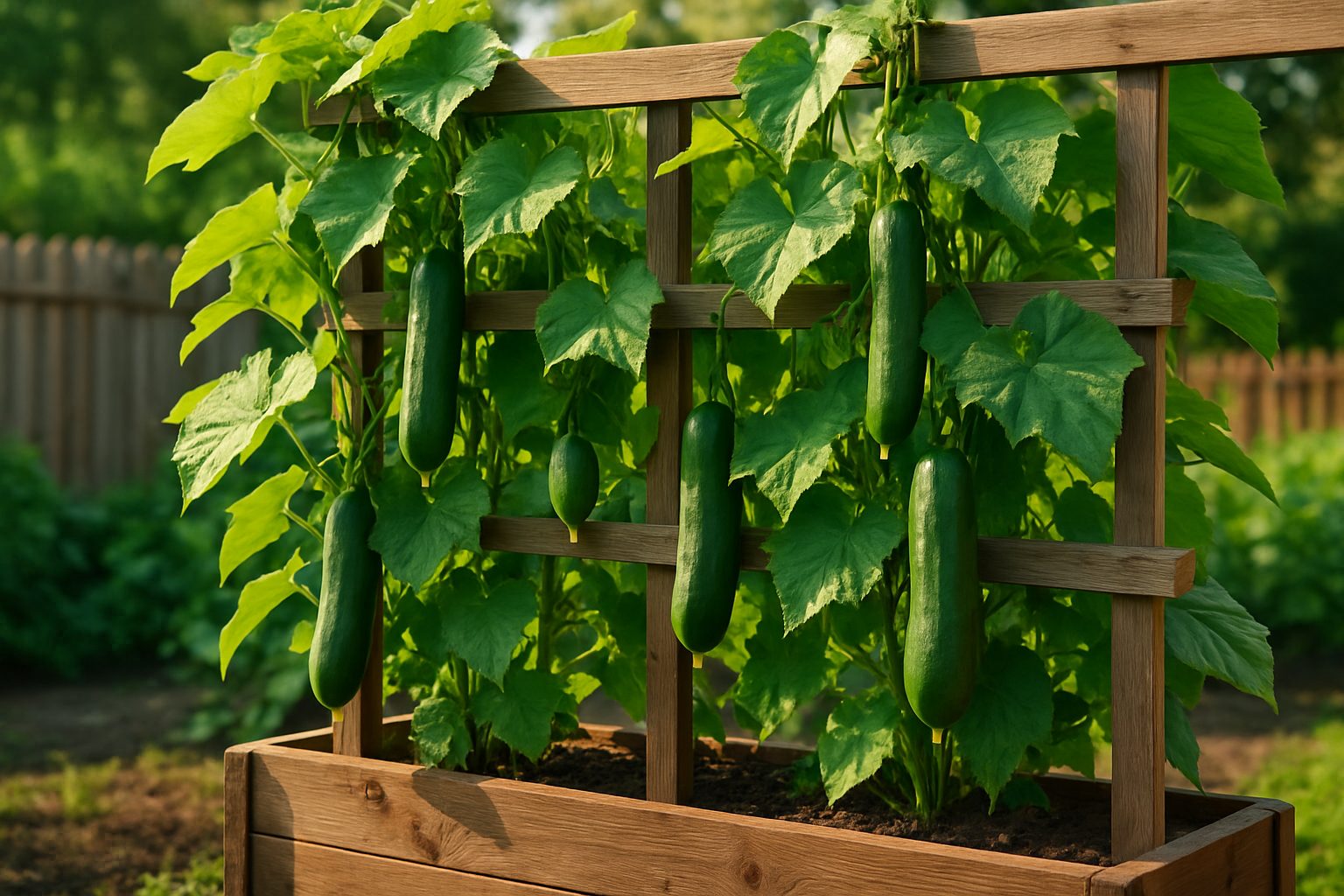
If you’ve ever tried growing cucumbers at home, you know there’s more than one way to nurture a healthy, productive crop. The debate between trellised vs ground cucumbers is common in nearly every gardening community—and for good reason. Trellised cucumbers climb upward using supports, while ground-grown cucumbers naturally sprawl along the soil. Both methods can produce delicious, crisp results, but each has its own benefits and challenges.
Maybe you’re short on space and wondering if a vertical approach will maximize your harvest, or perhaps you want the simplest, low-fuss method. In this article, we’ll break down the key pros and cons of trellised versus ground-grown cucumbers to help you decide which method best fits your space, time, and gardening goals. Whether you want fewer pests, easier harvesting, or the healthiest plants possible, we’ll provide practical info to help you choose with confidence.
Understanding Cucumber Growth Habit
cucumber plants are naturally vigorous growers, typically displaying a vining or sprawling growth habit. In the wild or unmanaged gardens, cucumbers send out long, flexible vines that creep along the ground, rooting at nodes and reaching for sunlight. This natural tendency can quickly fill garden space, sometimes overrunning nearby plants or paths.
Besides the classic vining types, breeders have developed bush-type cucumbers that are more compact, with stems and leaves forming small, tidy mounds. Bush varieties are especially well-suited for small gardens, urban spaces, and container growing since their reduced growth makes them less dependent on external support.
In contrast, vining types thrive when given room or vertical structures like trellises, fences, or simple stakes and netting. The decision between trellised vs ground cucumbers often depends on garden size, available materials, and personal preferences. Trellising conserves valuable ground space by training vines upward, improves air circulation (reducing disease risk), and makes harvesting easier by keeping fruit visible and accessible.
On the other hand, growing cucumbers on the ground is simpler and aligns with the plant’s natural growth habit—making it ideal for large plots, gardens with heavy or unstable trellis options, or for anyone seeking a low-maintenance approach. Some gardeners combine both methods, letting less vigorous vines sprawl while guiding longer ones onto trellises to optimize yield and garden flow based on the cucumber variety.
Ultimately, understanding your cucumber’s growth habit is the first step to choosing the best approach for your garden and harvest goals.
Trellised vs Ground Cucumbers: Benefits of Growing Vertically
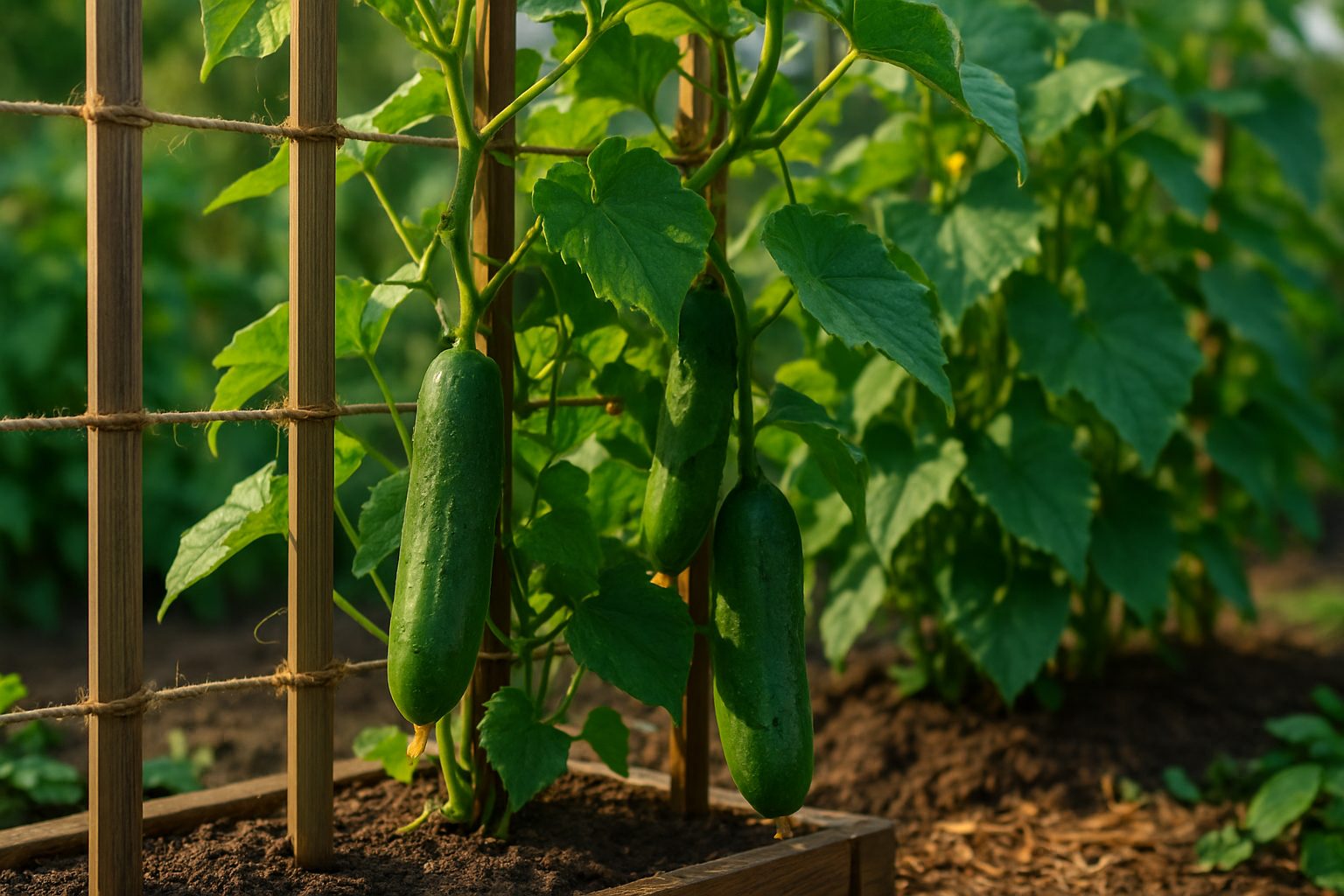
When comparing trellised vs ground cucumbers, growing your vines vertically on a trellis offers several compelling benefits for home gardeners. One of the biggest advantages is improved air circulation. Training cucumber plants to climb a trellis allows foliage to get more airflow, helping leaves dry faster after rain or watering. This natural ventilation reduces the risk of common diseases like powdery mildew and downy mildew, keeping your plants healthier throughout the season. Plus, vertical growth means fewer leaves and fruits resting on damp soil, which lowers the chances of rot and soil-borne pathogens—even in wet climates.
Another key benefit is the efficient use of limited garden space. In small yards, urban balconies, or container gardens, a trellis lets you grow more cucumbers in a fraction of the space compared to sprawling vines. This method is a game-changer for gardeners with just a raised bed or a few pots, maximizing yields without sacrificing room for other vegetables or flowers. Since the vines grow upward instead of outward, you’ll also avoid tangled shoots that can block walkways or shade neighboring plants.
Harvesting is easier and more enjoyable with trellised cucumbers. Fruits hang down visibly, so you can pick them quickly instead of hunting through dense ground-level leaves. Because the cucumbers don’t touch the soil, they stay cleaner, suffer fewer blemishes, and often have better shape—no more muddy or misshapen fruit. Trellising adds a visual appeal to your garden, too; tidy vertical rows of lush green vines not only look attractive but also keep your garden organized and accessible. Whether for functional beauty or simply to streamline your harvest, trellised cucumbers offer a smart, productive option for any cucumber enthusiast.
Trellised vs Ground Cucumbers: Potential Drawbacks of Trellised Cucumbers

While trellised cucumbers offer many growing advantages, they also come with a few notable drawbacks to consider before making the switch. The most immediate challenge is the upfront cost of materials and the time needed to build a sturdy trellis system. Whether using wooden frames, wire panels, or netting, supplies can add up quickly—especially for larger plantings—and assembling it is definitely more involved than simply planting cucumbers on the ground.
Once the trellis is set up, maintenance doesn’t stop there. Gardeners must regularly train and secure the vines as they grow to encourage climbing rather than sprawling. This often means gently tying or weaving tendrils every few days, which requires ongoing time and attention.
Another concern arises with heavier cucumber varieties. Unlike lighter pickling types, large slicing cucumbers can weigh down the vines on a vertical structure, increasing the risk of vines snapping or fruit dropping prematurely. To prevent this, extra support or slings for heavy fruits may be necessary, adding further effort and complexity.
All these factors mean that while trellising can result in neater, cleaner, and more productive plants, the initial and ongoing investment—in both time and resources—should be carefully considered, especially for new or budget-conscious gardeners.
Trellised vs Ground Cucumbers: Benefits of Traditional Sprawling
Growing cucumbers directly on the ground is a time-honored method with several clear advantages, especially for gardeners who prefer a simple, low-maintenance approach. One of the biggest benefits of ground-grown cucumbers is that they require virtually no setup or special equipment—just plant your seeds or transplants in prepared soil and let the vines sprawl naturally. This eliminates the need to install trellises, wires, or netting, making it an attractive choice if you have a large vegetable patch or want to keep gardening straightforward. For those without the time or interest to train vines and support heavy fruit, growing on the ground takes one more chore off your plate.
Another key advantage is the reduced risk of stem or vine breakage. When cucumber plants sprawl across the soil, their stems and fruit are fully supported by the ground, so you don’t have to worry about large cucumbers snapping from their own weight as they might if hung from a trellis. This is especially helpful for heavy-fruited varieties, which can easily become damaged when suspended. In fact, some cucumber types—especially certain slicing or field varieties—are naturally bred to perform best grown on the ground, often producing more fruit because they’re less stressed and can spread freely as they mature.
Gardeners with ample space will also appreciate how ground-grown cucumbers fill out and shade the soil below, helping to suppress weeds and retain moisture. In a large backyard or allotment, dedicating a patch to prolific, sprawling vines is often the simplest path to a bountiful harvest. While you’ll need to watch for pests and monitor for soil-borne diseases, this traditional growing method remains a reliable, productive option where space allows. So, if you want maximum ease with minimal intervention, letting your cucumbers grow the old-fashioned way might be just what your garden needs.
Ground-Grown Cucumbers: Disadvantages to Consider
When weighing the decision between trellised vs ground cucumbers, it’s important to consider the unique challenges of letting your vines sprawl across the soil. For starters, ground-grown cucumbers are far more exposed to soil-borne diseases like powdery mildew and bacterial wilt, which thrive in damp conditions and can quickly take hold when leaves and fruit rest directly on the earth.
Along with disease concerns, there’s a higher chance of pest problems—crawling insects such as slugs, beetles, and even rodents have easier access to cucumbers touching the dirt. Another drawback is the significant space required; cucumber vines can spread several feet in every direction, quickly crowding neighboring plants and making harvesting more difficult.
The sprawling growth also makes weed management a constant challenge, as large leaves can hide unwanted growth and make pulling weeds tougher. Finally, cucumbers grown on the ground tend to become dirty or misshapen since they rest on moist soil and can develop flat spots or scars—making them less visually appealing for fresh salads and harder to clean.
All these factors mean that while ground-growing cucumbers can work, it demands consistent monitoring and more effort to produce clean, healthy fruit.
Which Method Is Best? Factors to Consider
When deciding between trellised vs ground cucumbers, several key factors can help you choose the best method for your garden. One major consideration is garden size—if your space is limited, trellising cucumbers vertically is a smart way to save ground area, allowing you to fit more plants into small beds or even containers. This method also improves air circulation, which helps prevent diseases in humid climates.
On the other hand, if you have a large, dedicated garden space, ground-growing can be less labor-intensive and allows vining varieties to sprawl naturally, which some heirloom types prefer. Climate also plays a role: in wetter areas, trellises help keep fruit off damp soil, reducing rot and pest issues. Meanwhile, in drier climates, ground-growing might require less frequent watering due to soil contact.
The type of cucumber matters as well—bushy, compact varieties work well for ground growing, while vining types benefit from trellising for better shape and easier harvesting. Time and effort are important too: trellising requires more setup and regular tying but results in cleaner, straighter cucumbers and simpler harvests. Ground-growing is more hands-off, though you might spend extra time searching for hidden fruit and managing weeds.
Ultimately, experimenting with both methods will help you discover which fits your lifestyle and garden goals best. Many gardeners even combine approaches for greater flexibility. Try starting with a few plants each way to see which method suits your space, climate, and schedule—and don’t hesitate to adapt as your experience grows.
Conclusion & Expert Tips
When weighing the pros and cons of trellised vs ground cucumbers, your choice depends on space, effort, and garden goals. Trellised cucumbers offer better air circulation, easier harvesting, and tidier growth that can reduce disease risk, but they require an upfront investment in supports and regular vine training. Ground-grown cucumbers are less labor-intensive initially and can produce robust harvests, yet they may face more pests, sprawling vines, and hidden fruits beneath the leaves.
Whichever method you choose, mulching around the plants helps retain moisture and suppress weeds, while regular harvesting keeps plants productive and prevents oversized, bitter cucumbers. Water deeply at the base (not on the leaves) to help prevent mildew, and fertilize every few weeks to support continued growth.
What’s your experience with trellised or ground cucumbers? Have tips or questions to share? Drop them in the comments below—let’s grow better cucumbers together!