Understanding Cucumber Basics & Selecting the Right Variety
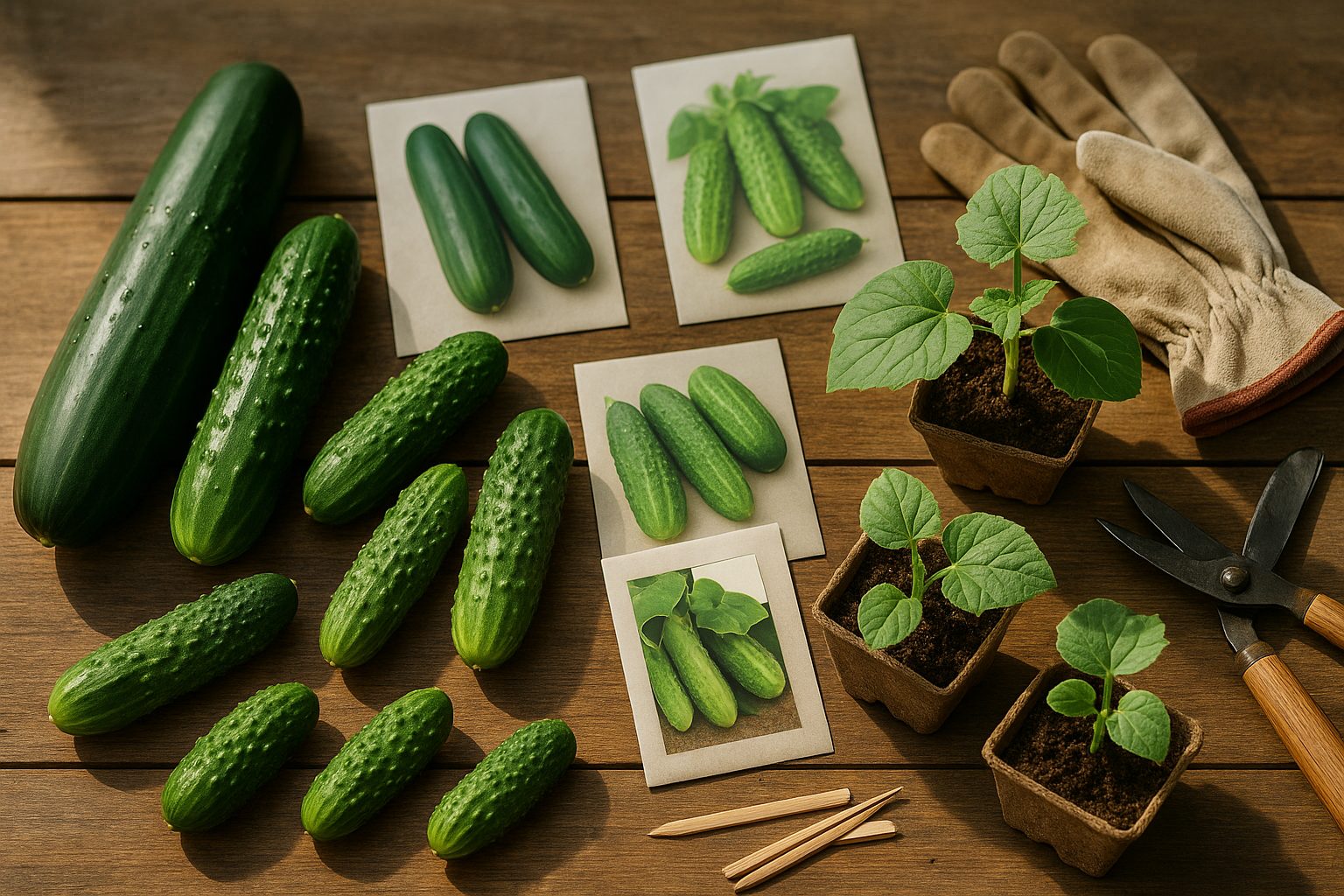
If you want to master harvesting cucumbers without damaging the vines, it pays to start with the basics. Not all cucumbers are created equal—most fall into two main types: slicing cucumbers and pickling cucumbers. Slicing cucumbers are larger, with thicker skin and a mild flavor, perfect for salads and fresh eating. Pickling cucumbers, on the other hand, are shorter, crisper, and bred to handle brine, making them the go-to choice for homemade pickles.
Choosing the Right Cucumber Variety
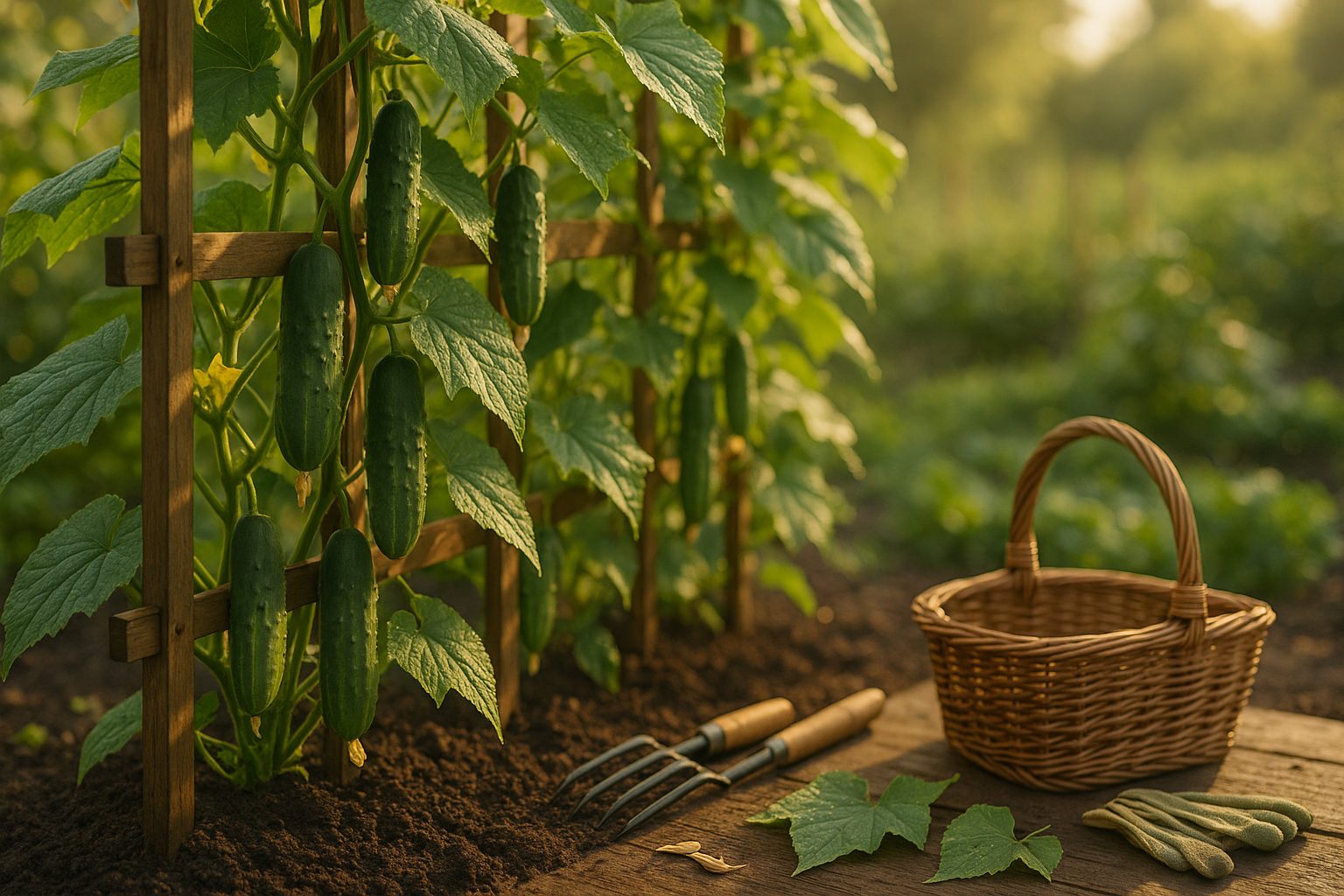
Choosing the right cucumber variety is step one to a successful harvest. Consider your local climate—some varieties are heat lovers and thrive in long, hot summers, while others tolerate chillier zones better. If you’re short on space, look for compact or bush varieties suited for container gardens or small beds. Classic vining types need room to sprawl but can be trained up a trellis to save space.
Think about how you plan to use your cucumbers:
- If you crave crisp salads, opt for English or slicing types.
- If pickles are your passion, pickling cucumbers like ‘Boston Pickling’ or ‘National Pickling’ are your best bet.
Essential Growing Conditions for Cucumbers
No matter the variety, cucumbers need certain growing conditions to produce plump, tasty fruit. Give them a spot with at least 6–8 hours of direct sunlight, as shade leads to weak plants and sparse yields. Plant seeds or seedlings in well-drained soil, keeping about 36 inches between vining types or 18 inches for compact varieties. Cucumbers are thirsty plants that rely on consistently moist—but never waterlogged—soil. Mulch can help retain moisture and keep roots cool.
With the right match of cucumber variety to your climate and garden space, plus a little attention to their basic needs, you’ll be set up for a bountiful, vine-friendly harvest.
Preparing to Grow: Soil, Climate, and Planting Tips
Cucumbers thrive best in warm, sunny conditions, so choose a spot that gets at least six hours of direct sunlight each day. The ideal temperature range for growing cucumbers is between 70°F and 95°F (21°C to 35°C). These plants are quite sensitive to frost and cold— even brief exposure can stunt growth or kill seedlings. Only plant once the danger of frost has completely passed.
For optimal growth, cucumbers prefer loose, well-draining soil rich in organic matter. Aim for a neutral to slightly acidic soil pH between 6.0 and 7.0. If your soil often holds puddles after rain, consider raising your garden bed or mixing in compost or sand to improve drainage. Testing your soil with an inexpensive at-home kit can help you adjust pH as needed; garden lime raises pH, while elemental sulfur lowers it.
Whether you’re planting in-ground or in containers, the basics stay the same:
- Start seeds indoors about three weeks before your last expected frost to get a head start.
- Or sow them directly outdoors once the soil has warmed to at least 65°F (18°C).
- For containers, choose pots at least 12 inches deep and wide, with drainage holes to prevent root rot.
- Space seeds or seedlings 12 to 18 inches apart to give the vines room to spread.
Vining cucumber varieties especially benefit from a trellis, which conserves space, promotes better airflow, and reduces the risk of disease. Compact bush varieties work well for container gardens or smaller spaces.
Mulch around your plants to retain moisture and fend off weeds, setting yourself up for a more prolific harvest. With these practical foundations, your cucumbers will have the best chance to flourish all season long.
Fertilizing & Caring for Cucumber Plants

Growing healthy, productive cucumber plants starts with understanding their fertilizer needs. Cucumbers thrive when given a balanced fertilizer high in nitrogen early on for strong leaf growth—try a 10-10-10 formula at planting, following label directions to avoid over-fertilizing, which can harm roots.
As plants begin flowering, switch to a fertilizer higher in phosphorus and potassium to boost fruit development—side-dress with compost or a vegetable-specific blend every three to four weeks. Always water thoroughly immediately after applying fertilizer to prevent root burn.
Consistent moisture is key for cucumbers; aim to provide 1 to 2 inches of water per week, preferably at the base of plants to keep leaves dry and reduce disease risk. Mulch with straw or shredded leaves to conserve moisture, suppress weeds, and keep soil temperatures even.
Training vining cucumbers up a trellis saves space, encourages airflow, and keeps fruit clean—gently tie stems with soft twine as they grow.
Pest and Disease Management
Watch for common pests like cucumber beetles and aphids, which can be managed by hand-picking, spraying with insecticidal soap, or using row covers early in the season.
Diseases such as powdery mildew and downy mildew often appear in humid weather; prevent spread by spacing plants well for airflow and removing affected leaves quickly.
Regularly inspect plants, water in the morning to allow foliage to dry, and rotate crops each season to keep your cucumber patch healthy and productive all summer long.
When and How to Harvest Cucumbers
Knowing when to harvest cucumbers makes a huge difference in flavor, texture, and the plant’s productivity. For slicing cucumbers, look for fruits that are firm, glossy, and deep green, usually about 6 to 8 inches long, depending on the variety. Pickling cucumbers are typically ready earlier—harvest them when they’re 2 to 4 inches long for crisp, bite-sized pickles.
A good rule of thumb is to check your vines every day once fruit starts to develop, as cucumbers can go from perfectly ripe to overgrown in just a few days.
To harvest, use sharp garden scissors or pruners to snip each cucumber off the vine, leaving a small stem attached. Avoid twisting or pulling the fruit, as this can damage both the fruit and the vines, reducing future yields. Frequent picking actually encourages the plant to keep producing, so don’t let ripe cucumbers linger.
If cucumbers are left on the vine too long, they become oversized, seedy, and may develop a bitter taste. Overgrown cucumbers also signal the plant to slow or stop making new fruit altogether, thinking its growing cycle is complete.
Make it a habit to walk your garden every other day, basket and shears in hand, so you can enjoy cucumbers at their peak and keep your plants healthy and productive all season.
Extending the Season and Saving Seeds
If you want to enjoy fresh vegetables for longer, extending your harvest season is easier than you might think. Try succession planting by sowing small batches of seeds every two weeks rather than all at once—this staggers your harvest and keeps your garden productive.
Row covers are another great tool; they protect plants from early frosts and pests, allowing you to harvest later into the fall. Be sure to select fast-maturing varieties, especially if you’re starting late in the season. These options reach harvest in fewer days and are perfect when time is tight.
As for saving seeds, cucumbers are a great place to start. Simply allow a few cucumbers to fully ripen on the vine until they turn yellow and soft. Scoop out the seeds, rinse them in a mesh strainer to remove the pulp, then spread them on a paper towel to dry for about a week in a cool, shaded spot.
Store dried seeds in a paper envelope in a cool, dry place, labeled with the date and variety. This way, not only do you save money, but you’ll also have seeds perfectly adapted to your own growing conditions for next year’s garden.
Storing and Enjoying Your Cucumber Harvest
After harvesting your cucumbers, keeping them fresh and flavorful is easy with the right strategies. For short-term storage, simply rinse and dry your cucumbers, then place them in the crisper drawer of your fridge; they’ll usually stay crisp for about a week.
To extend their shelf life, consider pickling—slice cucumbers and soak them in a simple brine of vinegar, water, salt, and spices, letting them transform into delicious pickles that last for months in the refrigerator. Fermenting is another age-old preservation method; just immerse sliced or whole cucumbers in salty water with garlic and dill at room temperature for a week or two, creating tangy, probiotic-rich snacks.
When it comes to enjoying your cucumbers fresh, the possibilities are nearly endless. Toss sliced cucumbers into garden salads, blend them with yogurt for a refreshing tzatziki dip, or use them as a crunchy base for open-faced sandwiches.
For quick snacks, sprinkle cucumber rounds with a little sea salt or chili powder, or pair them with hummus for a cooling bite. No matter how you store or serve them, your homegrown cucumbers are sure to add a crisp, refreshing touch to any meal.