Quick Facts about Cabbage Worms
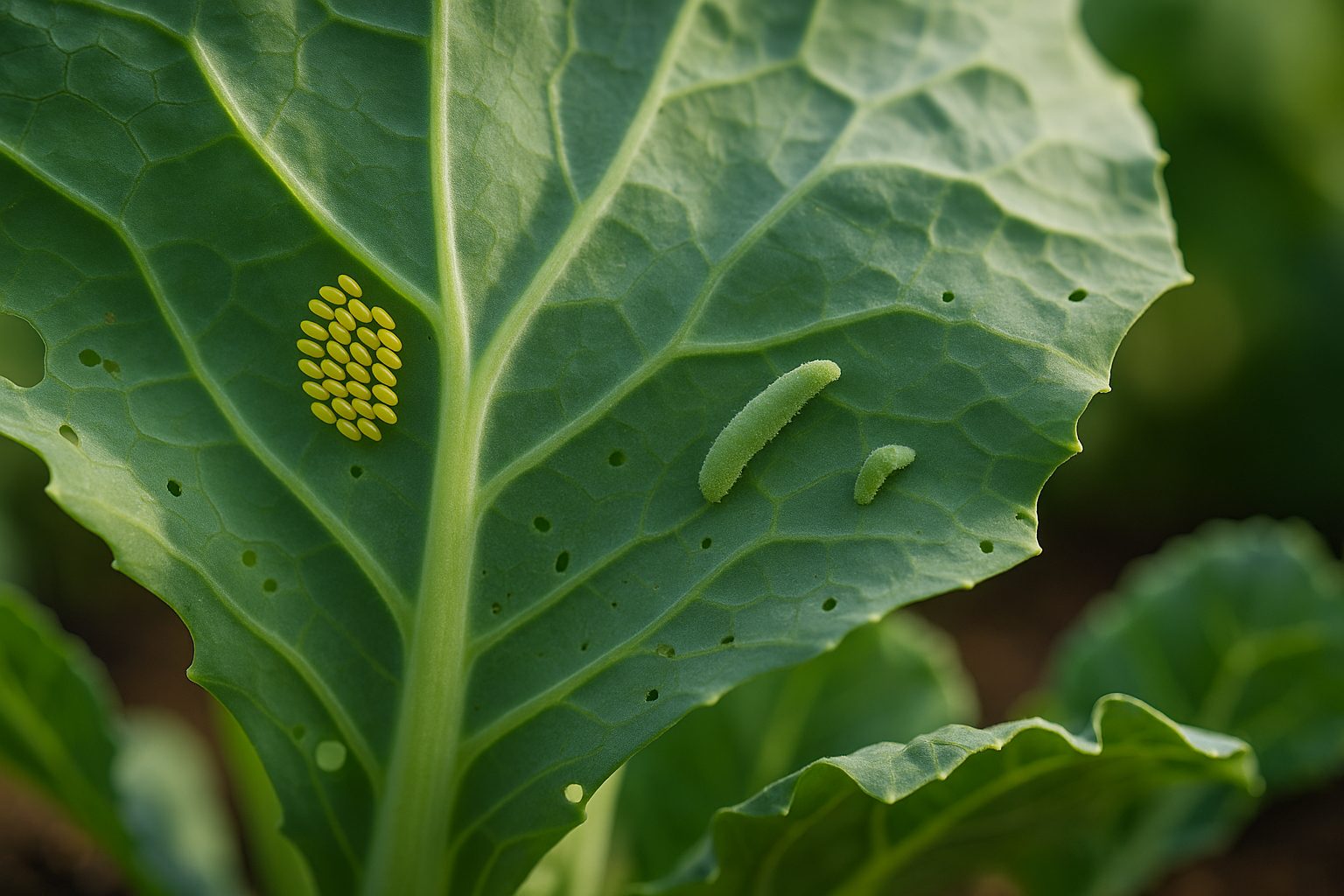
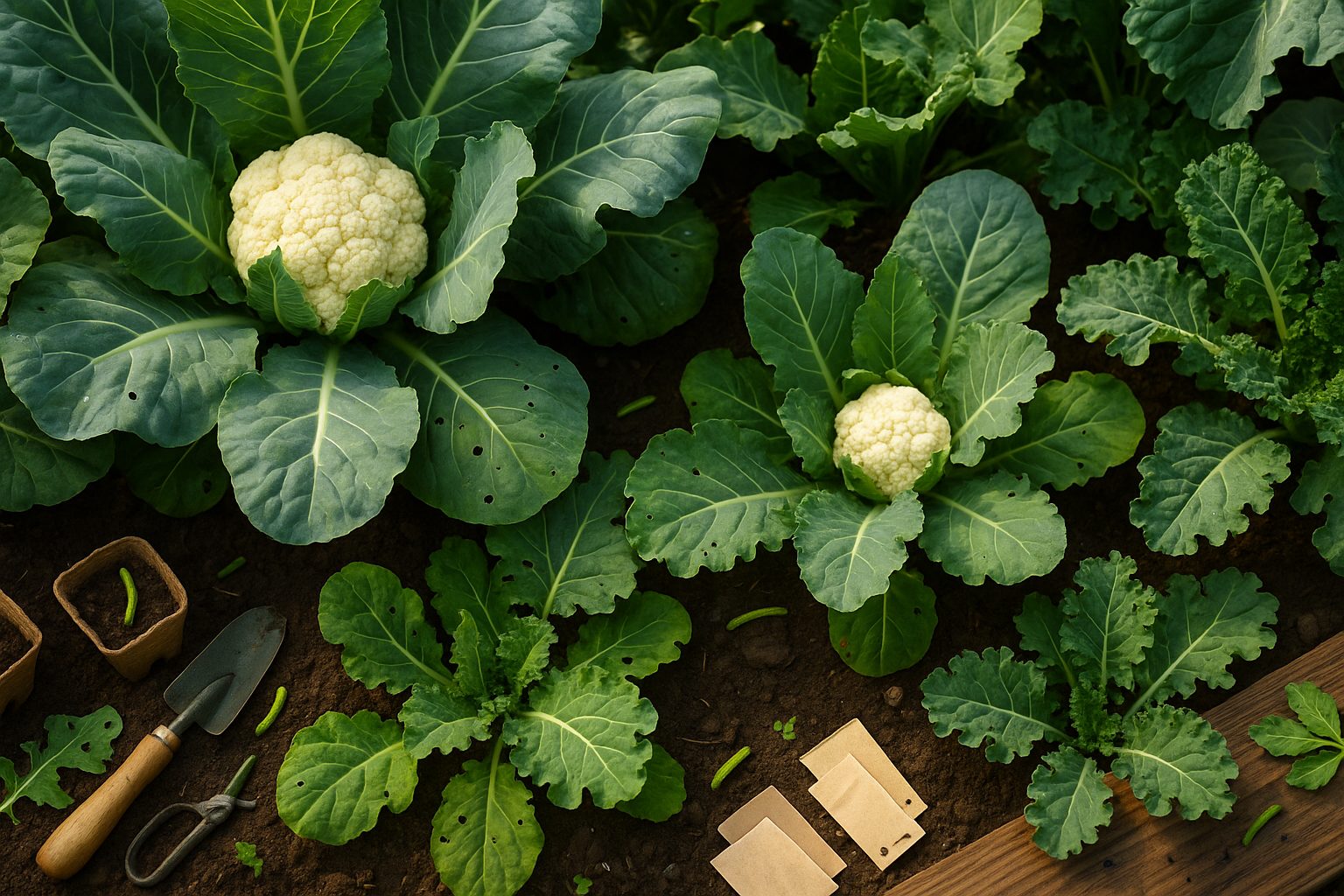
Spotting cabbage worms on cauliflower can be an unwelcome surprise for anyone who tends a garden or grows fresh vegetables. These small green caterpillars, often called imported cabbageworms, are the larvae of the white cabbage butterfly—a familiar sight fluttering around vegetable beds in early summer. Cabbage worms stand out for their velvety, bright-green bodies, slender shape, and faint yellow stripes, which help them blend perfectly among cauliflower leaves, making early detection a challenge. They’re most commonly found chewing holes in leaves or hiding under the foliage of cole crops, particularly enjoying the protective nooks that cauliflower, cabbage, broccoli, and kale provide.
The cabbage worm lifecycle starts when adult butterflies lay small yellow eggs on the underside of leaves. These hatch after about a week, releasing the hungry larvae that begin feeding right away. After two to three weeks of munching through your prized crops, they pupate and eventually emerge as butterflies to repeat the cycle. Depending on your climate, there can be several generations in one growing season, compounding the problem quickly.
Their appetite leaves not only unsightly holes but also reduces crop yields and can spread plant diseases through open feeding wounds. For both home gardeners and commercial growers, cabbage worms on cauliflower and related vegetables aren’t just a cosmetic issue—heavy infestations can ruin harvests and affect the quality of your hard-earned produce. Being vigilant and understanding their habits is the first step to stopping these persistent pests from claiming your garden.
How to Identify Cabbage Worms and Their Damage
Cabbage worm pests can be tricky to spot, but knowing their differences is key to saving your crops. Imported cabbageworm larvae are velvety green with a faint yellow stripe running down their backs and can often be seen moving sluggishly on leaves. Cabbage loopers look a bit different—they’re lighter green and have white or pale stripes along their sides, arching their bodies in a looping motion as they crawl. Diamondback moth larvae are smaller, slender, and pointed at both ends, typically light green with fine hairs, and they wriggle rapidly when disturbed.
These larvae all feed on cabbage and related plants, leaving tell-tale signs:
- Irregular holes chewed through leaves
- Greenish-brown droppings (frass) scattered around feeding sites
- Sometimes boring into the heads or center of cabbage
An early warning sign is the appearance of small, yellow or white eggs on the undersides of leaves—use a magnifying glass for a better view. Regularly check your plants in the morning; look for larvae hiding near leaf veins or in the plant’s heart, as they tend to avoid midday heat. Examine new growth and leaf undersides carefully, since damage often starts there.
If you notice ragged leaf edges, dark pellets of frass, or fraying in the cabbage head, act quickly. Picking off larvae by hand is effective in light infestations. Spotting these pests and their damage early—before leaves are riddled or heads ruined—can help you take fast, targeted action to prevent a total loss.
Biology and Life Cycle of Cabbage Worms
Understanding the biology and life cycle of cabbage worms is key to controlling their impact in your garden. These pests typically start as adult cabbage white butterflies or moths, which are easy to spot with their pale wings flitting around brassica plants. Females lay tiny yellow or white eggs on the undersides of cabbage leaves, often in clusters that can be hard to see at first glance.
Within a week, these eggs hatch into hungry green larvae—the infamous cabbage worms—which immediately begin munching on leaves, causing visible holes and ragged edges. After about two to three weeks of feeding, the larvae pupate, forming a small chrysalis often attached to leaves or stems. They remain there for up to two weeks before emerging as new adults, ready to repeat the cycle.
This lifecycle from egg to adult can take as little as 30 days, and in warm weather, several generations can occur throughout the growing season, typically peaking in late spring and late summer. Because cabbage worms reproduce so quickly and populations surge fast, it’s crucial for gardeners to monitor plants regularly—especially during these peak infestation windows—for signs of eggs or young larvae.
Interventions like hand-picking larvae, using row covers, or applying biological controls such as Bacillus thuringiensis (Bt) are most effective when timed just as eggs hatch and before larvae can cause severe damage. By matching your control strategies to this rapid lifecycle, you can significantly reduce cabbage worm damage and protect your crops throughout the season.
Safe and Natural Prevention Methods
Protecting your cabbage and other brassicas from cabbage worms doesn’t require harsh chemicals—there are plenty of natural, effective strategies you can use in your garden. Start with physical barriers like lightweight row covers to keep butterflies from laying eggs on your plants; just be sure to secure the edges well.
Make a habit of inspecting leaves regularly and handpicking any visible caterpillars or eggs—kids love helping with this, turning pest control into a fun family scavenger hunt!
Good garden sanitation is also crucial: clean up fallen leaves and old plant debris to eliminate overwintering sites for pests.
Companion Planting
This is another powerful tool—herbs like dill, sage, and thyme not only taste great but can confuse or deter cabbage moths. Brightly colored flowers like marigolds and nasturtiums act as decoys or repellents, drawing pests away from your veggies.
Encouraging Natural Predators
You can make a big difference by planting nectar-rich flowers such as alyssum or yarrow nearby to attract parasitic wasps and ladybugs. Meanwhile, a bird bath invites feathered friends who love snacking on caterpillars.
Crop Rotation and Timing
Crop rotation helps break pest cycles—avoid planting cabbage family members in the same spot two years in a row. Also, stagger sowing times to sidestep peak worm infestations, which often happen in late spring or early summer.
By mixing these methods, you’ll keep your plants healthier and your garden more resilient, all without resorting to synthetic sprays.
Effective Management and Control Strategies
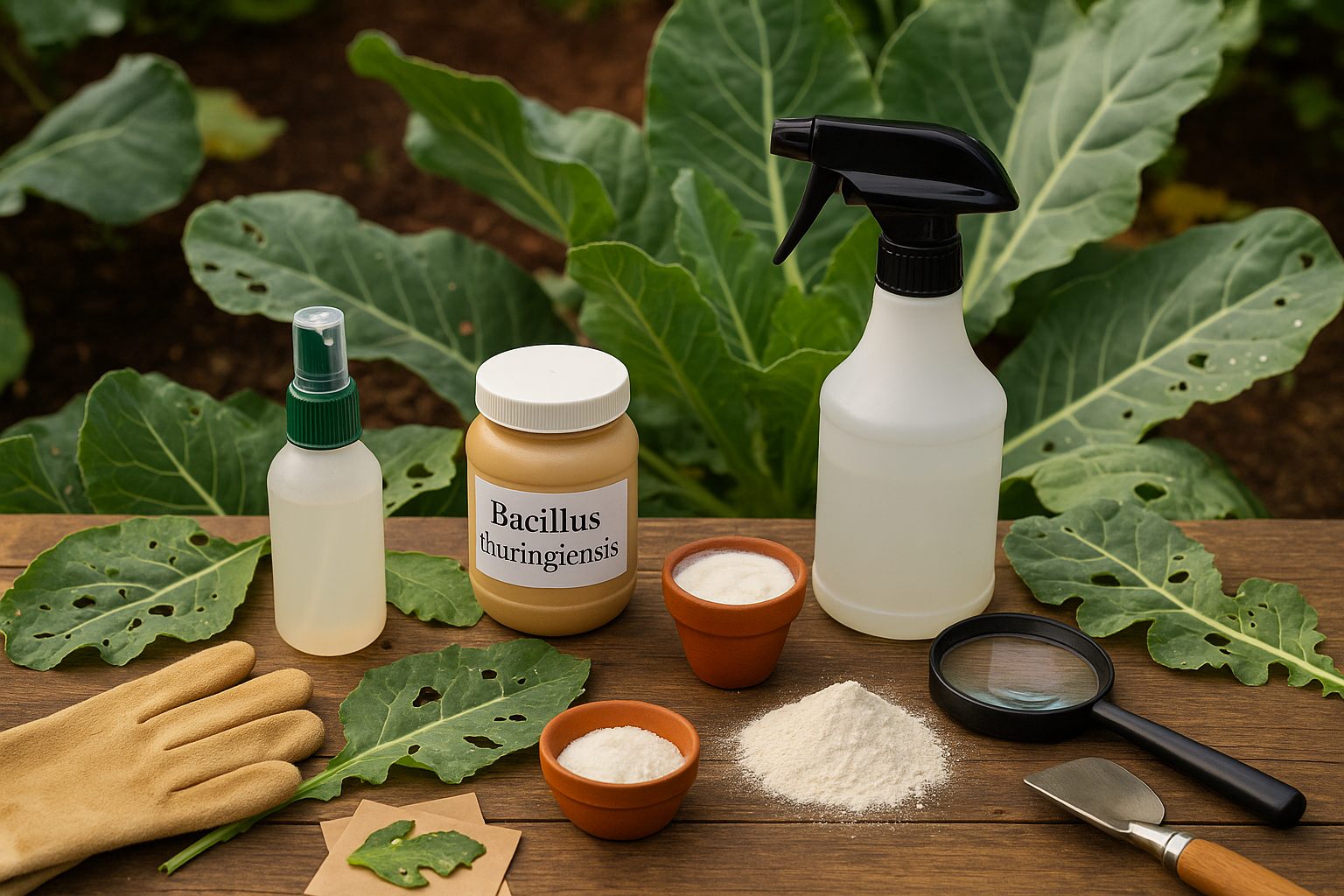
Managing pests in your garden or on the farm doesn’t have to rely solely on harsh chemicals—organic treatments offer effective, eco-friendly alternatives. Bacillus thuringiensis (Bt), for instance, is a naturally occurring bacterium that targets caterpillar pests without harming beneficial insects, making it ideal for use on vegetables like tomatoes and cabbage.
Neem oil is another go-to option, working both as a repellent and insect growth inhibitor; it can be sprayed on crops to deter aphids, whiteflies, and spider mites. Insecticidal soap is a safe solution for soft-bodied insects and is easy to apply with minimal residual impact. Meanwhile, diatomaceous earth, a fine powder made from fossilized algae, works by dehydrating crawling insects like slugs and beetles when sprinkled around plant bases.
While these options suit home gardeners looking for safe, practical solutions, commercial farms may sometimes require chemical pesticides for large-scale infestations. However, using chemicals judiciously—following label directions, applying only when necessary, and observing pre-harvest intervals—can minimize risks to food safety and the environment.
Whether you’re tending a backyard plot or running a large farm, integrated pest management (IPM) is considered the gold standard. This approach combines routine monitoring, encourages beneficial insects, rotates crops, and keeps detailed records of pest activity and treatments.
For ongoing success, check plants regularly for signs of trouble, act quickly with spot treatments, and adjust your approach each season based on what you observe. This proactive, balanced strategy not only keeps pests in check but also helps preserve pollinators and the overall health of your growing space.
Is It Safe to Eat Cabbage with Worm Damage?
It’s natural to be concerned when you spot small holes or trails left by worms in your cabbage, but in most cases, cabbage with minor worm damage is safe to eat—as long as you take a few important steps.
First, always give the cabbage a thorough inspection, peeling away and discarding any outer leaves that are heavily damaged or show signs of decay. Next, wash the cabbage under running water, paying special attention to crevices where tiny larvae might hide. Soaking the leaves in a saltwater solution for 15-30 minutes can also help draw out any lingering worms.
If you notice dark spots, slimy patches, or a sour smell, it’s best to err on the side of caution and toss those sections—or the entire head if it seems badly affected. While most worms and their residue aren’t harmful after proper cleaning, seriously infested or rotting cabbage can pose a risk of foodborne illness if consumed.
In summary, small worm holes do not make cabbage unsafe, but thorough cleaning and careful inspection are essential for peace of mind and safe eating.
Summary and Further Resources
Cabbage worms can quickly damage broccoli, kale, and other brassicas, so early identification is key. Watch for ragged holes in leaves, small green caterpillars, and white butterflies fluttering nearby.
To prevent infestations, try:
- Covering plants with lightweight row covers
- Handpicking caterpillars when you spot them
- Rotating crops each season
- Regularly checking the undersides of leaves for eggs and removing them promptly
Maintaining a healthy, diverse garden also helps attract natural predators like birds and wasps. Staying vigilant with weekly garden inspections can make all the difference in keeping cabbage worms under control and ensuring a healthy harvest.
For more detailed tips and support, check out your local cooperative extension service or trusted gardening websites like the Old Farmer’s Almanac or university horticulture pages.