Introduction
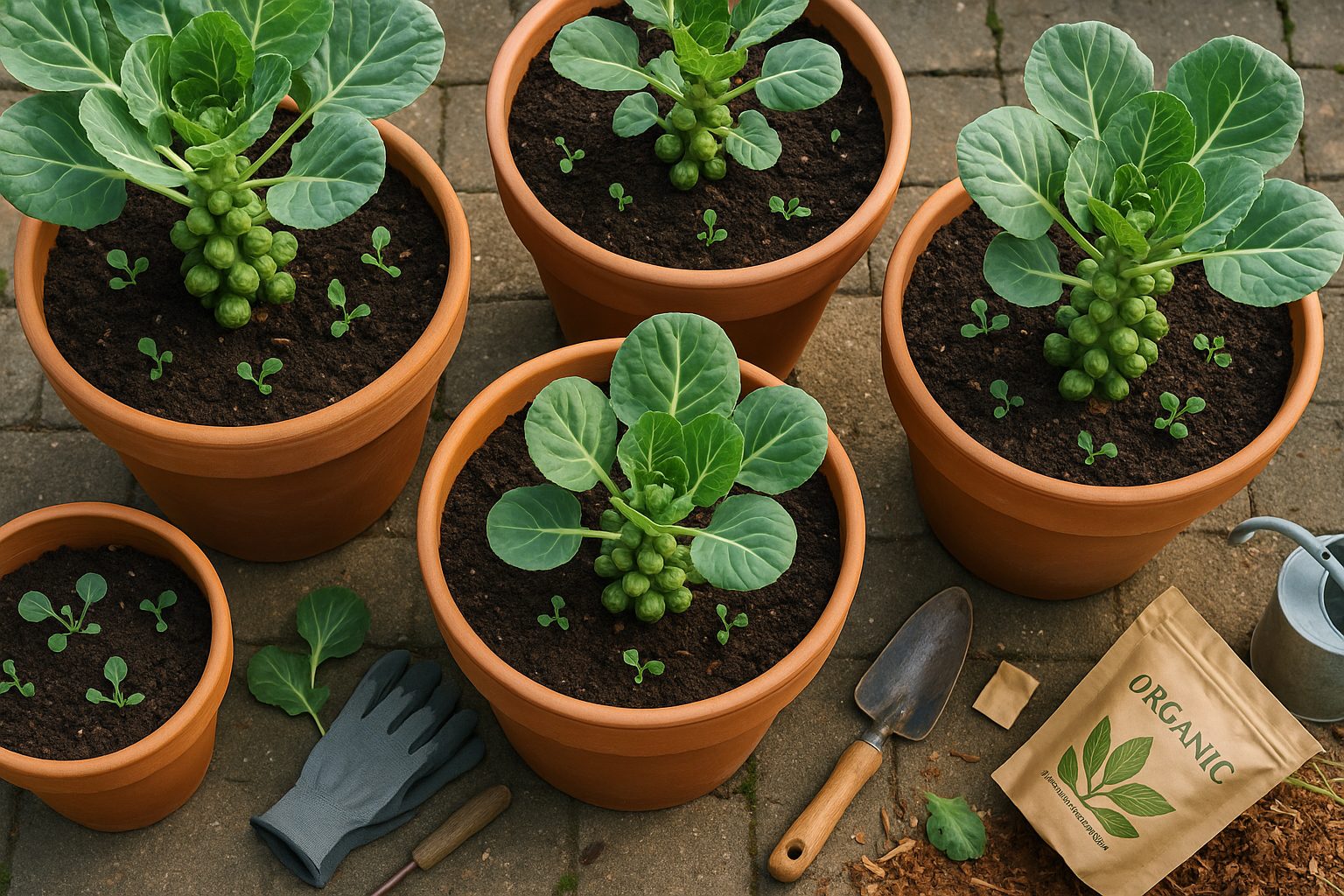
Growing brussels sprouts in containers might sound challenging, but for city dwellers or anyone with limited garden space, it’s a flavorful and practical solution. Known for their unique, nutty taste and impressive nutrition, Brussels sprouts have become a popular choice for home gardens. But what if your outdoor space is limited to a balcony or a small patio? Can you really grow a healthy crop of these compact cabbages in pots or planters? The answer is yes—with the right know-how.
In this article, we’ll cover the essentials of growing Brussels sprouts in containers, from choosing the best pot and soil mix to managing sunlight, watering, and pest control. You’ll also find real-world tips for maximizing your harvest in tight spaces and avoiding common mistakes. Whether you’re a beginner looking for a rewarding gardening project or a seasoned grower with space limitations, this guide offers practical advice to help you succeed. Ready to bring homegrown Brussels sprouts to your table, even with limited room? Let’s dig in.
Benefits of Growing Brussels Sprouts in Containers
Growing Brussels sprouts in containers offers numerous advantages that make this nutritious vegetable more accessible to a wide range of gardeners. One of the biggest benefits is space efficiency—whether you live in an urban apartment, have a small backyard, or just a balcony, container gardening lets you grow Brussels sprouts where traditional garden beds simply won’t fit.
Portability is another major perk. When your plants are in pots, you can move them to follow the sun, shield them from strong winds, or bring them indoors if unexpected cold snaps threaten your crop. Having control over the soil is invaluable for Brussels sprouts, which thrive in rich, well-draining soil. In a container, you can customize the growing medium exactly to their needs and avoid compacted or depleted native soils.
Pest and disease management becomes easier too. By elevating your plants and using fresh potting mix, you reduce the risk of soil-borne issues and make it easier to spot and address problems before they escalate. Containers are also ideal for gardeners with mobility concerns, as you can place pots at convenient heights to make planting, maintenance, and harvesting less strenuous—perfect for those with back or knee issues.
Another often overlooked benefit is the potential to extend the growing season. As fall approaches, you can reposition containers against a warm wall or even move them into a sheltered spot like a greenhouse, protecting your Brussels sprouts from early frosts and allowing for a longer harvest.
In short, whether you’re limited on space, aiming for healthier plants, or looking for a more flexible gardening experience, growing Brussels sprouts in containers is a smart solution that brings this cool-season favorite within reach for just about anyone.
Selecting the Right Container and Soil for Brussels Sprouts in Containers
Choosing the right container is a crucial first step when growing brussels sprouts in containers. Since brussels sprouts develop a substantial root system and tall stalks, each plant requires a container that is at least 12–16 inches in diameter and just as deep. This provides enough space for the roots to spread and supports stable growth.
Opt for containers made from sturdy materials like thick plastic, glazed ceramic, or wood. These materials hold up well outdoors and help insulate the roots from temperature fluctuations. Make sure your container has several drainage holes at the bottom to prevent soggy soil, which can stunt growth or cause root rot.
For soil, brussels sprouts prefer a rich, well-draining mix. A high-quality potting mix designed for vegetables is ideal. It’s also a good idea to amend it with a couple of scoops of compost or well-rotted manure to boost fertility. Aim for a soil pH between 6.0 and 7.5—slightly acidic to neutral. You can test your soil with an at-home kit and add garden lime if you need to raise the pH.
Good drainage is essential, so consider mixing in a handful of perlite or coarse sand along with your compost when filling the container. This ensures water flows well without pooling. Before planting, fill the container to about two inches below the rim to allow space for watering, and moisten the mix thoroughly so it’s damp but not soggy.
To prevent soil from washing out, you might also place a few small rocks or a piece of mesh over the drainage holes inside the base of the container. With the right setup from the start, your brussels sprouts in containers will have the best chance to thrive.
Planting Brussels Sprouts in Containers: Step-by-Step
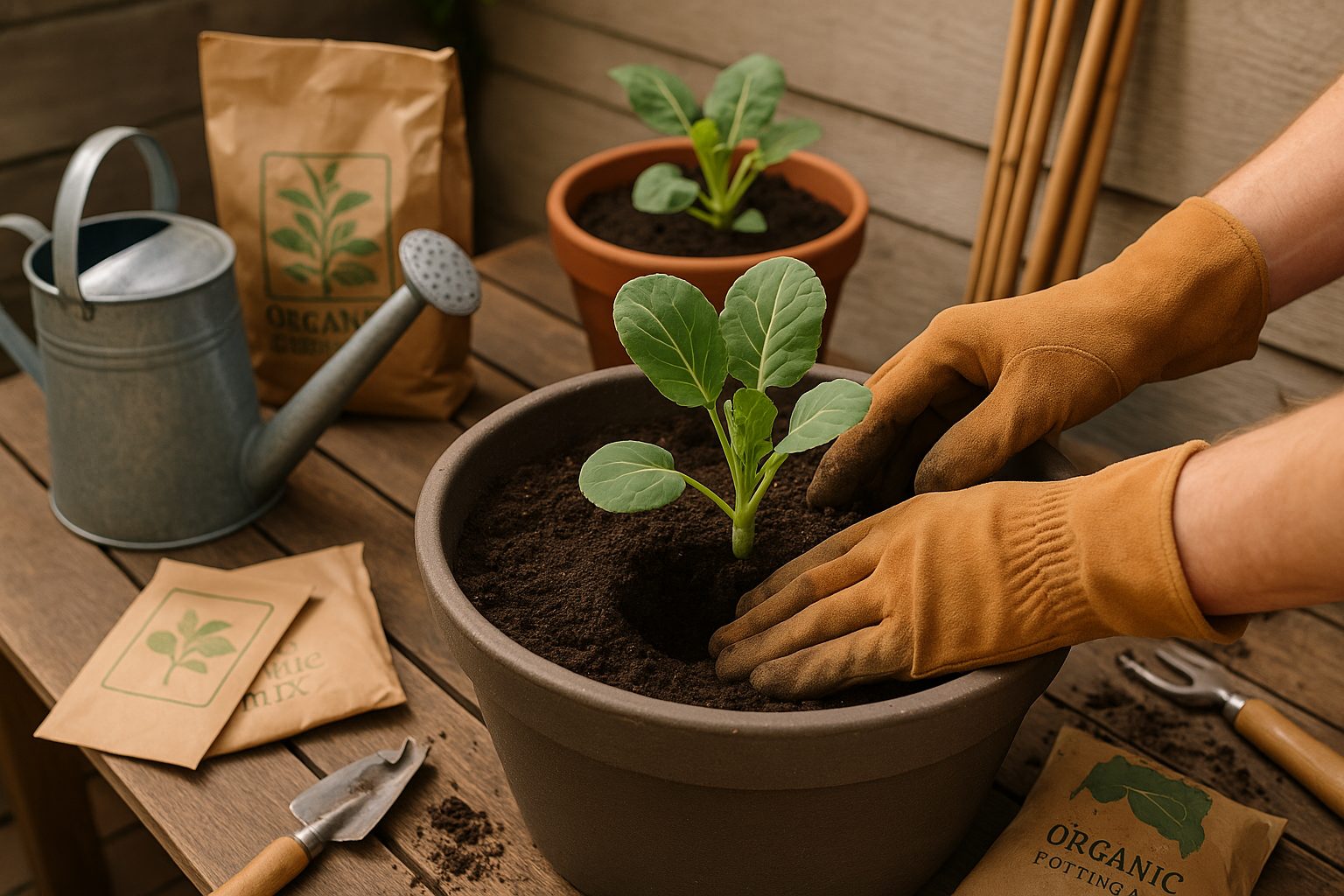
Growing brussels sprouts in containers begins with deciding whether to start from seeds or young transplants. If you’re sowing seeds, fill your container with high-quality potting soil and plant the seeds about half an inch deep, gently pressing them into the soil. For transplants—which can speed up growth and avoid some early challenges—dig small holes just deep enough to cover the root ball.
Space is crucial when growing brussels sprouts in containers. They need plenty of room to thrive. In a large container that holds at least 5 gallons of soil, you can generally fit one plant comfortably. If you have a long rectangular trough (at least 18 inches across), space plants 18–24 inches apart to prevent crowding. Using small containers or crowding the plants will stunt their growth and reduce your harvest, so resist the urge to squeeze in extras.
After planting, water thoroughly so the soil is moist but not soggy—consistent moisture is key, especially in containers where the soil can dry out quickly. Place the container in a spot where your brussels sprouts will get at least 6 hours of direct sunlight daily; a south-facing patio or balcony is ideal.
Brussels sprouts prefer cooler weather and do best with daytime temperatures between 60–70°F (16–21°C). In hotter regions, plant in early spring or in late summer to ensure the crop matures in cooler weather. If you’re planting during a hot spell, move the container to a spot with afternoon shade or use a shade cloth.
To help seedlings or transplants adjust, set the container outdoors for a few hours each day over one week before leaving it out full-time. This “hardening off” process prevents shock and helps your brussels sprouts get off to a strong start in their new home.
Caring for Brussels Sprouts in Containers
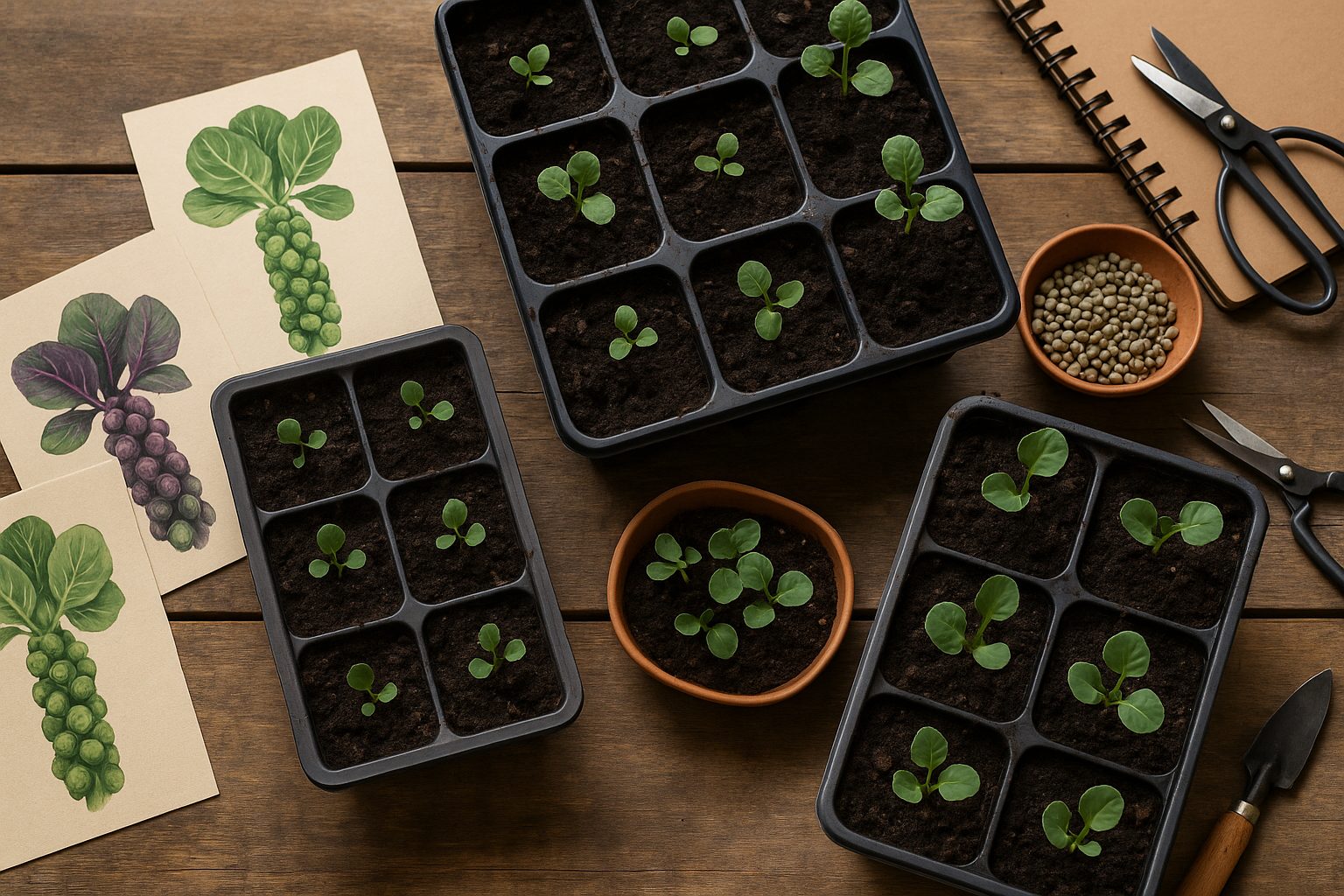
Caring for brussels sprouts in containers requires a bit more hands-on attention than growing them in the ground, but with some mindful routines, you’ll set your plants up for a healthy harvest. Watering is the most critical task—container soil dries out faster, especially during summer, so check moisture daily and aim to keep the soil evenly damp but never soggy. Water deeply when the top inch feels dry, ideally in the morning to avoid leaf diseases.
Brussels sprouts are heavy feeders, so starting with a rich, compost-filled potting mix is helpful, but don’t stop there. Supplement every three to four weeks with a balanced liquid fertilizer, or choose a slow-release granular type, following the manufacturer’s dosage to maintain steady growth without becoming overly lush.
Pest and Disease Management
Pest and disease management is essential for container-grown brussels sprouts since confined spaces can concentrate problems quickly. Watch for common pests like aphids, cabbage worms, and slugs—inspect leaves often, especially the undersides, and handpick any you find. Insecticidal soap or neem oil can help with repeated infestations and are gentle enough not to harm beneficial insects.
Good airflow around your pots helps prevent fungal diseases like mildew and black spot. Remove any yellowing or damaged lower leaves promptly, and clean up fallen debris on the soil surface to minimize disease risk.
Additional Tips for Healthy Growth
- Rotate your containers every week or two so all sides receive even sunlight, encouraging straight growth and reducing legginess.
- As brussels sprouts can grow over two feet tall, provide sturdy support using bamboo stakes or tomato cages, securing them gently to the main stem as they grow.
Regular care, observation, and a few preventive measures will keep your brussels sprouts in containers thriving right up to harvest time.
Common Challenges and How to Overcome Them
Growing brussels sprouts in containers can be incredibly rewarding, but it does come with a few unique challenges. One common issue is that the roots can easily become root-bound, especially if the pot is too small. To prevent this, choose a container that is at least 12–16 inches deep and wide, and consider repotting if your plant seems crowded.
Overheating is another hurdle, as container-grown plants tend to heat up quickly under direct sun. To counteract this, place your containers in spots where they get morning sun and some afternoon shade, or insulate the pot with mulch or a light-colored cover to keep the roots cool.
Nutrient deficiencies can also arise because pots have limited soil to hold nutrients. It’s a good idea to mix in slow-release fertilizer before planting and supplement with a balanced liquid feed every few weeks during the growing season.
Don’t let these setbacks deter you—many gardeners have great success with brussels sprouts in containers by staying proactive, adjusting their care, and learning from experience. With a little extra attention, it’s entirely possible to grow healthy, delicious brussels sprouts right on your patio or balcony.
Harvesting and Enjoying Your Crop
Knowing when to harvest brussels sprouts in containers starts with spotting firm, round sprouts about one to two inches wide, snugly nestled along the plant’s stalk. The lower sprouts mature first, so begin checking them once they reach full size and feel compact—usually around 85-100 days after planting.
To harvest, gently twist each sprout off or use clean scissors to snip them from the stalk, working from the bottom up as the sprouts mature. Be sure to remove any yellowing lower leaves to keep the plant healthy and encourage more growth. For a bigger, tastier yield, pinch off the top growing tip about a month before the first expected frost; this helps the plant focus its energy on maturing the remaining sprouts.
Once picked, soak the sprouts in cold water, then dry and store them in a breathable bag in the fridge—they’ll stay fresh for up to two weeks.
To enjoy your homegrown bounty, try roasting sprouts with olive oil, garlic, salt, and pepper until golden and crispy, or sauté them quickly with a splash of balsamic vinegar. Even simple steaming, seasoned with butter or lemon juice, brings out their naturally nutty flavor.
Conclusion
Growing brussels sprouts in containers is not only doable but also very rewarding, especially if you have limited garden space or want better control over soil quality and pests. With the right pot size, consistent watering, and a sunny location, you can enjoy a healthy harvest right from your patio or balcony. Give it a try—watching those little sprouts grow is truly satisfying! If you decide to grow brussels sprouts in containers, let us know how it goes. Share your tips, success stories, or any questions in the comments below—we’d love to hear from you!