How to Choose and Buy Brussels Sprouts
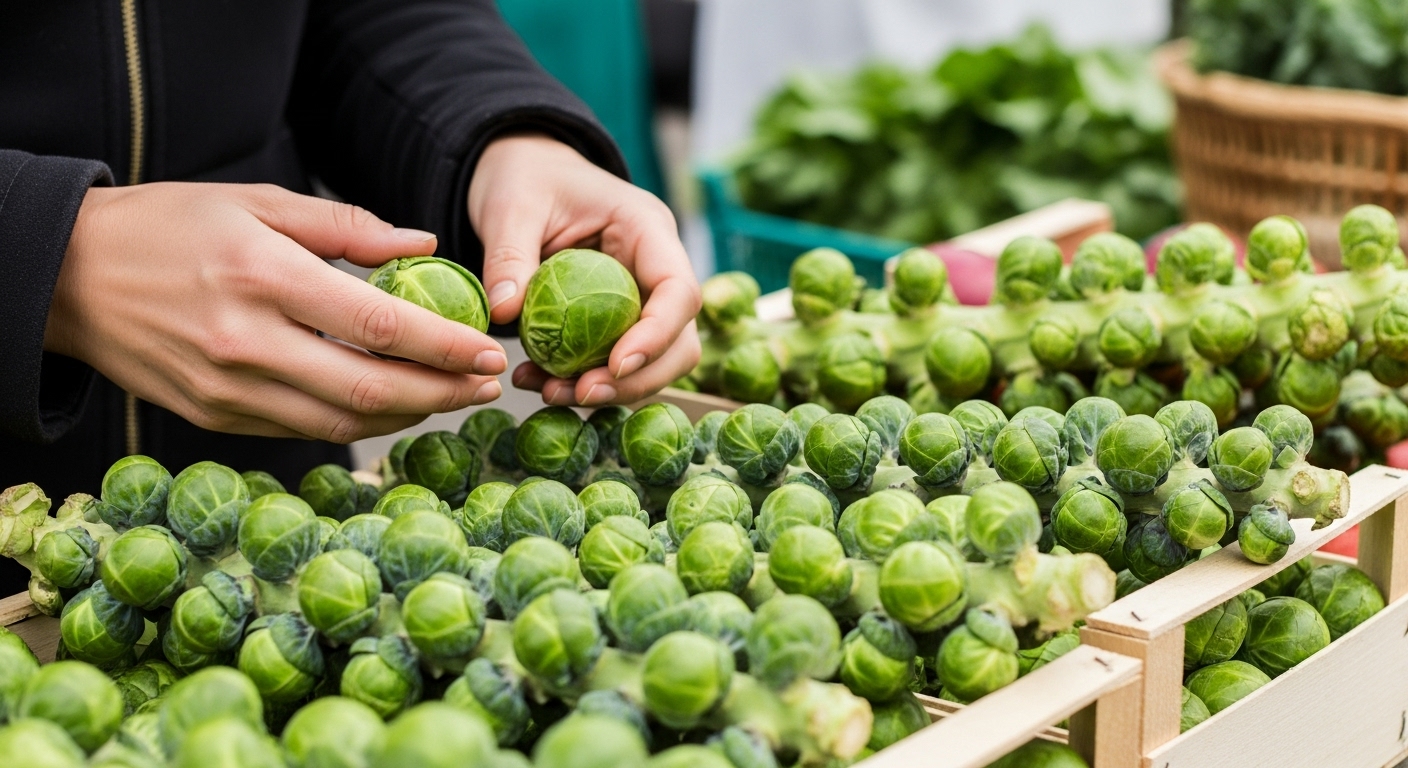
If you’re interested in year-round brussels sprouts, knowing how to pick the best ones can make all the difference in taste and texture, whether you’re harvesting from your own garden or shopping at the store. When selecting Brussels sprouts, look for those that are firm to the touch—soft spots usually mean they’re past their prime. The color should be vibrant, with deep green or even purple hues depending on the variety. Avoid any sprouts that appear yellowed or wilted. Uniform size matters too; similarly sized sprouts will cook more evenly, so aim for those with a consistent diameter, ideally around 1 to 1.5 inches.
You might notice Brussels sprouts sold both loose and still attached to the stalk. Buying them on the stalk offers a distinct freshness advantage: the stalk helps keep the sprouts moist and crisp, slowing down the aging process. If you opt for loose sprouts, check the stem end—avoid any with dry or browning edges, as these are signs of age. Also, dense, heavy sprouts are a good indicator of freshness, no matter how they’re sold.
Varieties to Explore
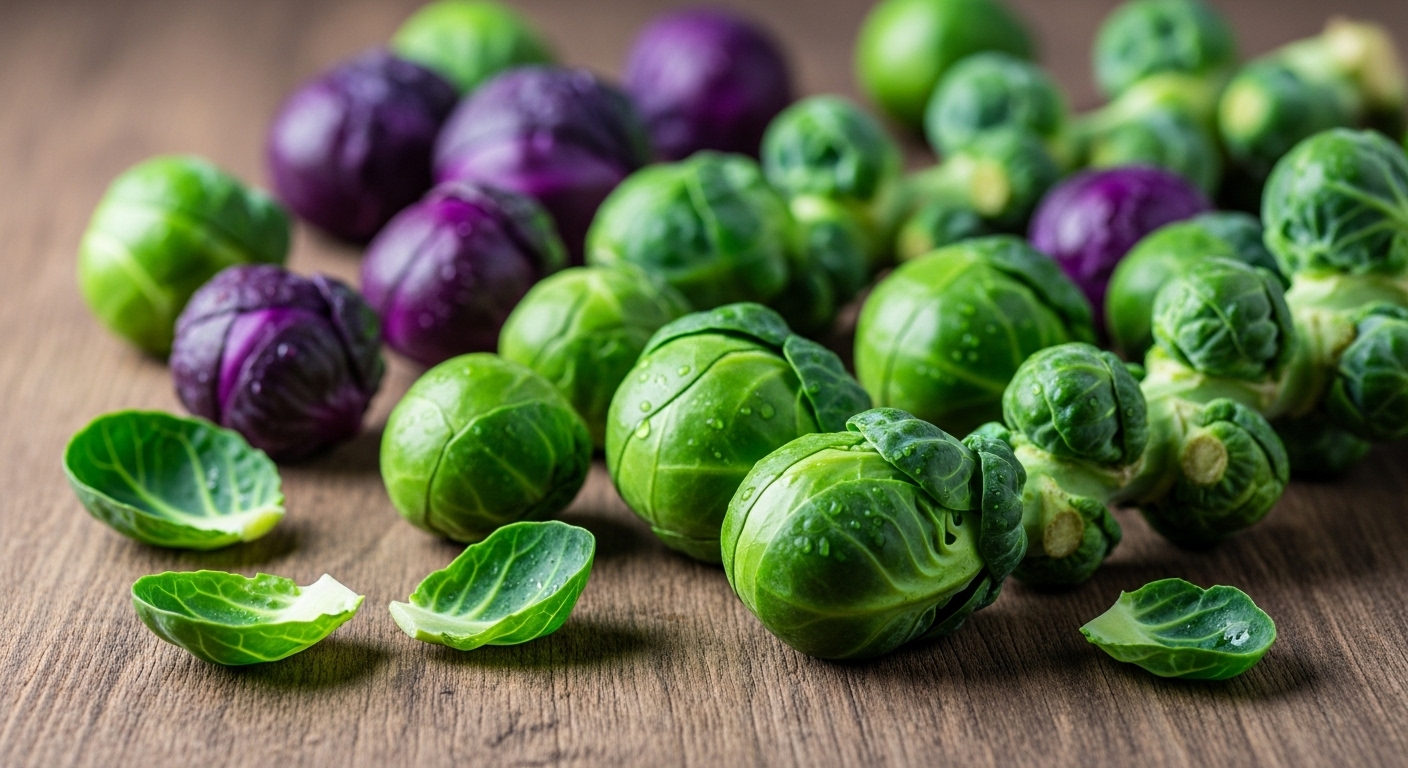
There are several varieties of Brussels sprouts to explore, most commonly green and purple. Green Brussels sprouts have the classic flavor: mild, slightly nutty, with a pleasant cabbage-like crunch. Purple varieties, on the other hand, tend to be a bit sweeter and milder, with a striking color that holds up through cooking, making them great for adding visual appeal to dishes. While all types are delicious roasted, sautéed, or even raw in salads, the subtle differences in flavor and texture can help you choose the right variety for your taste.
Armed with these tips, you’ll be ready to select the best year-round Brussels sprouts for every meal.
When and Where to Buy Brussels Sprouts: Seasonality Guide
Brussels sprouts are at their best from late fall through early spring, with peak season varying depending on your location. In cooler regions like the northern United States and Canada, harvest usually begins around September or October and continues through February. In milder climates such as California, local sprouts can be found as early as August and sometimes into March.
For the most flavorful and nutritious Brussels sprouts, aim to buy them when they’re freshly harvested. Cooler weather actually sweetens their taste, as the plant converts starches into sugars after a frost. You’ll notice the difference at farmers markets and local farm stands, where sprouts are often sold still on the stalk. This method not only keeps them fresher longer but also allows you to pick out the brightest, tightly packed heads.
Supermarkets can be a convenient alternative, but be sure to check that the sprouts are firm, vibrantly green, and free from yellowing leaves. For the freshest experience, chat with local vendors about when their sprouts are harvested, or look for regional labels at your grocery store. By learning when Brussels sprouts are in season in your area and buying from trusted sources, you’ll enjoy the best flavor, crunch, and nutritional value in every bite.
Storing and Keeping Brussels Sprouts Fresh
To keep Brussels sprouts fresh and flavorful, it’s important to store them properly as soon as you bring them home. For the best refrigeration results, keep untrimmed Brussels sprouts on the stalk or loose and unwashed in a breathable produce bag in your fridge’s crisper drawer—this way, they stay fresh for up to two weeks.
Trimmed sprouts (those with outer leaves removed and stems cut) have a shorter shelf life and should be used within a week. If you notice excess moisture in the bag, add a dry paper towel to absorb it and prevent the sprouts from turning slimy.
For long-term storage, blanch whole or halved sprouts in boiling water for a few minutes, then cool and freeze them in airtight containers. Frozen Brussels sprouts keep their quality for about a year.
Avoid storing sprouts near produce that emits ethylene gas, like apples or bananas, as it speeds up spoilage. Finally, don’t wash the sprouts until you’re ready to use them—washing too early can encourage mold and off-flavors.
By following these simple guidelines, you’ll ensure your Brussels sprouts are crisp, tasty, and ready for your next meal.
Preparing Brussels Sprouts for Cooking
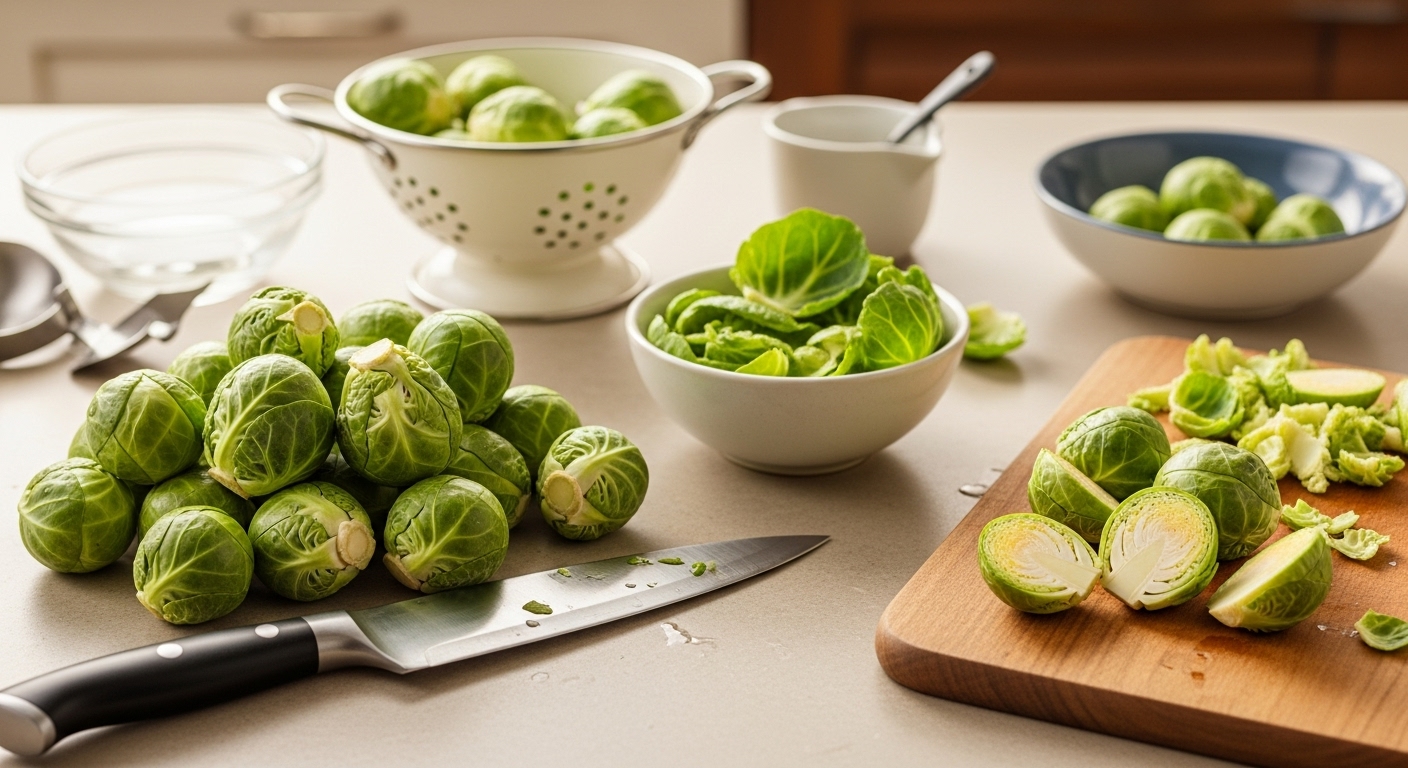
Getting Brussels sprouts ready for your favorite recipes is straightforward, but a few key steps make a big difference. Start by rinsing the sprouts under cool running water to remove any dirt or grit. Next, trim the stem end—just a thin slice to remove the tough base. At this point, check the outer leaves; if they look wilted, yellow, or damaged, simply peel them away for a fresher result.
Whether to leave the sprouts whole or slice them depends on your recipe:
- Leave them intact for roasting or steaming.
- Cut them in half to speed up cooking or encourage caramelization.
- Shred them with a sharp knife or food processor if making salads or slaws.
When using Brussels sprouts raw, as in salads, make sure they’re very fresh and sliced thinly so they have a pleasing texture. Beans and seeds like pumpkin or sunflower add extra crunch and nutrition. Raw sprouts are safe to eat, but those with sensitive stomachs may find them easier to digest when lightly cooked.
For cooked dishes, rather than boiling, try roasting, sautéing, or stir-frying to preserve nutrients and flavor. Avoid overcooking—Brussels sprouts should be tender but still bright green.
Following these prep tips ensures you get delicious results, whether your sprouts are starring in a classic roasted side or a fresh, crunchy salad.
How to Cook and Season Brussels Sprouts
Brussels sprouts can really shine when cooked and seasoned the right way, and knowing your options helps you get the best results.
Roasting is a favorite—simply toss halved sprouts in olive oil, salt, and pepper, spread them on a baking sheet, and roast at 400°F for about 20-25 minutes until crispy and browned.
Sautéing is quick and builds great flavor too: slice sprouts thin, cook them in a hot skillet with oil or butter, and finish with a squeeze of lemon juice.
Steaming is a gentler method; just don’t overdo it—five to seven minutes is enough to keep them bright and tender, not mushy.
Grilling adds pleasant smokiness, especially if you marinate the sprouts first and use a grill basket to prevent them from falling through.
Seasoning Tips
To bring out their best taste, get creative with seasonings. Fresh herbs like thyme or rosemary, a sprinkle of garlic powder, and a kick of crushed red pepper can liven things up. Adding crispy chopped bacon or finishing with a drizzle of tangy balsamic glaze takes them to another level. You can even toss in some grated Parmesan cheese for a savory punch.
Common Mistakes to Avoid
- Overcooking: This turns Brussels sprouts bitter and limp—start checking them a few minutes before they seem “done.”
- Under-seasoning: Because sprouts are naturally mild, generous salt and layering flavors makes all the difference.
- Not drying thoroughly: After washing, make sure to dry them well so they crisp up properly, especially when roasting or sautéing.
With these techniques and a dash of creativity, Brussels sprouts can go from a dinner-table afterthought to a crave-worthy side dish that disappears fast.
Nutrition and Health Benefits of Brussels Sprouts
Brussels sprouts pack a powerful nutritional punch, offering ample fiber, vitamin C, vitamin K, and antioxidants in every small serving. Just half a cup contains about two grams of fiber, which supports healthy digestion and helps keep you feeling full longer.
The high vitamin K content plays an important role in blood clotting and bone health, while vitamin C boosts your immune system and aids in iron absorption. Antioxidants like kaempferol help fight off inflammation and reduce oxidative stress, which may lower the risk of chronic diseases.
Thanks to their nutrient profile, eating Brussels sprouts can help support heart health by improving cholesterol levels, while their high fiber content benefits your gut by promoting better bowel regularity.
Many people think Brussels sprouts are just tiny cabbages, but while they’re related (both are in the brassica family), the taste and texture set them apart. Roasting or sautéing can transform their flavor from bitter to deliciously caramelized, making them a nutritious and tasty addition to any meal.