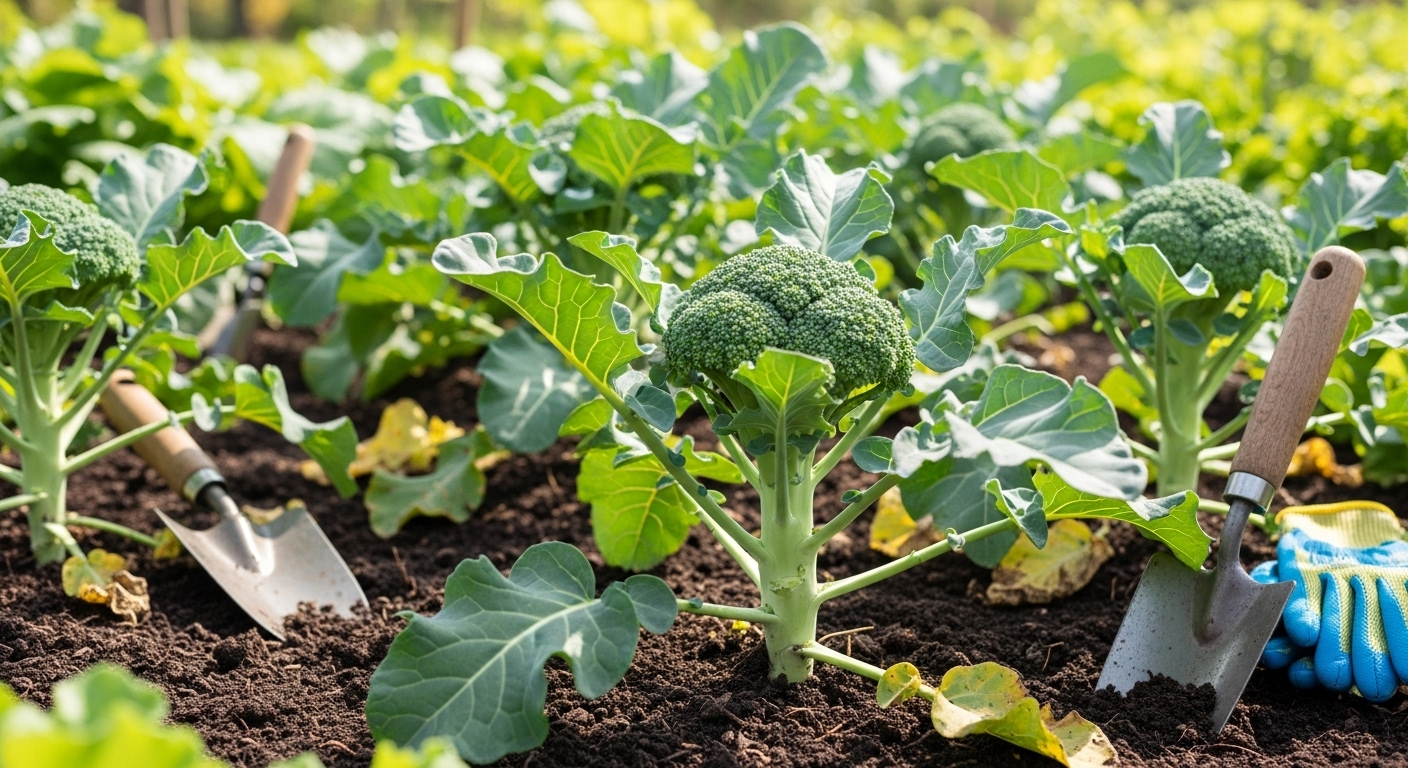
Introduction to Growing Broccoli
When planning your vegetable garden, understanding the right amount of sunlight for broccoli is essential for a healthy, productive crop. Broccoli is a favorite among home gardeners—appreciated not only for its crisp texture and rich, earthy flavor but also for its impressive nutritional profile packed with vitamins, minerals, and antioxidants. Whether you’re a beginner hoping to harvest your first homegrown florets or an experienced green thumb aiming to perfect your techniques, broccoli rewards patient care with bountiful harvests that can boost any meal.
Part of the appeal is broccoli’s versatility—it thrives in garden beds, raised plots, and even large containers. This adaptability, paired with its cool-weather resilience, makes it an excellent choice for various climates. However, what truly determines your success with broccoli is understanding its sunlight needs. Too much or too little sun can impact everything from growth rate to flavor and head size.
In this article, we’ll dive into the specifics of sunlight for broccoli and why this factor matters. You’ll learn how to choose the best spot in your garden, the basics of planting and daily care, how to tackle common challenges like pests or bolting, and harvesting tips for peak freshness. By the end, you’ll feel confident growing this powerhouse vegetable right at home!
Choosing the Right Broccoli Variety and Planting Time
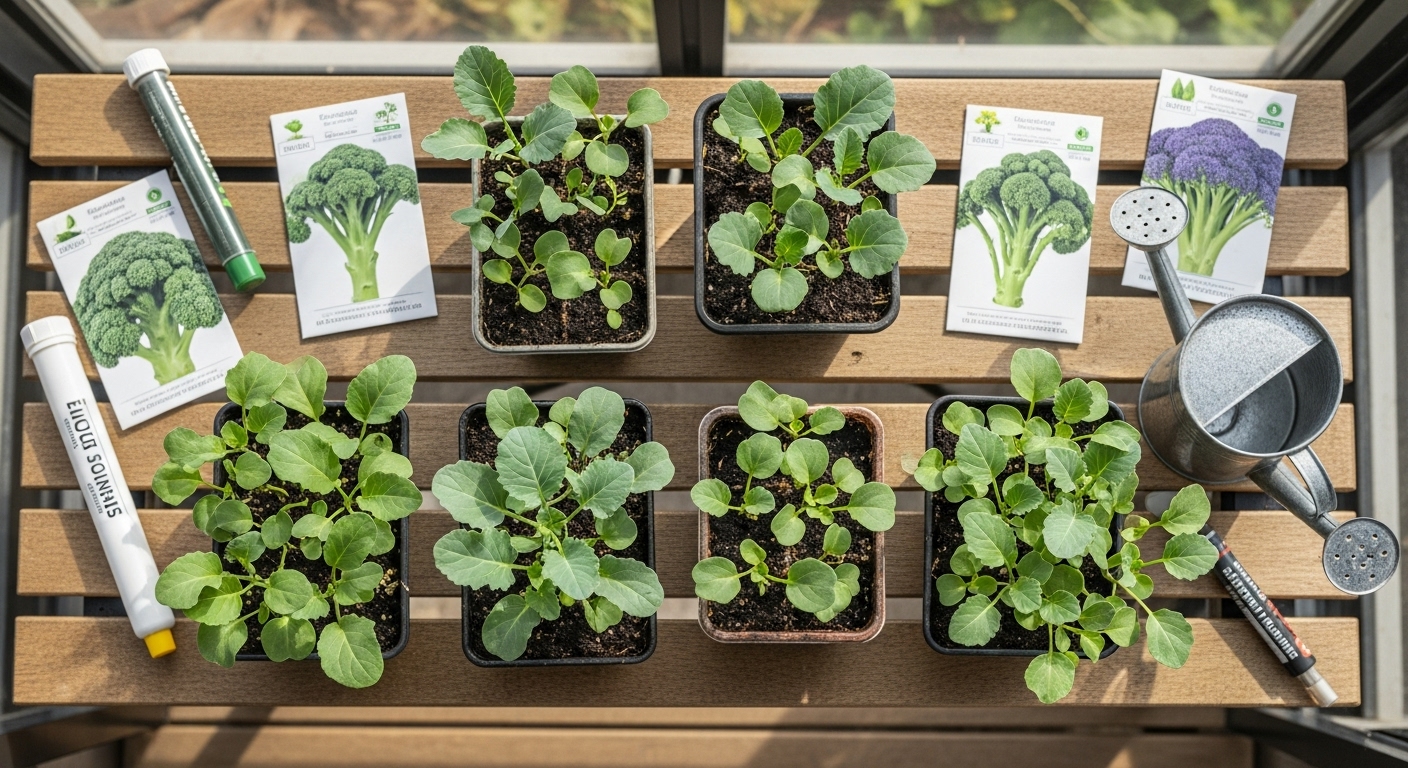
Picking the right broccoli variety can make a big difference in your garden’s success and dinner plate satisfaction. For classic broccoli lovers, ‘Calabrese’ is a reliable standard with large green heads perfect for most climates, while ‘De Cicco’ offers smaller, tender side shoots and matures quickly—great for gardeners with limited space or shorter growing seasons.
If you’re dealing with warmer temperatures, look for heat-tolerant types like ‘Green Magic’ or ‘Belstar’, which resist bolting when spring arrives early. For those seeking extra flavor, ‘Purple Sprouting’ adds a beautiful color and a sweeter taste, thriving especially well in cool weather.
When choosing a variety, consider your climate first: Northern regions can start seeds indoors 6-8 weeks before the average last frost, transplanting seedlings outside about 2-3 weeks before that frost hits. In milder or southern regions, sow directly in late summer for fall and winter harvests, since broccoli prefers cooler temperatures for head formation.
Space is equally important—compact varieties like ‘Packman’ or ‘Artwork’ are great for raised beds or containers, while larger ones need more room to spread. Always check seed packets for days to maturity to stagger plantings and extend your harvest window.
With just a bit of planning, you’ll enjoy fresh broccoli tailored to your growing zone, garden size, and taste preferences.
Site Selection and Soil Preparation
Broccoli thrives best in a location that receives full sunlight for at least six hours a day, so choose a spot in your garden that isn’t shaded by trees or buildings. When picking a site, look for one with good air circulation to reduce the risk of diseases.
If your yard has limited space, broccoli also grows well in large containers—just ensure the containers are at least 12 inches deep and wide, with plenty of drainage holes.
The key to healthy broccoli is rich, well-draining soil. Aim for a slightly acidic to neutral pH, ideally between 6.0 and 7.0; you can test your soil with a simple kit from any garden center. Broccoli is a heavy feeder, so mix several inches of compost or well-rotted manure into the soil before planting to boost fertility.
If your soil is clay-heavy or tends to collect puddles, amend it with sand or organic material to improve drainage—waterlogged roots are one of the quickest ways to stunt broccoli growth. For container gardens, use a high-quality, organic potting mix that replicates these soil conditions.
By starting with the right location and soil, you set your broccoli plants up for a healthy, bountiful harvest.
How to Plant and Care for Broccoli
Starting broccoli from seed gives you a head start on the growing season and can result in healthier plants. For indoor sowing, plant seeds about 1/4 inch deep in seed trays or small pots 6–8 weeks before your last expected frost. Place them in a bright, warm spot and keep the soil consistently moist.
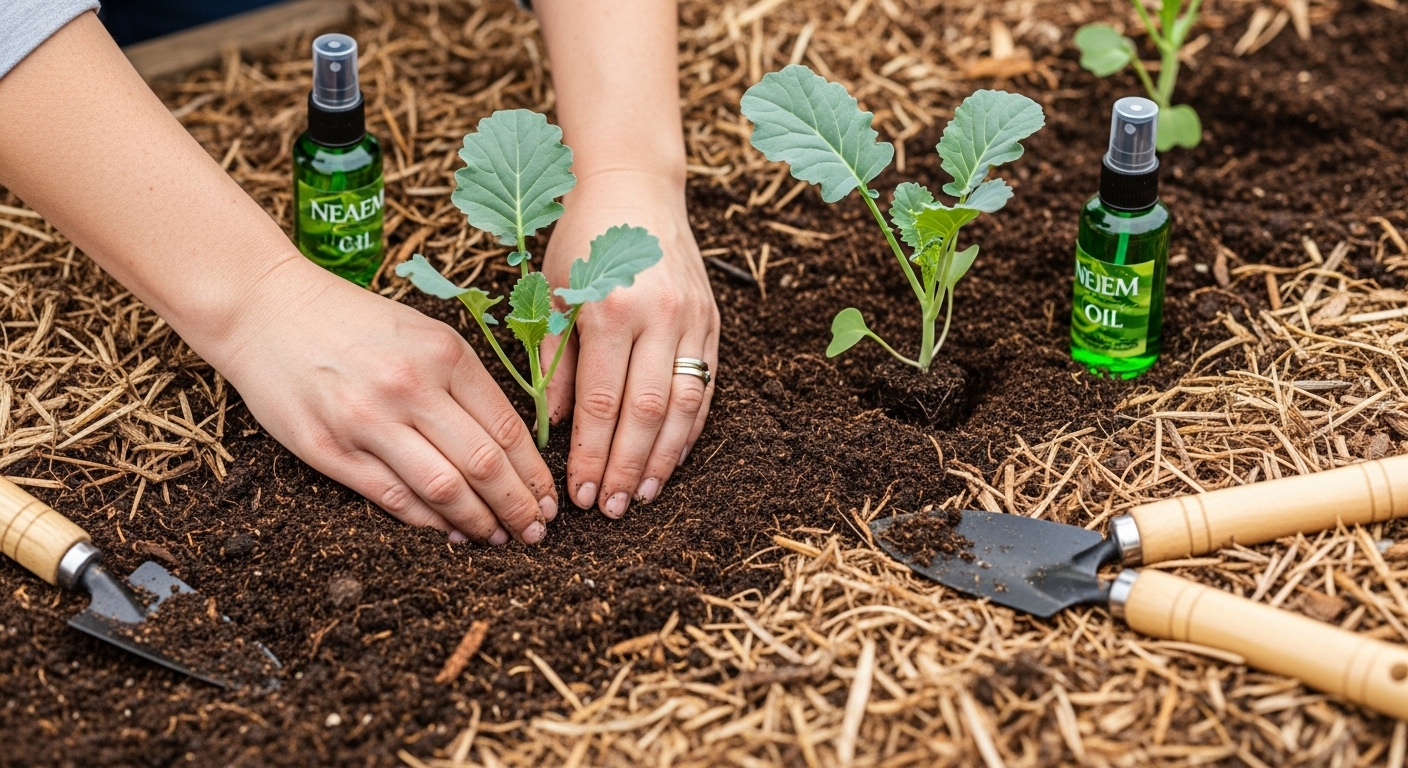
Once seedlings have two or three true leaves and outdoor temperatures are reliably above 45°F (7°C), harden them off by gradually exposing them to outdoor conditions before transplanting into the garden.
If you prefer direct sowing, wait until soil temperatures reach at least 50°F (10°C). Sow seeds about 1/2 inch deep and 3 inches apart, later thinning seedlings to one every 18 inches to give them space to mature.
After planting, keep weeds under control by gently hand-pulling or using a hoe, as broccoli roots don’t like disturbance. Mulching around the base helps retain moisture, regulate soil temperatures, and block weeds.
Water your broccoli consistently—aim for about 1 to 1.5 inches per week, more during warm spells—since uneven watering can cause the heads to bolt or split.
Fertilize plants with a balanced, slow-release fertilizer or side-dress with compost once they’ve become established, and consider a light feeding every 3 to 4 weeks for an extra boost.
Regularly check for pests like aphids or cabbage worms; handpick pests or use an organic spray if needed. Remove any yellowing lower leaves to promote airflow and reduce the risk of disease.
With steady care, you’ll notice firm, compact heads forming after two to three months—harvest when they’re tight and before yellow flowers appear for the best flavor and texture.
Broccoli Care: Light, Temperature, and Common Problems
Broccoli thrives best in full sun, needing at least 6 hours of direct sunlight each day for robust growth and tight, tasty heads. If you’re growing broccoli in hotter climates, choose a spot with afternoon shade to prevent the plants from bolting, or going to seed too early.
The ideal temperature range for broccoli is between 60°F and 70°F. Temperatures above 75°F can stress the plant, causing bitter flavors or loose flower heads. Consider planting in early spring or fall when it’s cooler. You can also use row covers during surprise heat waves or frosty nights to help stabilize the temperature around your plants.
Pests
Broccoli is often targeted by cabbage worms, aphids, and flea beetles. Regularly inspect leaves for small holes or clusters of tiny green pests. Remove them by hand or wash them off with a strong spray of water. For persistent issues, applying organic solutions like neem oil can help, but always follow label instructions.
Diseases
Common diseases include downy mildew and clubroot, which thrive in overly wet soil or poor air circulation. Water at the base of the plant—avoid wetting the leaves—and practice crop rotation every year to minimize disease risks.
Companion Planting
Try planting broccoli alongside beneficial companions like calendula, dill, or nasturtiums. These plants repel problem insects, attract helpful pollinators, and can even improve your broccoli yield.
By giving your broccoli the right light, managing temperatures, staying vigilant for signs of trouble, and using smart planting companions, you’ll set yourself up for a healthy, productive harvest.
Harvesting Broccoli and Extending Your Season
Broccoli is at its peak when the central head is firm and the tiny flower buds are tightly closed—just before any yellow petals start to show. Use a sharp knife to cut the main head off the plant, making the cut about 5 to 8 inches below the head. For maximum freshness, harvest ideally during the cool morning hours. Avoid pulling the plant, as broccoli will produce numerous smaller side shoots over the next few weeks after the central head is harvested.
Cut these secondary heads as soon as they reach about 1 to 4 inches across, taking care not to damage the developing shoots. This “cut-and-come-again” approach lets you keep harvesting until the weather turns hot.
To store freshly picked broccoli, refrigerate unwashed heads in a loosely closed plastic bag for up to a week. For longer preservation, blanch florets in boiling water for a couple of minutes, then freeze them on a baking sheet before transferring to freezer bags.
Get the most out of your broccoli patch by succession planting every 2-3 weeks in early spring and late summer. You can also use shade cloth to cool plants during hotter months, which delays bolting and extends the picking window.
Broccoli is just as tasty lightly steamed, roasted, or tossed raw into salads and slaws. Experiment with using both the heads and the tender stems to reduce waste and keep your meals fresh and healthy.
Conclusion: Getting the Most from Your Broccoli Patch
Growing a thriving broccoli patch starts with choosing a sunny spot, enriching the soil with compost, and planting healthy seedlings at the right time—usually early spring or late summer, depending on your climate. Regular watering, mulching, and keeping an eye out for pests like cabbage worms are crucial steps along the way.
Don’t be afraid to experiment with different broccoli varieties, such as sprouting or purple cauliflower types, or to try raised beds versus in-ground planting. Each garden is unique, and what works best for one may surprise you.
Remember, the joy of gardening doesn’t just come from the harvest; it’s in the process—watching tiny seeds transform into lush, edible plants. Take pride in your efforts, savor the fresh-picked taste of your own broccoli, and don’t forget to share a few heads with friends or neighbors to spread the homegrown goodness.