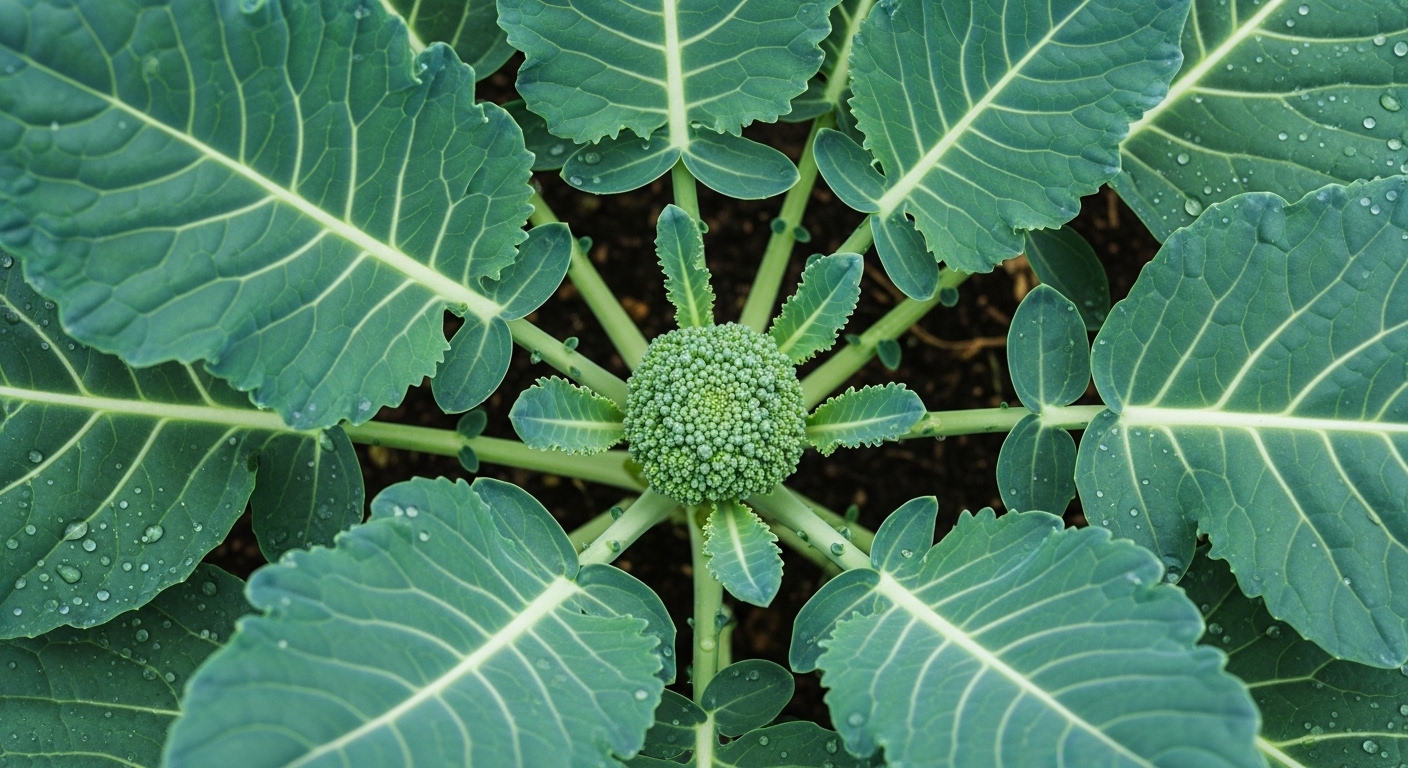
Introduction to Broccoli Leaves
Edible broccoli leaves are quickly gaining attention as a delicious, nutritious green that many of us have overlooked for far too long. While most people think of broccoli as only the familiar tight clusters of florets, the truth is that the leaves surrounding those florets are not just edible—they’re packed with vitamins and minerals that rival even kale or spinach.
This often-forgotten part of the plant contains impressive amounts of vitamin C, vitamin A, iron, and calcium, making it a fantastic addition to any diet. As more gardeners discover the joy of growing their own vegetables, edible broccoli leaves are popping up in kitchens and farmers’ markets, celebrated for their tender texture and slightly sweet, earthy flavor.
Cooks are incorporating them into stir-fries, sautés, soups, and even salads—much like you would with chard or collard greens—expanding the possibilities for homegrown meals and reducing food waste at the same time.
If you’ve ever tossed those big leafy greens after trimming a head of broccoli, it’s time to break that habit. Broccoli leaves cook quickly, can be enjoyed raw when young, and add a fresh twist to classic dishes. By using the whole plant, you’re not only tapping into a vibrant source of nutrition but also supporting a more sustainable way of eating.
Whether you’re a seasoned gardener curious to try something new or a home cook looking for unique greens to add to your repertoire, exploring edible broccoli leaves might just change how you see this everyday vegetable.
Nutritional and Health Benefits of Broccoli Leaves
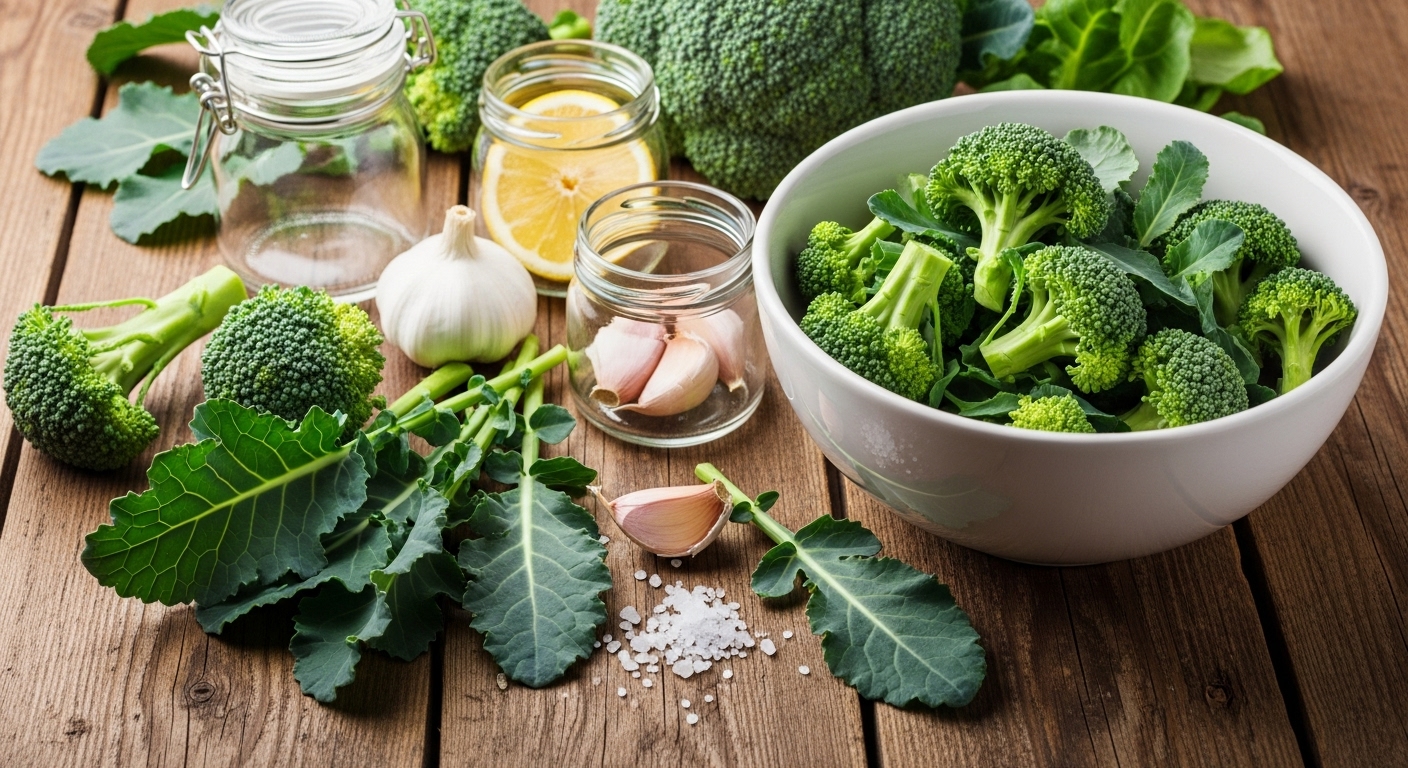
Broccoli leaves are an unsung superfood, packed with nutrients that often surpass those found in the more commonly eaten florets. The leaves are especially rich in vitamins A, C, and K—vitamin A supports eye health, vitamin C boosts immunity, and vitamin K is crucial for strong bones and healthy blood clotting. They’re also loaded with minerals like calcium, iron, potassium, and magnesium.
Surprisingly, broccoli leaves offer more fiber and protein per serving than the florets, making them a smart addition for digestive health and sustained energy. In terms of antioxidants, these greens brim with sulforaphane and lutein, compounds linked to reduced inflammation and protection against chronic diseases, including certain cancers and heart disease.
For instance, just one cup of chopped broccoli leaves can deliver a respectable dose of calcium (important for bone strength) and vitamin C (key for skin and immune support), sometimes even rivaling kale.
By enjoying broccoli leaves—whether sautéed, tossed into salads, or added to smoothies—you not only tap into these impressive health benefits but also help minimize food waste. Instead of tossing the leaves in the compost or trash, consider them a versatile, nutrient-dense option, much like chard or collard greens.
Incorporating broccoli leaves into your meals is a simple, effective way to boost your diet’s nutritional value and make your kitchen a little greener.
How to Harvest Broccoli Leaves
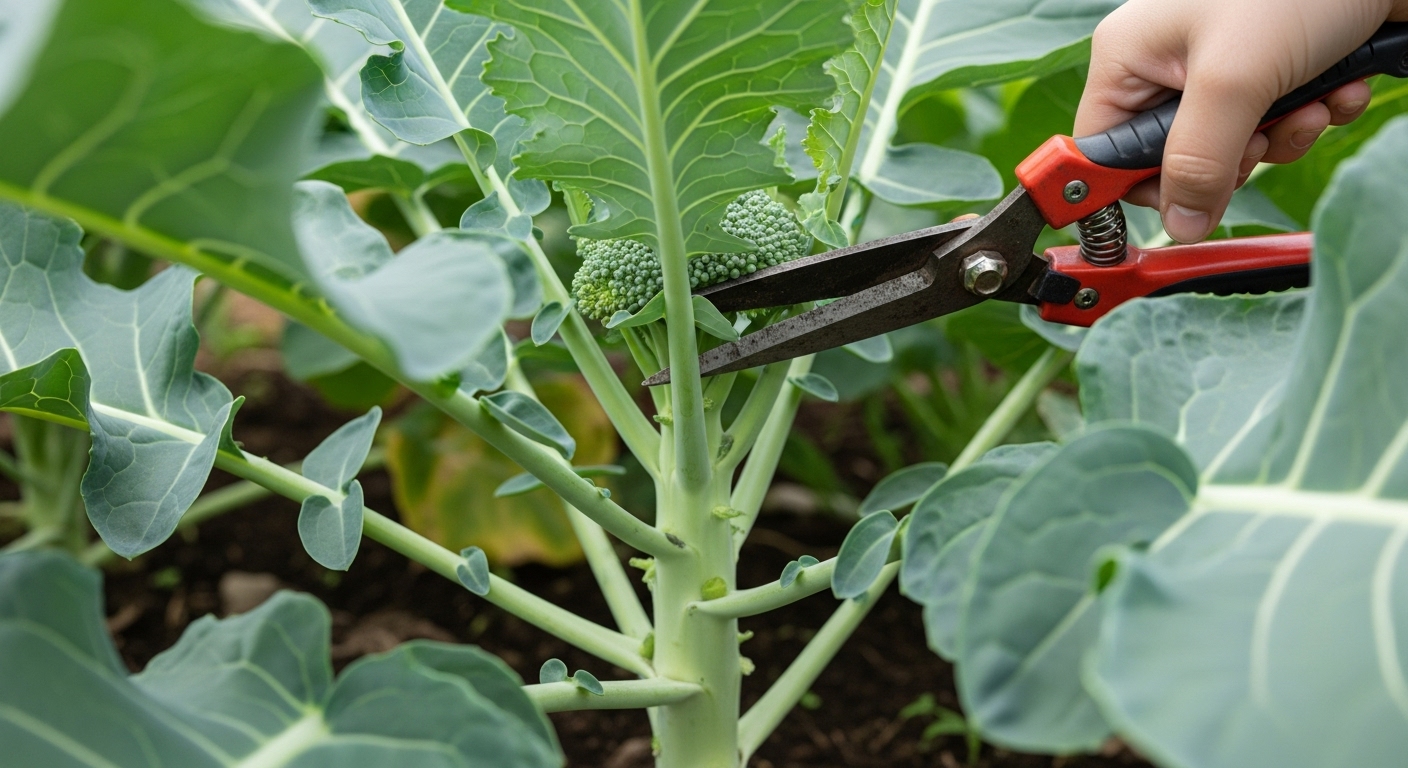
Knowing when to harvest broccoli leaves is key to making the most of your crop. Look for large, healthy leaves that are deep green and free from yellowing or holes—these are ready for picking and full of nutrients. Avoid the smaller, newly sprouted leaves near the crown, as those are still supporting the developing head.
To harvest, use clean, sharp scissors or garden shears to snip outer leaves about an inch from the main stem, taking care not to damage the central stalk or growing tip. This method encourages continued growth, so you can return for multiple harvests throughout the season.
For home gardeners, pick leaves during the cooler morning hours for better texture and taste, and try not to take more than a third of the plant’s foliage at once.
If you’re buying broccoli leaves at a market, choose bunches with crisp, vibrant greens and no signs of wilting. Once home, rinse the leaves thoroughly and pat them dry with a towel to remove any grit or bugs.
Store them in the refrigerator in a reusable produce bag or wrapped loosely in a damp paper towel inside an airtight container—they’ll stay fresh for up to a week.
Before cooking, remove any thick stems as they can be tough; the leaves themselves sauté beautifully, blend well into smoothies, or can even be used like collard greens in soups and stir-fries.
By following these steps, you’ll enjoy more harvest from each plant and add a tasty, nutritious green to your kitchen routine.
Cooking with Broccoli Leaves: Preparation and Recipes
Broccoli leaves are an underrated kitchen gem, packed with nutrients and surprisingly easy to use in everyday meals. To get started, fill a large bowl with cold water and gently swish the leaves to remove any dirt or debris; you can also rinse them under running water if you prefer. After cleaning, lay the leaves on a clean towel and pat dry.
To prep, use a sharp knife to trim away any thick stems—these can be tough to eat, but don’t toss them! Slice the stems thinly and cook a bit longer, or add them to homemade stocks for extra flavor. Once prepped, broccoli leaves are as versatile as kale or collard greens and work well in many dishes.
Cooking Methods
For quick weeknight cooking, try steaming the leaves for 2–3 minutes until just wilted; then toss with olive oil, lemon, and a sprinkle of salt for a healthy side. Sautéing is another easy method: heat a splash of olive oil in a skillet, add garlic, and then throw in the chopped leaves, cooking until softened.
You can also roast broccoli leaves on a baking sheet at 400°F with olive oil and your favorite seasonings—think chili flakes or smoked paprika—until crisp at the edges, creating a delicious, chip-like snack. For something heartier, add finely chopped leaves to soups and stews in the last 10 minutes of cooking; they soak up broth flavors and add a nutritional boost without overpowering the dish.
Recipe Inspiration
- Garlic Sautéed Broccoli Leaves: Cook the leaves with olive oil, sliced garlic, and a squeeze of lemon.
- Creamy Broccoli Leaf Soup: Simmer chopped leaves with potatoes, vegetable broth, and onions, then blend until creamy.
- Veggie Stir-Fry: Substitute broccoli leaves for collards or kale—just toss with soy sauce and sesame oil for an Asian-inspired twist.
Whenever a recipe calls for hearty greens, feel free to swap in broccoli leaves. Not only will you reduce kitchen waste, but you’ll also add a fresh, earthy flavor to your meals.
Creative Ways to Use Broccoli Greens
Broccoli greens, often overlooked in favor of the more popular florets, offer a world of culinary possibilities thanks to their robust flavor and hearty texture. Unlike spinach or kale, broccoli leaves are slightly sweet with a noticeable earthiness, and their thicker structure stands up well to cooking.
For a nutritious start to your morning, toss a handful of chopped broccoli greens into your favorite smoothie. Their flavor blends seamlessly, especially with fruits like pineapple and mango, delivering an extra boost of vitamins.
If you love a quick lunch, use the larger leaves as a gluten-free wrap alternative—fill them with hummus, roasted veggies, or grilled chicken for a satisfying crunch.
In stir-fries, finely slice the greens and add them after your aromatics but before more delicate vegetables. They absorb sauces well and bring a subtle broccoli-like note to dishes ranging from Thai pad see ew to Mediterranean sautés.
If you crave something crispy, toss torn leaves with olive oil and a sprinkle of sea salt, then bake until crisp for homemade broccoli green chips. These pair nicely with creamy dips or can even top soups for extra texture.
Broccoli greens also play well in global cuisines:
- Add them to Indian curries in place of mustard greens.
- Simmer them in a white bean and garlic stew for an Italian twist.
Their assertive taste complements rich flavors—think garlic, lemon, and sharp cheeses. Keep an eye on texture by removing tough stems for tender recipes, and try blanching for salads to reduce bitterness.
However you use them, broccoli greens are a vibrant, nutrient-dense way to add interest to everyday meals and cut down on food waste at the same time.
Edible Leaves from Related Vegetables
Beyond broccoli leaves, the brassica family offers a wide array of delicious, nutritious greens that often get overlooked.
Kale, for example, is a popular leafy green with a sturdy texture and a slightly earthy, peppery flavor—great in salads, smoothies, or crispy baked as chips.
Cauliflower leaves, typically discarded, are mild and tender when cooked, making them perfect for stir-fries, soups, or even wrapping steamed fish.
Collard greens are heartier, with a robust, slightly bitter taste that shines in southern-style braises or as a wrap for savory fillings.
Mustard greens bring a peppery kick, perfect for adding zing to sautés or salads.
Don’t forget turnip and radish greens—both provide a mildly spicy, nutrient-packed alternative to store-bought salad mixes.
Compared to broccoli leaves, which are slightly sweet, mild, and tender when cooked, these other brassica greens can range from mellow to assertively peppery, offering endless room to play with flavors in your kitchen.
Exploring all edible parts of vegetables is not only a great way to reduce kitchen waste, but it also expands your culinary horizons and maximizes the value of your groceries.
Next time you’re prepping brassicas, save those greens and experiment with new recipes—they might just become your new favorite kitchen staple.
Conclusion & Quick Start Tips
Broccoli leaves are a delicious, nutritious part of the plant that often gets overlooked, but harvesting and enjoying them is easy. Pick young, tender leaves for the best flavor—just snip a few from each plant so your broccoli keeps growing strong.
Rinse the leaves well and chop them up for salads, sautéing, or tossing into soups and smoothies. Their mild, slightly peppery taste makes them a versatile addition to almost any meal.
If you’re new to using broccoli leaves, start by wilting them with olive oil and garlic as a quick side dish, or add them to your favorite stir-fry instead of spinach. You can even roast the leaves for a crispy, kale chip-like snack.
Remember, they’re loaded with vitamins and antioxidants, so you’re getting serious nutrition in every bite. Give broccoli leaves a try next time you harvest—experiment with a few recipes and see which preparation you like best.
If you’ve already cooked with broccoli greens, share your tips and favorite dishes in the comments below to inspire others!