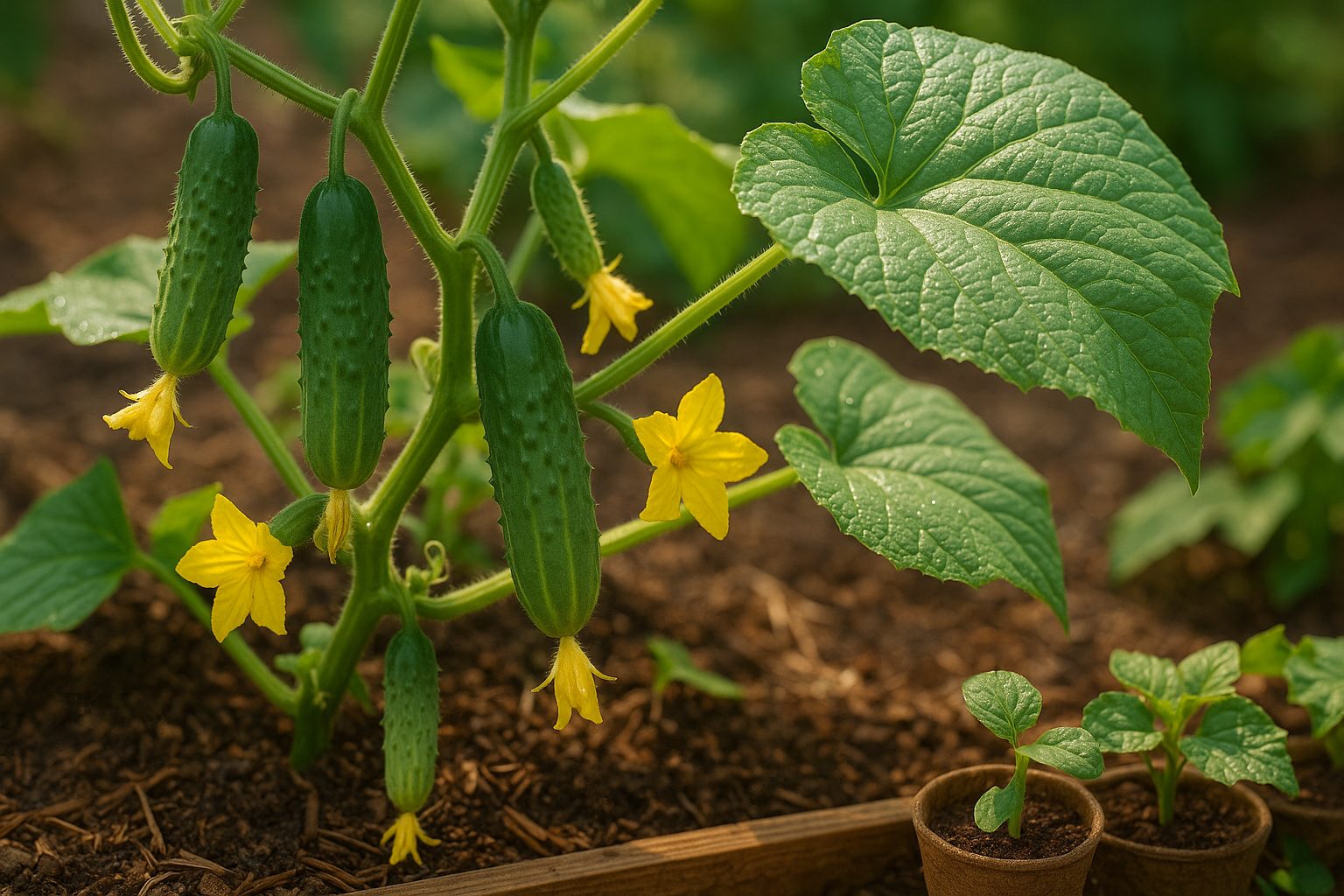
Common Reasons Cucumbers Drop Off the Vine
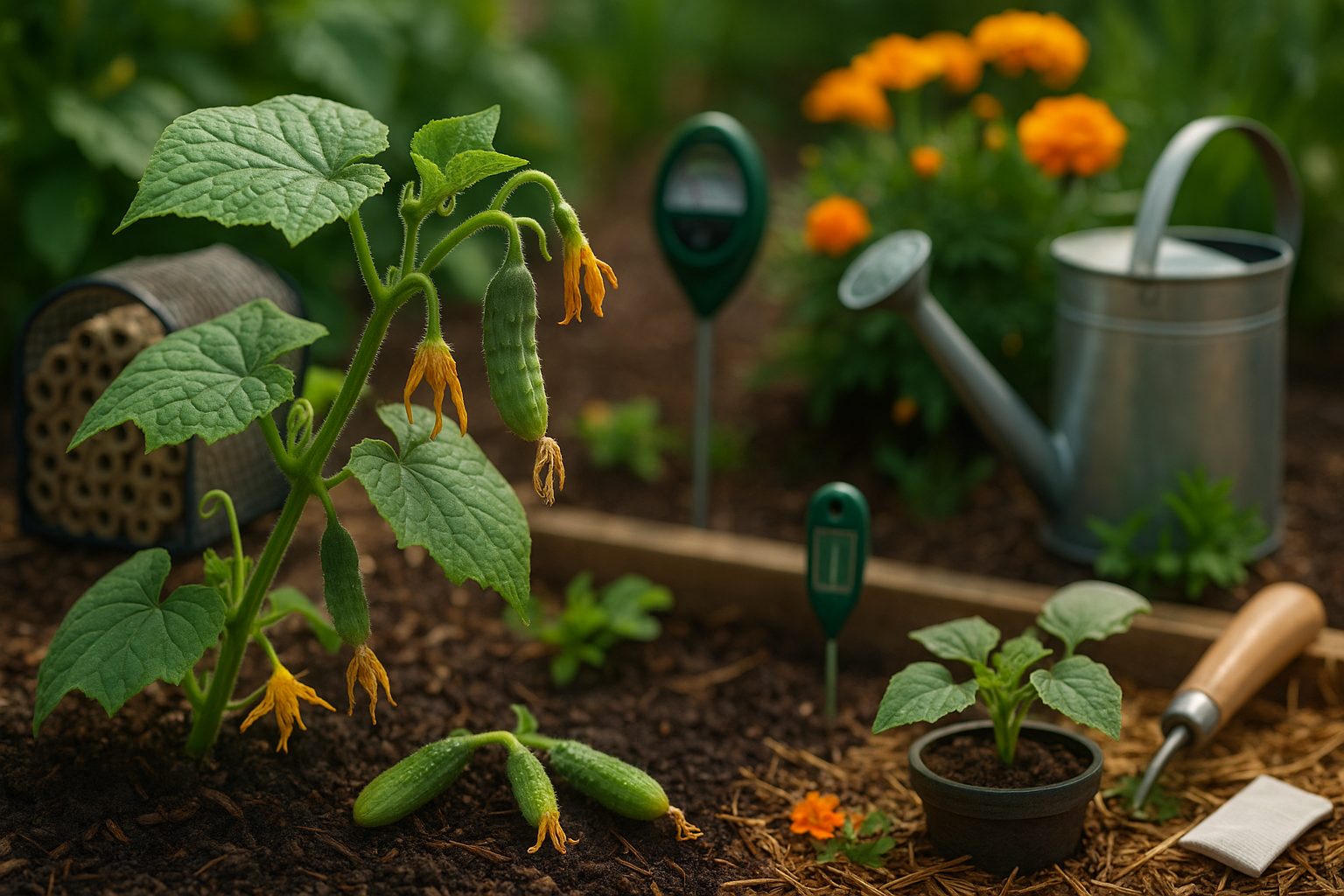
If you’ve noticed cucumber flowers dropping in your garden, you’re not alone—this frustrating issue is surprisingly common among cucumber growers. Understanding why cucumber flowers and even young fruits sometimes fall off the vine is key to ensuring a healthy harvest.
The primary culprits usually include environmental and biological factors such as poor pollination, inconsistent watering, and extreme temperatures. For example, if pollinators like bees are scarce, female flowers may not be fertilized and will drop off before fruit can form. Similarly, cucumbers require steady, deep watering; letting the soil dry out or become waterlogged can stress the plants and trigger flower or fruit drop. Temperature swings are another frequent cause—excessive heat or a sudden cold snap can cause plants to abort blossoms to conserve energy.
Nutrient imbalances can also play a significant role. Cucumber plants are heavy feeders, and lacking key nutrients—especially nitrogen and potassium—can lead to weak growth and poor flower retention. Additionally, any kind of plant stress, such as pest infestations or overcrowding, drains the plant’s resources and can cause it to shed flowers and immature fruits prematurely.
To prevent cucumber flower drop, focus on consistent care:
- Plant flowers nearby to attract pollinators
- Water regularly and deeply
- Use mulch to moderate root temperatures
- Fertilize according to soil test recommendations
By addressing these factors, you’ll not only reduce flower and fruit drop but also set your cucumber plants up for a more productive season.
Identifying Signs of Poor Pollination
Spotting signs of poor pollination in your cucumber plants early on can save you from a disappointing harvest. The most obvious symptoms include small, misshapen, or yellowing fruits that drop off the vine prematurely. Cucumbers that start off healthy but then grow stubby or curve awkwardly usually result from incomplete pollination, where not enough pollen transfers from the male to the female flowers.
Understanding the difference between flower types helps here: male flowers have simple stems, while female flowers feature a tiny, immature cucumber at their base. For fruits to develop properly, pollen from a male flower needs to transfer—often via bees or other pollinators—to the stigma of a female flower.
When pollinators are scarce, such as during rainy, windy, or excessively humid weather, this vital exchange is disrupted. You might also notice pollination issues if your garden lacks enough pollinator-attracting flowers or if pesticides have driven pollinators away. Even planting cucumbers too close together can stunt airflow and prevent pollination.
To counteract this, try these tips:
- Plant flowers that attract bees near your veggies.
- Avoid spraying chemicals during the day.
- Gently hand-pollinate with a soft brush if you aren’t seeing buzzing visitors.
How to Improve Cucumber Pollination and Fruit Set
Improving cucumber pollination and fruit set starts with making your garden as pollinator-friendly as possible. Try planting bright, nectar-rich companion flowers like marigolds, sunflowers, or zinnias around your cucumbers to attract bees, the main pollinators. Avoid spraying pesticides, especially during the morning when pollinators are most active, as chemicals can harm or repel beneficial insects.
If you notice few bees visiting your cucumbers or see flowers dropping off without developing fruit, you may need to try hand-pollination. Early in the morning, use a small paintbrush or cotton swab to gently transfer pollen from a male flower (which has a thin stem and no tiny cucumber behind the bloom) to a female flower (recognized by a small, immature cucumber at its base). Repeat this for a few mornings to boost fruit set.
To encourage a balanced growth of male and female flowers, keep plants healthy by providing consistent watering, using mulch, and applying a balanced fertilizer. Stress from hot temperatures or drought can delay female flower production.
With these steps, you’ll help your cucumbers thrive and enjoy a more abundant harvest.
Watering, Feeding, and Care Tips for Healthy Cucumbers
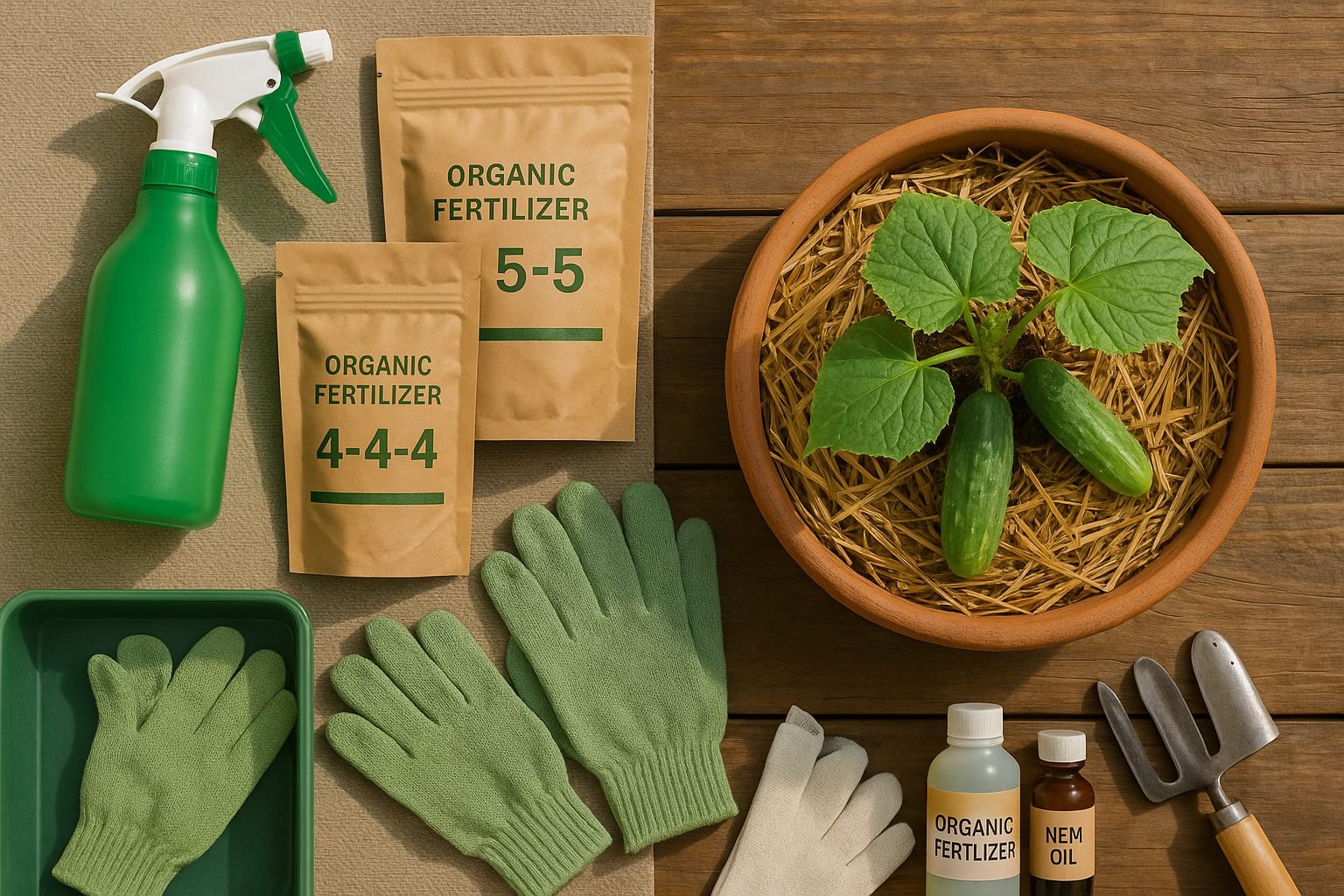
Cucumbers thrive on steady care, and a thoughtful watering routine is key to tasty, abundant fruit. Aim for deep, consistent watering—about 1 to 2 inches per week—best achieved by soaking the soil at the base rather than overhead sprinkling, which can promote disease. Mornings are the best time to water so leaves dry quickly, reducing the risk of fungal problems.
The soil should stay evenly moist but not soggy; letting it dry out or fluctuate too much often leads to bitter fruit and can cause premature fruit drop.
For feeding, cucumbers are heavy feeders and grow best in fertile, well-drained soil. Before planting, mix in compost or a balanced organic fertilizer. Once the plants start blooming and setting fruit, switch to a fertilizer higher in potassium and phosphorus but with moderate nitrogen—too much nitrogen encourages vines at the expense of fruit.
Apply fertilizer every 2-3 weeks during peak harvest, and keep an eye out for yellowing leaves, a sign they might need extra nutrients like magnesium or iron.
To minimize stress, spread a 2-3 inch layer of organic mulch such as straw or shredded leaves around the plants. Mulch helps keep soil temperature steady, retains precious moisture, and suppresses weeds, saving you time and headaches.
Try not to disturb plant roots, protect cucumber vines from strong winds with gentle staking or by growing near a natural windbreak, and harvest cucumbers regularly to encourage more fruit.
With a little attention to moisture, nutrients, and protection from stress, your cucumber patch will reward you all season with crisp, fresh produce.
Preventing and Managing Pest and Disease Issues
Cucumber beetles and aphids are two of the most common pests that can cause major headaches for gardeners, often leading to premature fruit drop. Cucumber beetles not only feed directly on blossoms and young fruits, but they also spread bacterial wilt, a disease that can kill entire plants quickly. Aphids, those tiny green or black insects, cluster on the undersides of leaves and stems, draining plant sap and spreading viruses that stunt growth and encourage fruit loss.
Alongside pests, diseases like powdery mildew can strike fast. Look for white, powdery spots on leaves that gradually spread, causing leaves to yellow and drop, which reduces the plant’s ability to nourish fruit.
To combat these challenges naturally, try releasing beneficial insects like ladybugs or lacewings to control aphid populations, and use floating row covers to keep cucumber beetles at bay. Regularly inspecting plants and removing affected leaves can prevent disease from spreading.
Choose disease-resistant plant varieties and practice crop rotation each year; these strategies help break pest and disease cycles. Proper watering at the base of plants, ensuring good air circulation, and avoiding wetting the leaves during irrigation also go a long way in keeping your garden healthy and minimizing fruit loss.