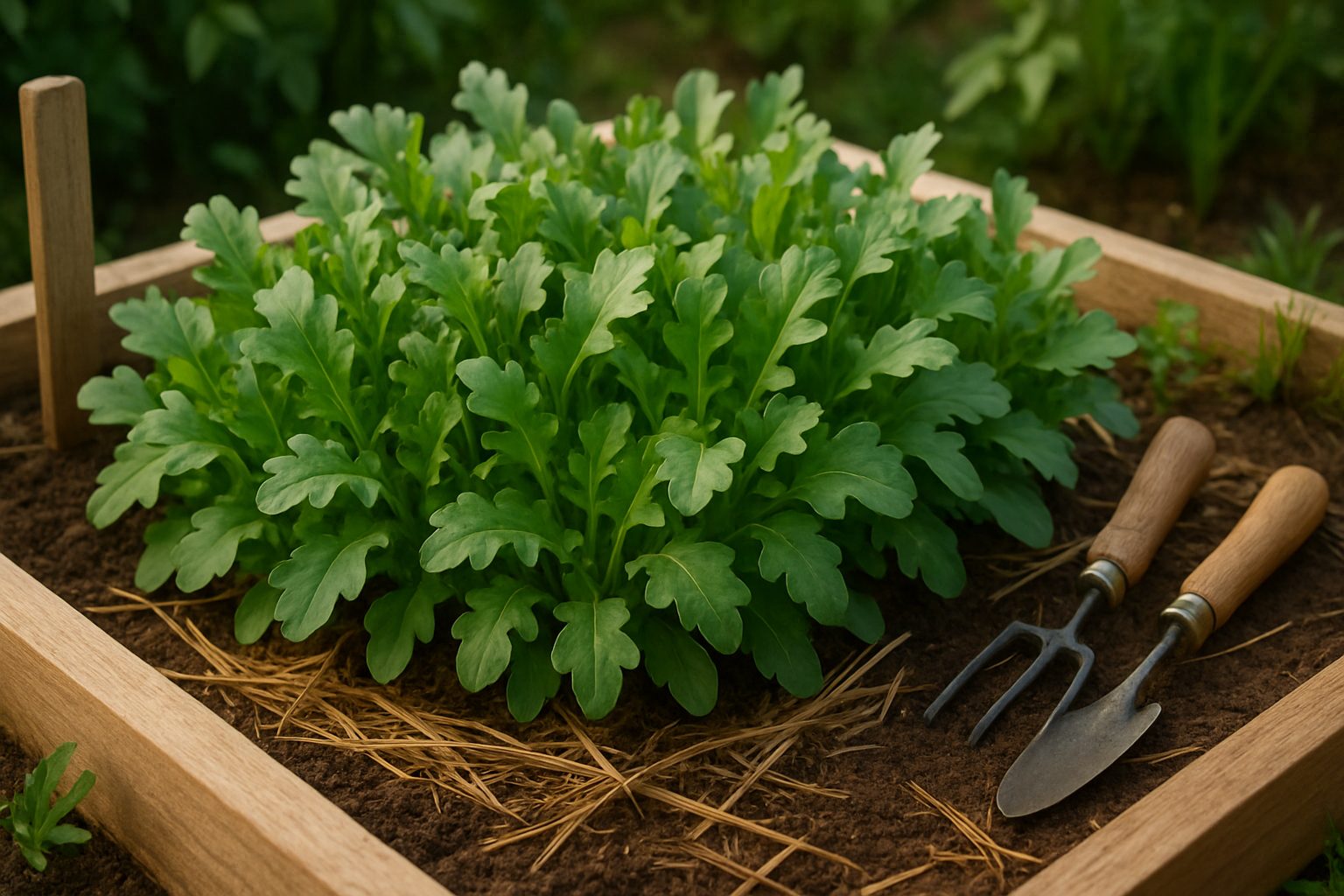
Introduction to Mulching Arugula
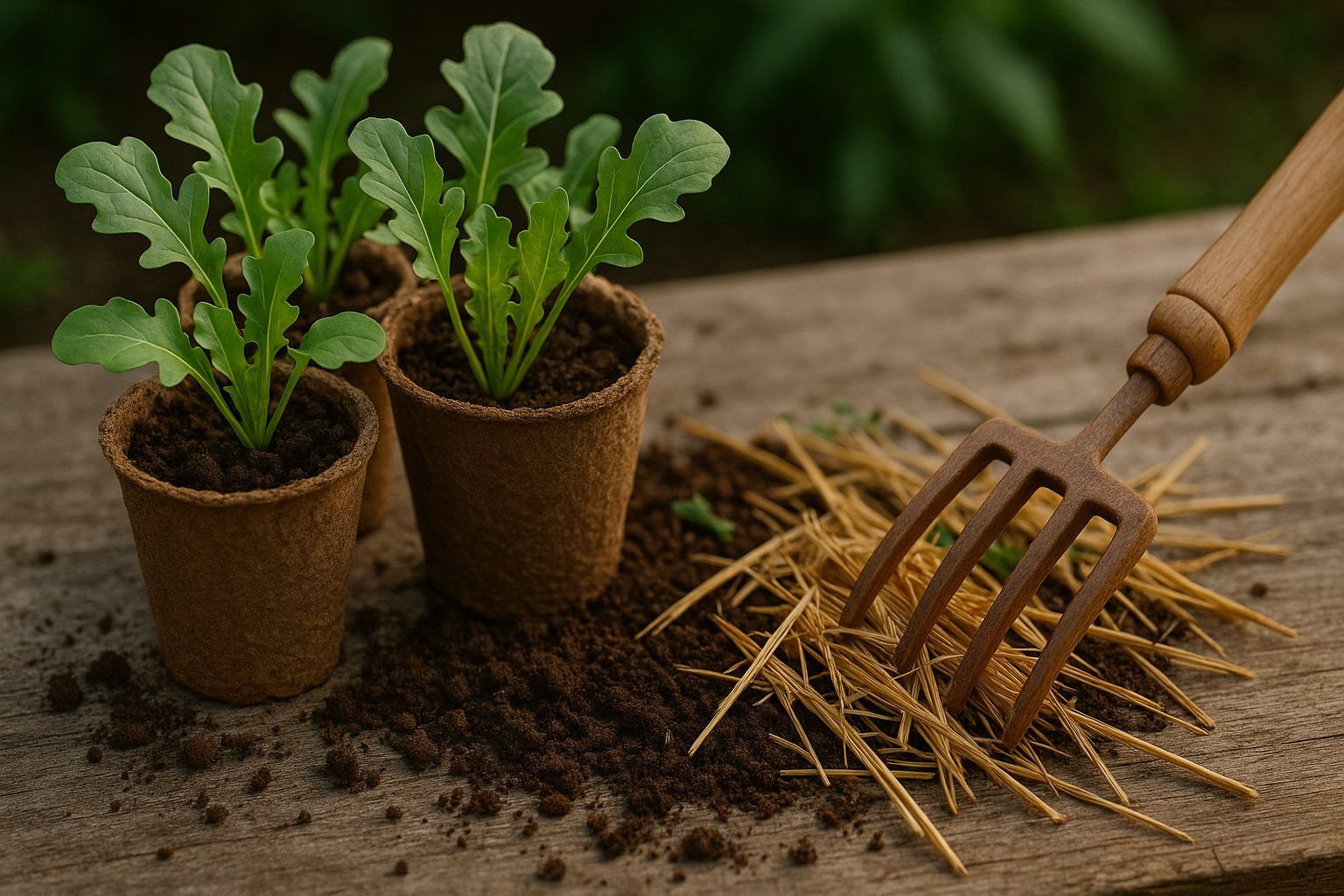
Mulching arugula is a smart technique that many home gardeners use to get the most out of this popular leafy green. Arugula, loved for its peppery flavor and quick growth, thrives in many climates and can provide a steady harvest with just a little extra care. Mulching involves covering the soil around your plants with a protective layer, such as straw, leaves, or compost. This practice does more than just tidy up garden beds—it helps retain soil moisture, suppress weeds, and regulate soil temperature, all crucial for healthy plant growth.
Arugula prefers cooler, moist conditions and can be sensitive to competition from weeds and temperature fluctuations. That’s where the right mulching approach comes in, making all the difference. In this article, we’ll dive into mulching arugula specifically, offering practical tips tailored to this crop, from the best materials to use to when and how to apply your mulch. Whether you’re growing arugula for salads, sandwiches, or fresh garnish, these simple steps can help you enjoy a bigger, tastier harvest straight from your garden.
Why Mulching Matters for Arugula
Arugula thrives in cool, moist soil and is highly sensitive to temperature swings and inconsistent watering. With shallow roots that don’t reach deep for moisture or nutrients, arugula can quickly suffer during hot spells, dry periods, or weed invasions. This is where mulching arugula becomes a true game-changer.
Mulch acts as a protective blanket, trapping soil moisture so your arugula isn’t left parched between waterings or after a hot day. This is especially helpful if you grow arugula in raised beds or containers, where soil tends to dry out more quickly. A 1-2 inch layer of straw, finely shredded leaves, or untreated grass clippings helps maintain steady moisture levels right at the root zone.
Mulch also smothers weed seeds, reducing competition and preventing larger, fast-growing weeds from robbing your arugula of light, water, or nutrients. Another big benefit is temperature regulation. By insulating the soil, mulch keeps it cooler on hot spring or summer days and protects the plants from sudden cold snaps.
This consistency is key for arugula, which tends to bolt or turn bitter if stressed by heat or rapid environmental changes. Gardeners often notice that mulched arugula grows more steadily, producing tender, larger leaves with less bitterness. If you want a longer harvest window, better-tasting greens, and less time spent pulling weeds or watering, mulching is an easy, effective practice that pays off in both yield and quality.
Choosing the Right Mulch Material for Mulching Arugula
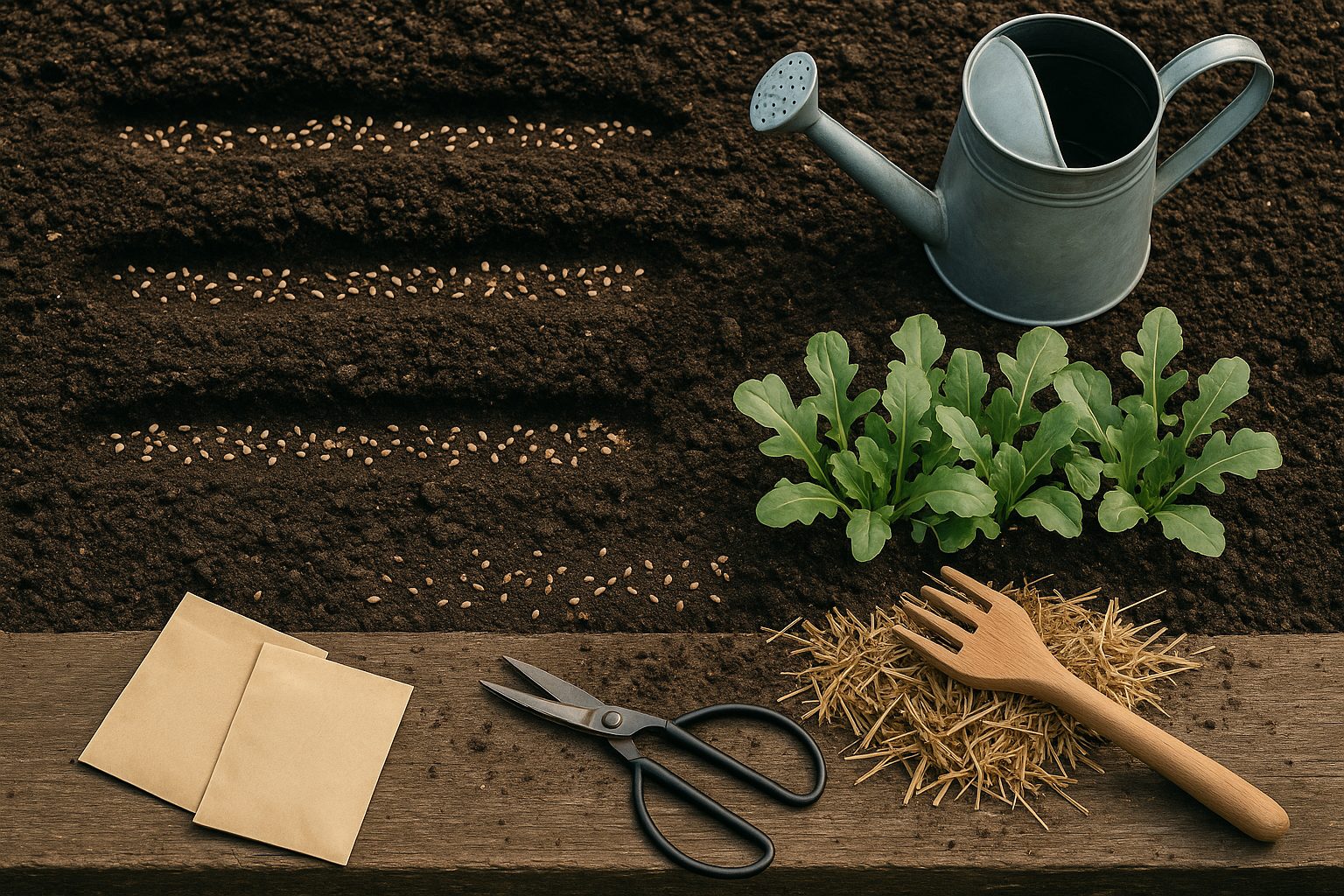
When mulching arugula, selecting the right mulch can greatly influence plant health and garden appearance. Popular organic mulch options for arugula include straw, shredded leaves, grass clippings, and compost.
Straw is a top choice because it’s lightweight, easy to spread, and excellent at suppressing weeds while helping retain soil moisture. However, it may sometimes carry weed seeds or become untidy as it breaks down. Shredded leaves add rich organic matter and blend naturally into the garden, improving soil fertility over time. Just be sure to shred the leaves, since whole ones can mat together and block water absorption.
Grass clippings are plentiful and nitrogen-rich, ideal for boosting soil fertility, but should be applied in thin layers to prevent matting and odors. Avoid using clippings from grass treated with herbicides around edible plants like arugula. Compost is another great option—dark, crumbly, and full of nutrients, it enhances soil structure and fertility while offering some weed suppression. It typically provides less weed control than bulkier mulches and has a more subtle visual effect.
It’s important to steer clear of mulches that may cause problems when mulching arugula. Wood chips, for example, decompose slowly and can tie up nitrogen needed by arugula during decomposition. They also create a habitat that encourages slugs. Synthetic mulches like plastic sheeting may control weeds but don’t improve soil health, can overheat the soil in warm weather, and lack a natural garden appeal.
Arugula thrives best with organic mulches that support soil microbes, retain moisture evenly, and enhance the look of your edible garden. For optimal results, use natural, easily decomposed materials and replenish mulch as needed to keep consistent coverage throughout the growing season.
When and How to Apply Mulch for Arugula
The best time for mulching arugula is once the seedlings are established—typically when they have two to three true leaves and stand a couple of inches tall. At this stage, the young plants can handle a protective mulch layer without being smothered. Mulch helps retain soil moisture just before the heat of summer or the onset of drought stress. Applying mulch early as a preventative measure is crucial; if you wait until the soil is dry or crusted, the mulch won’t be as effective.
Whether you’re growing direct-seeded or transplanted arugula, choose an organic mulch like straw, shredded leaves, or finely chopped compost. Apply a two-inch layer around the plants, making sure to keep the mulch at least one inch away from the stems and leaves. Gently spread the mulch with your hands or a small trowel instead of dumping it on to avoid crushing delicate seedlings or burying young rosettes.
For direct-seeded arugula, wait until the plants are strong enough to handle some disturbance before mulching. With transplants, you can mulch shortly after planting, just be careful not to cover the crown. Throughout the season, check the mulch layer often—add more if it thins out, and pull it back slightly if you notice excess moisture or mold. This careful approach will keep your arugula cool, moist, and less prone to weeds, resulting in crisper, healthier greens.
Mulching Arugula Through Different Seasons
Mulching arugula throughout the seasons requires flexibility and awareness of changing weather conditions to help your plants thrive year-round. In spring, as temperatures rise and arugula begins to sprout, apply a thin 1- to 2-inch layer of organic mulch—like shredded leaves or straw—once seedlings are established. This helps suppress weeds and maintain consistent moisture, both essential for tender spring greens.
As summer approaches and temperatures climb, mulch becomes vital for protecting arugula from excessive heat and drought. Refresh your mulch layer, increasing it to about 3 inches, to keep roots cool and retain soil moisture. Just be careful not to pile mulch directly against the stems to prevent rot. During hot spells, a thicker mulch also reduces evaporation, meaning you’ll need to water less often—a real bonus for busy gardeners.
In areas with heavy summer rains, choose a well-draining mulch like shredded bark or wood chips. Check regularly to ensure the mulch isn’t soggy or attracting pests. Lightly fluff or turn the mulch after storms to improve airflow and prevent fungal diseases.
Come fall, as the growing season winds down and temperatures drop, mulch acts as an insulating blanket, protecting late arugula crops from unexpected cold snaps. Remove any old or compacted mulch after harvest and refresh the bed with new mulch before replanting, especially if you’re growing successive crops. By adjusting your mulching techniques through the seasons, you’ll give your arugula the support it needs for a longer, healthier harvest.
Common Mulching Mistakes to Avoid
One common mistake when mulching arugula is using the wrong type of mulch, such as heavy wood chips or synthetic materials that retain too much moisture or block air circulation. These can create soggy conditions around the roots, encouraging fungal diseases and root rot. Instead, opt for light, organic materials like shredded leaves, straw, or grass clippings.
Another issue is applying mulch too thickly; piling it more than two inches deep can suffocate arugula seedlings and reduce soil warming in spring, resulting in stunted growth. Always keep mulch under two inches and pull it away from the base of each plant to allow the stems to breathe.
Applying mulch too early—especially before the soil warms up or seedlings are well established—can slow germination and growth or attract slugs and other pests looking for cool, damp shelter. Wait until your arugula has sprouted several true leaves and the soil is consistently warm before mulching.
If you’ve already made one of these mistakes, carefully rake back excess mulch, replace unsuitable materials, and monitor for pests and excess moisture. By choosing the right mulch and timing your application well, you’ll keep your arugula healthier and more productive all season long.
Simple Mulching Tips for Healthier Arugula
When mulching arugula, keeping it simple and effective is usually the best approach. Start by using organic mulches like straw, shredded leaves, or grass clippings—these materials are easy to find and break down to enrich the soil over time. Apply a layer about 1–2 inches thick, but be sure to keep the mulch a few inches away from the arugula stems to prevent moisture from building up against the plants, which can cause rot.
For gardeners short on time, pre-cut mulch sheets or old newspapers topped with a thin layer of compost offer a quick, low-maintenance option: just lay it down, water it in, and you’re good to go. Aim to mulch right after transplanting arugula seedlings, or when direct-sown seedlings develop their first true leaves. This timing helps suppress weeds before they take hold.
If you can’t mulch your entire patch at once, don’t worry—working on a small section each weekend still makes a difference. Every garden is different, so try experimenting with various mulch types and thicknesses. Keep notes on what works best to keep your soil moist and your arugula thriving.
Gardening is a learning process, so watch how your plants respond to mulching and adjust your methods next season for even better results.