Introduction to Arugula and Its Benefits
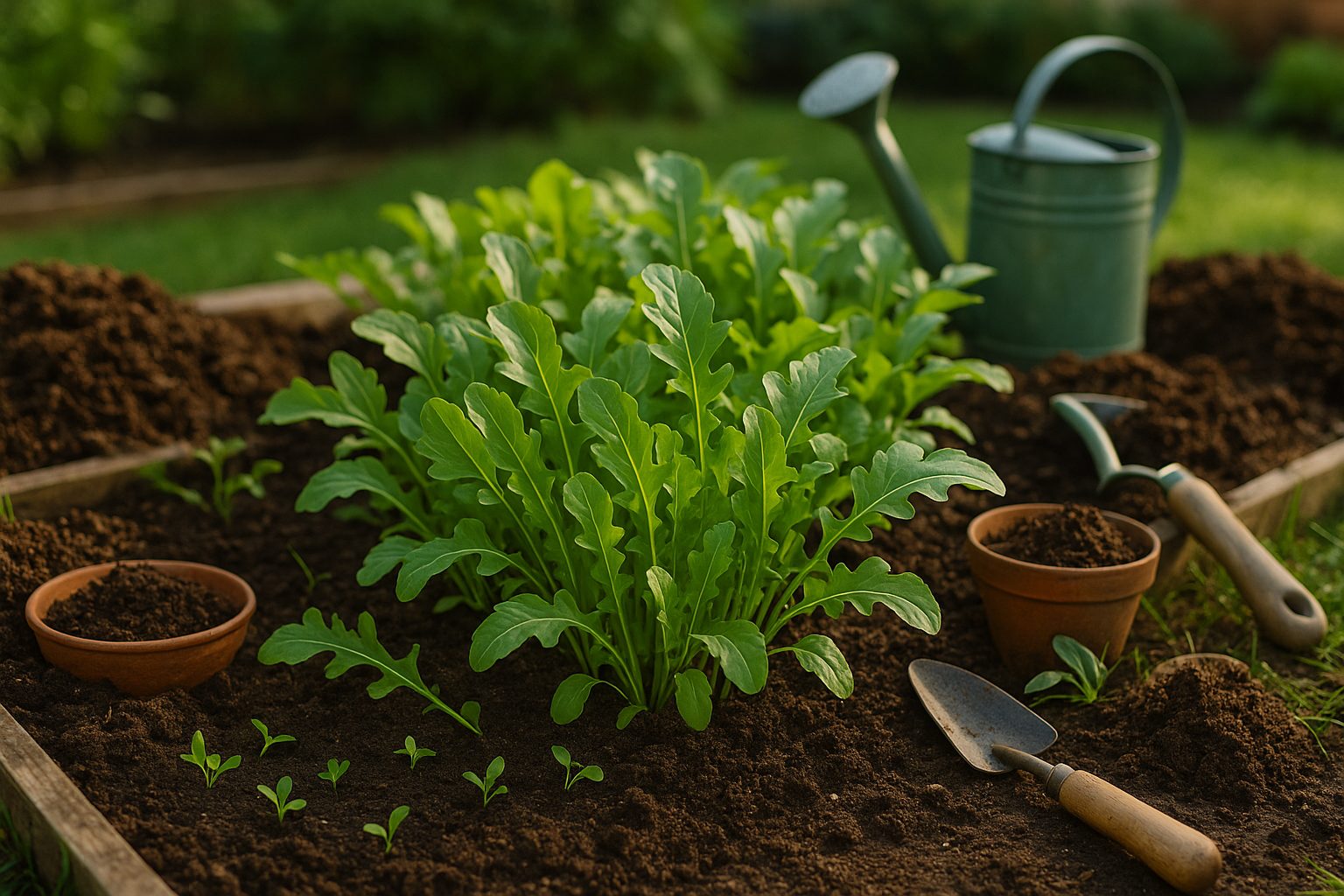
Growing arugula with kids is a fantastic way to spark curiosity about gardening while introducing them to this peppery, leafy green—also known as rocket. Arugula is celebrated for its bold, slightly spicy flavor, making it a favorite in everything from fresh salads to homemade pizzas. Its various nicknames, including salad rocket and roquette, hint at its global popularity and versatility in the kitchen.
Home gardeners, especially those with young helpers, love arugula because it’s simple and quick to grow—it often goes from seed to harvest in just a few short weeks. This speed makes it ideal for children, who can see the fruits of their labor quickly, keeping their interest alive and making hands-on learning fun.
But arugula’s appeal goes beyond how easy it is to cultivate. Nutritionally, it’s packed with vitamins A, C, and K, alongside important minerals like calcium and potassium. These nutrients help support healthy bones, immune systems, and overall well-being, offering parents a delicious way to sneak super greens into family meals.
In the kitchen, arugula’s unique taste adds life to sandwiches, pasta, omelets, and even smoothies—giving both kids and adults a reason to try something new. By growing arugula with kids, you’re not just teaching valuable gardening skills; you’re also encouraging healthy eating habits, sparking culinary creativity, and making education an adventure you can share every day, right in your own backyard.
When and Where to Grow Arugula
Arugula thrives during the cooler parts of the year, making early spring and fall the best times to sow seeds. Unlike heat-loving veggies, arugula can bolt—go to seed too quickly—if temperatures climb. So, aim to plant once the threat of frost is past but before the heat of summer, or, for a fall crop, about two months before the first expected frost.
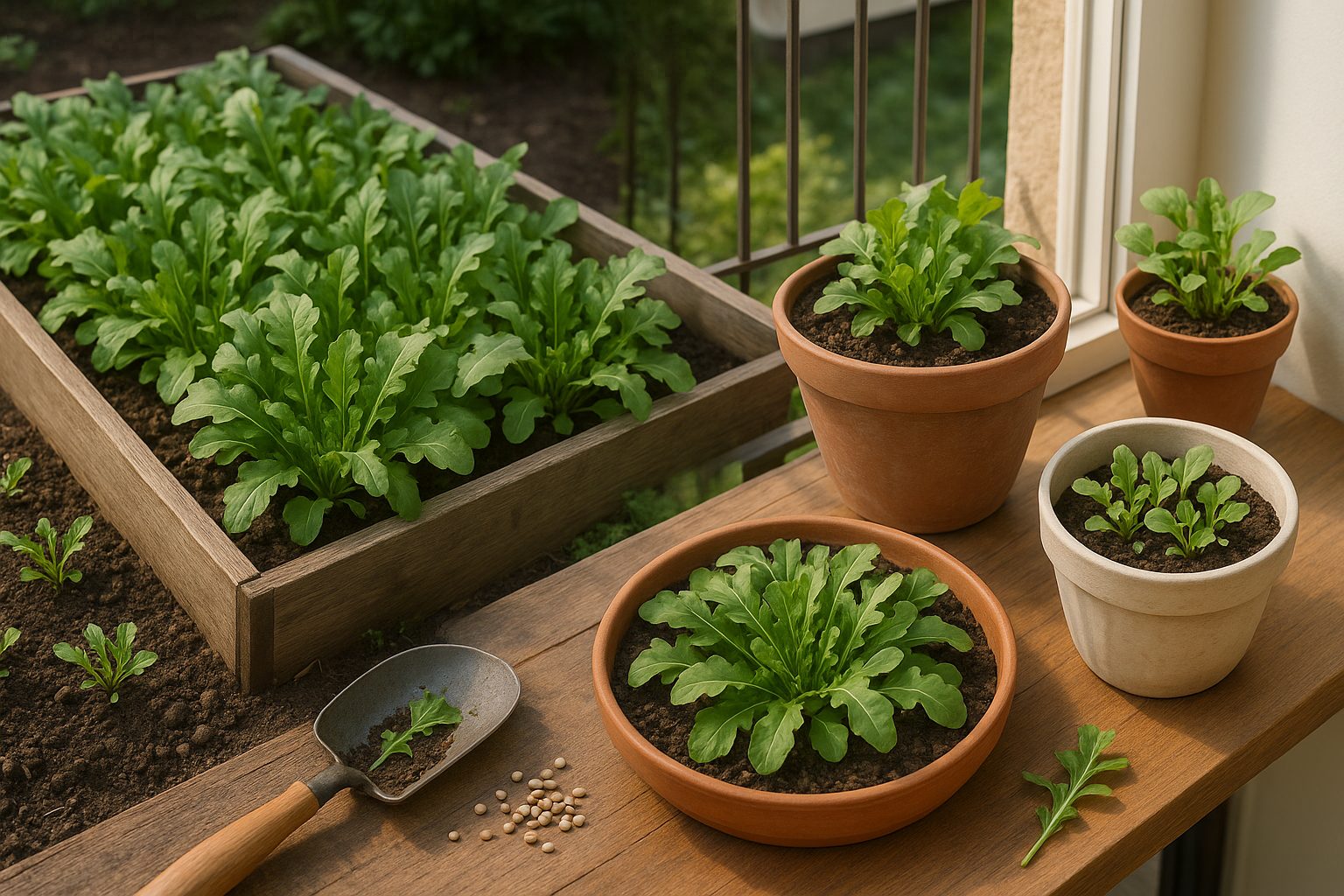
This leafy green is incredibly versatile when it comes to location. In outdoor gardens, arugula flourishes in well-drained beds with rich soil, but it’s just as happy growing in containers on patios, balconies, or even windowsills. You can also grow arugula indoors if you have a sunny south-facing window or supplemental grow lights. The compact, shallow-rooted plants don’t need much space or deep pots—just a container at least six inches deep will do.
For sunlight, arugula prefers full sun but is quite tolerant of partial shade, which is especially useful if you’re working with smaller, urban spaces or want to extend your harvest later into the season. Because arugula grows quickly and doesn’t sprawl, you can tuck it into nooks in existing garden beds or mix it with other salad greens in the same pot.
Experienced gardeners often rotate small successive plantings every couple of weeks for a continuous harvest. Whether you’ve got a big backyard or just a sunny kitchen corner, arugula’s adaptability makes it easy to enjoy fresh, zesty greens almost anywhere.
Preparing the Soil and Planting Arugula
Arugula thrives best in loose, well-draining soil that’s rich in organic matter. Before planting, work compost or well-rotted manure into the top few inches of soil to boost fertility. Aim for a soil pH between 6.0 and 7.0—kits to test pH are inexpensive and available at most garden centers.
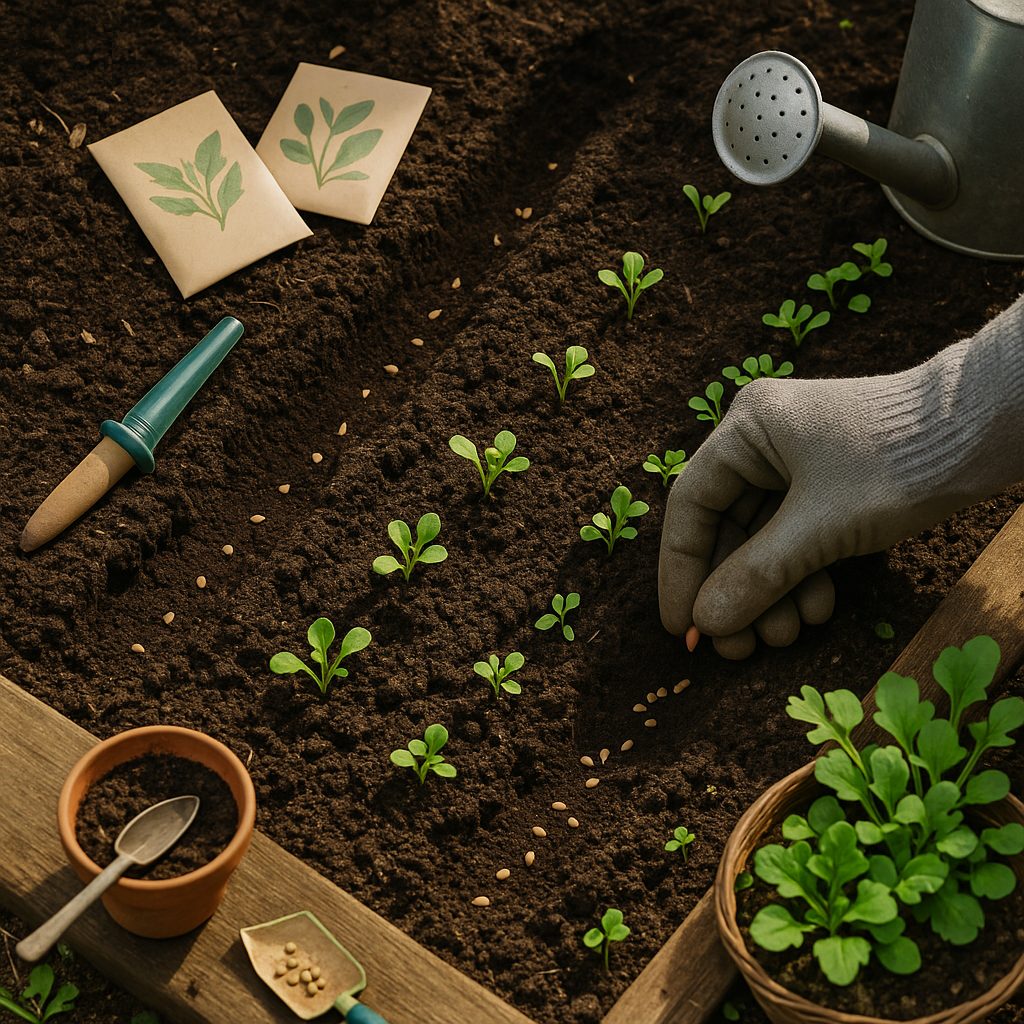
For direct sowing outdoors, plant arugula seeds about 1/4 inch deep and space them one inch apart in rows roughly 12 inches apart. As seedlings grow, thin them to 4-6 inches apart to allow enough room for the leafy greens to mature and for air to flow between plants, which helps prevent disease.
If you’re short on garden space or want a head start, arugula can also be started indoors: sow seeds in trays or small pots using a seed-starting mix, and place them on a sunny windowsill or under grow lights.
When growing arugula as microgreens, sprinkle seeds thickly on the surface of moist potting mix, press them in lightly, and keep the tray covered until seeds germinate. Within 7-10 days, you can snip the tender shoots for salads and sandwiches.
No matter your method, keep the soil consistently moist but not waterlogged, as arugula prefers steady hydration and will bolt (go to seed) quickly if stressed by drought. Regularly check seedlings for crowding and do any additional thinning as necessary.
With a little attention up front, you’ll enjoy rapid growth and a steady harvest of peppery leaves throughout the season.
Caring for Arugula Plants
Arugula thrives when its soil is kept consistently moist, but not soggy—think of a wrung-out sponge. Water deeply whenever the top inch of soil feels dry, especially during hot spells when arugula wilts easily.
Installing mulch around your plants helps retain moisture and regulate soil temperature, reducing the risk of drought stress that can cause bitter leaves and stunted growth. At the same time, avoid overwatering, which can lead to root rot and fungal issues.
For fertilization, arugula isn’t a heavy feeder; simply mix in compost or a balanced organic fertilizer before planting, then side-dress with more compost if growth slows. Synthetic fertilizers often aren’t necessary and can encourage pests.
Speaking of pests, flea beetles and aphids are common culprits—try row covers early in the season and introduce beneficial insects like ladybugs or spray neem oil to naturally limit outbreaks.
To avoid diseases like downy mildew, water at the soil level rather than overhead and space your plants for good airflow.
Maintenance-wise, succession planting every few weeks ensures a steady harvest rather than a glut all at once. If growing during warmer months, bolt-resistant arugula varieties and providing afternoon shade can help prevent plants from flowering prematurely, which leads to spicy, less palatable leaves.
Regularly harvesting the outer leaves also encourages new growth and extends your plants’ productivity.
By tuning into arugula’s moisture, nutrient, and temperature preferences, you’ll enjoy a continuous supply of fresh, peppery greens with minimal hassle.
Harvesting and Storing Arugula
Harvesting arugula at the right time is key if you want crisp, flavorful greens and a continuous supply. pick the outer leaves once they’re about three to four inches long, preferably in the morning when the leaves are at their most tender. Use clean scissors or simply pinch the leaves near the base—always leave the inner, smaller leaves so the plant can keep producing for weeks.
Regular, gentle harvesting like this not only encourages regrowth but also helps delay bolting (when the plant goes to seed). If you’re interested in saving seeds for next season, let a few plants “bolt”—they’ll send up flower stalks and eventually form seed pods. Wait until these pods turn brown and dry on the stem, then snip them off and let them finish drying in a paper bag. Once the pods are brittle, crush them and separate out the tiny seeds, storing them in a labeled envelope somewhere cool and dry.
To keep freshly picked arugula leaves crisp, wash them in cold water, dry thoroughly using a salad spinner or towel, and wrap loosely in a dry paper towel before placing them in a perforated plastic bag or airtight container in your fridge. This method keeps leaves fresh and reduces excess moisture, which can cause spoilage.
If you find yourself with more arugula than you can use, try making simple pesto or tossing the excess in a stir fry—both are great ways to avoid food waste and enjoy the peppery flavor of arugula long after harvest.
Culinary Uses and Fun Facts About Arugula
Arugula is a versatile leafy green with a peppery kick, making it a favorite in a variety of dishes. Most commonly, arugula stars in fresh salads—either as the base or added to mixes for an extra burst of flavor. It’s just as delicious tucked into sandwiches or wraps, where its bite balances rich spreads or meats.
Arugula also shines in pestos; swap out traditional basil for arugula to create a zesty, nutrient-packed sauce for pasta or pizza. Don’t overlook cooked dishes: tossing arugula into hot pasta, stirring it into risotto, or wilting it on top of a homemade flatbread mellows its boldness while adding color and nutrients.
Beyond the kitchen, arugula plants serve a practical purpose in the garden; their distinctive scent and taste can help deter certain pests naturally. Historically, this leafy green was celebrated in ancient Rome as an aphrodisiac and valued for its medicinal qualities.
Growing arugula at home is easy—it thrives in pots or garden beds and can be harvested just weeks after planting. For a fun twist, experiment with mixing homegrown arugula into smoothies or adding it to breakfast eggs.
Whether you enjoy its sharp, fresh taste raw or its subdued flavor when cooked, arugula is a must-try ingredient for anyone looking to expand their culinary repertoire and enjoy the satisfaction of harvesting their own leafy greens.