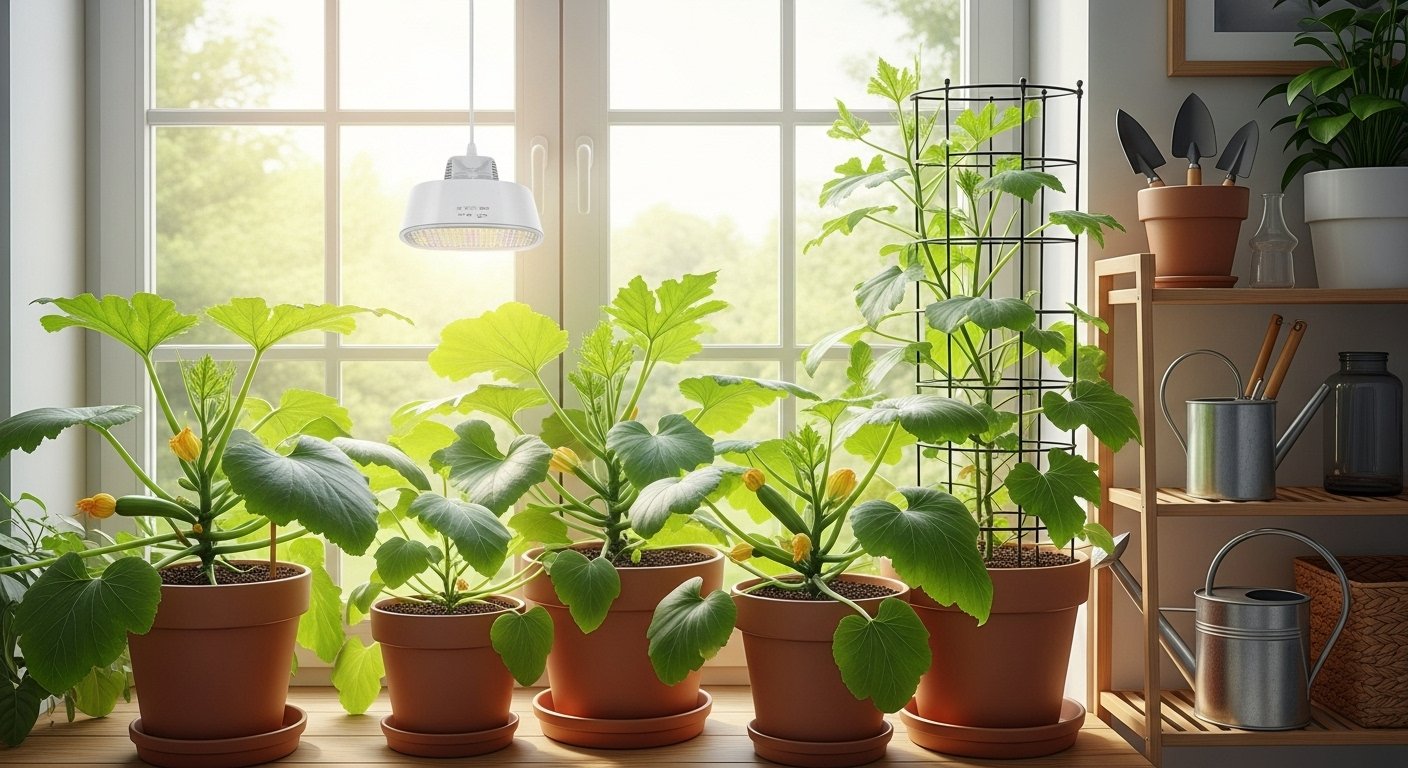
Introduction to Growing Zucchini Indoors
Growing zucchini indoors can be a game-changer for anyone wanting fresh, flavorful squash year-round, right from their kitchen or living room. Zucchini is ideal for indoor gardening because it’s a fast-growing, high-yield vegetable that produces an abundance of fruit in a compact space—perfect for apartment dwellers or those with limited outdoor areas.
With fewer pest issues and unpredictable weather to worry about, indoor gardeners can focus on keeping their plants healthy and productive without battling slugs or stressing over late frosts. The main differences between indoor and outdoor zucchini cultivation come down to light, pollination, and container choice.
Indoors, you’ll need to ensure your plants get plenty of bright, direct light—either from a sunny window or grow lights—and you may need to hand-pollinate flowers since pollinators aren’t around inside. There are also specific tips for selecting the right zucchini varieties, choosing appropriately sized containers, managing watering and feeding, and encouraging airflow to prevent diseases.
In this post, we’ll cover the crucial steps for growing zucchini indoors successfully, from picking compact varieties to providing optimal light and mastering indoor pollination techniques—so you can harvest delicious homegrown zucchini no matter the season.
Choosing the Right Zucchini Variety and Supplies
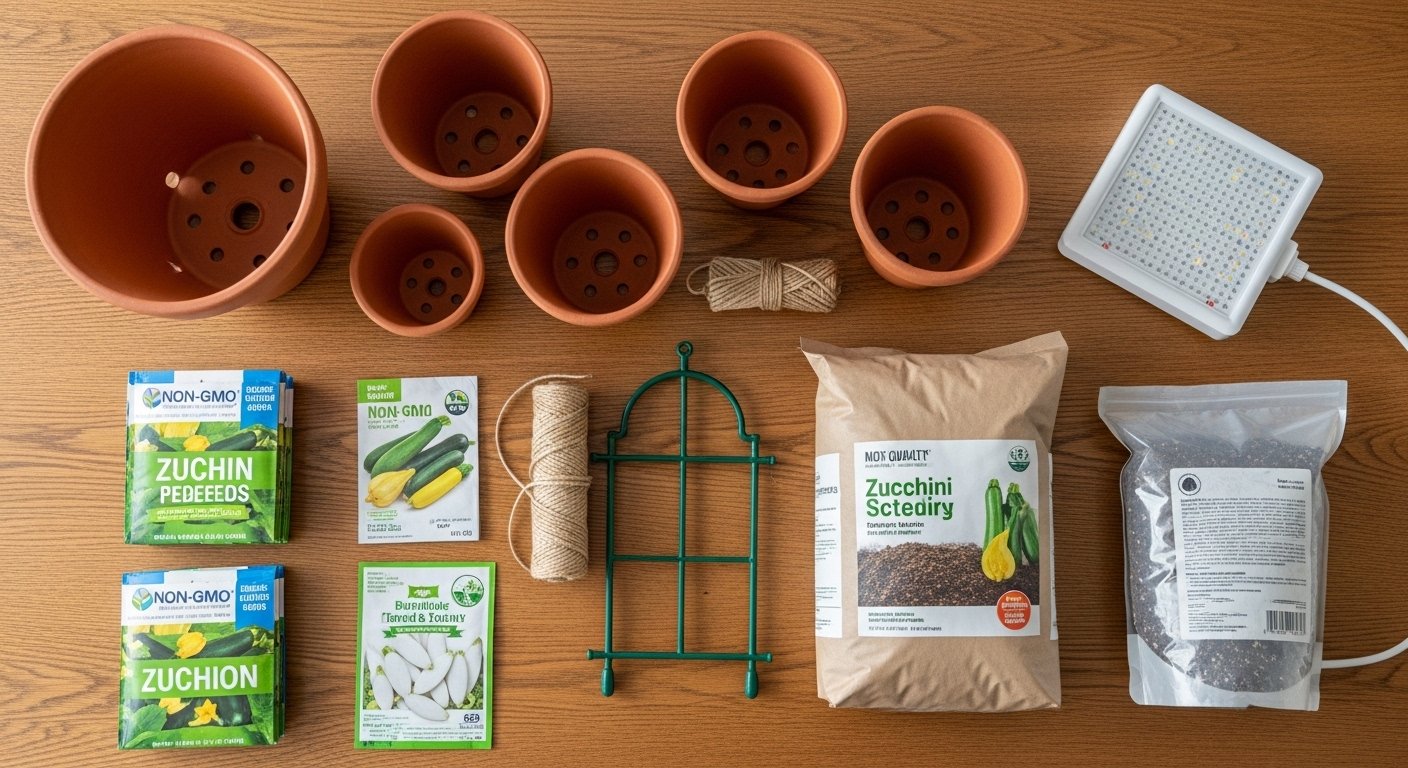
When growing zucchini indoors, it’s important to pick the right variety for your space. Bush and dwarf types like ‘Raven’ or ‘Eight Ball’ are perfect for compact areas since they stay small and don’t sprawl. If you want to make the most of vertical space, try climbing or vining varieties such as ‘Black Forest’—these can be guided up a sturdy trellis or plant cage, letting you grow more in less area.
For supplies, start with a container that’s at least 5 gallons and has drainage holes, as zucchini plants need enough room for their roots and hate sitting in waterlogged soil. Use high-quality potting mix with good aeration and drainage to help them thrive indoors. You can start with seeds or buy young seedlings from a nursery. If choosing seeds, look for non-GMO or heirloom options online or at local garden centers—these support biodiversity and can often be saved for future plantings.
Zucchini love sunlight, so if your indoor space is dim, invest in an LED grow light and keep it on for 12-16 hours a day. For climbing varieties, install a strong trellis or plant supports right at planting time so the vines can train easily as they grow.
With these simple supplies and the right zucchini for your setup, you can enjoy fresh, homegrown squash year-round, even with limited space.
Planting Zucchini Indoors: Step-by-Step
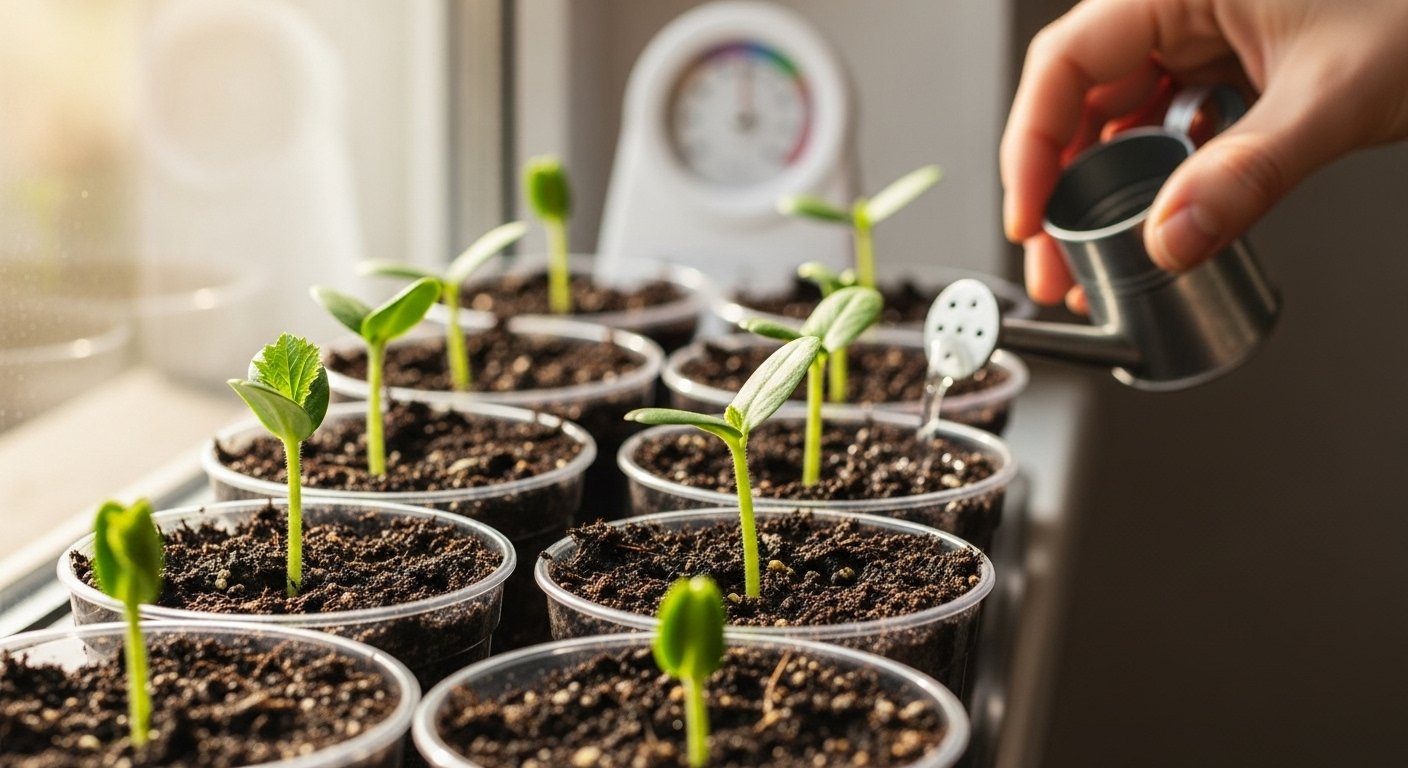
Starting zucchini seeds indoors is a great way to get a head start on your summer harvest, especially if you live in a region with a short growing season. Begin about three to four weeks before your last expected frost.
Fill 3- to 4-inch pots or seedling trays with loose, well-draining seed-starting mix; this size gives roots enough space to develop without crowding. Plant each zucchini seed about one inch deep, placing only one seed per pot to minimize competition and ensure healthy root growth.
Water gently but thoroughly so the soil stays moist but never soggy—overwatering can invite disease. Zucchini loves warmth, so aim to keep your setup at a steady 70-80°F (21-27°C). Placing pots near a sunny window or under a grow light works well.
If you don’t have a heating mat, a sunny windowsill is a good alternative, but be sure to rotate pots to help seedlings grow straight. As seeds sprout (usually in seven to ten days), watch for roots poking through drainage holes or plants outgrowing their containers.
If this happens before it’s time to move outdoors, transplant seedlings into a larger pot—choose one that allows extra root space and continue using fresh potting mix. To transplant, gently slide each seedling out, taking care not to disturb the roots, then replant at the same depth in the new container.
Throughout the process, give your zucchini seedlings plenty of bright, indirect light to avoid leggy growth. With close attention to detail at each step, your zucchini plants will thrive indoors and be well-prepared for transplanting into the garden once the weather warms up.
Caring for Your Indoor Zucchini Plant
Growing zucchini indoors lets you enjoy fresh produce year-round, but it does require some thoughtfulness to achieve healthy, productive plants.
Zucchini thrives with plenty of bright, direct sunlight, so place your pot near a south-facing window if possible—six to eight hours of light daily is ideal. If natural light is scarce, invest in a full-spectrum LED grow light positioned about 12-18 inches above the plant, turning it on for 12-14 hours per day.
Water when the top inch of soil feels dry; overwatering can cause root rot, so err on the side of slightly moist rather than soggy. Use a balanced, water-soluble fertilizer (such as a 10-10-10 blend) every two to three weeks during the growing season to encourage robust growth.
Indoors, pollination won’t happen naturally, so once your plant starts flowering, use a small paintbrush or cotton swab to gently transfer pollen from male to female blossoms—the latter typically have a small fruit at the base.
For small spaces, select compact or bush varieties, and use vertical training for vining types: provide a sturdy trellis or stake, gently tying the vines as needed to keep the plant upright and improve air circulation.
Regularly prune away yellowed leaves and pinch back excess growth to focus energy on fruit production.
This combination of careful monitoring, support, and hand pollination will not only keep your indoor zucchini plant manageable but also maximize your delicious harvest, even in a small apartment or kitchen corner.
Common Indoor Zucchini Growing Problems (and Solutions)
Growing zucchini indoors can be rewarding, but it comes with its own set of challenges. One common issue is poor pollination, since indoor plants don’t benefit from outdoor insect pollinators. You can hand-pollinate by gently transferring pollen from male to female flowers using a small paintbrush or cotton swab—a simple task that can greatly increase your harvest.
Another frequent problem is powdery mildew, a white, powdery fungus that thrives in humid, stagnant air. Prevent it by spacing plants well for air circulation, using a small fan if needed, and promptly removing any affected leaves.
Pests like spider mites and aphids are surprisingly common indoors. Regularly inspect the undersides of leaves and wash away pests with a spray of soapy water.
Leggy seedlings, a sign of inadequate light, can be fixed by positioning plants directly under strong grow lights for at least 12–14 hours a day.
Pay close attention to how your plants look—wilting, yellowing leaves, or sudden growth changes signal stress that might need a quick fix, such as adjusting light distance, watering less or more, or checking for pests. By spotting these signs early and adapting quickly, you’ll give your indoor zucchini the best chance to thrive.
Harvesting and Using Your Indoor Zucchini
Indoor zucchinis can be surprisingly prolific, and knowing exactly when to harvest makes all the difference. Look for fruits about 6 to 8 inches long with glossy, deep green skins. Smaller zucchinis tend to be more tender and flavorful, and picking them young encourages your plant to keep producing throughout the season.
To harvest without harming the plant, use clean, sharp scissors or pruners and snip the stem about an inch above the fruit. Avoid twisting or pulling, as this can damage both the fruit and the plant.
Once harvested, you have a world of quick, healthy recipes at your fingertips. Try:
- Slicing zucchinis into ribbons for a fresh salad
- Sautéing rounds with garlic for an easy side
- Tossing cubes into a stir-fry
- Spiralizing them into “zoodles” as a low-carb pasta alternative
Homegrown zucchinis are so fresh and mild that even simple preparations—like a drizzle of olive oil and a sprinkle of sea salt—let their flavor shine. This makes them a rewarding ingredient for home cooks of any skill level.
Conclusion & Next Steps
Growing zucchini indoors offers fresh, homegrown veggies year-round, effective pest control, and the satisfaction of nurturing a plant from seed to harvest—all without needing a big backyard.
If you’re ready to dive deeper, consider exploring advanced resources on indoor hydroponics or joining online gardening forums for new tips and troubleshooting. Don’t be afraid to experiment and find what works best for your space.
Have questions, success stories, or even some zucchini recipes to share? Drop them in the comments below—we’d love to learn from your experience and keep the indoor gardening conversation growing!