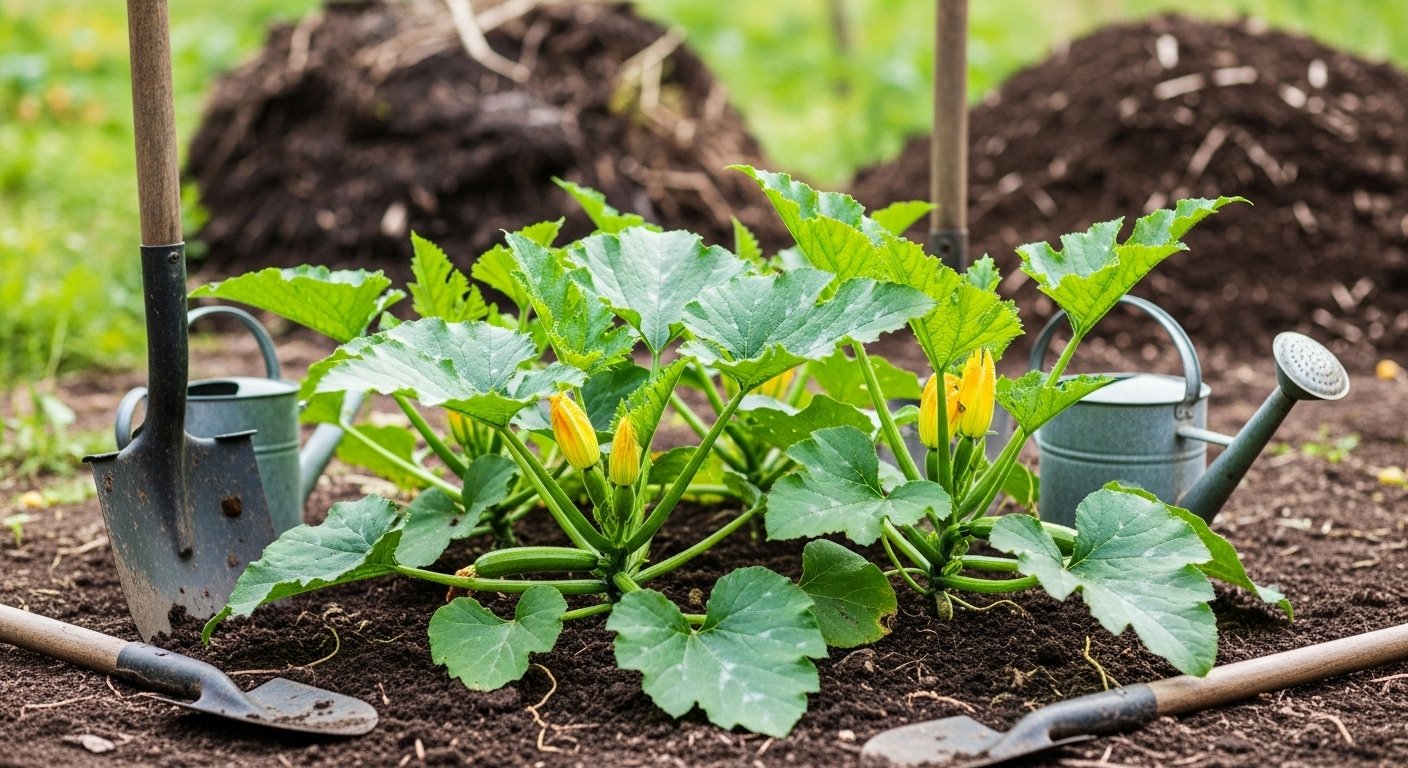
Understanding Zucchini Basics and Varieties
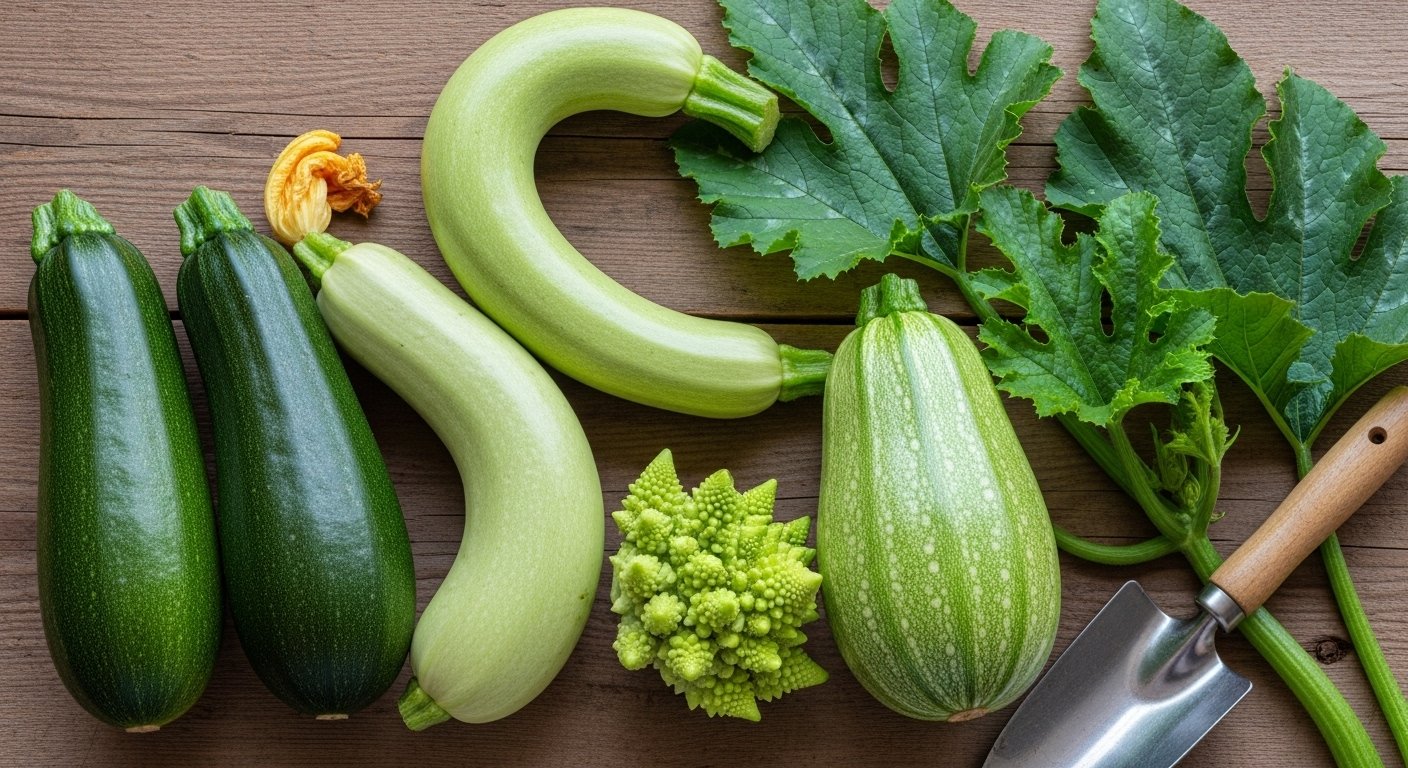
If you’re hoping for a bumper crop this season, finding the best soil for zucchini is one of the first steps to success. Zucchini, a staple in countless summer gardens, is beloved not only for its crisp texture and mild flavor but also for how easily and abundantly it grows. These plants feature large, lobed leaves, thick succulent stems, and either a bush or vining growth habit, making them a lively addition to any garden bed or container.
Bush types, like ‘Black Beauty’ or ‘Raven,’ stay compact and are perfect for smaller spaces, while vining varieties such as ‘Tromboncino’ or heritage ‘Costata Romanesco’ can sprawl with impressive vigor and often boast even greater yields.
What makes zucchini truly appealing to gardeners? In addition to their fast maturity—sometimes producing ready-to-harvest fruits just 40-50 days after planting—zucchini plants are remarkably forgiving. They thrive with only basic care, making them excellent for beginners or anyone short on time. Plus, their productivity is legendary; a single healthy plant can provide more zucchini than most families know what to do with!
Their culinary versatility doesn’t hurt, either—zucchini can be grilled, roasted, spiralized, or even baked into breads and muffins. Whether you’re planting a single pot on your patio or a long row in your backyard, picking the right variety and giving them the best soil for zucchini will set you up for a summer of fresh, homegrown abundance.
Choosing the Right Location and Preparing the Soil
When growing zucchini, picking the right spot is crucial for a lush and productive harvest. Zucchini thrives in full sun, so select an area that receives at least 6 to 8 hours of direct light daily—more sunlight means stronger plants and more fruits. Good air circulation helps prevent common diseases like powdery mildew, so avoid crowded, shaded corners of the garden.
As for soil, zucchini does best in slightly acidic to neutral conditions, with a pH between 6.0 and 7.5. The soil should be rich in organic matter; mixing in compost or well-rotted manure is an easy way to boost fertility. You’ll also want well-draining soil, since soggy roots can quickly lead to rot.
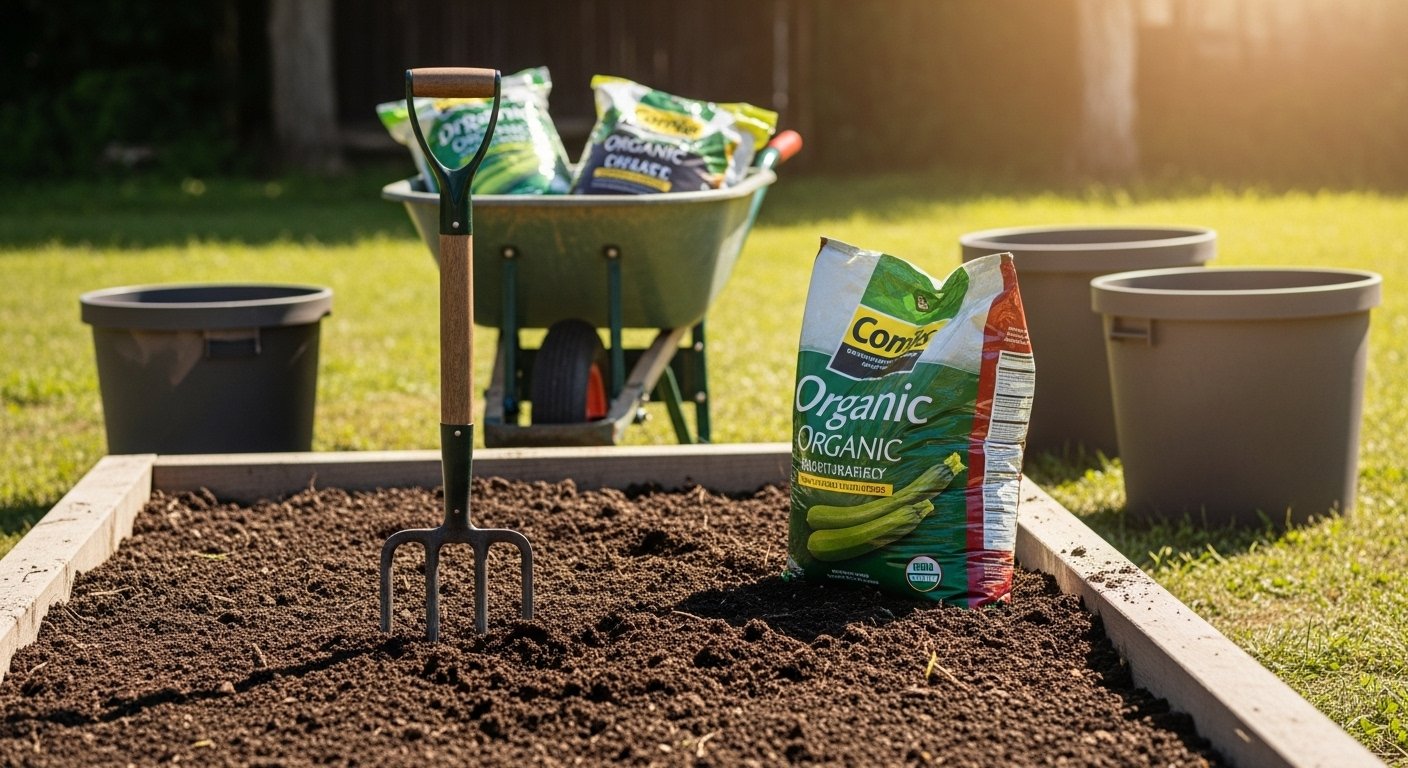
Before planting, loosen the ground to at least a foot deep using a shovel or garden fork—this helps the roots spread easily and improves aeration. Add in several inches of compost and a balanced slow-release fertilizer if your soil test indicates it’s needed. If drainage is an issue, consider building a mound or choosing raised beds that allow excess water to escape.
Garden beds, raised beds, and even large containers all work well for zucchini, as long as there’s enough room for the sprawling vines—containers should be at least 18 inches wide and deep. Many gardeners find that raised beds and containers warm up faster in spring and give more control over soil quality and drainage, making them excellent options for small spaces or poor native soil.
Whatever method you choose, giving your zucchini a sunny home and nutrient-rich, well-prepared soil sets the stage for a bountiful season.
When and How to Plant Zucchini
Knowing when to plant zucchini is key to a successful harvest. Zucchini thrives in warm weather, so the best time to plant is after your area’s last spring frost, when soil temperatures consistently stay above 60°F (16°C).
In most regions, this means planting seeds outdoors in late spring, roughly two weeks after the final frost date. If you live in a short growing season, start seeds indoors three to four weeks before the last frost, then transplant outdoors when seedlings have two or three true leaves.
For direct sowing, plant seeds about one inch deep in well-drained soil. If using nursery transplants or your own indoor starts, set seedlings at the same depth as they were in their pots, being gentle with the roots.
Whether sowing seeds or planting starts, space zucchini plants at least 24 to 36 inches apart in rows that are three to four feet apart—giving them room for airflow and growth reduces pests and diseases. For small gardens, bush varieties need less space than vining types.
To keep the zucchini harvest coming, use succession planting: every two to three weeks, plant a few more seeds or starts until midsummer. This simple schedule ensures a steady stream of tender zucchini, rather than a flood all at once.
Remember to water seedlings and young plants consistently, mulch to retain soil moisture, and thin crowded seedlings early for healthy, productive plants.
Caring for Zucchini Plants: Watering, Feeding, and Maintenance
Zucchini plants thrive with consistent care, starting with proper watering. Aim to water deeply about once or twice a week, providing roughly one inch of water each time—more during hot, dry spells. It’s best to water early in the day at the base of the plant to avoid wetting the leaves, which can lead to disease.
Watch for signs of overwatering—like yellowing, wilting leaves and a soggy soil surface—or underwatering, such as drooping foliage and dry, cracked earth.
Feeding Your Zucchini Plants
Zucchini are heavy feeders. Incorporate compost or well-rotted manure into the soil before planting, then top-dress with organic fertilizer (like fish emulsion or seaweed extract) every three to four weeks. If you prefer conventional fertilizers, use a balanced, general-purpose formula (such as 10-10-10) and follow the label instructions to avoid nutrient burn.
Supporting and Mulching
Supporting zucchini is beneficial, especially for compact gardens. Use stakes or tomato cages to train plants upward, which encourages better air circulation and eases harvesting. Mulching around the base with straw or leaf mulch helps retain soil moisture, suppress weeds, and keeps fruits clean.
Pruning and Pest Management
Pruning isn’t usually necessary, but snip away any damaged or diseased leaves promptly to maintain plant health. For daily care, inspect plants for pests like squash bugs and cucumber beetles, removing them by hand or with insecticidal soap if needed.
Additional Care Tips
- Remove weeds regularly.
- Check soil moisture consistently.
- Harvest zucchinis regularly—picking fruits at 6–8 inches long keeps the plants productive and prevents oversized, tough zucchinis.
With attentive watering, feeding, and support, your zucchini patch will reward you with a steady, healthy harvest all season long.
Managing Pests and Diseases
Dealing with pests and diseases is one of the biggest challenges for gardeners growing squash. Common pests like squash bugs, vine borers, and aphids can quickly damage plants if left unchecked.
Preventing and Controlling Pests
To prevent squash bugs, regularly check the undersides of leaves for clusters of bronze eggs and remove them by hand. For aphids, use a strong blast of water to dislodge them or introduce beneficial insects like ladybugs, which naturally feed on aphids.
Vine borers can be tricky—they lay eggs near the base of the plant, and the hatched larvae burrow into stems, causing sudden wilting. Wrapping the lower stems of squash plants in aluminum foil or using row covers early in the season can help block these pests.
For organic treatments, neem oil or insecticidal soap sprays are safe and effective for most soft-bodied pests.
Managing Diseases
When it comes to diseases, powdery mildew appears as white powdery spots on leaves, while bacterial wilt causes rapid plant collapse.
To minimize disease risk:
- Always water at the base of plants to keep leaves dry.
- Space plants to promote airflow.
- Rotate crops each year to prevent pathogens from building up in the soil.
- Remove and discard any infected plant material promptly.
- Use mulching to help keep soil-borne diseases at bay and reduce splashing onto foliage.
By combining these simple, gardener-friendly techniques with regular monitoring, you can keep squash plants healthier and harvests more abundant without resorting to harsh chemicals.
Harvesting and Enjoying Your Zucchini
For the best flavor and texture, harvest your zucchini when they’re about 6 to 8 inches long—roughly the length of a standard pencil. At this size, zucchinis are tender, with thin skin and small seeds, making them perfect for grilling, sautéing, or slicing into salads.
Check your plants daily once they start producing, as zucchini can grow surprisingly fast. Picking every couple of days encourages the plant to keep producing. To harvest without damaging the plant, use a sharp knife or garden shears to cut the stem about an inch above the fruit. Avoid twisting or pulling it off, as this can break branches or disturb roots.
Once harvested, get creative with simple dishes like zucchini noodles (zoodles), quick stir-fries, or baked goods such as muffins and breads. If you have more zucchini than you can use, grate and freeze it in portioned bags for later baking, or slice and blanch before freezing to preserve summer’s bounty for soups and sautés during the winter months.
Troubleshooting and Common Growing Problems
Growing tomatoes can sometimes be frustrating when problems like blossom end rot, poor fruit set, or small and yellowing fruits appear.
Blossom end rot shows up as dark, sunken spots on the bottom of tomatoes and is often caused by inconsistent watering or calcium deficiency. Try to keep your soil evenly moist and mulch around plants to retain water. Also, avoid over-fertilizing with nitrogen-heavy products.
Poor fruit set happens when pollination is disrupted, usually due to high temperatures, lack of pollinators, or excessive shade. Gently shake plants to help promote pollination, and make sure your tomatoes are in a sunny spot.
Small or yellowing fruits often signal nutrient imbalance or overcrowding. Use a balanced fertilizer and give each plant enough space to grow. Prune as needed to boost airflow and light.
Regular monitoring helps catch issues early, making it easier to adjust your watering or fertilizing routine. For persistent problems or specific local concerns, check resources like your county’s Cooperative Extension Service or the National Gardening Association, which offer tailored advice based on your region and climate.