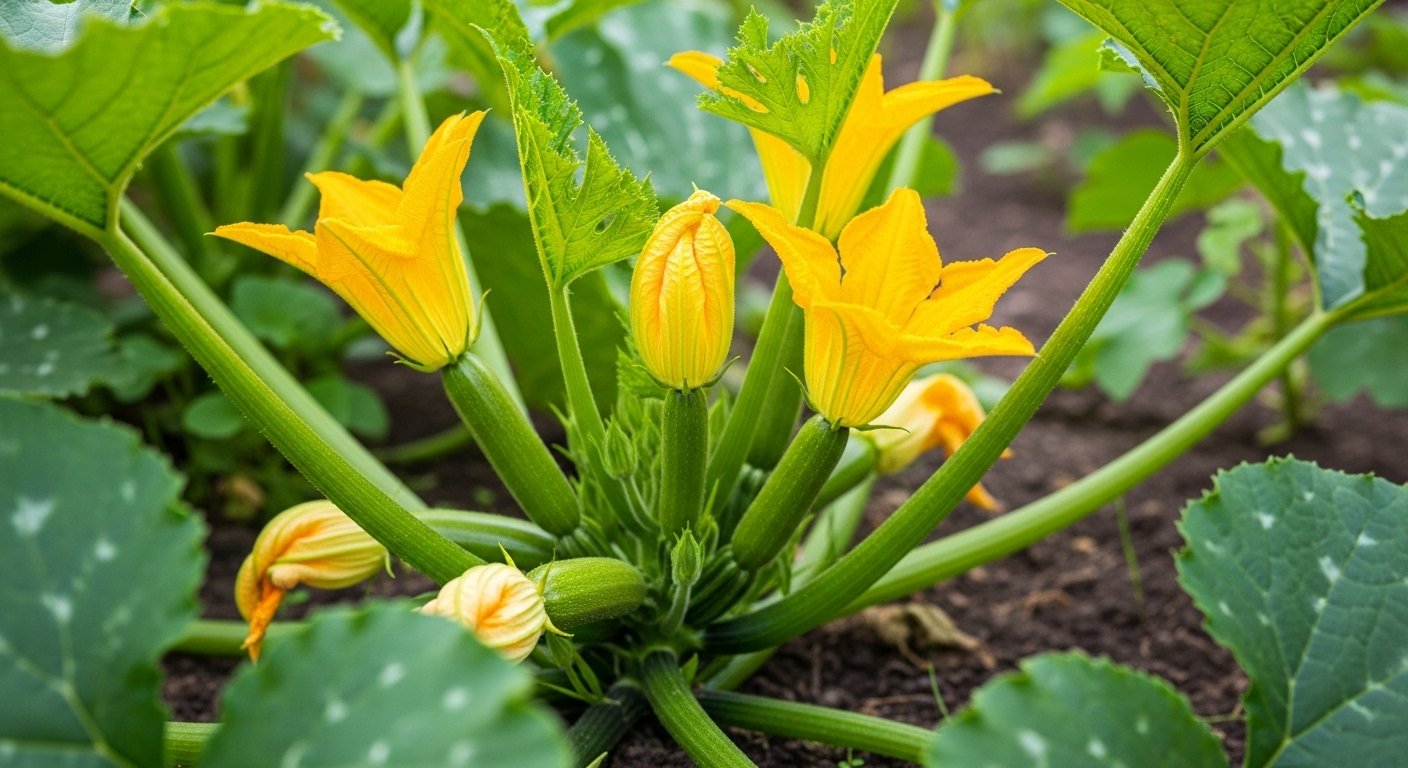
Why Pollination Matters for Zucchini Plants
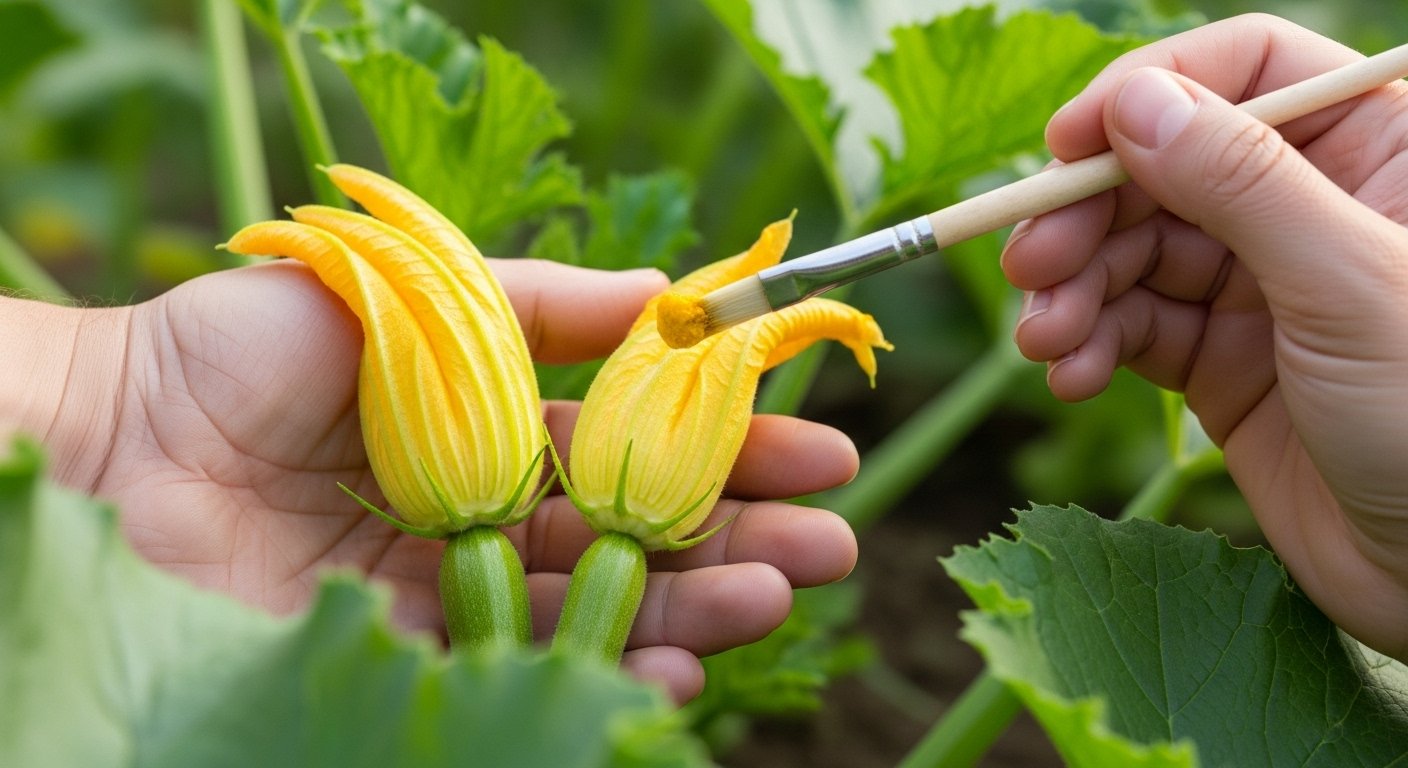
Learning how to hand pollinate zucchini can make a world of difference in your garden’s harvest. If your zucchini plants aren’t setting fruit properly, you might notice tiny zucchinis that shrivel and drop off, disappointingly low yields, or fruits that grow in odd, misshapen patterns. These issues often stem from poor pollination.
Zucchini plants produce separate male and female flowers—the males provide pollen, while the females bear the developing fruit. In nature, bees and other pollinators transfer pollen from male to female flowers, jumpstarting fruit development. But problems arise when there aren’t enough pollinators around—humidity from rainy spells, hot enclosed greenhouses, or simply a low bee population can all interfere with this process.
This is where hand pollination comes to the rescue. By transferring pollen yourself, using a small brush or just plucking a male flower, you guarantee that your zucchini plants get the pollination they need. It’s a technique every home gardener should know, especially if you’re growing zucchini in urban areas, indoors, or during unpredictable weather, ensuring you reap a healthy, delicious crop throughout the season.
Understanding Male vs. Female Zucchini Flowers
Identifying male and female zucchini flowers is simple once you know what to look for. Male flowers usually appear first and are easy to spot—they grow directly on slender stems and have a single straight stalk. In contrast, female flowers show a tiny, baby zucchini (an ovary) just behind the petals, hinting at the fruit to come.
The female flowers are the only ones that can develop into zucchinis after pollination. Males serve a key role by producing pollen, which bees or other pollinators transfer to the central stigma of the female flowers, enabling fruit development.
On the plant, male flowers tend to outnumber females at the start of summer, often blooming in abundance early on to ensure plenty of pollen is available during the first wave of pollinator activity. Females usually follow about a week or two later, so don’t worry if you only see male flowers initially.
For thriving fruit set, try to attract bees to your garden by planting pollinator-friendly blooms nearby, or hand-pollinate by gently brushing a male flower’s center onto a female’s stigma. This extra care can help maximize your zucchini harvest all season long.
When and Why to Hand Pollinate Zucchini
Knowing when to hand pollinate your zucchini can make a big difference in your harvest. If you notice that your zucchini plants are producing lots of flowers but few fruits, or if the young fruits start growing only to shrivel up and fall off, these are clear signs that natural pollination isn’t happening.
This often means bees and other pollinators aren’t getting the job done, especially in urban gardens, greenhouses, or during stretches of rainy weather. The best time to hand pollinate is in the morning, right after the flowers open and their pollen is freshest—wait too long, and the flowers may wilt or close.
Grab a small paintbrush or cotton swab, gently collect pollen from the male flowers (the ones with thin stems), and dab it onto the center of the female flowers (look for the little swollen bump beneath the flower). Hand pollination is especially useful if you notice a decline in bee activity in your area or if consistent fruit development matters for your garden goals.
Step-by-Step Guide: How to Hand Pollinate Zucchini
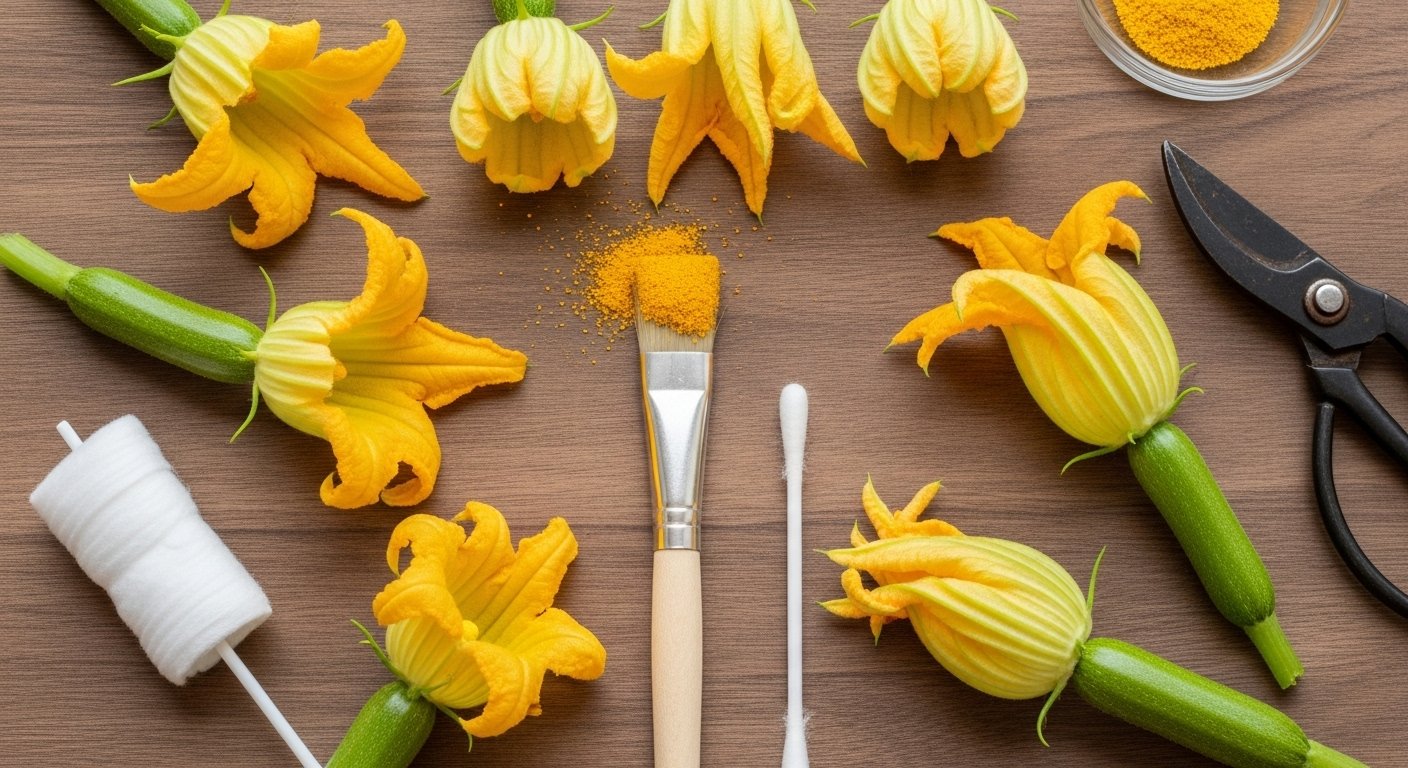
Hand pollinating zucchini is a simple but effective way to boost your harvest, especially if you’ve noticed fruit that’s small, misshapen, or not developing at all.
Start by identifying the flowers:
- Male flowers grow on thin stems and have a single, pollen-covered stamen inside.
- Female flowers grow closer to the plant’s base and have a small, bulb-like ovary right behind the petals.
Early in the morning, when flowers are fully open, use a small paintbrush or a cotton swab to gently collect pollen from the center of a male flower—then dab the yellow powder onto the stigma in the middle of a female flower.
You can also pick a male flower, remove its petals, and lightly brush the exposed stamen directly onto the female stigma. Handle flowers carefully to avoid damaging delicate parts, and try to pollinate several female flowers for a better chance of fruit set.
Repeat the process over two or three days as more flowers open, since not every attempt is guaranteed to work.
If fruits still shrivel or rot at the ends, it could mean pollination didn’t take—try adjusting your timing so you catch both flower types when they’re widely open, and check that you’re transferring enough pollen.
Keeping your pollinating tools clean and using fresh, open flowers will improve your success, helping your zucchini plants thrive even when bees are scarce.
Common Questions & Troubleshooting Hand Pollination
Hand pollination can be confusing, especially when your squash plants seem to have only male or female flowers at any given time. If this happens, don’t worry—squash plants often start by producing just male flowers, followed by female ones a little later. Patience is key; keep checking daily, as the blooms may overlap soon.
If you have only female flowers and no male flowers available, you can try using pollen from a related squash variety (like zucchini and yellow squash), since most summer squashes are compatible.
After a successful hand pollination, you should see the fruit begin to swell within three to five days. If fruit isn’t developing, common culprits include:
- Extreme heat, humidity, or rain, which can damage pollen
- Flowers that are past their peak (they’re most receptive early in the morning)
- A plant stressed from lack of water or nutrients
To improve your chances, pollinate during cooler morning hours, use freshly opened flowers, and keep your plants healthy with regular watering and feeding. If you’re diligent and observant, hand pollination can be a reliable way to boost your squash harvest even when nature isn’t cooperating.
Extra Tips for Boosting Zucchini Yields
To boost your zucchini yields, focus on practices that encourage both male and female flowers. Consistent watering is key—try to keep the soil evenly moist rather than letting it dry out, which can stress the plants and disrupt flower production. Feed your zucchinis with a balanced fertilizer to ensure they have the nutrients needed to support both types of blooms.
Stress, whether from unpredictable weather or overcrowding, can throw off this balance, so provide mulch to maintain soil temperature and give each plant enough space. A pollinator-friendly garden also makes a big difference: plant flowers like marigolds or sunflowers nearby to attract bees, though some days of cool or rainy weather can limit insect activity.
If you notice few female blooms setting fruit, repeat hand pollination early each morning when flowers are open—using a small paintbrush to transfer pollen from male to female flowers—to ensure a steady harvest throughout the season.
Recap: Enjoy Healthy Zucchini Harvests
Hand pollination is a simple, hands-on way to help your zucchini plants produce more fruit by transferring pollen from male to female flowers using a small paintbrush or even your finger. This easy process boosts your harvest, especially if bees and other pollinators are scarce in your garden.
Beginners shouldn’t feel intimidated—mistakes are just part of learning, and every try makes you a better gardener. With a little patience and effort, you’ll soon enjoy the satisfaction of picking plump, healthy zucchinis right from your own backyard.
Give it a go, and take pride in your healthier, more abundant harvests!