Introduction
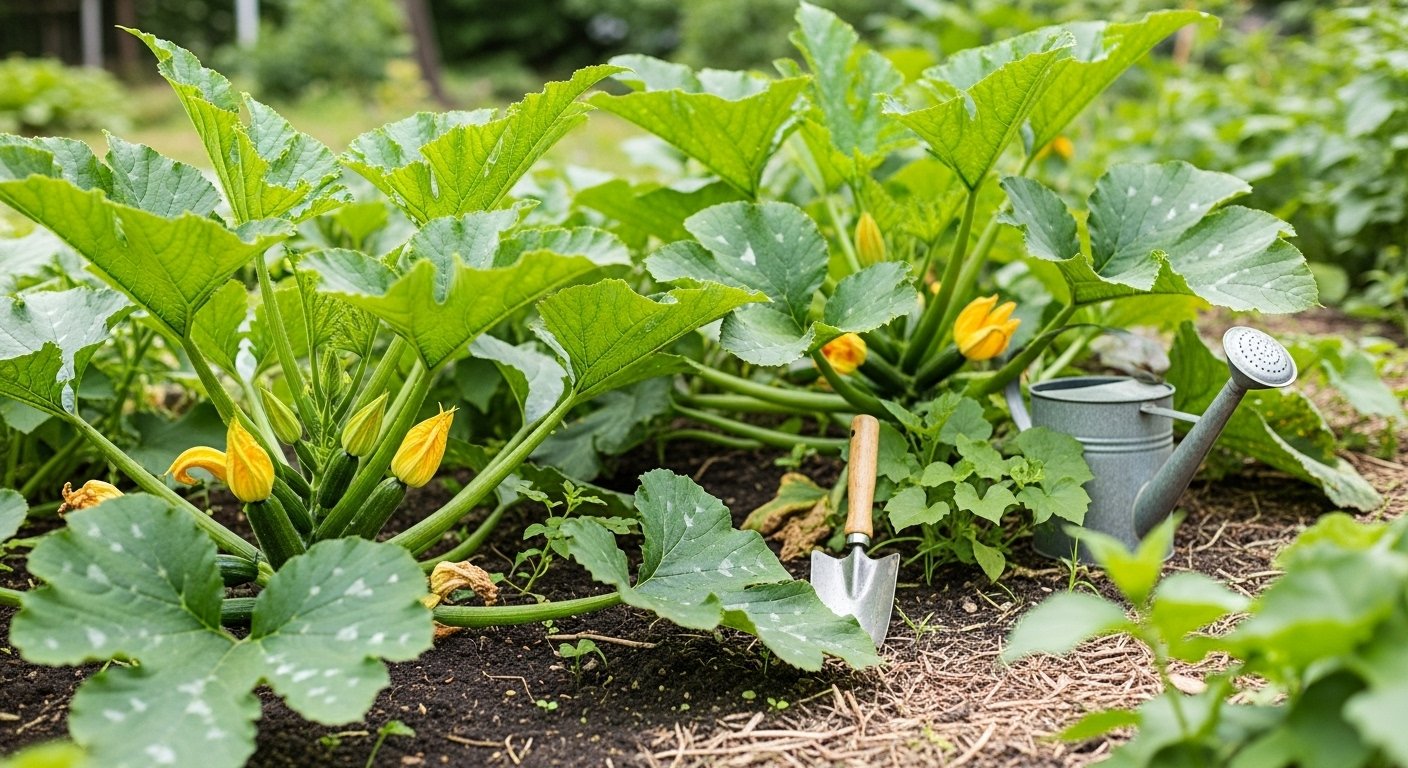
zucchini pests can quickly turn a thriving vegetable patch into a gardener’s nightmare, especially for those who love growing zucchini at home. Zucchini is one of the most popular choices for backyard gardens thanks to its rapid growth, bountiful yields, and versatility in the kitchen. However, its popularity comes with a catch—zucchini attracts a variety of pests, from tiny aphids and destructive squash bugs to stealthy cucumber beetles.
Many new and experienced gardeners find themselves in a constant battle to protect their green treasures from these invaders. Ignoring early signs of infestation can lead to wilting plants, damaged fruit, and ultimately, a disappointing harvest. That’s why recognizing and addressing zucchini pests quickly is key to keeping your crop healthy.
In this article, you’ll discover the most common zucchini pests you might encounter and learn how to identify them before they have a chance to spread. You’ll also get a toolkit of practical, real-world solutions for natural and chemical pest management, including tips on how to check your plants regularly, set up physical barriers, and choose companion plants that help ward off invaders.
We’ll wrap up with strategies for preventing future pest problems so you can enjoy a season full of fresh zucchini. Whether you’re a first-time gardener or a seasoned pro, you’ll find advice here to keep your zucchini patch pest-free and productive all summer long.
Common Signs of Pest Damage on Zucchini Plants
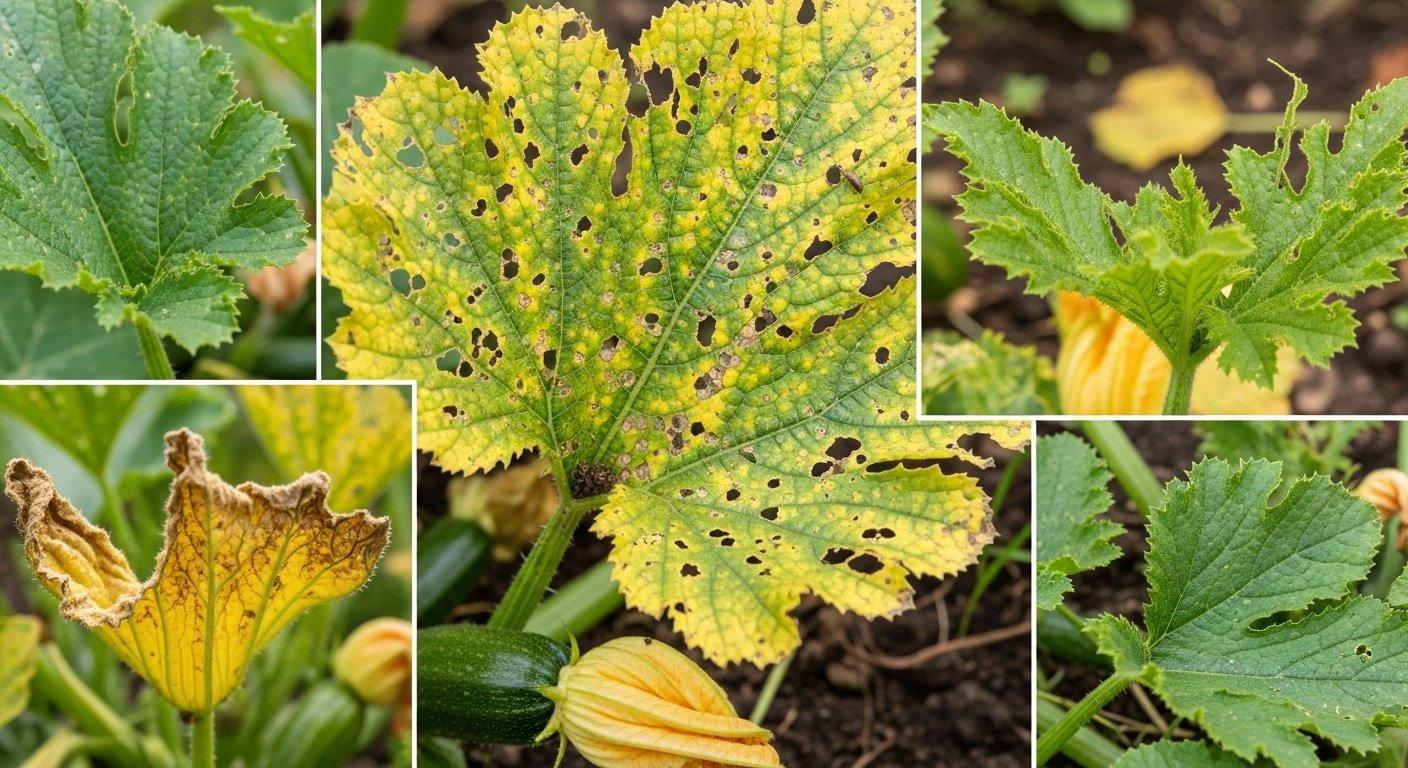
Spotting pest damage early on your zucchini plants can save you a lot of trouble down the road. One of the first things to watch for is holes in leaves or fruit—these can be small pinpricks from flea beetles or larger, ragged tears from caterpillars or grasshoppers.
You might also notice yellowing leaves, which often means insects like aphids or whiteflies are sucking the sap and stressing out your plants. Wilting is another classic sign, especially if it happens suddenly; vine borers and squash bugs are notorious for causing this by feeding inside the stem or at its base.
Sometimes, you’ll spot gummy frass (insect droppings), eggs, or actual pests on or under the leaves. Because pest populations can explode quickly, catching these early symptoms makes a huge difference in how easily you can manage an outbreak.
Get in the habit of inspecting both sides of the leaves, the stems, and the soil around your zucchinis at least a couple of times a week. Try jotting down any suspicious changes in a gardening journal or taking pictures so you can track patterns—some pests arrive at certain times of year or after a stretch of rainy weather.
By regularly monitoring your zucchini and keeping a simple record, you’ll not only spot problems faster but also learn which strategies work best for your unique garden, giving you a leg up in keeping your plants healthy all season long.
Top Zucchini Pests (with Identification Tips)
Zucchini plants attract a variety of pests, each with telltale signs to help you spot trouble early. Here’s a rundown of the most common offenders and how to identify them:
- Aphids: Tiny, pear-shaped insects, green or black, clustering on young leaves and stems. You’ll notice sticky or sooty residue on plants, or curled leaves.
- Cucumber Beetles: Yellow-green beetles with either black spots or stripes that chew ragged holes in leaves. Their larvae feed on roots.
- Squash Bugs: Flat, brownish, shield-shaped bugs found under leaves, laying rows of bronze eggs. Feeding causes yellow spots that turn brown and crispy.
- Squash Vine Borers: Red and black moths that lay eggs at the base of stems. Larvae tunnel inside, causing plants to wilt suddenly and collapse.
- Spider Mites: Microscopic red or brown pests that leave tiny webs and cause flecked or stippled yellow leaves. A magnifying glass helps to spot them.
- Cutworms: Plump, gray or brown caterpillars that hide in soil during the day and slice through young stems at night. Seedlings toppled at ground level are a sign.
- Leafminers: Larvae create winding, white or translucent trails through leaves. These small yellow or whitish larvae come from tiny flying adults.
- Thrips: Slender, almost invisible insects that scrape leaf surfaces, causing silvery streaks or deformities, especially on blooms and young fruit.
- Whiteflies: Tiny, moth-like bugs that flutter up in smoky clouds when disturbed. Their feeding causes yellowing leaves, dropping, and sticky honeydew residue.
Learning to recognize these common zucchini pests—by spotting specific insects, unusual feeding marks, and plant symptoms—helps you catch infestations early and protect your harvest. Regularly check leaf undersides, stems, and the base area around your plants, and act quickly if you notice any signs of trouble.
Organic & Natural Control Methods
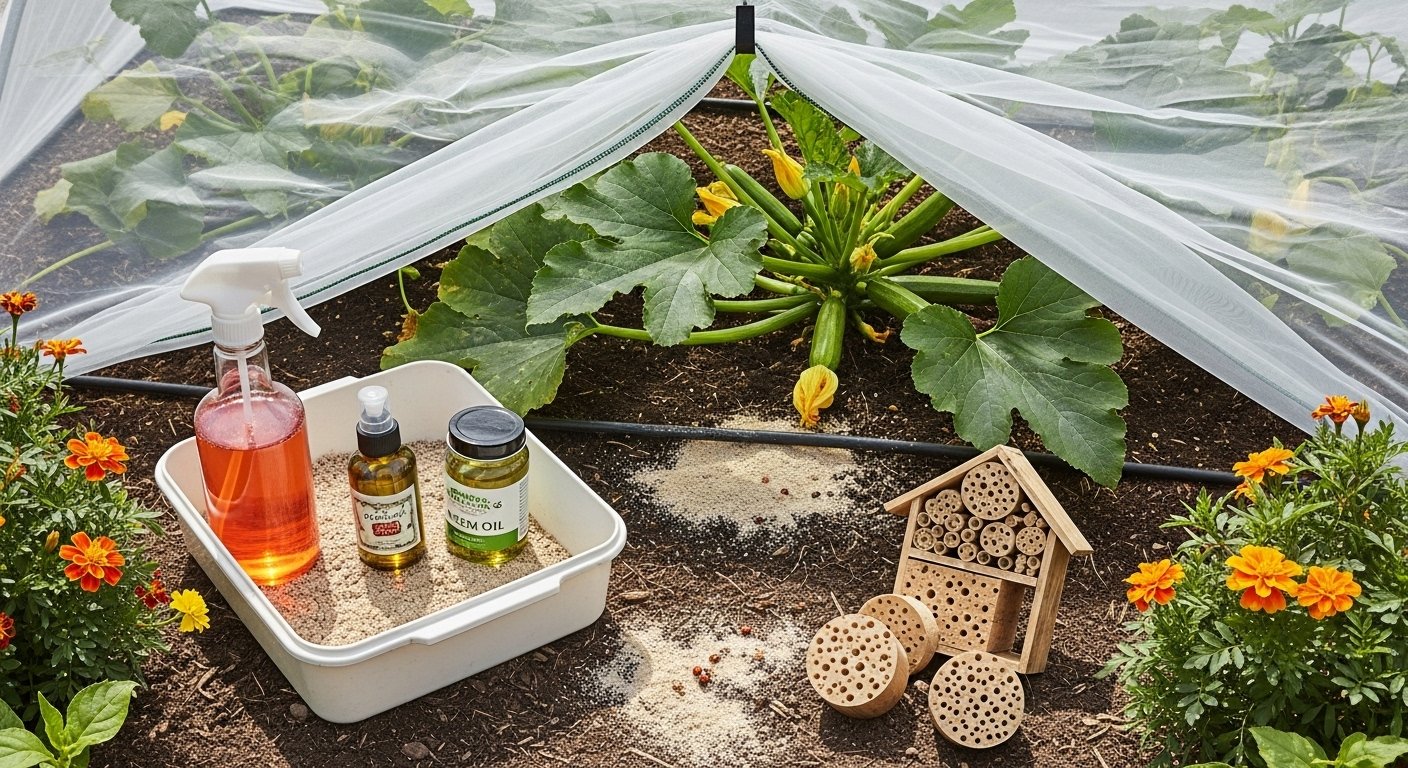
When managing pests in your garden, organic and natural control methods not only help protect your plants but also support a healthier ecosystem for pollinators and soil life. Mechanical controls are a straightforward place to start. For example, regularly handpicking larger pests like tomato hornworms or Japanese beetles can make a big difference, especially in smaller plots or at the first sign of infestation.
Row covers are another practical tool. They act as physical barriers that keep out insects like cabbage moths and squash bugs while still letting sunlight and rain reach your crops. You can also welcome nature’s helpers by planting flowers or installing insect hotels that attract beneficial predators such as ladybugs, lacewings, and birds—these allies naturally keep pest populations in check without any chemicals.
When an outbreak does occur, organic treatments like neem oil deter a wide range of pests without harming bees or earthworms when used responsibly. Insecticidal soaps target soft-bodied insects like aphids and spider mites. For crawling insects like slugs or ants, sprinkling diatomaceous earth around the base of plants can help deter them; the powder’s microscopic edges damage pests’ exoskeletons but leave no harmful residues.
Home remedies can also be surprisingly effective:
- A simple soapy water spray can drown aphids and whiteflies on contact.
- A homemade garlic or chili spray acts as a natural repellent for chewing insects.
Apply soapy water early in the morning or late afternoon to avoid leaf burn, and use garlic spray just after rain when fresh pest activity is likely.
The biggest advantage of these non-chemical approaches is that they safeguard your garden’s bees, butterflies, and healthy soil microbes—key partners for productive, resilient plants—while keeping toxic residues out of your food and the environment. By combining different organic practices, you’ll foster a thriving garden that’s less reliant on synthetic solutions and far more in harmony with nature.
Chemical Treatments: When and How To Use
Chemical treatments can be a useful last resort when pests become overwhelming and natural or cultural controls haven’t worked. For example, if aphids are infesting your vegetable garden and manual removal isn’t sufficient, or when termites threaten your home’s structure, chemical solutions may be necessary to protect your investment or harvest.
However, before reaching for a pesticide, always identify the pest correctly to choose a targeted product instead of a broad-spectrum one that harms many creatures. Opt for the least-toxic options available, such as insecticidal soaps or neem oil for garden pests, which break down quickly and pose less risk to people, pets, and the environment.
Try to apply treatments in the early evening when bees and pollinators are less active, and avoid spraying on windy days to reduce drift to non-target areas. Be particularly careful to shield flowering plants during application, since many chemicals can accidentally kill helpful insects like ladybugs, lacewings, and bees.
Always read the product label thoroughly—it provides essential information about safe usage, protective clothing, mixing instructions, and how long to wait before entering treated areas or harvesting edible crops. Store chemicals safely, away from children and pets, and dispose of any unused product according to local hazardous waste regulations.
If you’re unsure about a product or application method, consult your local extension office or a licensed pest professional for guidance. By respecting these precautions and treating chemical controls as a last line of defense, you’ll help protect pollinators, beneficial insects, and the health of your garden and community.
Preventing Zucchini Pest Infestations
Preventing zucchini pest infestations starts with a few smart growing habits that keep your plants strong and less attractive to bugs. Try rotating your crops each season so pests don’t build up in the soil—avoid planting zucchini or other squash in the same spot two years in a row.
Give each plant enough room to breathe by spacing them properly, which increases airflow and makes it harder for diseases and bugs to spread. Keep your zucchini beds clean by removing weeds, fallen leaves, and old plant debris that can harbor pests or eggs.
Healthy soil goes a long way, too: enrich it with compost or well-rotted manure to support robust plants that naturally fight off invaders. Regularly check both sides of zucchini leaves for signs of trouble, like eggs or chew marks, and act quickly—pluck off infested leaves or handpick pests before they multiply.
Companion planting can be a game changer; grow nasturtiums or marigolds nearby to help deter squash bugs and aphids, since their scent confuses many common pests. Staying on top of these simple tasks helps your zucchini spend less energy fending off bugs and more on growing you a bumper crop.
Dealing with Other Common Zucchini Problems
Zucchini plants can face a variety of challenges beyond pesky insects, with diseases like powdery mildew being especially common. Powdery mildew appears as white, powdery spots on leaves, which gradually spread and may cause yellowing or distortion.
Unlike insect damage—which typically looks like holes, ragged edges, or slime trails—disease symptoms often show as discoloration, wilting, or moldy patches. To tell them apart, check for visible bugs or sticky substances (signs of pests); for diseases, look closer at changes in leaf color or texture.
One of the best prevention tips is to give your plants plenty of space—good airflow helps foliage dry out and discourages the spread of fungal spores. Also, try to water zucchini at the soil level rather than overhead; wet leaves can invite fungus. Mulching around the base of your plants can prevent soil from splashing onto leaves, minimizing the risk of disease transmission.
If you spot a few affected leaves, remove them promptly and dispose of them away from your garden. For stubborn issues, using disease-resistant zucchini varieties or applying organic fungicides like neem oil can offer more protection.
Since some problems are unique to your climate or region, check with your local cooperative extension service or trusted gardening websites for tailored advice and recommended treatments for non-insect troubles.
Quick Reference: Zucchini Pest Management Checklist
Managing zucchini pests can feel overwhelming, but a simple checklist can keep your garden on track. Start by inspecting your plants daily for early signs of trouble, like holes in leaves or yellowing spots—catching issues early makes control much easier.
Encourage beneficial insects such as ladybugs and lacewings that naturally eat pests, and avoid using broad-spectrum insecticides that might harm them. Use row covers to protect young zucchini from squash vine borers and cucumber beetles, but remember to remove covers during flowering to allow for pollination.
Rotate your planting locations each year to help prevent pest buildup in the soil. Clear away plant debris and weeds, which provide hiding spots for bugs, especially around the base of plants. Hand-pick larger pests like squash bugs in the early morning and drop them into soapy water.
Consider using organic sprays, like neem oil or insecticidal soap, only as needed and always according to label instructions. Check the undersides of leaves for clusters of eggs and remove them promptly to stop infestations before they spread.
Set sticky traps for flying pests and monitor them weekly to see if problems are improving or worsening. Water plants at the base, not from above, to keep leaves dry and less inviting to fungal diseases that can attract insects.
Most importantly, talk to fellow gardeners and share what’s working—or not—for extra support and new ideas. For hands-on convenience, create or download a printable checklist to hang in your shed or bring to the garden, making pest management quick and stress-free every time you head outside.
Regular observation and collaboration are your strongest tools for a healthy, thriving zucchini crop.
Conclusion
Dealing with pests in your zucchini patch can feel overwhelming, but with the right care and a proactive approach, these issues are absolutely manageable. Remember, most gardeners—whether new or experienced—encounter unwanted bugs at some point, so you’re definitely not alone.
Simple steps like inspecting leaves regularly, encouraging beneficial insects, and practicing crop rotation can make a noticeable difference over time. Don’t hesitate to try different strategies, such as using homemade sprays, physical barriers, or companion planting, to see what works best in your garden.
The key is to stay observant and flexible, learning a little more each season. Every garden is unique, so what works for one might need a tweak for another—and that’s all part of the gardening journey.
We encourage you to share your own zucchini pest management successes, questions, or clever pest-fighting tips in the comments below. Your stories and insights could make a big difference for other readers facing similar challenges, and it’s always inspiring to hear how others overcome garden obstacles.
With curiosity and persistence, anyone can turn pest problems into valuable learning experiences, making next year’s harvest even better.