Introduction
Thinking about starting a vertical swiss chard garden? Vertical gardening is a creative way to grow plants upward instead of outward—a perfect solution for those with limited space, like apartment dwellers or anyone with a small backyard. Swiss chard, with its vibrant stems and leafy greens, thrives in vertical setups thanks to its manageable root system and hardy nature. Vertical gardening doesn’t just save space; it also improves air circulation, reduces pest problems, and makes harvesting much easier.
As more people look to grow their own fresh food in crowded urban environments, growing vegetables on a balcony wall or sunny fence is both practical and rewarding. In this article, you’ll discover why Swiss chard is an excellent choice for vertical gardens, explore materials and structure options, get tips for planting and spacing, and learn how to keep your vertical swiss chard healthy and productive all season long. If you want a reliable, visually impressive crop that fits small spaces, give vertical swiss chard a try—you might be surprised by how much you can harvest from a tiny footprint!
Choosing the Right Location and Structure for Vertical Swiss Chard

To successfully grow vertical Swiss chard, start by choosing a location that receives at least 4 to 6 hours of sunlight daily, as this leafy green thrives in bright, indirect light. Swiss chard is fairly hardy and grows best in temperatures between 50°F and 75°F, so pick a spot sheltered from extreme heat and freezing drafts. Wind can be a challenge in vertical gardens since elevated plants have less protection than those at ground level. Avoid open, exposed walls or rooftops where strong winds might dry out your chard or topple lightweight structures.
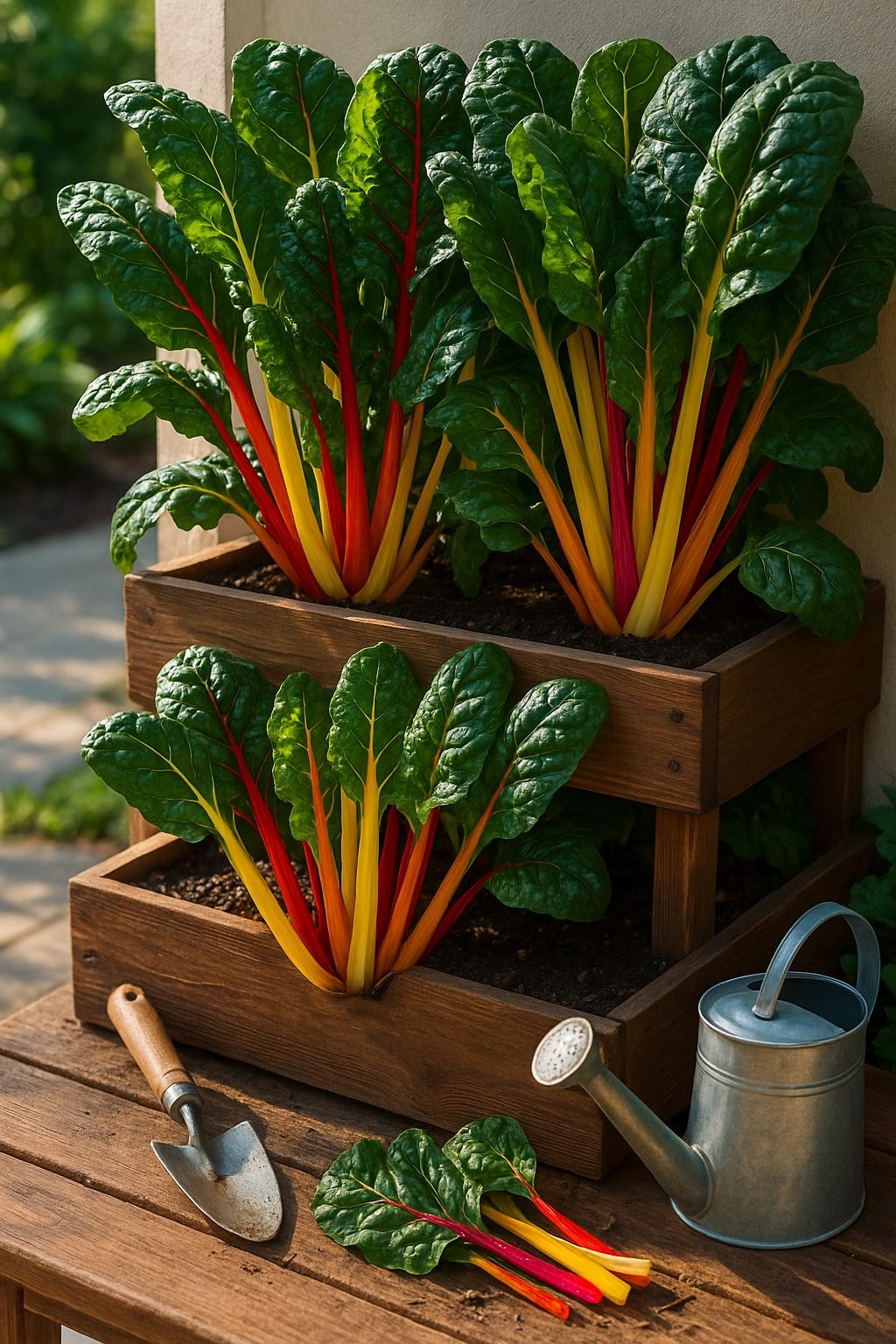
When selecting structures, wall-mounted planters are perfect for compact spaces and urban balconies—just make sure the wall gets enough light and doesn’t overheat. Pallets offer a rustic, budget-friendly option that fits narrow spaces or can lean against a fence, though they tend to dry out quickly and may need frequent watering. Stacked pots or tiered planters maximize small spaces and make it easy to move plants to follow the sun or avoid bad weather. Just be sure to choose weighted bases outdoors for stability.
If your outdoor space is limited, a sunny balcony or patio can work well, as long as you arrange your containers to catch the best light. Always pick structures made from weather-resistant, food-safe materials to support healthy vertical Swiss chard growth. In the end, match your chosen site and setup to your local conditions—sometimes even partial sun in a protected spot can produce lush Swiss chard with the right structure and care.
Selecting Swiss Chard Varieties for a Vertical Garden
When building a vertical Swiss chard garden, choosing the right variety is essential for success. Some varieties naturally grow compact and upright, making them perfect for space-saving vertical setups. “Bright Lights” is a favorite among vertical gardeners thanks to its vibrant stems in shades of red, yellow, pink, and orange, which create a stunning visual display while thriving in limited soil space. Another excellent choice is “Fordhook Giant,” which has robust, broad leaves and a vigorous growth habit. Just make sure you have enough vertical height for this variety, as it can reach up to 2 feet tall.
Consider factors like leaf color—not only for aesthetics but also to plan a visually diverse vertical tower. Plant size matters too; small to medium-sized varieties fit better into the smaller pockets or sections of a vertical system. Growth habit plays a key role as well—look for terms like “upright” or “compact” on seed packets, since sprawling types can be challenging to manage vertically.
To ensure a healthy vertical Swiss chard garden, source seeds or seedlings from reputable nurseries, garden centers, or specialty online retailers. Whenever possible, choose certified organic or non-GMO seeds and check customer reviews for good germination rates and healthy stock. Local seed libraries or gardening clubs can also be valuable resources, especially for varieties suited to your specific climate. By selecting the right Swiss chard varieties and quality planting material, your vertical garden will be productive, beautiful, and easy to maintain.
Preparing the Soil and Containers
Building a successful vertical Swiss chard garden starts with selecting the right soil and containers to support healthy, abundant growth. For container-grown Swiss chard, a high-quality potting mix is essential—it should be loose, airy, and rich in organic matter to promote strong root development.
A good mix includes equal parts peat moss or coco coir, perlite or vermiculite, and well-rotted compost. This combination ensures excellent drainage while retaining the moisture that Swiss chard loves. Add a handful of slow-release, balanced organic fertilizer or about half a cup of worm castings per gallon of soil to boost nutrient availability.
When choosing containers for your vertical garden, pick ones that are at least 6–8 inches deep to provide enough root space. Modular vertical planters, hanging pockets, or stacked pots should all have drainage holes to prevent soggy roots and fungal problems.
Space your Swiss chard plants about 6–8 inches apart to allow good air circulation and avoid overcrowding. For wall-mounted pockets, place one plant per pocket if possible. Since vertical setups tend to dry out faster than traditional beds, check soil moisture daily, especially on hot or windy days. Adding mulch like straw or shredded bark on top helps retain moisture.
To keep your plants thriving, supplement their nutrition every 3–4 weeks with a diluted liquid fish emulsion or seaweed feed, particularly during the vigorous midseason growth.
With these soil and container preparations, your vertical Swiss chard garden will flourish, delivering vibrant, healthy greens even in the smallest spaces.
Planting and Spacing Techniques
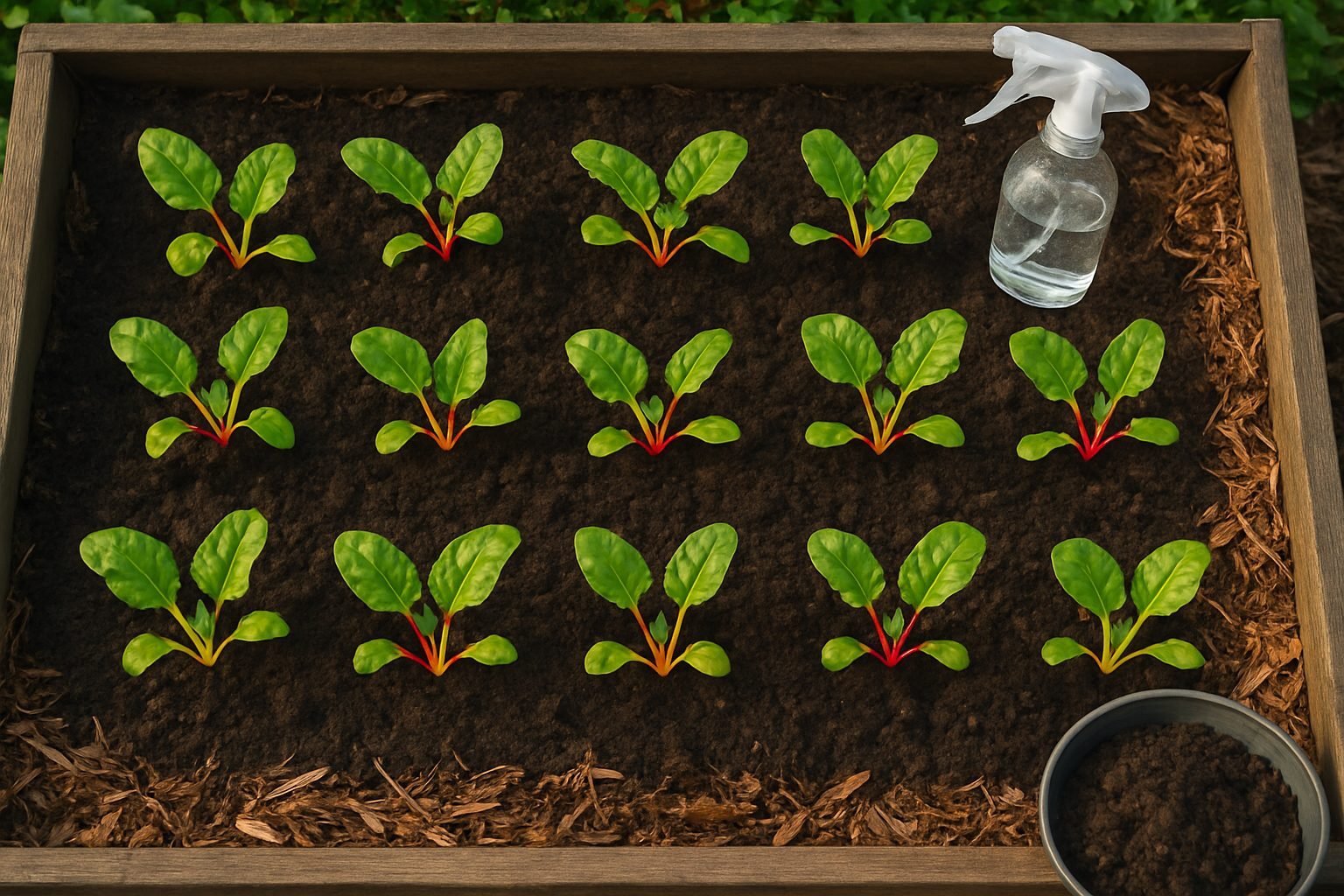
When starting a vertical swiss chard garden, you can either sow seeds directly or use transplants, each with its own advantages. Starting from seed is cost-effective and allows roots to establish firmly in their final location, but be patient—germination can take 7–14 days, and seedlings are delicate during this early stage. Transplanting gives you a jumpstart: buy healthy seedlings or start your own indoors, then move them outdoors once they have at least two true leaves, usually three to four weeks after germination.
For most vertical systems—whether pocket planters, stacked pots, or DIY pallet setups—plant seeds about half an inch deep and six inches apart to give leaves room to spread. If you’re transplanting, maintain the same spacing. Overcrowding can stunt growth and increase the risk of disease.
To maximize yield in a compact vertical system, use tiered arrangements and stagger planting dates. This approach ensures a continuous harvest and prevents all your chard from maturing simultaneously. Swiss chard leaves can grow quite large and cascade downward, which works perfectly for vertical setups. Regularly harvesting outer leaves keeps plants from overcrowding and shading lower tiers.
Space plants so larger lower leaves don’t interfere with those above, promoting good airflow and reducing fungal issues. Position your vertical structure to capture morning sun, and consider using mesh or trellis supports to gently guide lush growth downward. Pruning yellowing leaves and thinning young plants also helps maintain air circulation, keeping your vertical swiss chard healthy, vibrant, and productive throughout the season.
Watering, Feeding, and Maintenance
When caring for your vertical swiss chard garden, watering requires more attention than traditional beds. Containers in vertical gardens dry out faster due to increased air exposure and efficient drainage, so it’s essential to check moisture levels daily, especially in hot weather. Water thoroughly until excess drains from the bottom, but avoid letting roots sit in soggy soil. Installing a drip irrigation system with a moisture sensor can simplify care and conserve water.
Swiss chard thrives with consistent nutrition. Feed your plants every three weeks with a balanced liquid fertilizer or choose organic options like compost tea or fish emulsion, which promote lush leaf growth without salt buildup. If using slow-release granules, lightly sprinkle them on the soil surface after transplanting and replenish monthly.
Regular maintenance keeps your crop healthy and productive. Prune yellowing or damaged leaves promptly to encourage strong new growth and improve airflow—especially important in tightly stacked vertical gardens. Space plants so leaves don’t overlap too much to support good circulation. Monitor for pests like aphids or leaf miners, which can be controlled organically using insecticidal soap or neem oil.
Harvest swiss chard by snipping the outer leaves at the base with clean scissors, taking care not to remove the central leaf cluster. This “cut and come again” method encourages ongoing regrowth, ensuring your vertical swiss chard garden stays vibrant and bountiful throughout the season.
Troubleshooting and Common Challenges
Growing vertical Swiss chard offers many benefits, but you might encounter a few issues along the way. One common challenge is root crowding, especially when plants are spaced too closely or containers are shallow. To avoid this, space seedlings according to the seed packet’s recommendations and use containers at least 6 inches deep. If you notice stunted growth, try thinning the plants or transplanting them to larger pockets.
Pests like aphids and leaf miners also tend to target Swiss chard. Regularly inspect the leaves, remove bugs by hand, and if needed, spray with a gentle soap-and-water solution. Encouraging beneficial insects like ladybugs nearby can provide natural pest control.
Nutrient deficiencies may appear when plants compete for limited soil resources in a vertical system. Feed your Swiss chard with a balanced liquid fertilizer every 2–4 weeks and maintain consistent watering so nutrients are easily absorbed. Keep an eye out for signs like yellowing leaves or slow growth to catch problems early.
Every garden is unique, so pay attention to how your setup responds and adjust as needed—sometimes a little experimentation leads to the best results. Remember, learning from small setbacks helps you grow stronger and more productive Swiss chard over time.
Conclusion & Next Steps
Vertical Swiss chard gardening is a space-saving, visually appealing, and productive way to enjoy fresh greens—even in small areas. This method makes it easy to grow nutrient-rich chard on patios, balconies, or backyard walls, while reducing weeding and promoting healthy harvests. Once you’ve mastered vertical Swiss chard, consider trying spinach, kale, or lettuce in your vertical setup to diversify your homegrown greens.
If you have questions or want to showcase your vertical garden, join the conversation in our community forums or comment below—your experiences can inspire and help fellow gardeners take their first steps!