Introduction
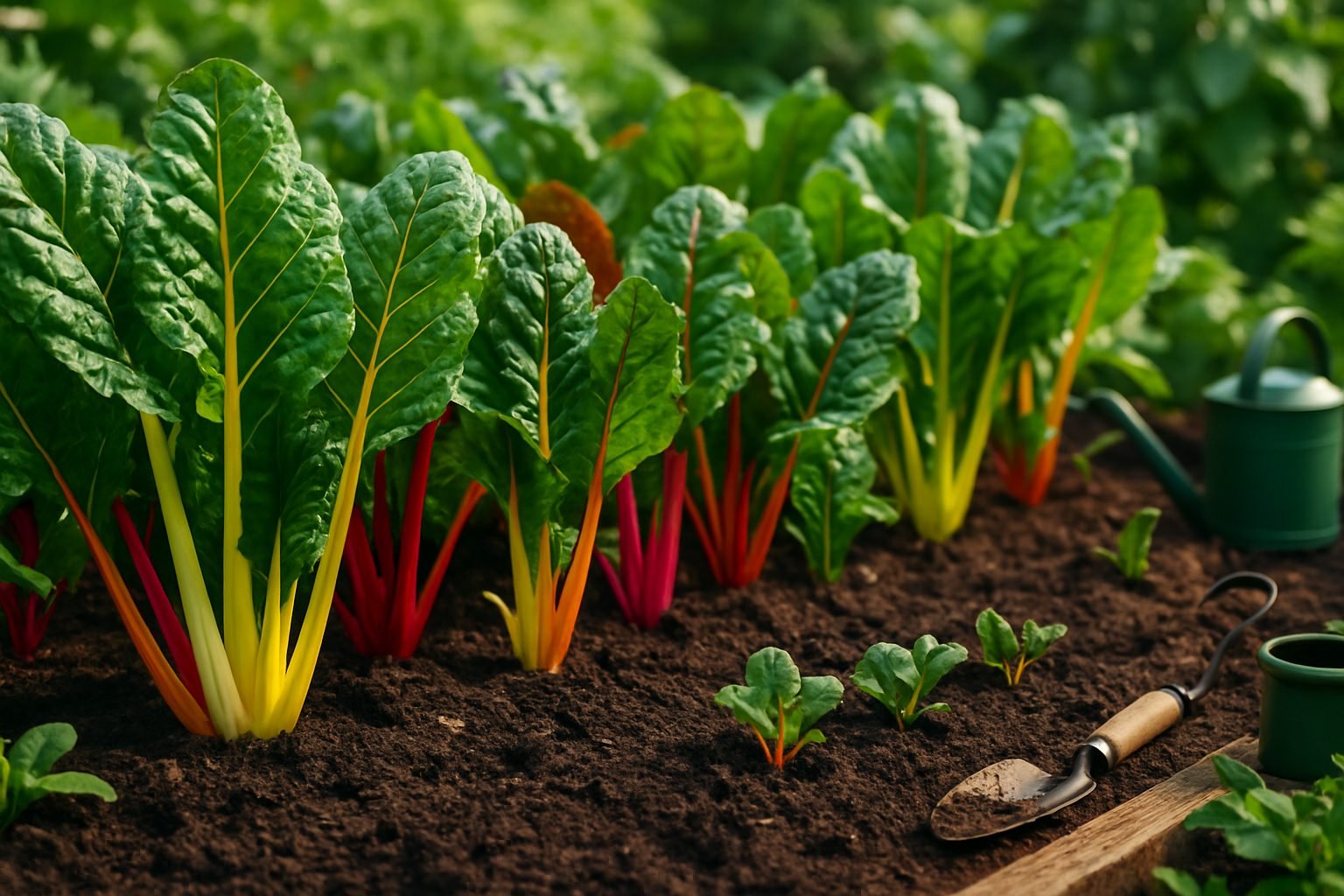
Swiss chard spacing is one of the most important factors to consider when growing this colorful, nutrient-packed leafy green in your home garden. Swiss chard is beloved by gardeners for its vibrant stems, hearty leaves, and its ability to thrive in both cool and warm weather. But even the healthiest seedlings or best-quality seeds won’t guarantee a productive harvest if they’re planted too close together.
How far apart you space your Swiss chard directly affects air circulation, root development, and the overall size and flavor of your harvest. Plant too close, and you risk disease and stunted growth; plant too far apart, and you waste valuable garden space. In this post, we’ll break down exactly how to space Swiss chard for the best results, drawing from time-tested gardening experience and research.
You’ll learn not only the recommended planting distances but also tips for succession sowing, thinning seedlings, and maximizing any garden size—whether you’re growing in traditional rows, raised beds, or containers. If you want lush, healthy Swiss chard all season long, stay tuned for practical advice that will set your garden up for success.
Understanding Swiss Chard Growth Habits
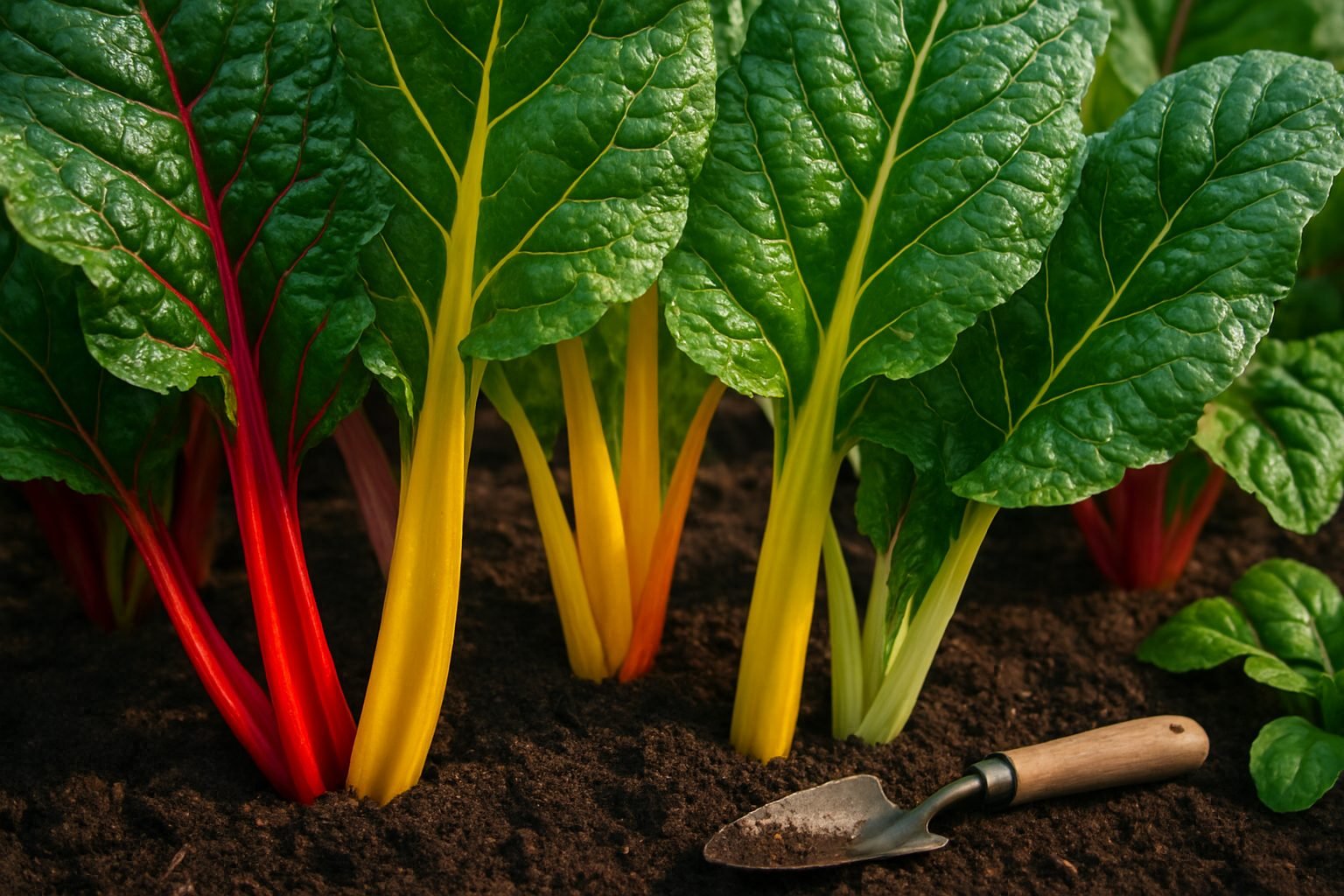
Swiss chard is a versatile leafy green that can grow both wide and tall, depending on the variety. Standard Swiss chard plants typically reach about 18 to 24 inches tall, with broad, crinkled leaves that spread outward—sometimes reaching up to 12 inches wide per plant. The roots are relatively shallow, rarely extending more than a foot deep, but they do send out lateral roots that search for moisture and nutrients in the surrounding soil.
Because of this modest root system, Swiss chard doesn’t compete as aggressively for underground resources as some other vegetables, but its top growth still needs enough room to thrive. Larger varieties, such as ‘Fordhook Giant’ or ‘Bright Lights,’ require more space because their leaves can quickly overlap and shade each other if planted too closely, which can lead to smaller harvests and an increased risk of disease.
Compact or baby-leaf varieties, often grown for their tender leaves, stay much smaller and can be planted closer together—sometimes just 4 to 6 inches apart. This variation in size and spread not only influences your swiss chard spacing but also how you plan the rest of your garden.
Knowing these growth habits helps you stagger plantings for a continuous harvest or interplant Swiss chard with other crops. For example, more compact types fit well into tighter spots or can be used as border plants, while larger varieties serve as centerpieces or bulkier fillers in garden beds. Understanding their mature size and spread ensures your garden stays tidy, productive, and easy to care for.
Recommended Spacing for Swiss Chard
Proper swiss chard spacing is essential for healthy growth and maximizing your harvest, whether you’re cultivating vibrant rainbow chard or classic green varieties. For mature swiss chard plants, the general recommendation is to space them 8 to 12 inches apart within each row. This spacing ensures each plant gets ample sunlight, good airflow, and enough room for its broad, colorful leaves to spread without overcrowding.
When planting in rows, keep about 18 to 24 inches between each row to make weeding and harvesting easier. If you are direct sowing seeds outdoors, plant them about ½ inch deep and 2 inches apart. As seedlings grow and develop their first true leaves, thin them out to maintain the ideal 8 to 12 inches of final spacing—don’t discard the thinned young leaves, since they’re delicious in salads.
Using transplants simplifies the process. Simply place seedlings 8 to 12 inches apart without needing to thin later. For a continuous supply of tender baby chard greens, you can sow seeds closer together—around 1 to 2 inches apart in rows spaced approximately 6 inches apart. This dense spacing encourages harvesting young plants with soft, delicate leaves perfect for salads or quick sautés.
However, remember that mature plants require much more room. If baby chard is left to mature in tight spaces, plants will be smaller and may be prone to pests or mildew due to reduced airflow. Knowing your goal—whether a lush patch of mature, rainbow-hued leaves or dense rows for tender baby greens—will help you customize your swiss chard spacing for the best flavor and yield.
Factors That Affect Planting Distances
When deciding on the best swiss chard spacing for your garden, it’s important to consider several external factors that influence how far apart your seedlings should be planted. Soil quality plays a major role—if your soil is rich and loose, roots have more room to grow, allowing you to plant closer together, around 6-8 inches apart. In contrast, compacted or poor soils require more space, about 9-12 inches, so the roots can spread and access nutrients more effectively.
Light availability is another key factor. In areas with full sun, swiss chard thrives and can handle denser planting. However, in shadier spots, increasing the spacing helps prevent leaves from crowding one another and blocking vital light. Climate also affects your planting decisions: in hot, humid regions, wider spacing improves air circulation, reducing the risk of fungal diseases that thrive in moist conditions.
If you’re using intensive gardening techniques like square foot gardening or raised beds, you can plant swiss chard closer together—around 4-6 inches for baby greens. The loose, fluffy soil in these setups allows roots to absorb water and nutrients more easily without too much competition. Just keep in mind that tighter spacing means thinning regularly is essential.
Crowding swiss chard can lead to several problems, such as poor air circulation that encourages mildew and leaf spot, and creates hiding spots for pests. Overcrowded plants also compete for resources, resulting in stunted growth and smaller, less flavorful leaves. To keep your swiss chard healthy, adjust your spacing based on these factors instead of following a one-size-fits-all rule.
How to Measure and Organize Your Garden Bed
Getting your swiss chard spacing right is essential for healthy growth and a bountiful harvest. Start by deciding whether you’ll plant in traditional rows or in raised beds using a grid pattern. If you’re planting in rows, grab a measuring tape and lay it along your garden bed, marking each row with a stake or stick spaced about 18 inches apart—this gives each row enough room to breathe. For each swiss chard seedling, mark planting holes about 8 to 12 inches apart along the row.
To keep your rows straight, stretch a piece of gardener’s twine or string tightly between two stakes at either end, using it as a guide while you plant. If you’re working with raised beds or a small space, try a simple planting grid: use a ruler or wooden dowel to mark a series of 12-inch squares in the soil, placing one swiss chard plant in the center of each square for optimal spacing. Some gardeners even repurpose old window grids or homemade planting boards to create tidy grids quickly.
To make the most of a tight space, consider interplanting—pop in some fast-growing crops like radishes or baby lettuce between the chard seedlings. By the time your swiss chard starts to fill out, the extras will have already been harvested, reducing wasted space. A little planning and a few basic tools will help ensure a robust harvest, even in small gardens.
Companion Planting with Swiss Chard
Swiss chard spacing doesn’t just affect the plant’s growth—it’s also key to successful companion planting. Some of the best companions for swiss chard include carrots, onions, cabbages, and beans. For example, carrots have deep roots and can grow between chard rows without competing for nutrients, while onions and garlic help repel pests. Beans, meanwhile, fix nitrogen in the soil, naturally enriching it for leafy greens like chard.
It’s wise to avoid planting swiss chard too close to spinach or beets, since these crops belong to the same family and share similar diseases and pests, which can easily spread in tight spaces. When interplanting, give swiss chard its recommended 8-12 inches of space, but fill in the gaps with fast-growing herbs like dill or compact lettuces. These companions won’t crowd your chard but will maximize garden productivity by making use of otherwise empty space.
Try a checkerboard or staggered row layout to optimize sunlight and airflow, helping to prevent fungal issues before they start. By choosing companions carefully and planning your bed layout thoughtfully, you’ll encourage vigorous growth and enjoy a colorful, abundant harvest all season long.
Maintaining Healthy Growth After Planting
Once your Swiss chard seedlings have sprouted and grown a few inches tall, maintaining proper Swiss chard spacing becomes essential for healthy growth. Begin by thinning—carefully remove the weaker seedlings so the strongest plants stand 12 to 18 inches apart. Don’t rush this step; thinning allows each plant enough room for its roots and leaves to spread, reducing stress and promoting strong development.
Adding a layer of mulch around the plants helps retain moisture, suppress weeds, and keep the open spaces clear of competing growth. Regularly check your patch for signs of overcrowding, like yellowing leaves, spindly growth, or slowed progress—these often signal that your chard needs more space or improved airflow.
Dense plantings can encourage diseases such as powdery mildew or leaf spot because poor air circulation lets moisture linger on the foliage. If your chard starts to look crowded, don’t hesitate to thin again by gently pulling out extras or cutting them at the base to avoid disturbing roots. Make sure the plants get plenty of sunlight since overlapping leaves can block light and reduce vigor.
By consistently managing your Swiss chard spacing with thinning, mulching, and attentive care, you’ll keep your plants healthy and ready for harvest throughout the season.
Conclusion
Proper swiss chard spacing makes a significant difference in your garden’s success. By giving each plant 6-12 inches of space, you’ll ensure ample airflow, healthy growth, and easier harvesting. Rows should be spaced about 18 inches apart to provide enough room to reach your greens throughout the season.
Whether you’re growing in a raised bed, container, or traditional plot, following these spacing guidelines helps minimize disease and maximize your harvest. To get consistent spacing, try using a measuring stick or even your hand as a simple guide when planting seedlings.
Applying these easy swiss chard spacing tips now will set you up for vibrant, productive plants all season long. Don’t forget to bookmark or share this guide so you’ll have the spacing info handy for your next planting session!