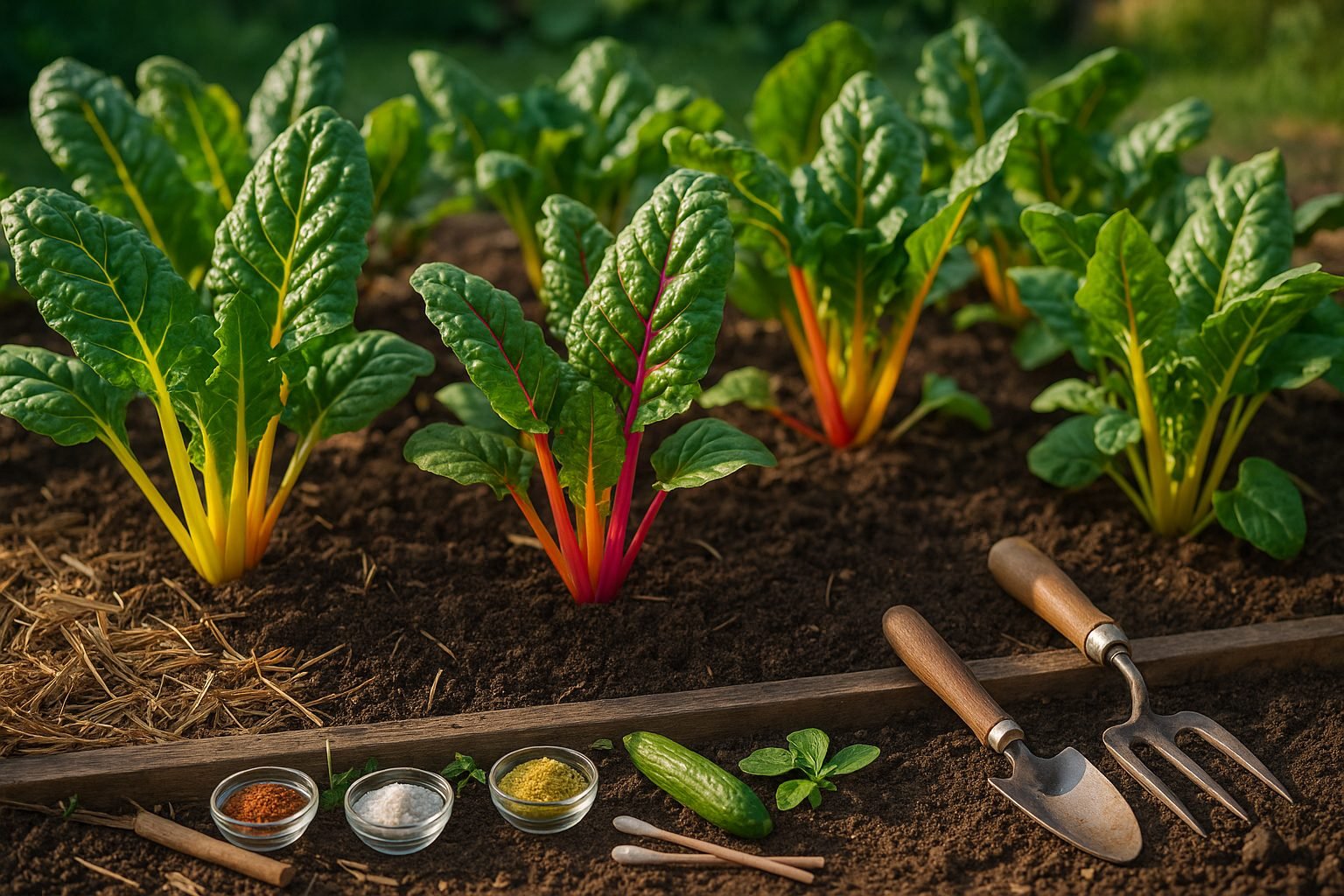
Introduction
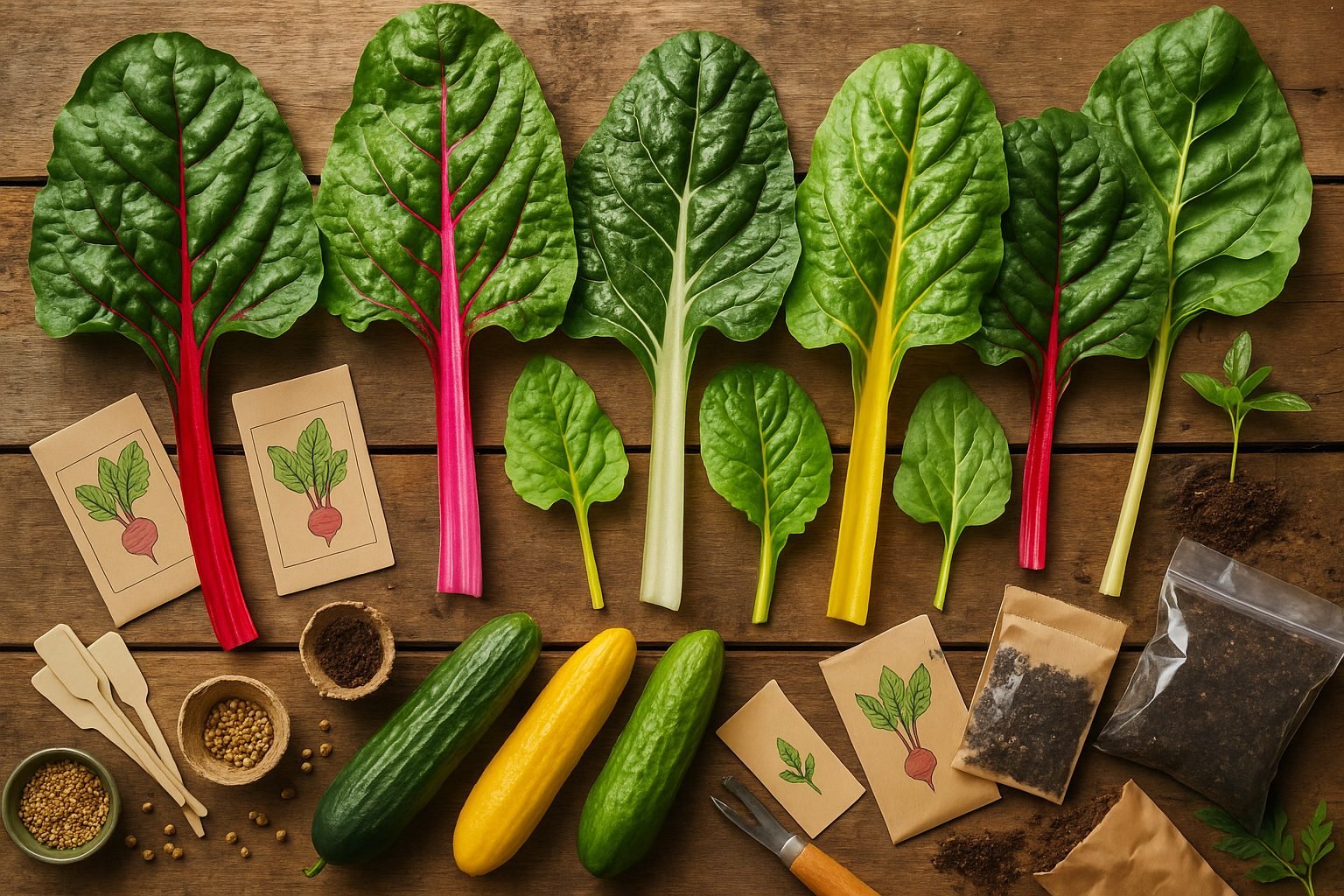
Swiss chard soil pH is a critical factor that can make the difference between a lush harvest and stunted plants. With its vibrant stems and tender leaves, Swiss chard is a favorite among home gardeners due to its resilience, nutritional value, and eye-catching presence in the vegetable patch. But even the hardiest chard can struggle without the right soil conditions.
Soil pH measures how acidic or alkaline your soil is, and this greatly affects how well plants absorb nutrients from the earth. If the soil is too acidic or too alkaline, essential minerals like nitrogen and magnesium can become locked away, leaving your chard pale or wilting. Many gardeners overlook soil pH, but a simple test from your local garden center or a DIY kit can reveal a lot about your soil’s health.
In this post, we’ll explain the ideal soil pH for Swiss chard, why it matters, and easy steps to adjust your soil to the right range for strong, productive plants. Whether you’re planting chard for the first time or fine-tuning your vegetable beds, these tips will help you grow your healthiest crop yet.
Understanding Soil pH and Its Impact on Swiss Chard
Soil pH measures how acidic or alkaline your garden soil is, on a scale from 0 to 14—with 7 being neutral. Numbers below 7 indicate increasing acidity, while those above 7 show increasing alkalinity. This simple number has a big impact on your swiss chard plants because it affects which nutrients the roots can absorb.
For instance, in acidic soils (below 6), essential nutrients like calcium, magnesium, and phosphorus become less available, which can stunt growth or cause pale leaves. Conversely, soils that are too alkaline (above 7.5) can lock up micronutrients like iron and manganese, often resulting in yellow leaves with green veins—a common sign of nutrient deficiency in leafy greens.
Swiss chard, like many greens, prefers a moderately neutral soil pH, usually between 6.0 and 7.0. Gardeners often face challenges when their soil naturally falls outside this ideal range, sometimes due to heavy rainfall washing away minerals or repeated fertilizer use shifting the pH.
Regularly testing your soil can uncover hidden issues. You can use amendments like lime to raise the pH or sulfur to lower it and correct imbalances. By paying close attention to swiss chard soil pH, you’ll boost nutrient uptake, encourage greener leaves, and enjoy a more bountiful harvest.
The Ideal Soil pH Range for Swiss Chard
Swiss chard thrives best in soil with a pH between 6.0 and 7.0, which is slightly acidic to neutral. This ideal swiss chard soil pH ensures that essential nutrients like nitrogen, phosphorus, potassium, and micronutrients remain available for the plant’s roots to absorb efficiently. When the pH drops below 6.0, the soil becomes too acidic, potentially locking up important minerals and fertilizers so the roots can’t access them. Conversely, if the pH rises above 7.0 and the soil becomes alkaline, nutrients like iron and manganese become less available, even if they’re present in the soil.
Growing Swiss chard outside the 6.0 to 7.0 pH range can lead to several warning signs. Yellowing leaves, especially between the veins—a condition called chlorosis—is a common symptom of nutrient deficiencies caused by improper pH. Stunted growth, weak stems, and pale new leaves may also indicate that the soil pH isn’t optimal. In severe cases, plants might bolt early, flower prematurely, or fail to produce the lush, leafy growth Swiss chard is known for.
If you suspect pH issues, try a home soil test kit, which is quick and affordable, or contact your local extension office for a more accurate soil analysis. Adjusting the soil pH is simple: add lime to raise low pH or elemental sulfur to lower high pH, but be sure to retest after making amendments. By maintaining swiss chard soil pH between 6.0 and 7.0, you provide your plants with the foundation they need for healthy growth and a plentiful harvest.
How to Test Your Soil pH
Testing your swiss chard soil pH is a simple process with several reliable methods to help you get an accurate reading. One of the easiest options is an at-home soil pH test kit, which usually includes test strips or a solution that changes color based on your soil’s acidity or alkalinity. These kits are affordable and widely available at garden centers, making them a favorite for home gardeners.
If you want more precise results, digital pH meters offer a quick and reusable alternative. By inserting the probe into moistened soil, you get an immediate digital readout of your soil’s pH value. For the most detailed analysis, consider sending a soil sample to a professional lab. Labs can analyze pH and provide tailored recommendations to optimize your soil specifically for Swiss chard.
Timing is important too—test your soil pH before each planting season, ideally in spring, and again in fall if you’ve made significant soil amendments. Checking every couple of years is a good habit unless you notice unusual plant growth or nutrient deficiency symptoms, which would call for more frequent tests.
For the most accurate results, use a clean trowel or spade to collect small soil samples from several spots in your garden bed, digging about 6 inches deep, which is the root zone for Swiss chard. Mix these samples together in a clean bucket, then take a portion for testing. Avoid sampling right after fertilizing or liming; wait a few weeks instead, as these treatments can temporarily affect pH readings.
Adjusting Soil pH for Swiss Chard Success
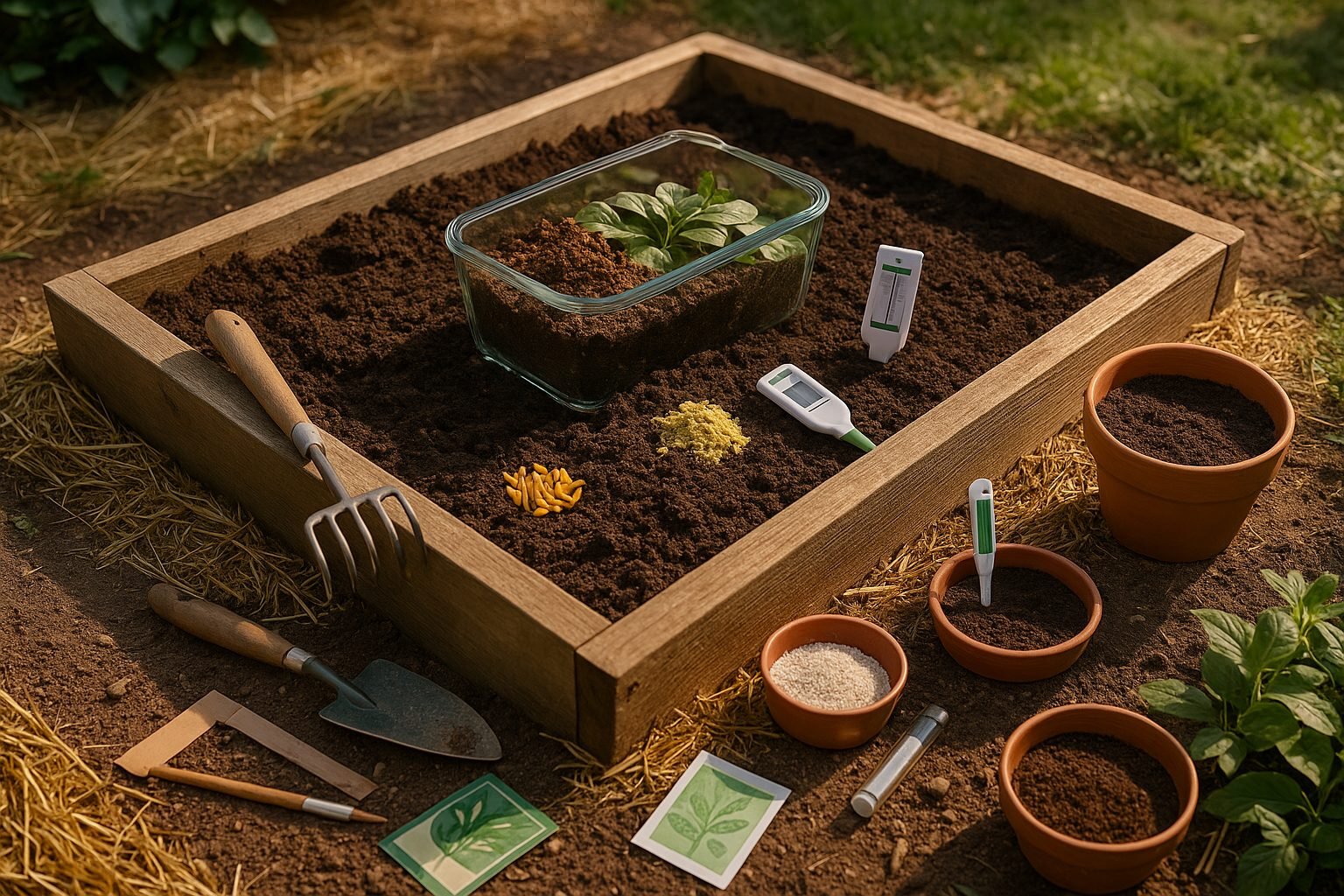
Adjusting the soil pH to the ideal range is essential for healthy, productive Swiss chard plants. Swiss chard thrives best in soil with a pH between 6.0 and 7.0, which ensures nutrients are readily available and root growth is optimal. If a soil test shows your swiss chard soil pH is too low (acidic), you can raise it by adding agricultural lime. Pelletized lime is easier to apply, and you should always follow package directions based on your soil’s needs.
For high pH soils (alkaline), you can lower the pH with elemental sulfur, peat moss, or organic materials like compost and pine needles. Elemental sulfur converts to sulfuric acid through soil bacteria, gradually reducing pH—apply it according to soil test recommendations to avoid over-application.
Here’s a safe, step-by-step process:
- First, test your soil’s pH using a reliable kit or through your local extension office.
- Second, determine the amount of amendment needed by consulting extension guidelines or product instructions.
- Apply lime or sulfur evenly across the soil surface.
- Work the amendment into the top 6-8 inches of soil—hand tilling or using a garden fork helps improve distribution and speeds up the effect.
- Water thoroughly after application to start the chemical reaction and help the amendments integrate well.
- Retest your soil pH after six to eight weeks.
Be patient, as it can take one to three months to see significant changes, depending on soil type and amendment used. Avoid trying to adjust pH too rapidly; large, sudden changes can stress plants and disrupt soil life. Instead, make gradual adjustments and monitor progress over several growing seasons. This careful approach not only ensures your Swiss chard gets ideal growing conditions but also helps maintain a healthy, balanced garden ecosystem for years to come.
Common Mistakes and How to Avoid Them
One of the most common mistakes when managing swiss chard soil pH is overcorrecting after the first test. It’s tempting to add a lot of lime or sulfur to quickly reach the desired level, but this can push your soil pH too far in the opposite direction, which can stress or even harm your plants. Another common error is not mixing amendments thoroughly into the soil—simply dumping them on top or mixing only the top couple of inches creates uneven pH zones and stunts growth.
Impatience also trips up many gardeners. After applying amendments, it’s essential to wait several weeks and then retest before making further changes, since soil pH changes gradually and can’t be rushed. To maintain a steady swiss chard soil pH, start with small, measured doses of amendments and test regularly with a reliable soil pH kit, ideally every few weeks during the growing season. Avoid the temptation to frequently adjust the pH or use excessive amendments, as this disrupts the delicate soil chemistry. By making gradual adjustments, mixing amendments thoroughly, and exercising patience, you’ll support healthy swiss chard growth with minimal risk of nutrient imbalances or plant shock.
Beyond pH: Other Soil Tips for Robust Swiss Chard
While ensuring the proper swiss chard soil pH is crucial, the success of your Swiss chard crop also depends on other soil characteristics. Swiss chard thrives in soil that is not only at the right pH but also loose, well-draining, and rich in organic matter. Heavy clay soils can hinder root development and cause waterlogged conditions, which Swiss chard doesn’t like. If your garden soil is clay-heavy, mix in coarse sand or fine gravel to improve drainage.
Adding organic matter is one of the best all-purpose soil amendments. Incorporating well-rotted compost or aged manure helps loosen soil texture, improves water retention, and feeds beneficial soil microbes and worms that keep the soil lively and fertile. To boost fertility further, consider balanced organic fertilizers like fish meal or blood meal, following the label instructions.
Regular top-dressing with leaf mold, shredded leaves, or grass clippings can help retain soil moisture and reduce weed pressure. For overall soil health, rotate Swiss chard with other crops each season to prevent nutrient depletion and interrupt disease cycles. Mulching is also beneficial—not only does it suppress weeds, but it also regulates soil temperature and moisture.
Finally, avoid over-tilling, as it can disrupt soil structure and harm beneficial organisms. By focusing beyond just the swiss chard soil pH and adopting these well-rounded soil care tips, you give your Swiss chard the best chance to develop strong roots, lush leaves, and a bountiful harvest.
Conclusion
Maintaining the right swiss chard soil pH is essential for healthy, productive plants. When the soil pH is within the ideal range, nutrients become more available, allowing Swiss chard to develop strong, vibrant leaves. Regularly testing your soil and making small adjustments—like adding lime to raise pH or sulfur to lower it—helps create the best environment for your plants. Whether you’re new to growing Swiss chard or an experienced gardener, be sure to check and adjust your soil’s pH every season. Have questions or favorite tips for growing Swiss chard? Share them in the comments below!