Introduction
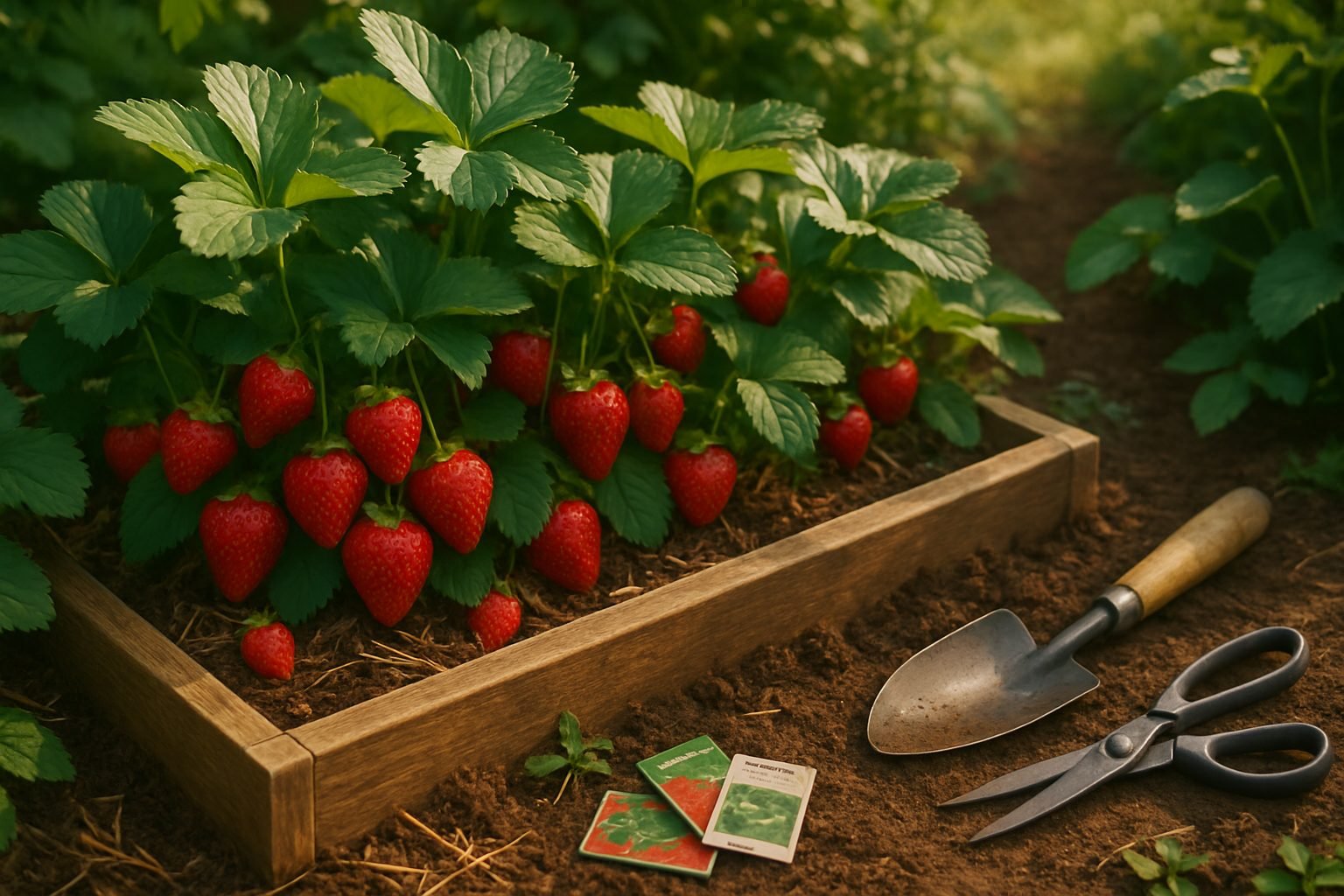
There’s nothing quite as delightful as plucking a sun-warmed, sweet berry straight from your own garden. Organic strawberry growing brings this joy right to your doorstep—without the worry of pesticides. Homegrown organic strawberries deliver a burst of unbeatable flavor, plus the peace of mind that comes from knowing exactly how your food is produced.
Beyond taste, choosing organic methods supports a sustainable ecosystem, encourages pollinators, and reduces your family’s exposure to harmful chemicals found in conventional farming. If you’ve ever wished for strawberries that are fresher, healthier, and more environmentally friendly, you’re in the right place.
This guide walks you through everything you need to know, from selecting the best strawberry varieties for your space to preparing your soil for robust growth, planting techniques, and ongoing care like mulching and watering. We’ll also dive into earth-friendly pest management strategies so your strawberries stay safe and healthy, and share the secrets to picking fruit at the peak of ripeness.
Whether you’re a seasoned gardener or starting your first patch, these practical, step-by-step tips will help you grow bountiful, organic strawberries—making your summer snacking both delicious and rewarding.
Choosing the Right Strawberry Variety
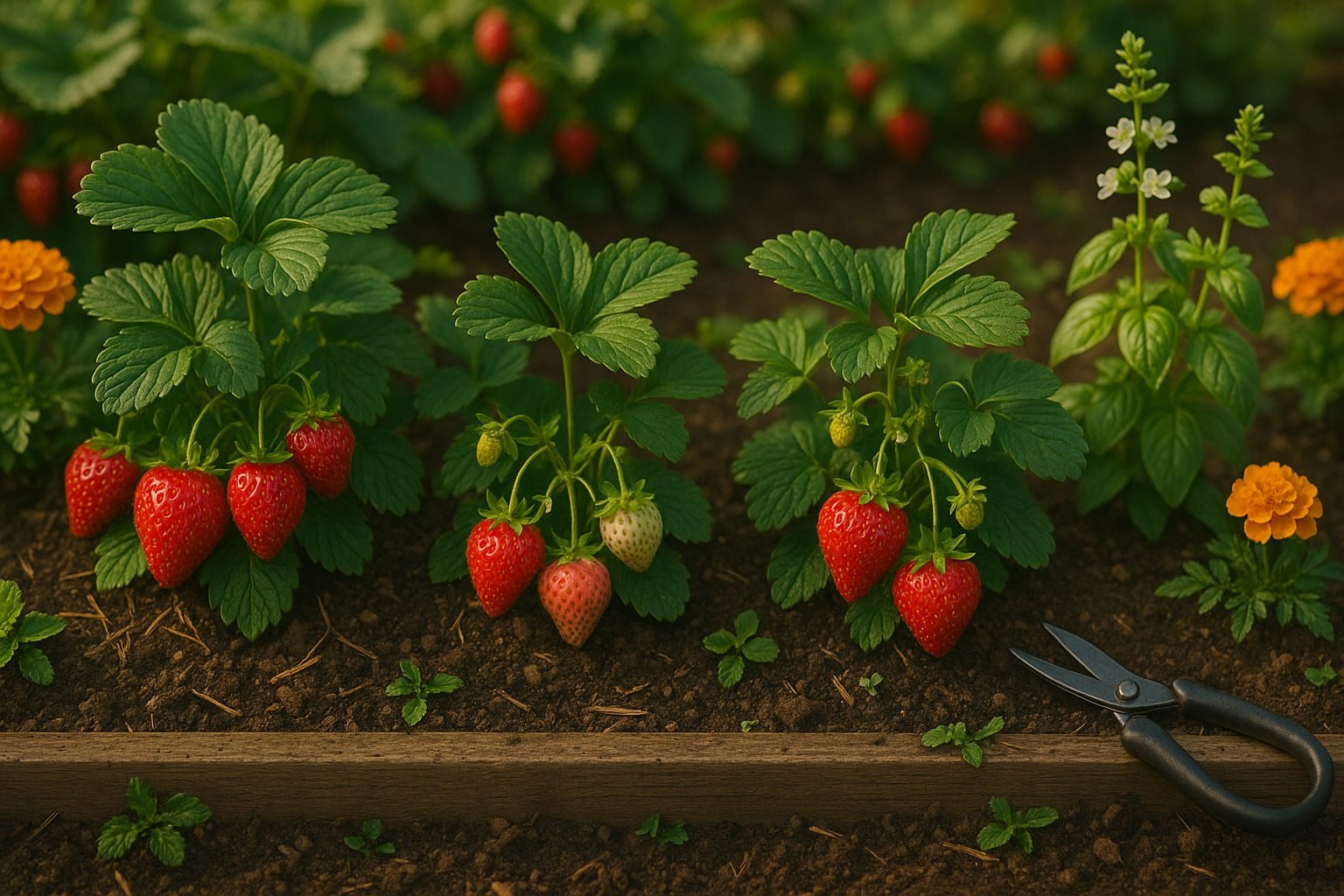
When selecting the best strawberry variety for your garden, it’s important to understand the key differences among June-bearing, ever-bearing, and day-neutral strawberries.
June-bearing strawberries produce one large harvest in late spring or early summer, making them perfect for gardeners who want to enjoy a big crop all at once—great for jam making or freezing.
Ever-bearing varieties offer two to three smaller harvests throughout the growing season, while day-neutral strawberries provide a steady trickle of fruit from spring right through fall, as long as temperatures remain moderate.
For organic gardeners, disease-resistant cultivars like ‘Earliglow’ (June-bearing) or ‘Tristar’ (day-neutral) are top picks because they’re less reliant on chemical pesticides and more adaptable to eco-friendly growing methods.
When it comes to climate, June-bearing types favor cooler northern regions, while ever-bearing and day-neutral varieties can handle fluctuating temperatures and perform well in both cooler and warmer climates.
If you’re committed to organic growing, source certified organic bare-root plants or runner starts from reputable nurseries—online retailers like Johnny’s Selected Seeds and Stark Bro’s are good options. Always ask about the nursery’s certification and avoid buying plants treated with synthetic chemicals.
By picking the right strawberry type for your space and climate, and starting with healthy, organically grown plants, you’ll have a more successful, bountiful harvest with less fuss.
Preparing and Planting Your Organic Strawberry Garden
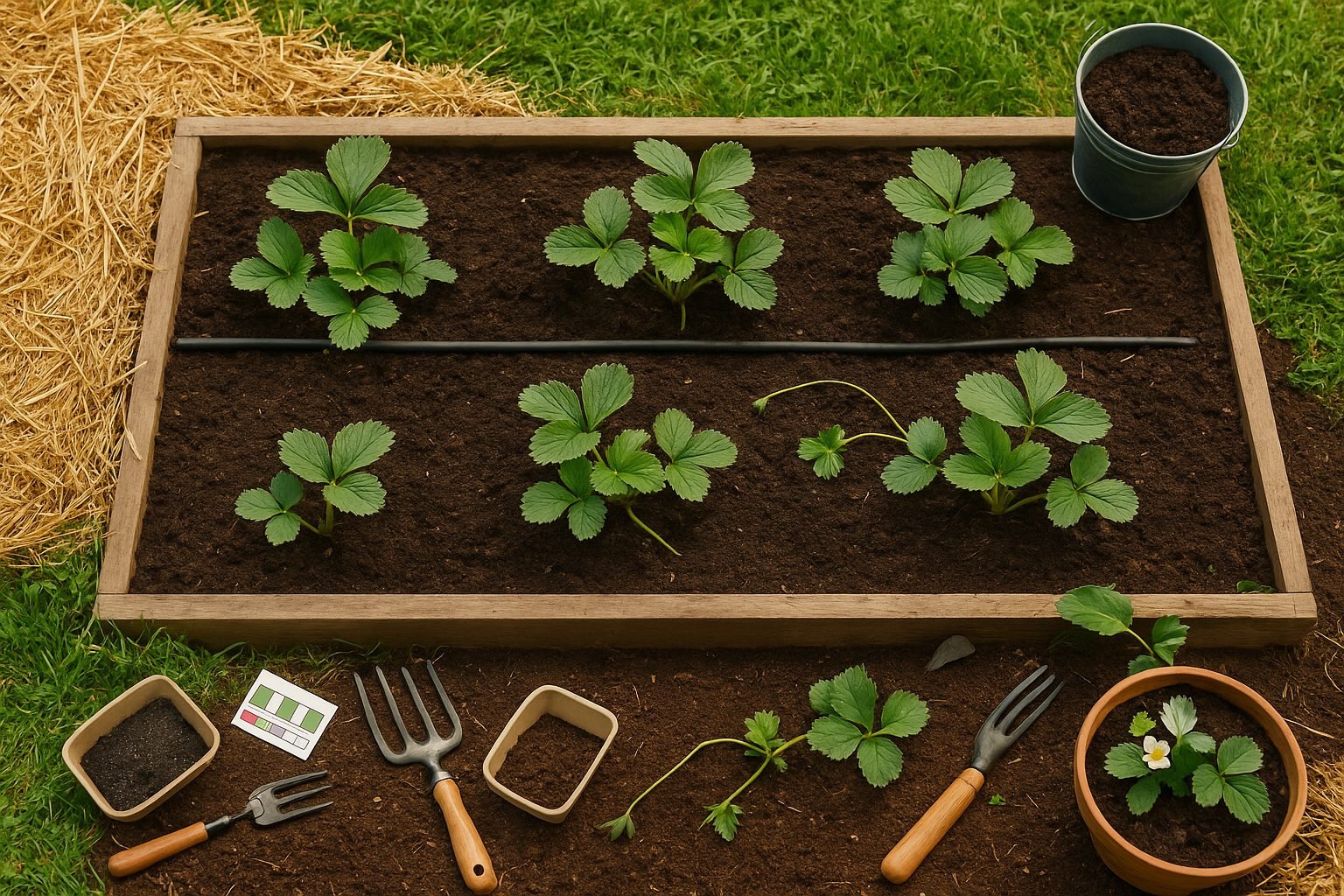
Choosing the right location is the first step to a thriving organic strawberry garden—pick a spot that gets at least six to eight hours of sunlight each day for the best fruit production. Look for slightly elevated areas or raised beds where water drains easily; strawberries hate soggy roots, so avoid low spots where water tends to collect.
Prepare your soil organically by mixing in plenty of compost, which not only feeds your plants but also improves soil texture and drainage. Before planting, test your soil’s pH with a simple kit from your local garden center—strawberries prefer a slightly acidic range between 5.5 and 6.5.
If your soil is too alkaline, add elemental sulfur; if it’s too acidic, mix in some finely ground limestone. Aim to create loose, crumbly soil rich in organic matter so roots establish quickly.
When it comes to planting, space your strawberry plants about 12 to 18 inches apart in rows about two feet apart to give them room to spread and access airflow, which helps prevent diseases. The best time for planting is early spring, after the last frost, so roots can settle before the summer heat arrives.
While you can start strawberries from seeds, most home gardeners find better success—and quicker fruit—by planting bare-root or potted young plants, often available at local nurseries in spring. Seeds can be slow and tricky to germinate, but if you’re up for a challenge and want unique varieties, sow them indoors several months ahead.
With careful site selection, organic soil boosting, and thoughtful planting, your strawberry patch will be off to a healthy, fruitful start that rewards your efforts for seasons to come.
Watering and Mulching Strategies
Proper watering is key to growing robust, juicy strawberries, since these plants have shallow roots that dry out quickly. Aim to keep the soil consistently moist—but not soggy—by providing about one to two inches of water per week. Early morning is the best time to water, allowing the foliage to dry during the day and reducing the risk of fungal diseases.
Consider using drip irrigation or soaker hoses for a more organic-friendly approach. These methods deliver moisture directly to the roots, minimizing water waste and keeping the leaves dry.
Complement your watering routine with mulch, a simple yet powerful tool for strawberry beds. Mulching with natural materials like straw, shredded leaves, or untreated grass clippings helps retain soil moisture and keeps roots cool during hot spells.
A good layer of mulch (about two inches thick) creates a barrier that suppresses weeds and keeps ripening berries off the damp soil, resulting in cleaner fruit that’s less prone to rot. Spread organic mulch evenly around the base of your plants, making sure not to pile it against the crowns, which can lead to rot.
Remember to refresh the mulch throughout the season, especially as it breaks down or gets displaced. With smart watering and the right mulch, your strawberries will thrive with less effort and reward you with sweeter, healthier harvests.
Organic Care and Maintenance
When it comes to caring for your garden organically, choosing the right fertilizers is a game changer. Compost is a classic choice—rich in nutrients and easy to make at home with kitchen scraps and yard waste. Simply spread a one- to two-inch layer around your plants in early spring to boost soil health all season long.
Well-rotted manure is another favorite among organic gardeners; just ensure it’s aged properly to avoid burning plant roots. Natural fertilizers like fish emulsion or bone meal provide slow-release nutrition and are especially handy if your soil needs a quick pick-me-up before fruiting.
Managing Runners and Pruning
For strawberries and other vine crops, managing runners is key to getting bigger, sweeter yields. In early summer, snip off most runners so the main plants can focus their energy on producing fruit. Leave a few runners if you want to propagate new plants for next year.
Pruning is just as important—removing crowded or diseased leaves improves airflow, reducing the risk of mold and pests.
Seasonal Care
Seasonal care is a must: in autumn, trim back old foliage and mulch around the crowns with straw or pine needles to protect against winter cold.
Monitoring and Acting Early
Throughout the year, stay vigilant for early signs of disease or nutrient deficiencies—such as yellowed leaves, slow growth, or unusual spots—and act quickly with organic solutions like neem oil or homemade garlic spray.
By combining thoughtful fertilizing, strategic runner control, and consistent year-round care, you’ll encourage healthy, productive plants and set your garden up for success naturally.
Pest and Disease Management without Chemicals
Keeping your strawberry patch healthy without resorting to chemicals is absolutely possible with a proactive approach and some simple organic strategies.
Start by defending your plants against common pests like slugs, aphids, and spider mites. Physical barriers such as fine mesh netting or floating row covers keep birds and insects at bay, while also preventing larger pests from accessing the berries. For small populations of pests like slugs or beetles, hand-picking them off the plants early in the morning or after watering can be surprisingly effective.
Encourage beneficial insects, such as ladybugs and lacewings, by planting pollen-rich flowers nearby—these natural predators feast on pests like aphids and keep populations under control.
Disease Prevention
When it comes to diseases like gray mold (Botrytis cinerea) or powdery mildew, prevention is your best ally. Make sure your strawberries are spaced properly to allow good air circulation, which helps leaves dry quickly after rain or watering and minimizes fungal growth. Mulch around plants with straw to prevent soil-borne diseases from splashing onto fruit, and remove any diseased leaves or berries promptly to stop the spread.
Spraying with organic solutions such as diluted neem oil or baking soda spray can help combat early signs of mildew, but be sure to use them according to recommendations and avoid spraying during bloom to protect pollinators.
Companion Planting
Companion planting is another simple yet powerful way to naturally reduce pest issues: growing herbs like basil, chives, or borage alongside strawberries can deter harmful insects, attract pollinators, and even improve berry flavor. Marigolds are especially effective at repelling nematodes and other soil pests.
By combining these approaches—barriers, hand-picking, fostering natural predators, diligent sanitation, and smart planting—you can enjoy a healthy, productive strawberry harvest without synthetic chemicals, all while supporting a thriving, balanced garden ecosystem.
Encouraging Bigger, Healthier Fruit
If you want bigger, juicier strawberries, focus first on proper pollination—bees and other pollinators are your best friends here! Consider planting pollinator-attracting flowers nearby and avoid using harsh pesticides.
Thinning the fruit is another key trick: remove some of the smaller, undeveloped berries early in the season so plants can direct energy into the remaining fruit, which often results in larger strawberries.
Managing runners (those long stems that try to root and start new plants) also helps; snip off most runners during the growing season so the mother plant puts energy into producing robust fruit instead of new plants.
Adequate spacing—think at least 12–18 inches between plants—helps boost airflow, keeping leaves dry and reducing disease risk, which leads to cleaner, healthier fruit.
For a natural boost to berry size and quantity:
- Mulch beds with straw to retain moisture and regulate soil temperature.
- Water deeply but infrequently to encourage deep roots.
- Top-dress with compost in early spring to feed your plants.
Rotate your strawberry patch every few years to prevent soil-borne diseases and fatigue, and keep an eye out for ripe berries to harvest promptly, as regular picking encourages continuous production.
By combining these practical techniques, you’ll help your strawberries reach their sweetest, plumpest potential all season long.
Harvesting and Storing Organic Strawberries
Knowing when to pick organic strawberries is key to enjoying their richest flavors and highest nutritional value. Look for berries that are fully red with a natural sheen—unlike some fruits, strawberries don’t ripen further after picking, so avoid any that still have green or white tips.
Harvest in the cool morning hours when the fruit is firm and less likely to bruise. To pick, gently grasp the berry between your fingers and use your thumbnail to snap the stem just above the cap, rather than pulling the fruit. This method protects both the berry and the plant’s delicate stems, reducing the risk of damage that could affect future harvests.
Handle the berries with care, placing them in shallow containers to avoid squashing.
For storage, avoid washing the strawberries until just before use; excess moisture speeds up rot. Lay the unwashed berries in a single layer on a paper-towel-lined tray or container, cover loosely, and refrigerate—they’ll usually stay fresh for up to three days.
If you have a big haul, consider freezing:
- Hull and slice the berries.
- Spread them out on a baking sheet to freeze individually.
- Transfer to airtight bags for long-term storage.
By picking at peak ripeness and handling with care, you’ll savor the pure taste of your organic strawberries long after harvest day.
Conclusion
Growing organic strawberries at home offers more than just delicious, sun-ripened fruit—it’s a rewarding journey that connects you with nature and boosts your well-being. You get to enjoy truly fresh berries, safely grown without chemicals, and the peace of mind that comes from knowing exactly where your food comes from.
Plus, tending to your plants can reduce stress and create lasting family memories, especially when children join in the harvest. Starting your own organic strawberry patch doesn’t require a huge backyard; even a few containers on a sunny balcony will do.
With the right care and a bit of patience, you’ll quickly see the fruits of your labor—literally. Ready to get your hands dirty and enjoy those sweet rewards? Share your experiences, questions, or tips in the comments below to inspire and support others on their strawberry-growing adventure!