Introduction
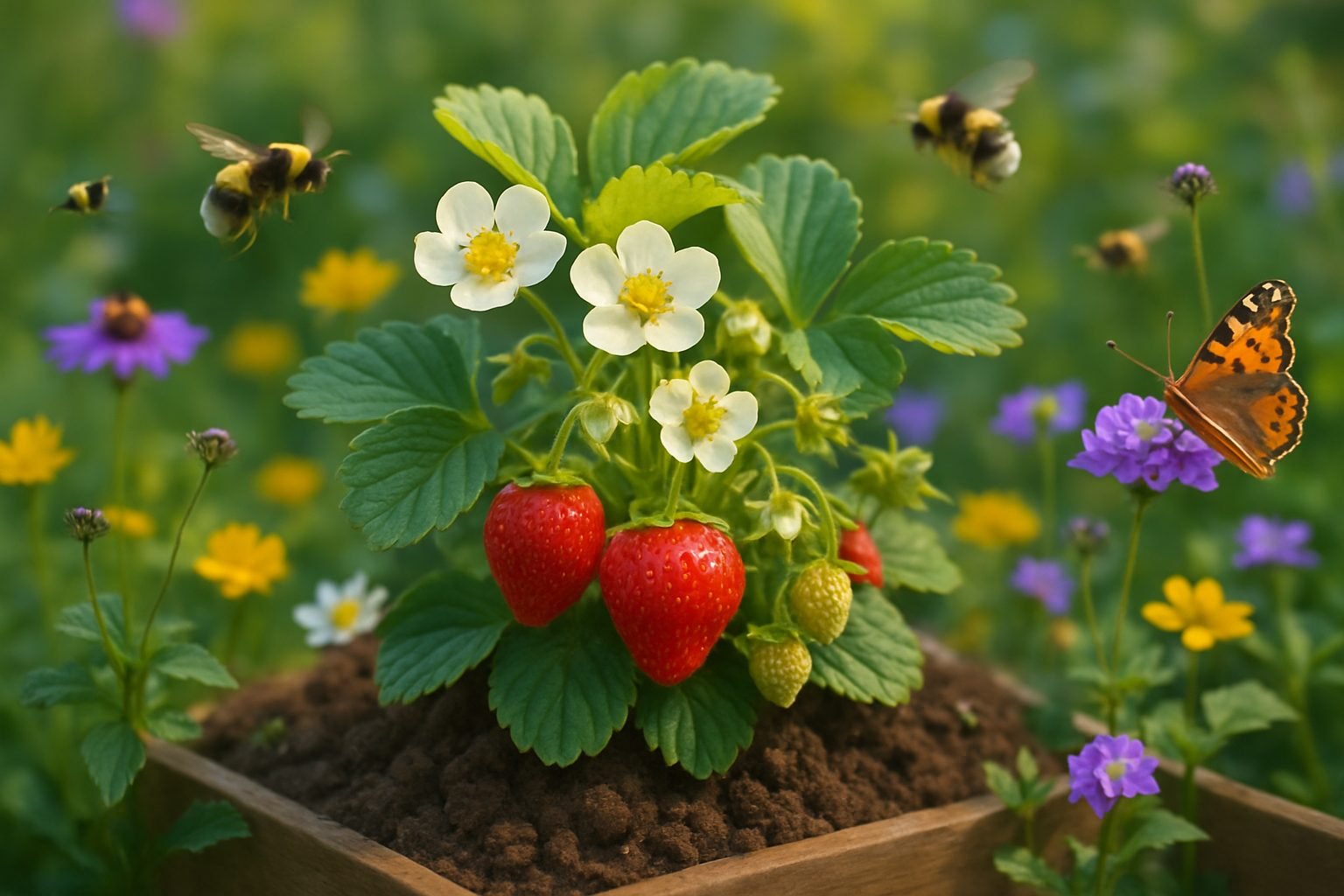
When it comes to growing juicy, flavorful strawberries, the connection between strawberries and pollinators is impossible to ignore. Without the help of bees, butterflies, and other pollinators, your strawberry patch may produce fewer berries, and those berries might be smaller or misshapen. Pollinators don’t just boost yields—they’re essential for top-quality fruit, helping to ensure your harvest is as sweet and bountiful as possible.
That’s why learning how to attract and support these tiny garden heroes is a must for anyone who wants to enjoy the best strawberries from their own backyard. In this article, you’ll find straightforward, actionable tips to make your garden irresistible to pollinators—from choosing the best companion plants to providing simple water sources and safe habitats. Each section breaks down practical steps so you can easily scan, pick an idea, and start improving your strawberry patch right away.
Whether you’re a seasoned gardener or just getting started, these easy strategies will set you up for pollinator-friendly gardening success and a more satisfying strawberry harvest.
Choosing Pollinator-Friendly Strawberry Varieties
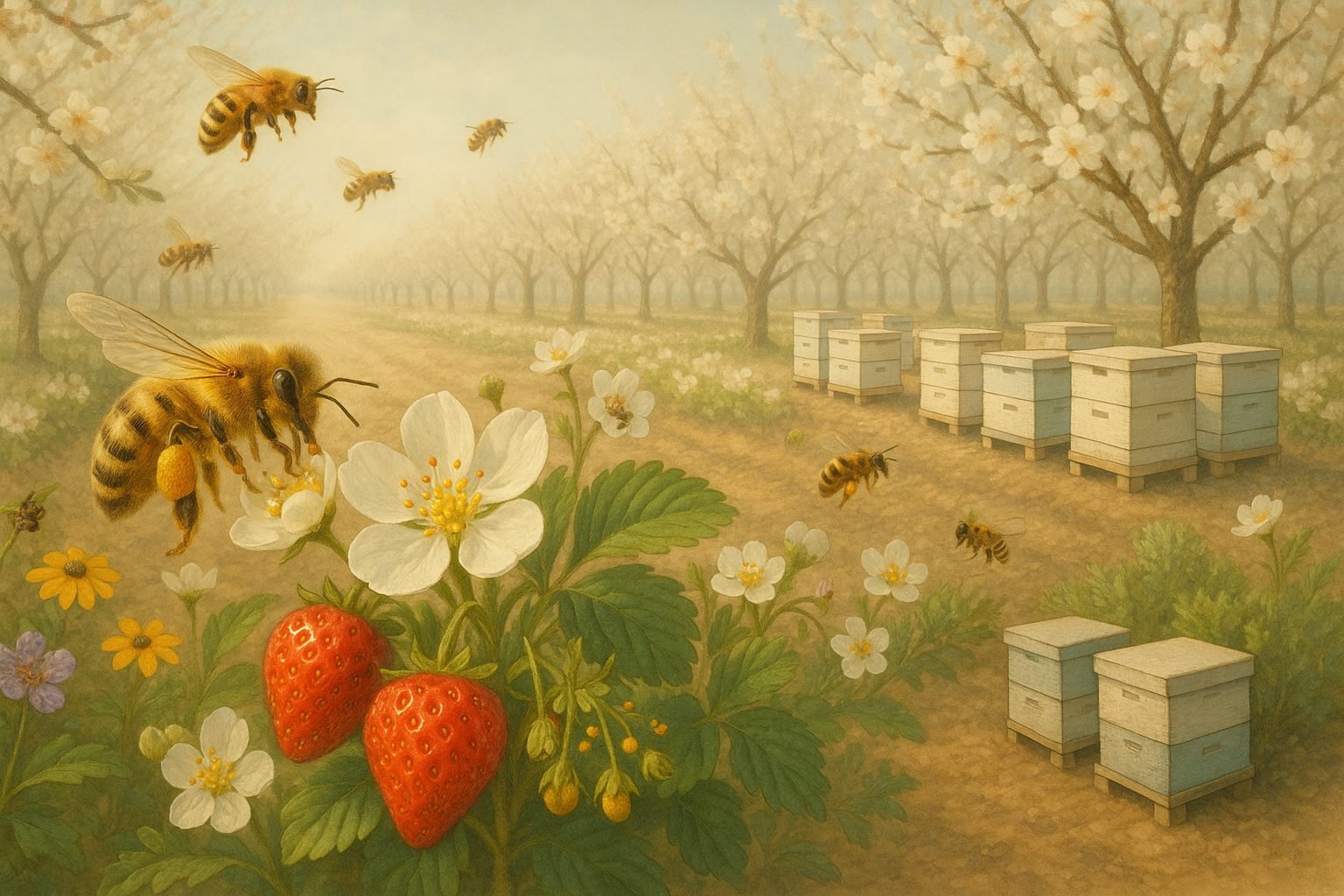
When selecting strawberries for a pollinator-friendly garden, choose varieties with open, accessible flowers that make it easy for bees, butterflies, and other insects to reach the nectar and pollen. Strawberry plants with large, flat blossoms—often found in heirloom and some everbearing types—are especially attractive to pollinators.
Everbearing strawberries, like ‘Ozark Beauty’ and ‘Seascape,’ bloom repeatedly throughout the season, providing a continuous food source for pollinators rather than a brief, concentrated bloom period. Similarly, day-neutral varieties such as ‘Albion’ and ‘Mara des Bois’ flower from spring to fall, ensuring there’s always something for pollinators to visit. This not only supports beneficial insects but can also improve fruit yields.
In contrast, June-bearing types typically flower for a short window, which may limit their appeal to pollinators unless you plant several varieties for staggered blooming. Flower shape is also important; single-petaled, open flowers are ideal because bees can easily land and access the plant’s reproductive parts. Avoid varieties bred mainly for appearance, like those with densely packed, double flowers, as these can be less accessible to pollinators.
As a rule of thumb, if you notice lots of bees on local wild strawberries or older garden cultivars, those types are likely a good choice for supporting pollinators. Plant these pollinator-friendly varieties in clusters to create a noticeable patch, making your strawberries a prime destination for helpful garden visitors all season long.
Planning and Planting for Pollinators
When planning your strawberry garden with strawberries and pollinators in mind, where and how you plant can significantly impact the health and activity of both. Choose a spot with full sun, as strawberries and pollinators alike thrive with at least 6–8 hours of direct sunlight each day. Sunny locations encourage vigorous strawberry growth and attract more bees and butterflies, which prefer to forage in warm, sunlit areas.
Avoid low spots where cold air and moisture tend to settle, as these conditions can limit pollinator visits and harm plant health. Wind protection is also important—while gentle breezes are okay, strong winds deter pollinators and can damage delicate blooms. Plant strawberries near a fence, hedge, or row of tall sunflowers to create a natural windbreak without shading your plants.
To support pollinators throughout the season, include a variety of companion plants and herbs that bloom at different times. Early bloomers like borage, lavender, and chives provide spring nectar, while cosmos, zinnias, and salvia offer food through midsummer and fall. This diversity feeds a wider range of pollinators, helps deter pests naturally, and can improve your strawberry yield and flavor.
When arranging your plants, space strawberries 12–18 inches apart in rows 2–3 feet apart to promote good airflow and easy access. Avoid overcrowding, which can hinder pollinator movement and increase disease risk. Consider using raised beds or mounded rows to improve drainage and accessibility.
By thoughtfully planning your garden layout and selecting pollinator-friendly companion plants, you create a thriving environment where strawberries and pollinators flourish together.
Creating a Pollinator Oasis: Water, Shelter, and Safe Habitats
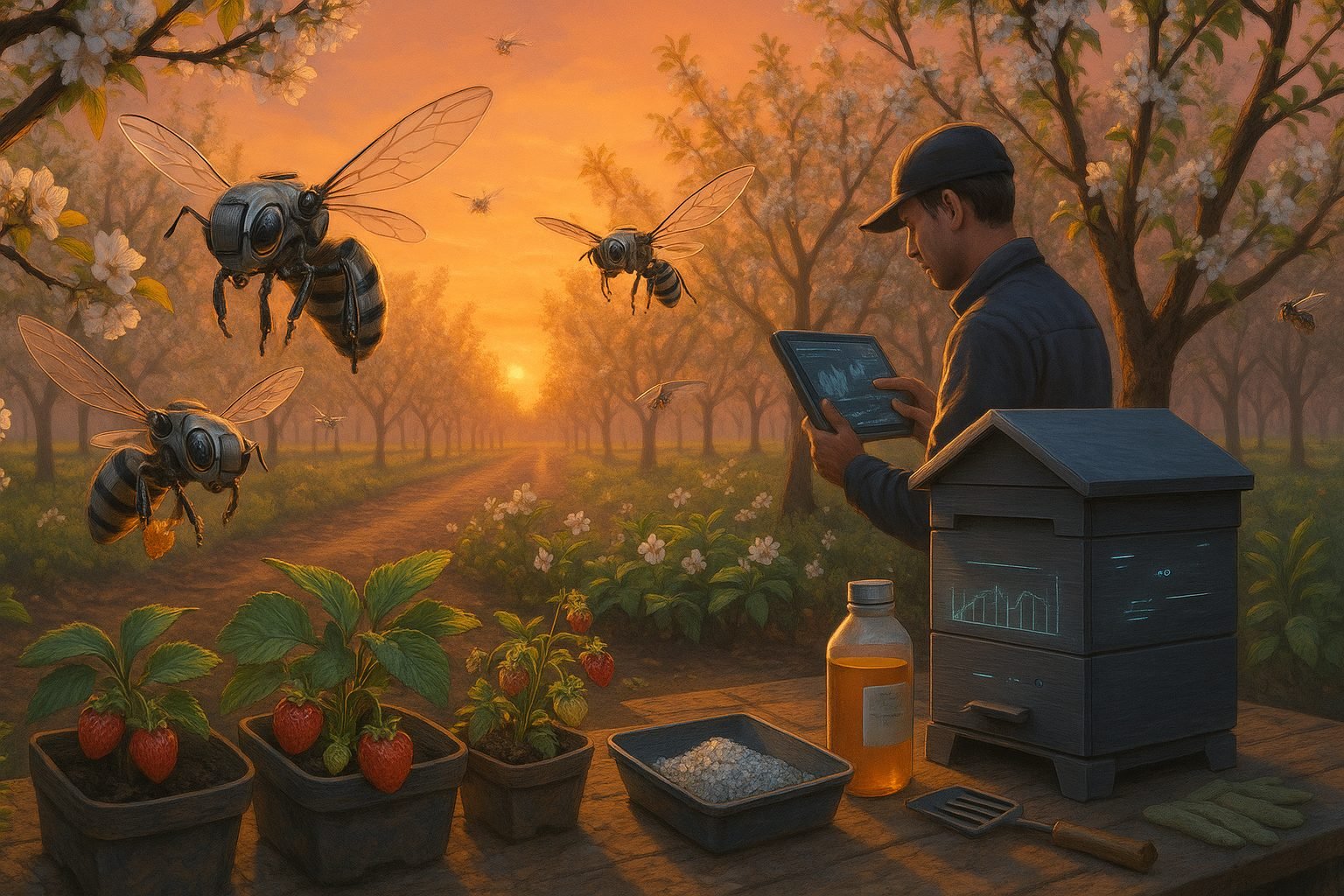
Providing a welcoming habitat not only attracts more pollinators to your strawberries but also supports their health throughout the season. A simple way to start is by offering water sources—place shallow dishes filled with pebbles and water or leave damp rocks around your strawberry patch. These provide bees, butterflies, and other helpful insects a safe place to hydrate without the risk of drowning. Remember to refresh the water often and keep dishes out of direct, hot sun to reduce evaporation.
For shelter and nesting, create bare patches of soil away from busy paths. Many solitary bees dig small holes in exposed ground to lay their eggs, so maintaining a weed- and mulch-free zone is an easy way to help. Building a bug hotel is another fun, family-friendly project: stack hollow stems, bamboo, twigs, pinecones, or rolled cardboard tubes in a wooden frame to give pollinators places to hide, hibernate, or nest.
Leaving an undisturbed corner of your garden, filled with leaf litter and native grasses, further supports beneficial insects that pollinate strawberries and help control pests. Minimizing disturbance is key during the growing season—avoid excessive digging, trimming, or turning over soil in these zones. Try to postpone major cleanup projects until fall or early spring when pollinators are less active. Resist the urge to quickly remove dead wood or fallen leaves, as these can serve as vital summer shelters.
By focusing on water, shelter, and gentle stewardship, your garden becomes a true oasis for pollinators and ensures a thriving strawberry harvest.
Organic Care: Avoiding Harmful Chemicals
Using harsh pesticides and herbicides in your strawberry garden can seriously harm the very pollinators—like bees, butterflies, and hoverflies—you rely on for healthy, abundant fruit. These chemicals don’t just kill pests; they can linger on flowers and leaves, poisoning pollinators either directly or by contaminating their food sources. To keep your garden productive and buzzing with life, focus on organic, non-chemical care methods.
Start with regular inspections and hand-picking pests like slugs, aphids, and beetles; this approach is both effective and gentle on your plants’ ecosystem. Physical barriers, such as row covers or netting, can prevent larger pests from reaching your strawberries without blocking pollinators during blooming periods.
Another smart strategy is to attract beneficial insects, such as ladybugs and lacewings, by planting a variety of nectar-rich flowers nearby—these helpers naturally keep pest populations in check. If treatments are necessary, choose pollinator-safe organic options like neem oil, insecticidal soaps, or diatomaceous earth, and always follow label directions carefully.
Apply any treatments in the late evening, after pollinators have stopped foraging, to minimize accidental exposure. Remember, maintaining a diverse, chemical-free environment not only protects pollinators but also helps your strawberries thrive. By making a few eco-conscious adjustments, you’ll boost your harvest while safeguarding the crucial bugs that make it possible.
Bloom Management: Encouraging Flowering All Season
Maintaining a steady supply of strawberry blooms throughout the growing season is essential for attracting strawberries and pollinators and ensuring a bumper crop of sweet berries. One effective approach is succession planting—staggering early, midseason, and late-bearing varieties so that as one group finishes blooming, another begins. This deliberate overlap creates a consistent buffet for bees and butterflies, supporting their needs while maximizing your harvest.
Deadheading, or regularly removing old, spent flowers, is another simple but powerful strategy. Snipping off faded blossoms encourages the plant to redirect energy toward forming new buds instead of seed development or decaying flowers.
Balanced fertilization plays a crucial role: while strawberries need nutrients, too much nitrogen promotes leafy growth over flowers. Use a balanced, slow-release fertilizer according to package directions, applying it in spring and lightly again after the first major bloom.
Watering practices also matter—deep, infrequent watering in the morning helps keep roots healthy and makes blooms more resilient to midday heat. Avoid watering late in the day, since damp conditions overnight can foster disease.
By combining these strategies—succession planting for variety, deadheading for continual budding, mindful feeding with balanced fertilizer, and thoughtful watering—you’ll encourage season-long blooms. This steady supply of flowers will keep your local pollinators busy and happy while ensuring your strawberry patch produces plump, delicious fruit all season long.
Monitoring and Supporting Pollinator Activity
Watching pollinators visit your strawberries can be both enjoyable and insightful for improving your garden. Spend a few minutes each day observing your strawberry plants, noting which pollinators—such as bees, butterflies, or hoverflies—stop by and when. Use a simple notebook or your phone to record the types of pollinators, their numbers, and how long they linger. These notes will help you spot patterns over time and evaluate whether your garden is attracting enough beneficial insects.
For a more community-focused approach, consider joining local groups or citizen science projects like iNaturalist or Bumblebee Watch. By sharing your observations through these apps, you can learn from other gardeners and contribute valuable data about strawberries and pollinators to larger conservation efforts.
Remember, every garden is unique—weather, plant varieties, and neighborhood surroundings all affect who visits your plants. Try experimenting by planting a variety of flowers alongside your strawberries and adjusting your methods as you go. Most importantly, be patient; it may take time to discover what works best for your space, but your care will benefit both your harvest and the local ecosystem.
Conclusion and Quick Reference Tips
Creating a pollinator-friendly strawberry garden is both rewarding and simple. Choose diverse, nectar-rich companion flowers, avoid pesticides, provide water sources, and plant strawberries in sunny, accessible spots. Plant in clusters for better visibility, add shelter like small shrubs, and maintain consistent blooms to support pollinators year-round.
Be sure not to use broad-spectrum chemicals or remove all weeds, as some weeds attract helpful insects. Remember, small steps make a big difference for both your strawberries and pollinators. Have you tried any of these tips, or do you have questions? Share your stories or ask for advice in the comments below!