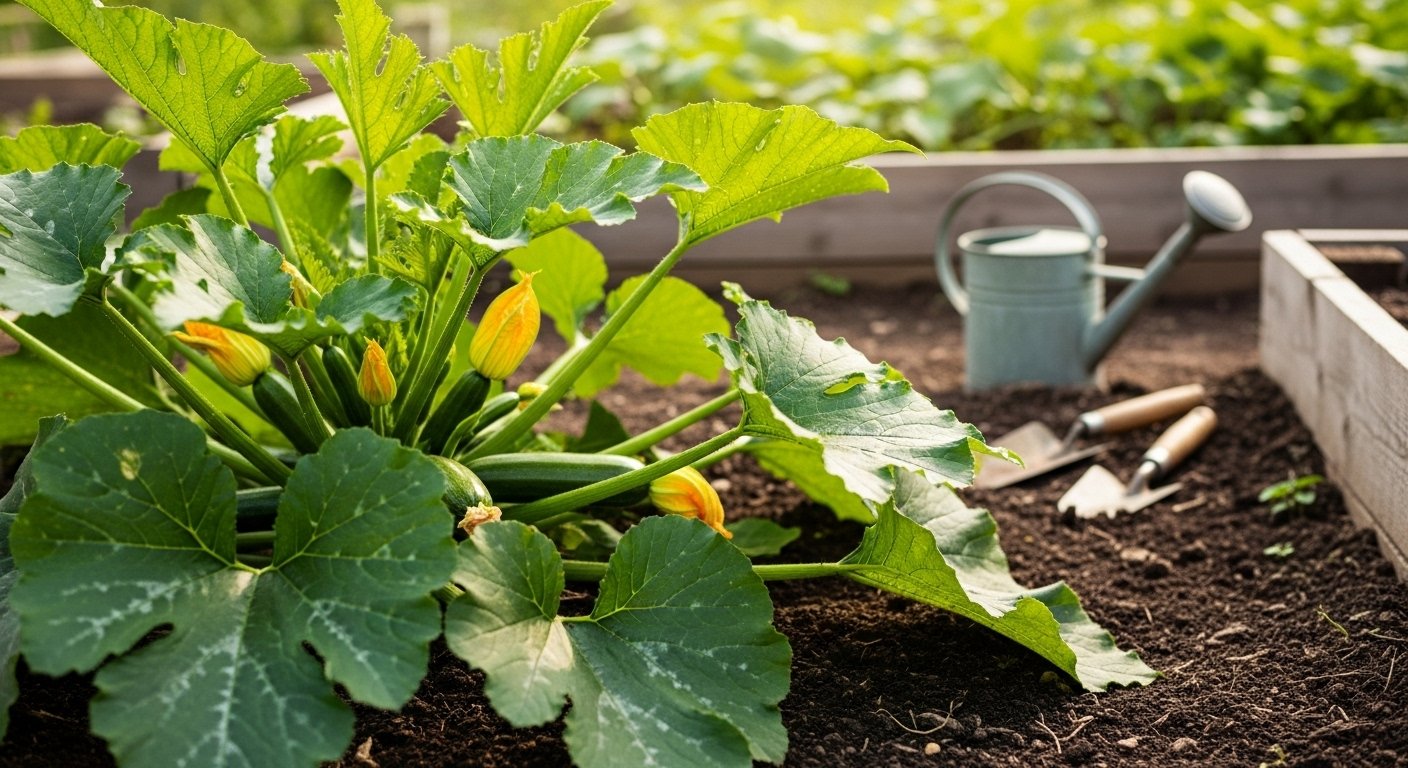
Introduction to Growing Zucchini
Watering zucchini is one of the most crucial aspects of keeping your garden healthy and your harvest bountiful. Zucchini, a type of summer squash, has become a staple in home gardens worldwide thanks to its fast-growing nature, remarkable productivity, and endless culinary uses. You’ll often find zucchini baked into breads, stir-fried, grilled, or spiralized into noodles—making it a favorite for both traditional and creative home cooks.
Beyond its delicious versatility, gardeners love zucchini because it’s beginner-friendly: the plants grow quickly, produce heavily, and don’t require a green thumb to flourish. However, one detail that trips up many new and even experienced gardeners is how often to water zucchini plants. Proper watering not only ensures robust growth and maximum yields but also prevents common issues like blossom-end rot, powdery mildew, and fruit splitting.
If you’ve ever wondered about the best way to care for your zucchini or want to avoid common rookie mistakes, this article breaks down the essentials with real-world tips tailored to beginners and intermediate growers alike. We’ll guide you through tried-and-true watering strategies to help your zucchini plants thrive, so you can look forward to a season full of lush leaves and more zucchinis than you might know what to do with!
Let’s dig in and set your garden up for success, starting with the basics of watering zucchini the right way.
Choosing the Right Zucchini Variety
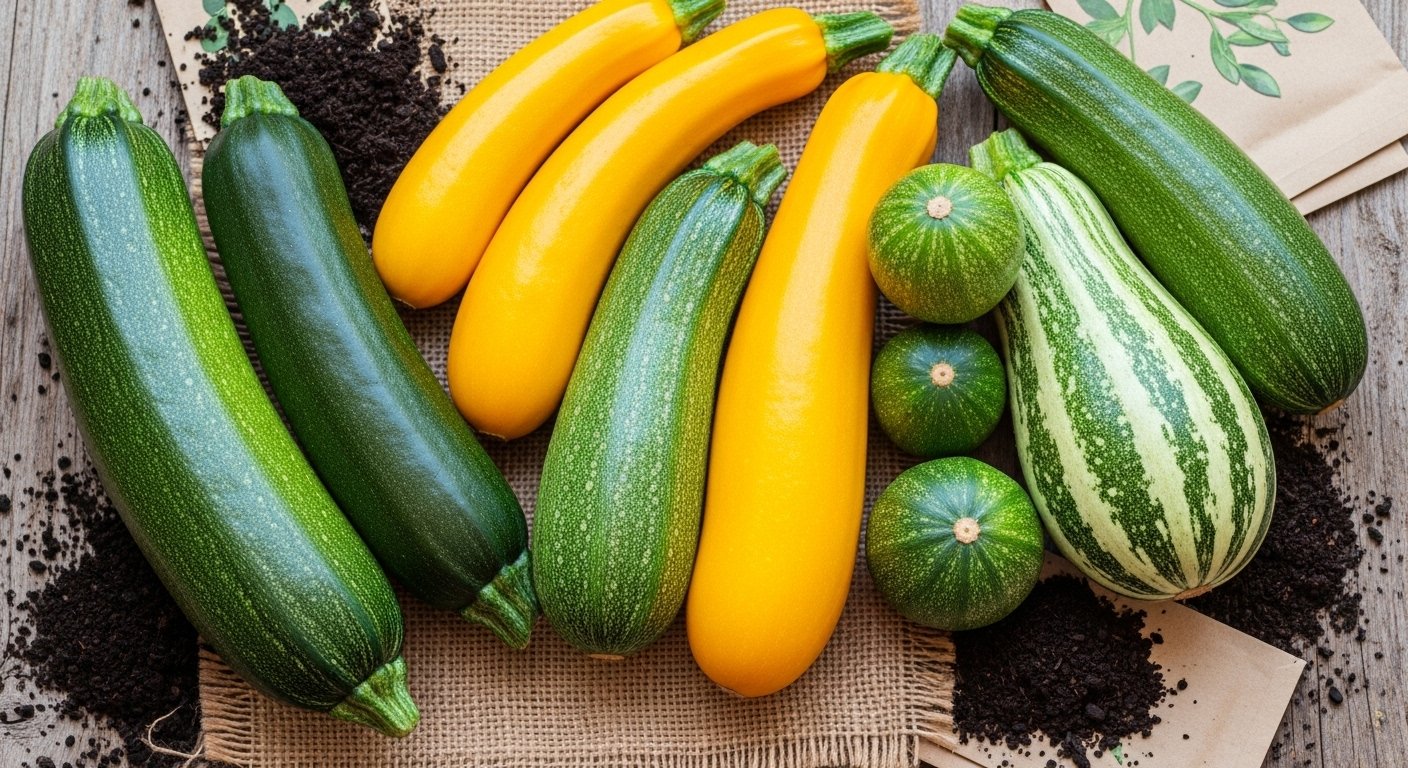
When deciding which zucchini variety to plant, it’s helpful to know there’s a surprising amount of choice beyond the classic long green squash you see at the grocery store. Classic green zucchinis, such as ‘Black Beauty’ or ‘Raven,’ are popular for their mild flavor, prolific yields, and adaptability to most climates, making them a safe bet for new gardeners.
If you crave a splash of color, yellow zucchini—often labeled ‘Golden Zucchini’—offers the same texture but brings a sunny hue and a slightly sweeter taste to your dishes. For container gardening or limited space, round zucchinis like ‘Eight Ball’ or ‘Ronde de Nice’ are ideal; these compact plants produce ball-shaped fruits that are great for stuffing.
There’s also a growing range of specialty varieties such as striped ‘Costata Romanesco’ or pale green ‘Magda’ that boast unique flavors or firmer textures—perfect for adventurous cooks or those wanting something different.
When choosing, keep your local climate in mind: compact or early-maturing varieties thrive in short growing seasons, while vigorous vines may need more space and heat. Also, consider your kitchen habits—round zucchinis are perfect for roasting and stuffing, while slender types excel in stir-fries or grilled dishes.
It’s also good to note that while zucchinis are a type of summer squash, not all summer squash are zucchini; for example, pattypan and crookneck squash differ in shape and culinary uses. Checking plant labels and descriptions before buying seeds can save you confusion and help you pick varieties that match your space, region, and favorite recipes.
By mixing and matching types, you can enjoy a steady crop, a range of flavors, and eye-catching harvests all summer long.
Planting Zucchini – When, Where, and How
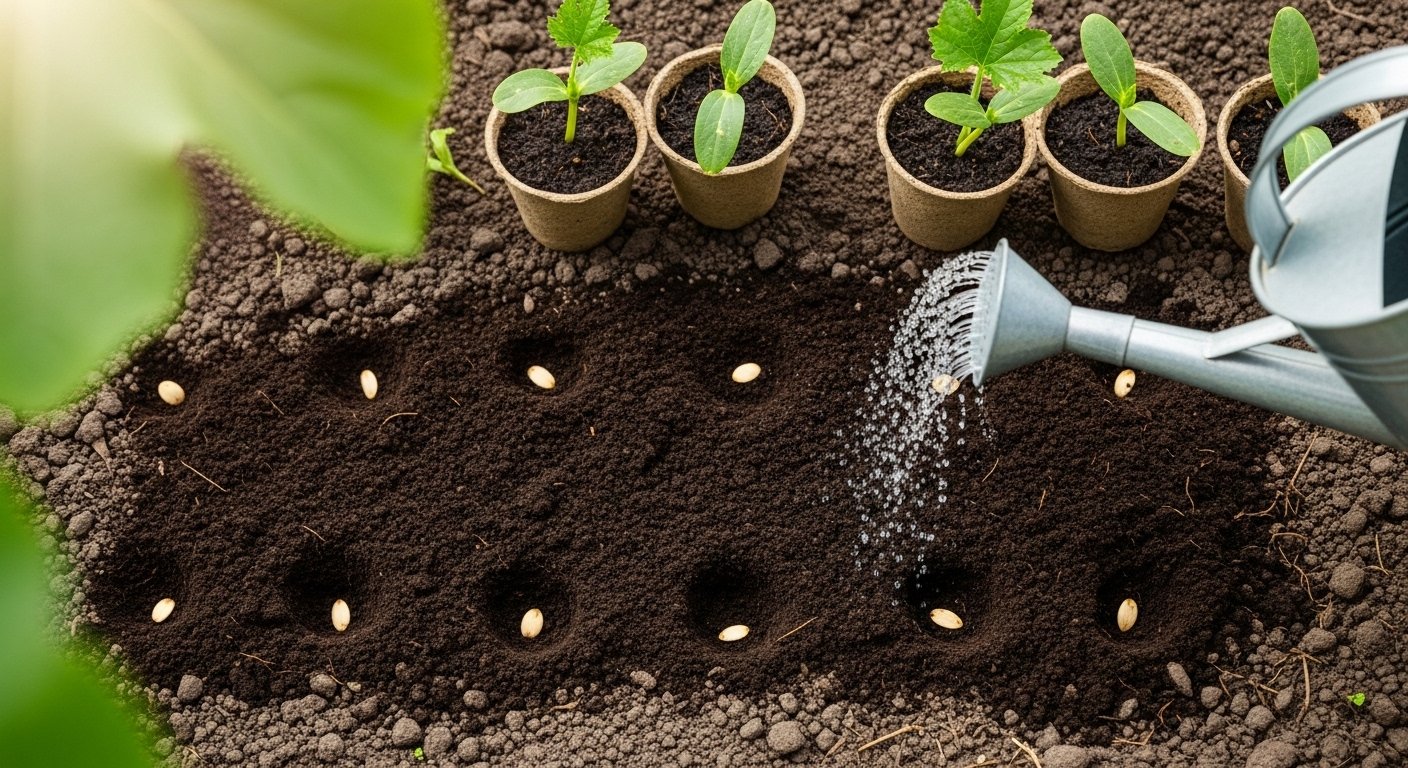
When it comes to planting zucchini, timing is everything. Zucchini thrive when soil temperatures consistently reach at least 60°F (16°C), making late spring—after your area’s last frost—the sweet spot for outdoor planting. Check local frost dates; a good rule is to plant seeds or seedlings about one to two weeks after the last expected frost. Start seeds indoors two to four weeks before the last frost if you want a jump start, but because zucchini grow quickly, direct seeding outdoors is both easy and effective for most gardeners. If transplanting, use biodegradable pots to minimize root disturbance when moving seedlings outside.
Choose a sunny spot where your zucchini will get at least six to eight hours of direct sunlight daily. Zucchini crave rich, well-drained soil—aim for loose earth amended with compost or aged manure for nutrients and moisture retention. Whether planting directly in garden beds, raised beds, or large containers (minimum 18 inches wide), make sure there’s enough room: space seeds or transplants 24–36 inches apart in rows about three feet apart for proper airflow and to discourage disease. Raised beds help with drainage, and containers allow you to grow zucchini even if you’re short on garden space—just ensure containers have drainage holes.
To plant, sow seeds about one inch deep and water thoroughly after covering with soil. If transplanting, set seedlings at the same soil level as in their pots, gently firming soil around the base. Initial watering should be deep to encourage strong root development, but avoid soaking the soil; zucchini prefer moist—but not soggy—conditions. As seedlings emerge or settle in, protect them from chilly nights or pests with row covers or cloches, removing covers when flowers appear for pollination. Early on, keep the soil consistently moist, weed regularly to minimize competition, and mulch to conserve water. With the right start, your zucchini plants will establish strong roots and reward you with a bountiful harvest all summer long.
Essential Care Through the Growing Season
Throughout the growing season, consistent and mindful care is key to healthy, productive plants. Start with a regular watering schedule—generally, aim for one deep watering per week rather than frequent light sprays, adjusting for rainfall and your specific soil conditions. To avoid issues like root rot from overwatering, stick your finger into the soil about two inches deep; if it feels dry, it’s time to water.
Mulching with organic materials like straw, shredded leaves, or compost helps lock in moisture, keeps roots cool, and suppresses weeds. This reduces the need for frequent watering while boosting soil health.
When it comes to fertilization, feed plants with a balanced organic fertilizer every 4–6 weeks. Always follow instructions and watch your plants for signs of overfeeding, such as leaf burn.
Many tall or heavy-fruiting plants—think tomatoes, peppers, or pole beans—benefit from staking, cages, or trellises to keep them upright and prevent breakage, especially as fruits mature and weigh down the stems.
To maximize fruit production, attract pollinators by planting flowers like marigolds, lavender, or sunflowers nearby. Avoid broad-spectrum insecticides that can harm bees. Simple hand-pollination, such as gently shaking tomato or pepper flowers or using a small brush to transfer pollen, can also boost yields in gardens where pollinator activity is low.
By combining these practical steps, you’ll create an environment where your plants can thrive all season long.
Pest and Disease Management
Zucchini plants are susceptible to a few persistent pests and diseases, with squash bugs and vine borers being the most notorious offenders. Squash bugs suck sap from leaves, causing them to wilt, yellow, and eventually die, while vine borers tunnel into stems, leading to sudden plant collapse. Diseases like powdery mildew, recognized by the distinctive white, powdery spots on leaves, can quickly spread and reduce both yield and plant health.
To prevent these issues, start by practicing crop rotation—avoid planting zucchini or other squash in the same spot two years in a row. Floating row covers can be used early in the season to physically block pests, but be sure to remove them during flowering for pollination. Handpick squash bugs and destroy their coppery eggs often found underneath leaves. For vine borers, wrap the base of stems with foil to deter egg-laying or use yellow sticky traps to monitor adult moths.
When it comes to powdery mildew, ensure good air circulation by planting with adequate spacing and pruning overcrowded foliage; watering at the soil level in the morning also helps prevent water from lingering on leaves. Organic remedies like neem oil or insecticidal soap can control minor pest infestations, while a homemade solution of baking soda, water, and a drop of dish soap can slow the spread of powdery mildew.
Early signs to watch for include clusters of small brown bugs, chewed or wilting stems, and powdery leaf spots. At the first hint of trouble, remove and destroy affected leaves or bugs, and consider organic sprays to contain outbreaks. Prompt action is key, as waiting even a few days can mean the difference between a healthy zucchini patch and a garden disaster.
By staying attentive and using these proactive strategies, even new gardeners can keep their zucchini plants productive and thriving.
Harvesting Zucchini – When and How
Knowing when to harvest zucchini is key to getting the best flavor and texture from your crop. Look for zucchinis that are about 6 to 8 inches long—at this size, they’re tender and have smaller seeds. Their skin should be glossy and firm; if it’s starting to dull or feels tough, the fruit may be overripe.
To pick them, use a sharp knife or garden shears to cut the stem about an inch above the fruit instead of twisting or pulling, which can damage both the zucchini and the plant.
Avoid letting zucchinis grow too big; oversized fruits (over 10 inches) often become watery and seedy. This not only affects eating quality but also signals the plant to slow new fruit production.
For ongoing harvests, check your plants every couple of days during peak season, as zucchinis can grow surprisingly fast.
After picking, handle zucchinis carefully to avoid bruising, and store them unwashed in the fridge crisper drawer. They’ll keep best if used within a week. For extra freshness, store them in a perforated plastic bag to maintain moisture and prevent spoilage.
Storing and Using Your Zucchini
To keep your zucchini fresh for short-term use, store unwashed whole zucchini in the crisper drawer of your refrigerator, ideally in a perforated produce bag to maintain airflow and prevent moisture buildup. They’ll last about one to two weeks this way.
If you plan to use them within a couple of days, keeping zucchini on the countertop away from direct sunlight is fine, but refrigeration is best for longer freshness.
For long-term storage, freezing is simple: slice the zucchini, blanch it in boiling water for a few minutes, then cool and pack it into freezer bags—this method preserves both texture and flavor for soups and stews over the winter. You can also shred zucchini and freeze it in measured amounts, perfect for adding to breads or muffins later.
If you’d like to preserve even more of your harvest, consider making zucchini pickles or relish, or dehydrating zucchini chips for a healthy snack.
With a large batch, try baking chocolate zucchini bread, making grilled veggie trays, blending zucchini into sauces for pasta, or dicing it into frittatas and stir-fries. The options for creative use are endless! Don’t be afraid to experiment—zucchini’s mild flavor and adaptable texture mean it can enhance both sweet and savory dishes.
Whether you’re a new gardener or a seasoned pro, enjoying your homegrown zucchini year-round is one of the most satisfying rewards of the growing season.