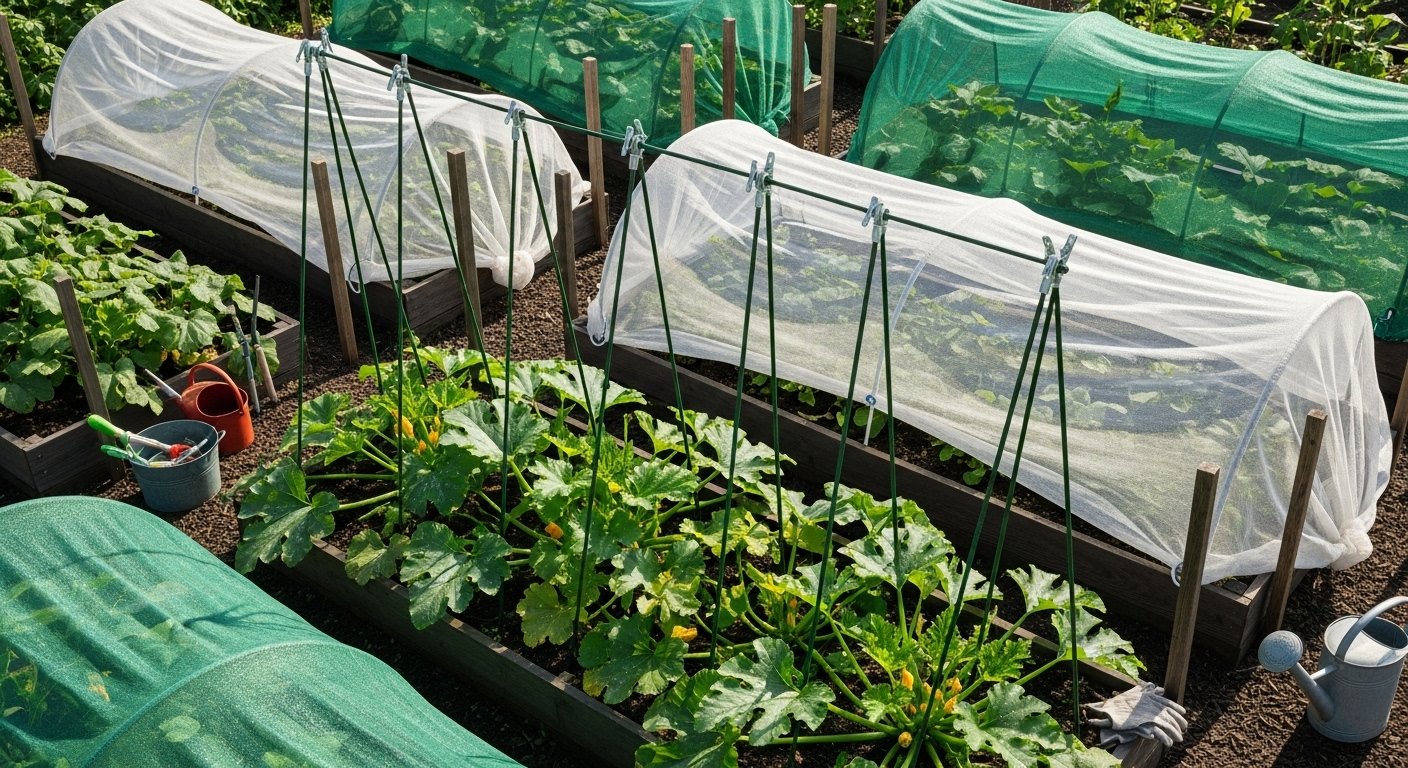
What is Shade Cloth and Why Use It in Vegetable Gardens?
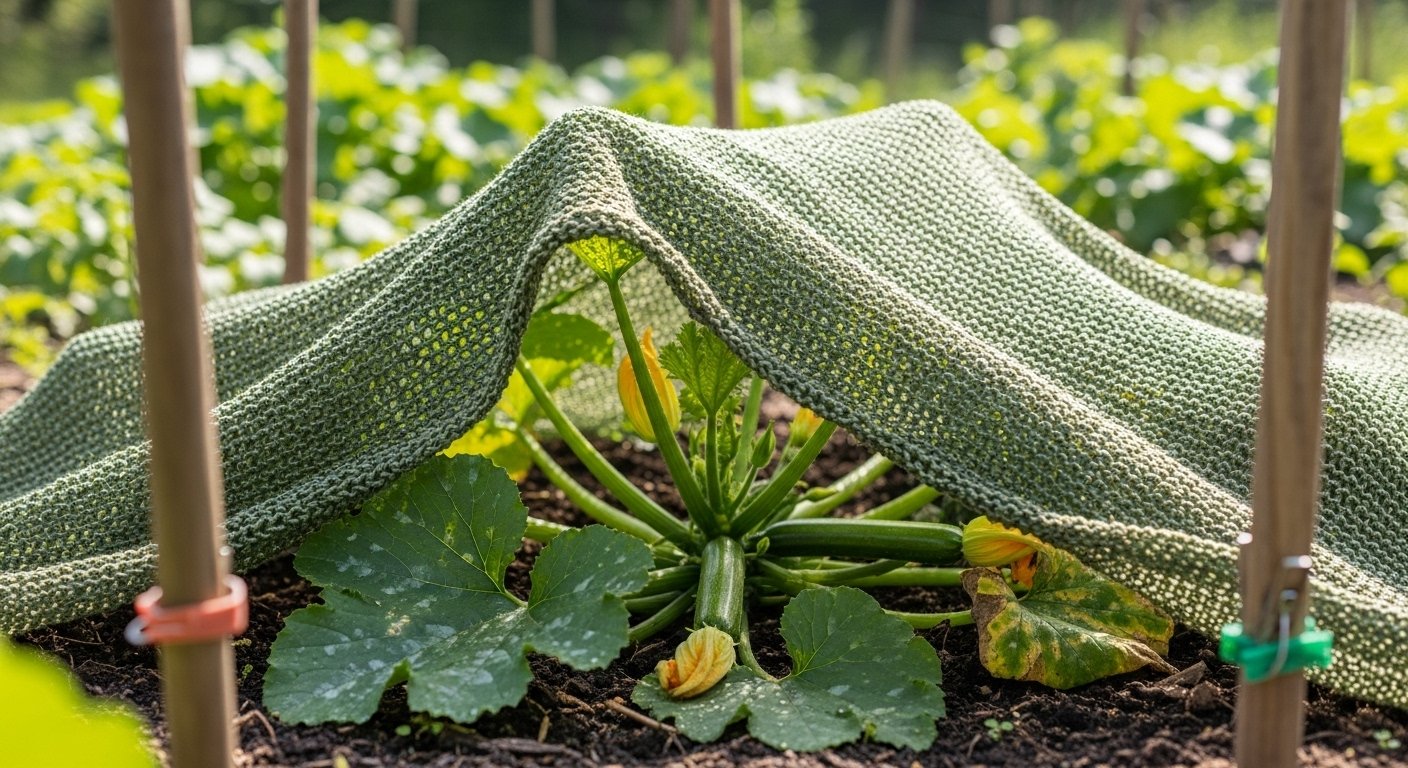
Using shade cloth for zucchini can make a noticeable difference in the health and productivity of your vegetable garden, especially during scorching summer days. Shade cloth is a specially designed, woven or knitted fabric that gardeners use to filter sunlight and reduce direct sun exposure on plants. By draping shade cloth over zucchini beds or frames, you protect tender leaves and fruits from intense rays, which can cause sunscald, wilting, and overall plant stress.
The Benefits of Shade Cloth in Vegetable Gardening
The advantages of shade cloth go far beyond just blocking sunlight. One of the most important benefits is temperature regulation—by reducing heat and sun intensity, it helps keep soil and air temperatures lower around your zucchini plants. This is crucial in hot climates or during unexpected heatwaves, where high temperatures can halt fruit production, cause flowers to drop, and even damage the crop. Shade cloth can also help maintain consistent moisture levels by minimizing rapid evaporation, which is especially useful if you’re growing zucchini during drought conditions or relying on limited irrigation.
When and Why to Use Shade Cloth
Gardeners often use shade cloth for zucchini in regions with blazing sun, but it’s just as helpful for other delicate or heat-sensitive crops like lettuce, spinach, or young seedlings. If you’ve struggled with zucchinis getting sunburned or wilting midday, temporary shade can be a game-changer—especially once summer temperatures soar above 90°F (32°C). Even experienced gardeners in moderate climates may pull out the shade cloth during heat spikes or when establishing new transplants.
By incorporating shade cloth, you give your zucchini the protection and gentler microclimate they need to thrive, helping ensure bigger harvests and healthier plants all season long.
Types of Shade Cloth and Material Options
When choosing shade cloth for your garden, patio, or greenhouse, understanding the material and construction is key to finding the best fit. The most common type is polyethylene, which is lightweight, highly durable, and designed to resist UV rays.
Within polyethylene options, you’ll find knitted and woven fabrics:
- Knitted shade cloth offers better stretch, resists fraying, and generally allows more airflow, making it great for areas that need ventilation.
- Woven fabric is a bit sturdier and delivers higher UV protection but can be less breathable, which isn’t ideal for every plant.
Both types last several years outdoors, but knitted fabrics are often easier to install due to their flexibility.
If environmental impact is a concern, look for shade cloth made from recycled plastics or even organic fibers like cotton. Keep in mind, though, that organic materials tend to degrade faster and may not withstand constant outdoor exposure.
Commercial-grade shade cloth, designed for nurseries and large-scale agriculture, boasts the thickest build and best UV performance but can be pricier and less visually appealing for home projects.
When deciding, consider your priorities:
- If you want a quick, eco-friendly solution for light shading, organic or recycled fabrics could suffice.
- For long-term, high-protection projects, commercial-grade or heavyweight polyethylene shade cloth is the safest bet.
Always check product ratings for UV resistance and airflow to match your specific climate and plant needs.
Understanding Shade Cloth Density and Light Needs
Shade cloth density, often listed as a percentage, indicates how much sunlight the fabric blocks, directly affecting the health and growth of your garden plants. For example, a 30% shade cloth filters out 30% of light, letting 70% through—ideal for sun-loving vegetables like tomatoes, peppers, and squash in milder climates.
On the other hand, a 50% shade cloth works well for leafy greens such as lettuce, spinach, and herbs—especially in areas where the midday sun can get intense and potentially scorch tender leaves. In very hot or arid climates, a 70% shade cloth provides crucial protection for delicate crops and seedlings by reducing heat stress and moisture loss. Just remember, too much shade can slow growth or lead to leggy, weak plants.
To choose the right density, consider your local weather conditions: if summers are mild, go lighter; if heatwaves are common, opt for more coverage. Try experimenting with a small patch first to see how your plants respond before covering your entire bed.
For added flexibility, you can secure shade cloths with clips or stakes, making them easy to adjust or remove as the season changes. Understanding these simple guidelines will help you strike the perfect balance between sun and shade, keeping your vegetable garden productive all summer long.
Practical Ways to Use Shade Cloth in Your Garden
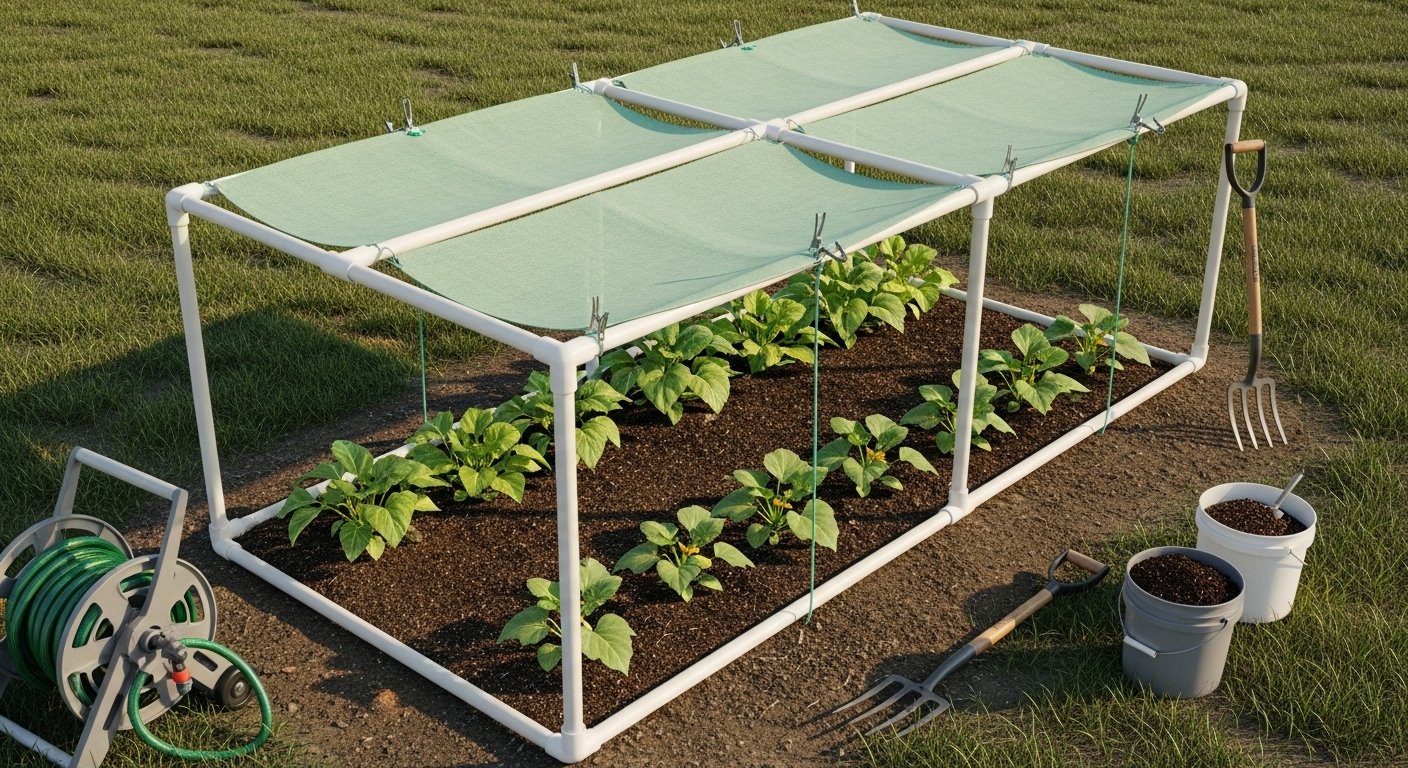
Shade cloth is a versatile tool that can make a big difference in gardens of all sizes, from small home plots to larger urban gardening spaces. One of the most common uses is draping shade cloth over raised beds to protect delicate plants from harsh midday sun. Simply attach the cloth to hoops or stakes using garden clips or zip ties for a quick setup.
In greenhouses, you can hang shade cloth either inside or over the roof to regulate temperature, shielding seedlings or sensitive crops. For creative uses, consider constructing movable row covers with lightweight PVC frames to provide shade exactly where it’s needed, or stretch cloth over an outdoor patio to create a cooler gathering spot or a sun-safe play area for kids.
When installing, always position the shade cloth so it blocks the sun during the hottest part of the day, usually from the south or west. For a temporary setup, use bungee cords, clips, or twine so you can easily remove or adjust the cloth as plants grow or seasons change. For a more permanent installation, secure the edges with sturdy fasteners to fences, posts, or greenhouse frames.
Urban gardeners can also use shade cloth vertically along balconies or fences to create privacy while protecting potted plants from intense sunlight.
Whichever method you choose, be sure to leave some space between the shade cloth and plants to promote airflow and prevent overheating. With a little planning, shade cloth can help create a healthier, more productive growing environment in almost any space.
Best Practices: Caring for and Maintaining Shade Cloth
Proper care and maintenance of shade cloth can significantly extend its lifespan and keep it performing at its best. Start by giving your shade cloth a good clean at least once a season: remove it from its frame and hose it down to get rid of dust, pollen, and debris. For tougher stains, use a soft brush and mild soapy water, avoiding harsh chemicals or high-pressure washers that can weaken the fabric.
Always let the cloth dry completely before storing to prevent mold or mildew. When not in use, roll—don’t fold—the shade cloth to avoid crease lines, storing it in a cool, dry place away from direct sunlight or rodents.
Inspect the cloth regularly for tears, frayed edges, or broken seams, especially after high winds or storms. Small holes can be patched with repair tape designed for outdoor fabrics, but if you notice widespread damage or thinning areas, it’s time to consider replacing it.
Avoid common mistakes like leaving the cloth up during the off-season, which exposes it to unnecessary sun and weather, using abrasive cleaning tools, or storing it while still damp. Taking these simple steps ensures your shade cloth stays strong and delivers reliable protection year after year.
Frequently Asked Questions About Vegetable Garden Shade Cloth
Many gardeners wonder if using shade cloth means giving up sun-loving veggies like tomatoes or peppers, but that’s not always the case. Choosing a light-grade cloth (such as 30% shade) can protect tender plants from harsh midday rays while still allowing enough sun for fruiting crops.
Some worry that shade cloth will reduce yields, but for leafy greens or heat-sensitive crops, it can actually extend the growing season and improve harvests by reducing sunburn and wilting.
A common myth is that shade cloth blocks pollinators. However, pollinators can still access your plants as long as the cloth doesn’t rest directly on the blossoms. Using supports or hoops to create space helps keep pollinators happy.
If cost is a concern, remember that even affordable or repurposed materials can provide effective shade—you don’t need expensive specialty cloth to see benefits.
Concerns about sagging or wind damage are common for beginners. You can solve these issues by securing the cloth with clamps and sturdy stakes, or by rolling up the sides on cooler, cloudy days to prevent overheating.
Ultimately, not every garden needs shade cloth, but if your summers are intensely hot or your crops bolt prematurely, it’s a low-effort tool worth considering.