Introduction
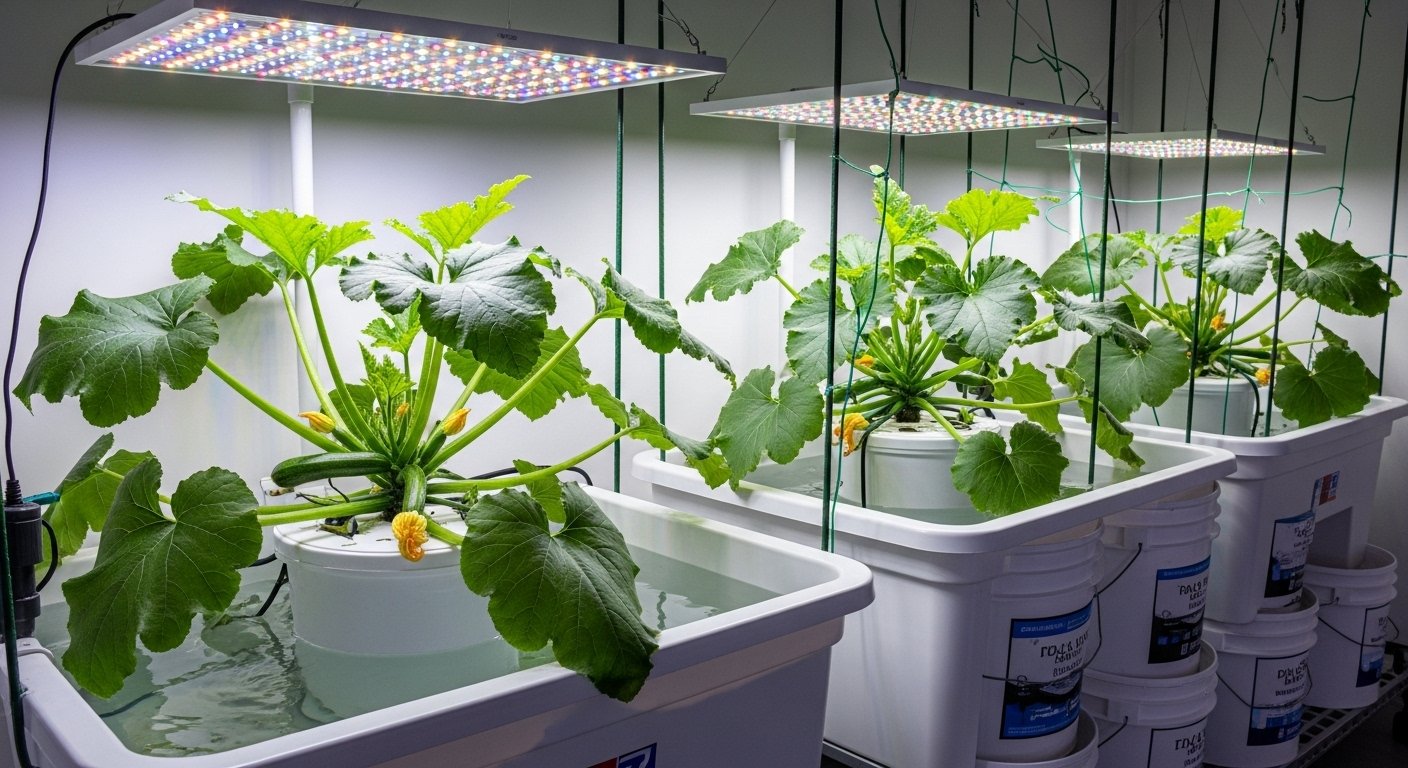
Hydroponic zucchini is quickly becoming a favorite among gardening enthusiasts looking for a way to grow fresh vegetables without the need for traditional soil beds. Hydroponic gardening lets you nurture plants using just water, nutrients, and controlled conditions, making it easier to enjoy a bountiful harvest even in small spaces or indoors.
Zucchini is particularly well-suited to hydroponic systems because of its rapid growth rate, prolific yields, and efficient use of space compared to other garden staples. Imagine picking crisp, homegrown zucchini right from your kitchen or balcony—no dirt required!
In this guide, we’ll explain how hydroponic systems work, why zucchini thrives in these setups, and what you need to get started. You’ll also discover top tips for supporting healthy plants, common mistakes to avoid, and how to enjoy a steady stream of delicious zucchini all season long.
Choosing the Best Zucchini Varieties for Hydroponics
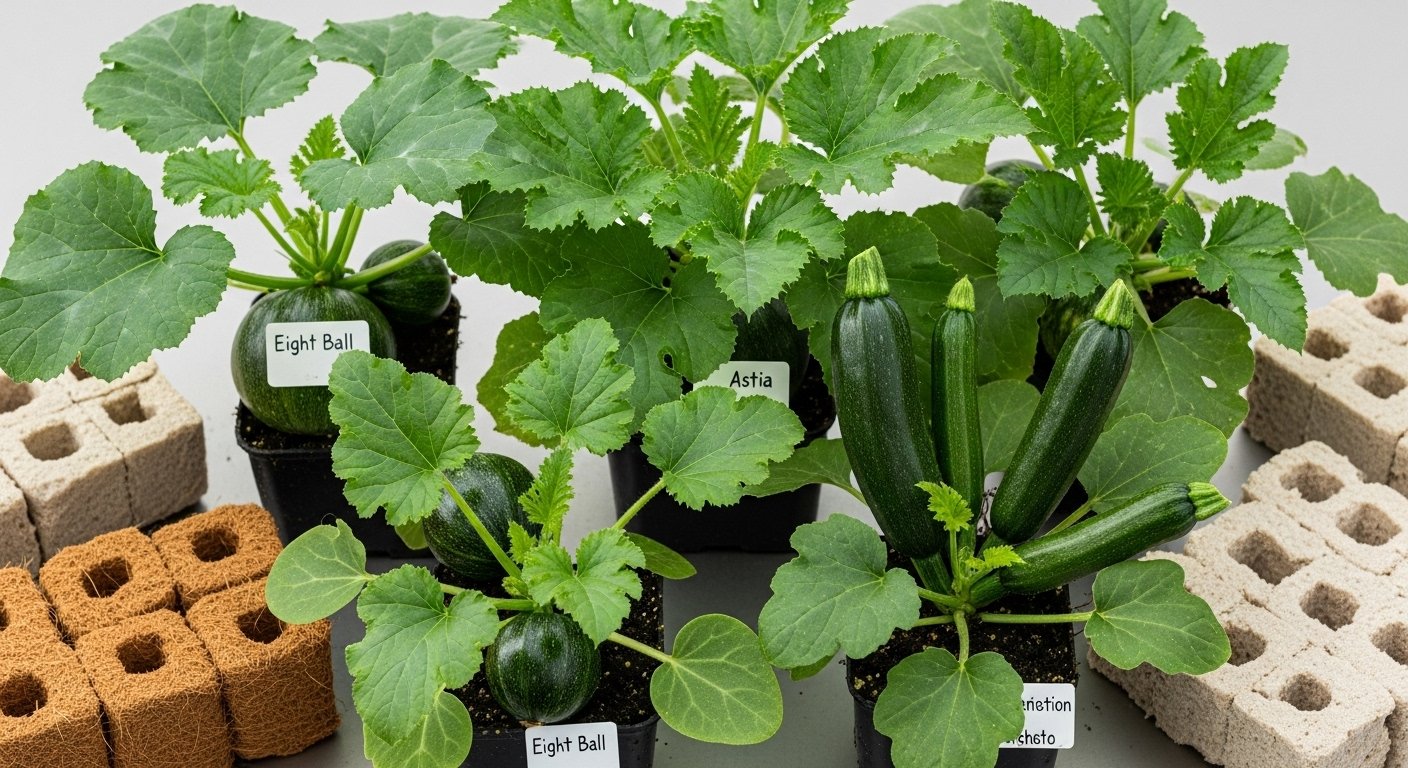
When selecting zucchini varieties for hydroponic systems, it’s smart to focus on compact or bush types that won’t overrun your growing space. Unlike sprawling vining varieties, bush zucchinis like ‘Raven,’ ‘Eight Ball,’ or ‘Black Beauty’ stay manageable in containers and produce an impressive yield.
The ‘Eight Ball’ variety is especially popular among hydroponic gardeners because of its round shape and small footprint, making it perfect for tight setups. For even tighter spaces, consider ‘Astia,’ a French bush-type bred specifically for patio and container growing—it thrives in hydroponic conditions and is prolific.
To get the best results, always source high-quality seeds from reputable suppliers. Look for companies with strong customer reviews and a focus on disease-resistant strains. Experimenting with starter plants or clones from a local nursery can also save time and help you avoid early germination issues.
No matter your source, choose seeds labeled as non-GMO and organically grown when possible for better plant health and sustainability. Ultimately, investing a little extra effort into finding the right zucchini variety pays off with robust plants, fewer headaches, and bountiful harvests in your hydroponic garden.
Setting Up Your Hydroponic Zucchini System
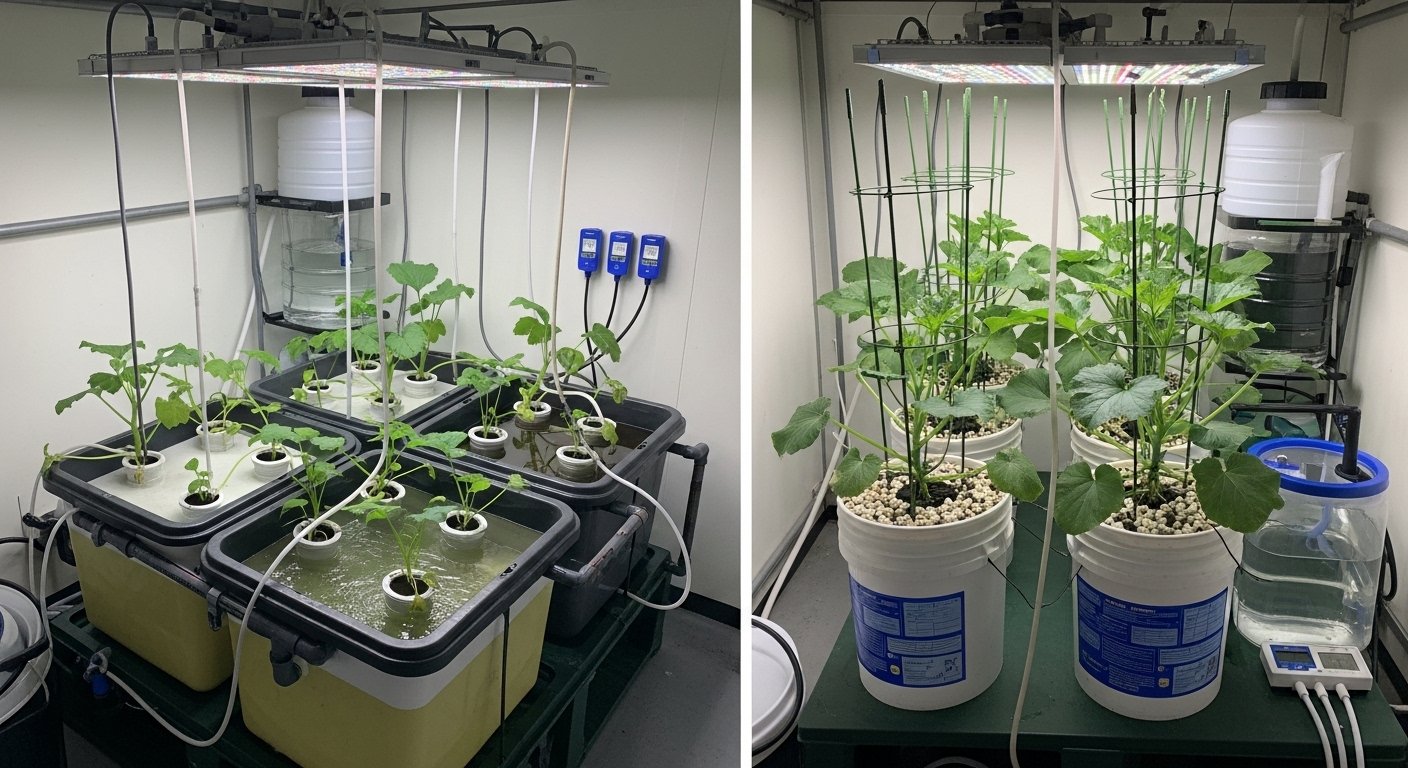
When starting a hydroponic zucchini garden, choosing the right system lays the foundation for healthy plants and impressive yields. Two top options are deep water culture (DWC) and Dutch bucket systems.
DWC immerses plant roots in oxygen-rich, nutrient-laden water—ideal for small spaces and beginners with just a few plants. Dutch buckets, on the other hand, use larger containers filled with an inert medium like perlite or coco coir, making them well-suited for sprawling zucchini vines and providing more room for root development.
Either system requires sturdy containers or buckets with proper drainage to prevent root rot. Since zucchini plants can get heavy and sprawling, support structures such as trellises or stakes are crucial to keep stems upright and the fruit off the ground.
For growing mediums, lightweight options like expanded clay pellets or perlite work well by retaining moisture while allowing oxygen flow. Zucchini thrives in warm conditions—aim for temperatures between 70–80°F (21–27°C) and keep humidity moderate to deter fungal issues.
Each plant should have at least 18–24 inches of spacing to avoid crowding and ensure good airflow. Grow lights are essential if you lack direct sunlight; LED fixtures providing 12–14 hours of light daily encourage robust growth.
Monitoring and adjusting these basics can mean the difference between a struggling crop and a hydroponic harvest that rivals any outdoor garden.
Starting and Propagating Hydroponic Zucchini
To start hydroponic zucchini, begin by germinating seeds in rockwool cubes or starter plugs soaked in clean, pH-balanced water (between 5.5 and 6.5). Place one seed per cube and keep them warm and moist—ideally, use a humidity dome to maintain a steady environment. You’ll see sprouts within a week.
If you prefer clones, snip a healthy stem from an established zucchini plant, trim the lower leaves, dip the cut end in rooting hormone, and insert it into a moist starter plug or rapid rooter.
For both seeds and clones, ensure plenty of gentle light early on; a small grow light works better than a sunny window since it reduces stretching.
When the roots fill the plug and you see two to three true leaves, carefully transplant seedlings into your hydroponic system, making sure not to disturb the young roots. Nutrient solution should be mild at first (around a quarter-strength hydroponic veg formula), and avoid overwatering—zucchini roots need both moisture and oxygen to prevent issues like damping-off.
Use fans for airflow and avoid crowding plants to discourage disease.
Common mistakes include:
- Planting seeds too deep
- Letting cubes dry out
- Using dirty tools
- Jumping to strong nutrients too fast
Focus on gentle handling and cleanliness for the best start.
Nutrient and Maintenance Needs
Successful hydroponic zucchini cultivation starts with balancing your water to an ideal pH range of 5.8 to 6.2, creating the best environment for nutrient uptake. Key nutrients include nitrogen for leafy growth during the vegetative stage, along with plenty of potassium and phosphorus to support flowering and fruiting. Calcium and magnesium are also essential for strong cell development and overall plant health.
Using a quality, complete hydroponic nutrient solution tailored for fruiting vegetables is a reliable way to meet these needs. Just remember to check nutrient labels and rotate fresh solution regularly to prevent deficiencies or buildup.
Consistent maintenance is crucial:
- Test the pH at least every other day with a reliable meter, making small adjustments as needed.
- Check water reservoirs daily, topping up with fresh, pH-balanced water to compensate for evaporation and plant transpiration. This is especially important as your zucchini enters its rapid vegetative growth, since plants may take up more water than expected. Running dry will stress the crop.
As plants transition into flowering, slightly reduce nitrogen and increase potassium and phosphorus levels to encourage healthy blooms and fruit development.
System cleaning is another must to prevent algae and salt buildup. Flush pumps, tubing, and tanks every couple of weeks with a light hydrogen peroxide solution or a commercial hydroponic cleaner, making sure to rinse thoroughly before replanting.
By keeping on top of these simple but essential tasks, you can avoid common issues and support robust yields through every phase of zucchini growth.
Maximizing Yields: Pollination, Pests, and Harvest
Maximizing your indoor hydroponic zucchini yields starts with successful pollination. Since there are fewer natural pollinators indoors, hand pollination is essential. Each zucchini plant produces male and female flowers; female flowers have a small fruit at the base, while male flowers do not.
For effective hand pollination, use a small artist’s paintbrush or cotton swab to gently transfer pollen from the male flower’s stamen to the female flower’s stigma early in the morning when the flowers are open. Repeat this daily for the best results.
Next, watch for common pests like aphids and spider mites. These tiny invaders can sneak into even well-maintained systems. Regularly inspect the undersides of leaves, and if needed, use insecticidal soap or introduce beneficial insects like ladybugs.
Prevent mold and root rot by keeping humidity in check and ensuring good airflow around the plants. Promptly remove any yellowing or diseased leaves to stop the spread.
As your zucchinis mature, look for signs they’re ready to harvest:
- The ideal fruit is about 6 to 8 inches long.
- It has glossy, firm skin.
- It is easy to cut.
Don’t wait too long—oversized zucchinis can become tough and seedy. Use a sharp, clean knife or pruning shears to cut the stem about an inch above the fruit to avoid damaging the plant. Prompt and careful harvesting encourages more production and ensures you enjoy tender, flavorful zucchinis throughout your growing season.
Troubleshooting and Tips for Continued Success
Growing anything—especially fruiting plants—comes with its share of hurdles, but knowing what to look for can make a world of difference. Nutrient deficiencies often show up as yellowing leaves or slow growth; regular soil testing and balanced fertilizing can help you catch problems early.
If pollination is lacking, use a small paintbrush to gently transfer pollen between flowers, or encourage bees by planting wildflowers nearby. Temperature swings can stress plants, so consider using row covers on cool nights and providing shade cloth during heatwaves.
Maintaining good garden hygiene—removing dead leaves and cleaning tools—reduces disease risk, while ensuring proper airflow around your plants keeps mold at bay. Training vines onto sturdy trellises saves space and encourages healthier growth.
Don’t be afraid to experiment with techniques like pruning or adjusting watering routines; every garden is unique, and small tweaks can pay off in robust harvests. Stay observant, keep learning from each season, and enjoy the journey of growing better every year.
Conclusion
Hydroponically grown zucchini offers faster growth, higher yields, and fewer pest issues compared to traditional gardening, making it a smart choice for both beginners and experienced growers. With the ability to control nutrients and water, you can enjoy fresh, homegrown zucchini year-round, even in small spaces.
Ready to give it a try? Start your hydroponic journey today and discover just how rewarding it can be. For more tips, check out our guides on setting up simple hydroponic systems and troubleshooting common hydroponic problems to help you get started with confidence.