Introduction
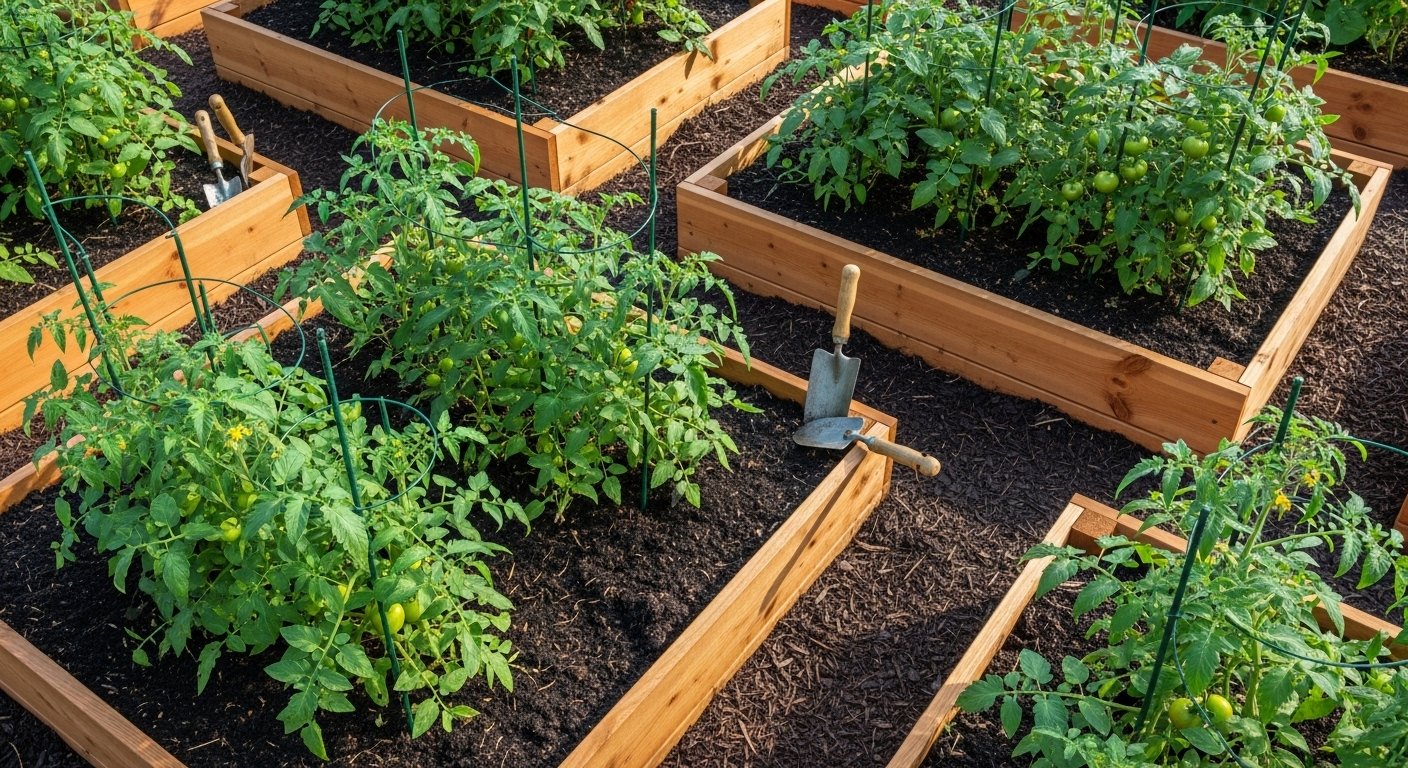
Tomatoes in raised beds are a game-changer for gardeners looking to boost both the health and yield of their crops. By elevating your tomato plants, you gain better control over soil quality, drainage, and temperature—key factors that lead to stronger plants and juicier fruits.
One aspect that often goes overlooked, though, is the importance of raised bed depth. Tomatoes develop deep root systems, and the space their roots have to spread directly affects not just how tall and lush your plants grow, but also how much fruit they’ll produce throughout the season.
If raised beds are too shallow, tomatoes can become stunted or more susceptible to pests and disease. On the other hand, an optimal depth allows roots to access water and nutrients efficiently, promoting resilience and abundance.
This post will explore how deep your beds really need to be for tomatoes to thrive, what influences the ideal depth (such as tomato variety and soil type), and practical tips for setting up a raised bed that sets your tomatoes up for success. Whether you’re a novice or a seasoned gardener, investing a bit of planning into bed depth can make all the difference come harvest time.
What Influences the Ideal Depth for Tomato Raised Beds?
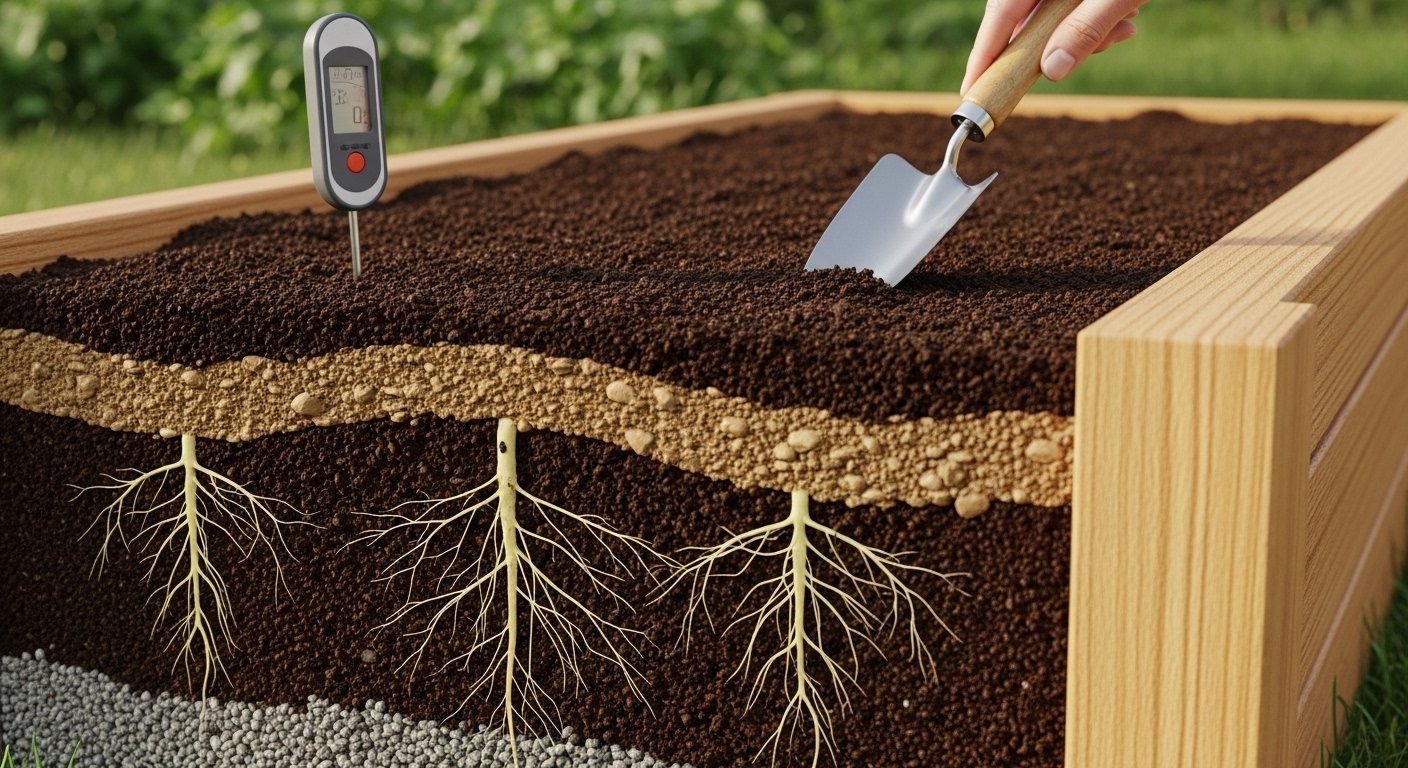
Tomatoes develop a robust root system that greatly influences how deep your raised beds should be. Unlike some shallow-rooted vegetables, tomato plants send down a central taproot that can reach several feet, complemented by a dense network of lateral roots spreading out near the surface.
To accommodate this, raised beds should ideally be 18 to 24 inches deep, giving roots ample room to anchor and access nutrients. However, depth alone isn’t enough—soil structure, drainage, and aeration play huge roles in your tomatoes’ success.
Loamy, crumbly soil with plenty of organic matter encourages roots to grow strong and deep, while excessive clay or compaction can stunt growth and lead to waterlogging or poor oxygenation. Incorporate compost and avoid walking on your beds to maintain good soil structure.
Also, keep in mind that local climate impacts water needs and root behavior:
- In hot, dry climates, deeper beds help maintain moisture and keep roots cool.
- In cooler, wet areas, raised beds improve drainage and warm soils faster in spring.
Tomato variety matters too; determinate types are typically more compact and may require less depth, while vigorous indeterminate varieties benefit from greater root space.
As a real-world tip, try inserting your finger or a small trowel to check soil moisture and texture at various depths to ensure the roots have the ideal environment for growth—if the soil crumbles, drains freely, and smells earthy, you’re on the right track.
Tailoring bed depth based on root habits, soil quality, climate, and variety ensures your tomato plants thrive and yield a bountiful harvest.
Recommended Depth for Raised Beds When Growing Tomatoes
When planning raised beds for tomatoes, getting the depth right is essential to support healthy root systems and maximize your harvest. Experts generally recommend a minimum raised bed depth of 12 inches, but aiming for 18 inches or more is ideal—especially if you’re willing to invest a bit more in soil and materials.
This extra room makes a significant difference for indeterminate tomato varieties, which are known for their vigorous growth and deep root structures. These plants will reward you with greater yields if their roots can stretch downward unrestricted.
For determinate types, which are bushier and have shorter growth cycles, a 12-inch bed might suffice, but deeper is always better for stability, moisture retention, and resilience during hot spells.
Shallow beds may dry out quickly, limiting root depth and leading to stressed plants that produce fewer, smaller fruits; you might have to water and fertilize more often, and the plants could topple during windstorms. On the other hand, deeper beds not only promote more robust root development but also help buffer against temperature swings and drought, reducing your maintenance workload.
However, it’s worth noting that deeper beds require a greater initial investment in high-quality soil, and if drainage isn’t carefully managed, waterlogged roots can become a problem.
In practice, many gardeners split the difference:
- Build beds at least 12 inches high for determinate tomatoes
- Go up to 18 or even 24 inches when growing large, productive indeterminate varieties
If you’re working with existing soil that’s compacted or poor, err on the side of extra depth—your tomatoes will thank you with healthier foliage and more tomatoes over the growing season.
For smaller spaces or limited resources, containers and 12-inch beds do work, but consider supplemental feeding and diligent watering to keep plants vigorous.
Ultimately, prioritizing depth pays off in healthier plants, larger harvests, and fewer headaches throughout the season.
Soil Preparation and Amendments

Creating the ideal soil environment for raised tomato beds is all about balancing texture, structure, and nutrients to promote healthy root development. Tomatoes thrive best in loamy, well-draining soil that feels crumbly and light to the touch—a mix that typically combines one part garden soil, one part compost, and one part coarse sand or coconut coir.
This blend ensures good aeration so roots aren’t waterlogged but still have access to the consistent moisture tomatoes need. Aim for a slightly acidic to neutral pH between 6.0 and 7.0, which helps tomatoes absorb nutrients efficiently.
Bed depth is also critical; at least 12-18 inches is ideal because deeper beds allow tomato roots to grow downward and outward, resulting in sturdier plants and bigger harvests. If your raised bed is shallow, roots might crowd near the surface, leading to stunted growth and vulnerability to temperature swings.
To boost your soil’s fertility and structure, mix in well-rotted compost or aged manure before planting. This provides a natural balance of nutrients and beneficial microbes, enriching your tomato plants from the ground up.
Organic amendments like worm castings, bone meal, and blood meal are excellent options to supplement key nutrients:
- Worm castings: deliver gentle nitrogen and microbial benefits;
- Bone meal: supplies phosphorus for strong root systems and flowering;
- Blood meal: offers a quick nitrogen boost if leaves are pale or yellowing.
If you’re seeking a simple fertilizing routine, sprinkle an all-purpose organic granular fertilizer into your planting holes and lightly work it into the top few inches of soil. As your tomato plants grow through the season, top-dress with more compost or use a diluted fish emulsion every few weeks to maintain soil health and a steady nutrient supply.
Remember, healthy soil equals healthy plants, and a little effort in preparing and amending your tomato bed now can make all the difference in summer’s bounty.
Building and Designing Your Raised Bed
When building a raised bed for tomatoes, start by choosing durable materials like cedar, redwood, or pressure-treated lumber, which resist rot and last for years. Thick, untreated pine can also work as a budget-friendly option, but expect to replace it sooner.
Aim for beds at least 12 inches deep because tomato roots need room to spread. Consider 16 or even 18 inches if you want extra root space, plan to grow bigger plants, or include companion plants like basil or marigolds. Higher beds also make it easier on your back and knees, which is especially important for children, seniors, or anyone with mobility concerns.
Fasten corners with sturdy screws or metal brackets for added stability, and double-check that the ground is level before assembling to prevent warping or shifting later.
While 12-inch beds are usually sufficient for tomatoes and economical to fill with soil, the extra investment in 16- or 18-inch depths pays off with healthier, more productive plants—especially in hot climates where roots benefit from cooler soil deeper down. If you’re pairing tomatoes with companion plants, plan for at least 18 inches to ensure everything has enough space.
Finally, line the bottom with hardware cloth if burrowing critters are an issue, and fill the bed with a rich, well-draining mix of compost, topsoil, and peat or coconut coir. Taking extra time to plan depth, materials, and layout now means your raised bed will stay sturdy and productive for many seasons.
Planting Tomatoes in Raised Beds
Planting tomatoes in raised beds is a straightforward process, but getting it right means tailoring your approach to the depth of your bed. If your raised bed is at least 12 to 18 inches deep (the ideal range for most tomato roots), dig holes deep enough to bury two-thirds of the stem. This encourages the plant to grow stronger roots along the buried portion, making it sturdier.
For shallower beds (around 8 inches), choose compact or bush tomato varieties and plant them slightly more upright since there’s less room for deep rooting.
When it comes to spacing, give each tomato plant about 18 to 24 inches of room. This spacing helps with airflow and reduces the risk of disease.
Right after planting, secure plants with stakes or cages to keep stems upright as they grow. Install supports at planting time to avoid disturbing roots later.
For the first watering, thoroughly soak the soil around each plant to help them settle in, but make sure your raised bed drains well so roots don’t sit in soggy soil. Mulching after you plant helps conserve moisture and control weeds.
Remember: in shallow beds, check soil moisture more frequently since it can dry out faster.
By adjusting planting depth, variety, and support based on your bed’s size, you’ll set your tomatoes up for a productive, healthy season.
Common Challenges and Solutions in Shallow or Deep Raised Beds
One of the most common challenges with shallow raised beds is root restriction—plants like tomatoes or carrots often can’t reach their full potential if the bed is less than 8–12 inches deep. This can result in poor yields and stunted growth, as roots struggle to find enough nutrients and moisture, especially during hot spells when water evaporates quickly from the thin layer of soil.
To address this, consider adding another tier to your existing frame or double digging beneath the bed to loosen the soil below, giving roots extra depth without rebuilding the whole structure. Water stress is another frequent issue in shallow beds; installing a soaker hose or adding a layer of organic mulch can help the soil retain moisture and reduce the need for constant hand-watering.
On the flip side, very deep raised beds—think more than 18–24 inches—come with their own challenges, such as uneven soil settling and complex moisture control. Settling is natural as the soil compresses and organic matter breaks down, but you can minimize dips and unevenness by filling deep beds in layers: start with coarse woody material or straw at the bottom, then add richer topsoil and compost. This method improves drainage and helps keep the bed from sinking out of shape.
For moisture management in tall beds, ensure proper drainage—make sure your bed is on level ground, or consider adding perforated pipes or gravel at the base to prevent waterlogging. Deep beds may dry out faster at the surface, even if the lower layers remain moist, so test moisture a few inches down by sticking your finger into the soil before watering.
By matching bed depth to crop needs and implementing these simple fixes, you can avoid common pitfalls and keep your garden thriving.
Conclusion & Key Takeaways
Choosing the right raised bed depth is a crucial step for successful tomato gardening, as it directly affects root growth, moisture retention, and overall plant health. For most tomato varieties, a minimum raised bed depth of 12 to 18 inches provides enough space for strong root systems. Going a bit deeper—up to 24 inches—can offer extra support and make soil management easier.
When planning your raised bed, use high-quality, well-draining soil and add compost to boost nutrient levels. Water deeply to encourage roots to grow downward, avoiding shallow watering that can stress the plants. Be sure to provide sturdy stakes or cages early in the season, as tomatoes quickly outgrow their supports. Space plants generously to allow good air circulation, which helps prevent disease.
While these guidelines work for many gardeners, your climate, tomato variety, and available space may influence what works best for you. Don’t hesitate to experiment with different raised bed depths and setups. Tracking your results year after year will help you fine-tune your approach, ensuring healthier, more productive tomatoes season after season.