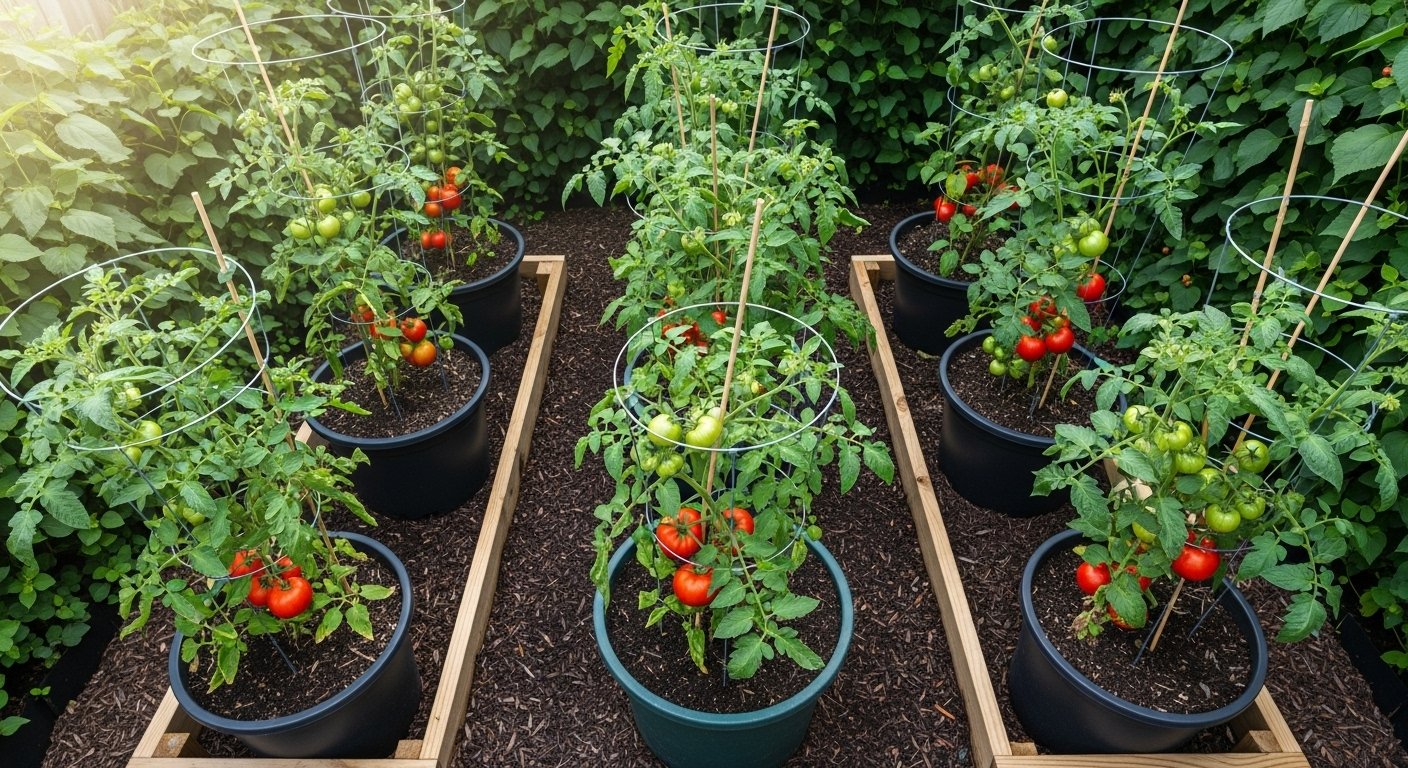
Why Tomato Spacing Matters
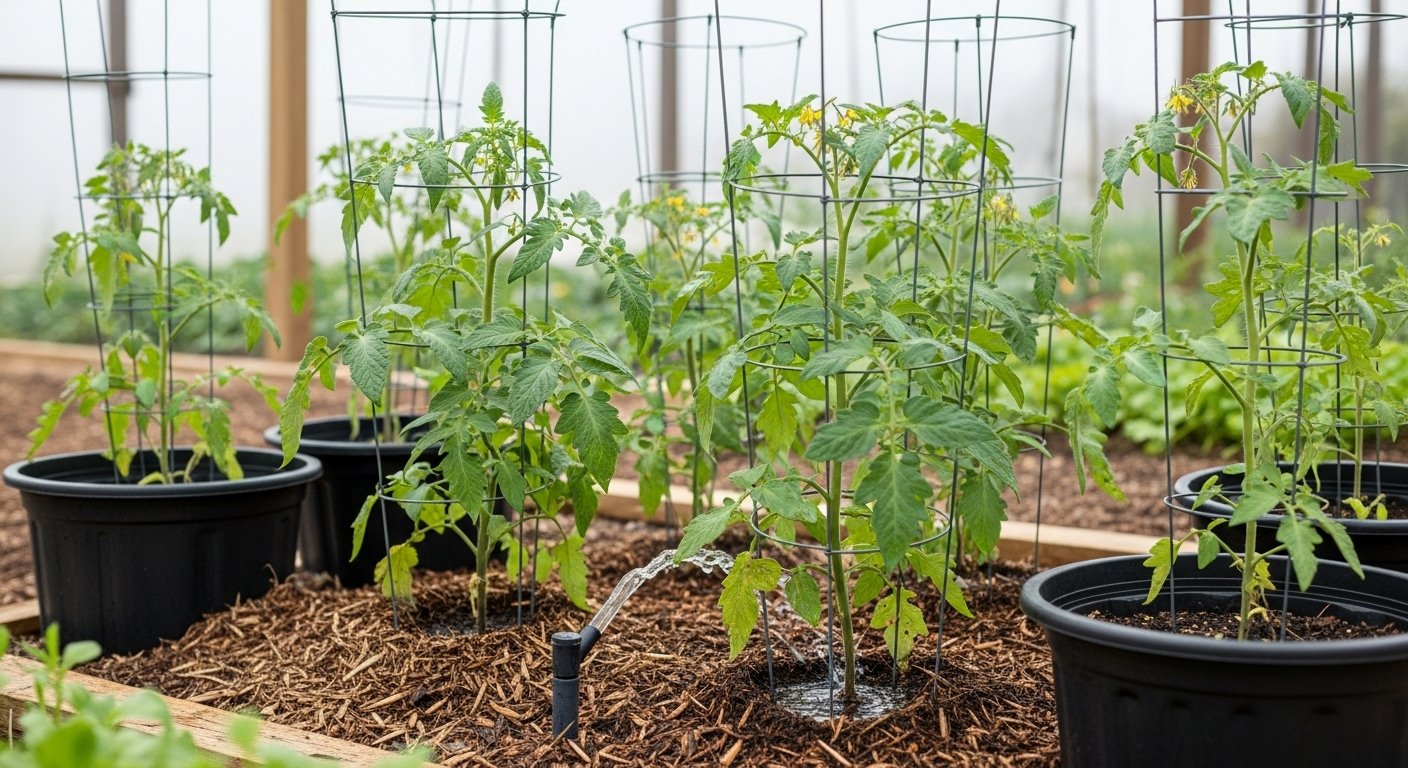
Setting up a tomato layout in a small space might feel like a challenging puzzle, but with the right approach, you can maximize both the health and productivity of your plants. Using the correct tomato layout for small space gardens is more than just fitting everything in—it’s about giving each plant the room it needs to flourish.
Proper spacing is essential for healthy tomato plants because overcrowding quickly leads to a cascade of problems. Without enough space, tomato leaves and stems become tangled, trapping humidity and creating a perfect environment for diseases like blight and mildew to spread. Air circulation suffers, meaning plants stay wetter for longer after rain or watering, which increases the risk of infection. Plus, closely packed plants often compete for water and nutrients, resulting in weaker growth and smaller fruit.
Spacing matters just as much for your gardening experience as it does for your tomatoes. When each plant has enough room, sunlight reaches more leaves, boosting photosynthesis and leading to sturdier stems and larger yields. Maintenance also becomes much easier; with clear pathways and visible spaces between plants, you can prune, stake, water, and harvest without stepping on vines or missing ripe fruit.
For example, vertical gardening with cages or trellises is an excellent small space tomato layout solution—it ensures upright growth and allows more air and light to reach every plant. Even in tight urban balconies or patios, strategic placement—such as staggered rows or raised containers—can achieve ideal spacing.
Ultimately, a well-planned tomato layout translates to robust, high-producing tomatoes with fewer pests and diseases. Whether you’re an experienced gardener or a beginner with just a few pots, careful spacing is the secret to a thriving tomato harvest in even the smallest spaces.
Different Types of Tomatoes and Their Spacing Needs
When planning your tomato garden, understanding the difference between determinate and indeterminate varieties is key for healthy plants and high yields. Determinate tomatoes (also called “bush” types) grow to a set height, produce fruit in a short window, and then stop growing—think Roma, Celebrity, or Patio tomatoes. These compact plants do well with less space, usually needing about 18 to 24 inches between each plant.
In contrast, indeterminate tomatoes (the “vining” types) like Beefsteak, Brandywine, and Sun Gold continue growing and producing fruit all season long, reaching heights of 6 feet or more. They need more room to spread and are best spaced 24 to 36 inches apart. Cherry tomatoes, which can be either type, also benefit from generous spacing for better airflow and access to sunlight.
Here’s a quick reference for spacing some common varieties:
- Roma (determinate): 18-24 inches apart
- Cherry tomatoes (varies): 24-36 inches apart
- Beefsteak (indeterminate): 24-36 inches apart
- Celebrity (determinate): 18-24 inches apart
- Brandywine (indeterminate): 24-36 inches apart
Allow at least 3 feet between rows for easy access and air circulation. Giving your tomatoes the right amount of space helps prevent diseases and encourages a more abundant harvest. If you’re planting in containers, choose determinate varieties for small spaces, and make sure each plant gets its own pot at least 18 inches wide.
Spacing Tomatoes: In the Ground vs. Containers
When planting tomatoes directly in garden beds, give each plant plenty of room to thrive—generally 18 to 24 inches apart for determinate (bush) varieties and 24 to 36 inches apart for indeterminate (vining) types. This spacing allows for good air circulation, reduces disease risk, and gives the vines space to spread.
In more compact container settings, you need to be even more mindful: choose a pot that holds at least 5 gallons of soil for a single tomato plant, and avoid crowding by planting only one per container. Tomatoes in containers tend to dry out faster and need consistent watering, while roots may become cramped if the container is too small, stunting growth and yield.
If your garden space is limited or you’re working on a balcony, select compact or dwarf tomato varieties for containers and use self-watering pots to help maintain consistent moisture levels. In-ground tomato beds may face more weed pressure, so mulch can help suppress weeds and retain soil moisture.
For both methods, stake or cage your tomatoes at the time of planting to provide needed support as they grow.
Remember: whether in the ground or in pots, good spacing and attentive care will set you up for a healthy, bountiful tomato harvest.
How to Plant Tomatoes Properly for Healthy Growth
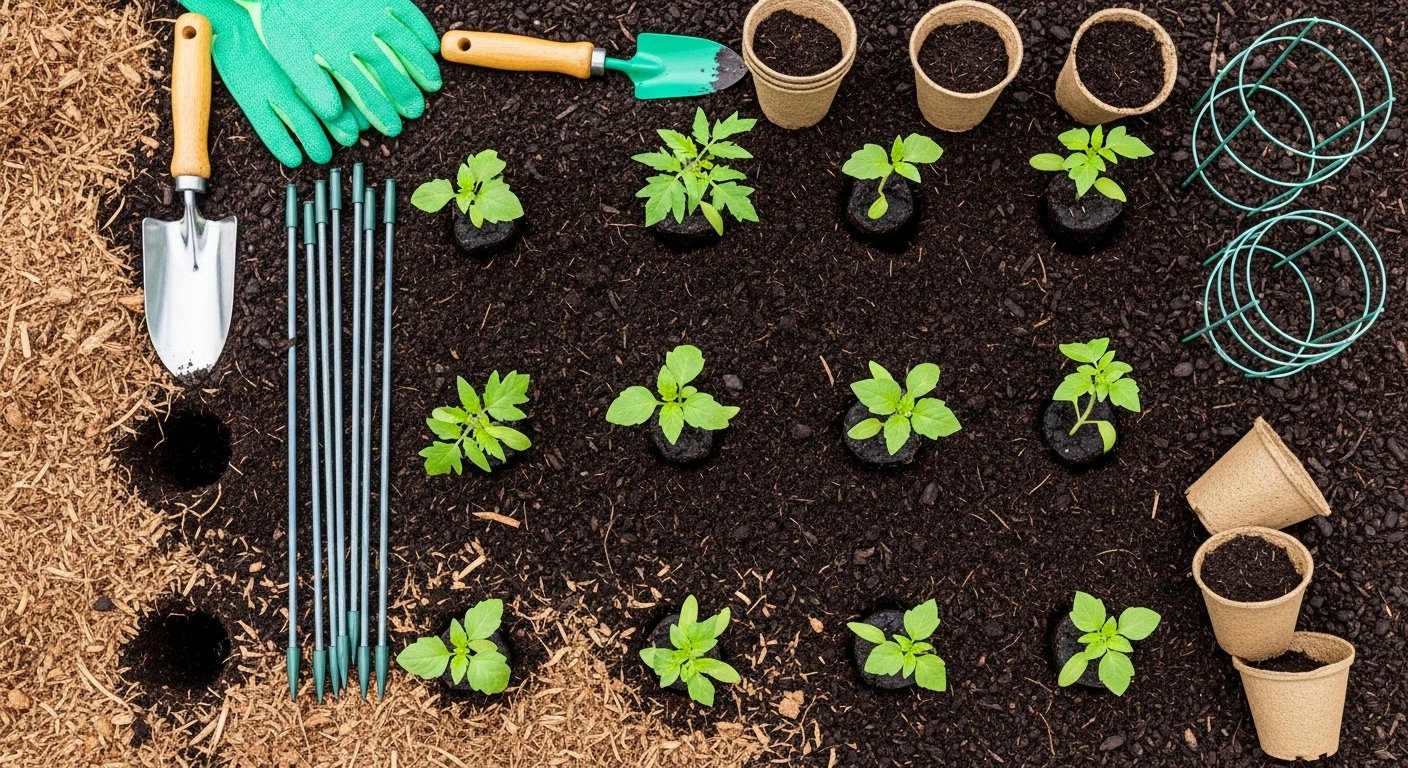
Planting tomatoes the right way starts with choosing a sunny spot and preparing your soil; work in compost or aged manure for rich, well-draining ground—tomatoes feed heavily, so don’t skip this step.
Dig holes about twice the size of your seedlings, and plant each tomato deep; pinch off the lower leaves and bury the stem up to the first set of healthy leaves. New roots will form along this buried stem, resulting in a stronger plant.
Space determinate (bush) varieties about 18-24 inches apart and indeterminate (vining) types 24-36 inches apart to keep good airflow, which reduces disease. When setting up rows, leave about three feet between them to make watering, weeding, and harvesting easier.
Before planting, decide whether you’ll use cages, stakes, or trellises—installing supports at planting time avoids disturbing the roots later.
- Stakes should stand a foot or two behind the plant.
- Cages should be centered over the seedling.
These supports help keep foliage and fruit off the ground, improving air circulation and reducing the risk of rot or pests.
Use mulch after planting to maintain steady soil moisture and suppress weeds. Lastly, water deeply at the base of plants and avoid overhead watering to prevent leaf diseases.
These careful planting methods encourage deep roots, sturdy growth, and plentiful, healthy tomatoes all summer long.
Warning Signs of Poor Spacing (Too Close or Too Far)
Recognizing the warning signs of poor tomato plant spacing is crucial for a productive harvest. Overcrowded tomatoes often compete for sunlight, nutrients, and airflow, leading to leggy growth as plants stretch toward available light. You may notice yellowing lower leaves, increased susceptibility to diseases like leaf spots, and a disappointing number of flowers and fruits.
When plants are packed too tightly, they create a humid microclimate that’s perfect for fungal issues, and fruits may be small or poorly formed. On the flip side, spacing your tomatoes too far apart has drawbacks as well. Underutilized garden space allows weeds to move in quickly, competing for water and nutrients, while the increased distance can make it harder for pollinating insects to move efficiently from flower to flower. This sometimes results in fewer fruits per plant.
If you spot these symptoms, don’t hesitate to thin seedlings early—gently transplant crowded plants to new spots. For mature plants, selective pruning can help improve airflow.
As a general rule:
- Determinate tomatoes do well with 18–24 inches between plants
- Indeterminate varieties need 24–36 inches
Using a garden stake or cage can also help make the most of the available space. Periodically walk your garden, and if you notice problems, don’t be afraid to adjust planting distances next season for healthier, more productive tomatoes.
Pro Tips for Maximizing Yield and Healthy Plants
To get the most out of your tomato plants, focus on a few key care techniques that promote both healthy growth and top yields.
Pruning is essential—remove lower leaves that touch the soil to reduce disease risk and direct energy toward fruit production.
Mulching around the base of your plants helps lock in moisture, suppress weeds, and maintain consistent soil temperatures, all of which keep your tomatoes happy and stress-free.
Fertilize regularly with a balanced or tomato-specific fertilizer, following label directions to avoid overfeeding, which can actually harm your harvest.
Watch your spacing; crowded plants invite pests and disease, so thin out any branches that cross over or compete for space and gently tie up sprawling vines to stakes or cages to boost airflow and sun exposure.
Don’t forget to monitor your patch regularly for signs of trouble like discolored leaves, wilting, or pests—catching issues early can save your crop.
If you’re eager to dive deeper, great resources like your local extension office, expert gardening sites such as the Royal Horticultural Society, and practical YouTube channels like Epic Gardening can all help you master the art of growing tomatoes season after season.