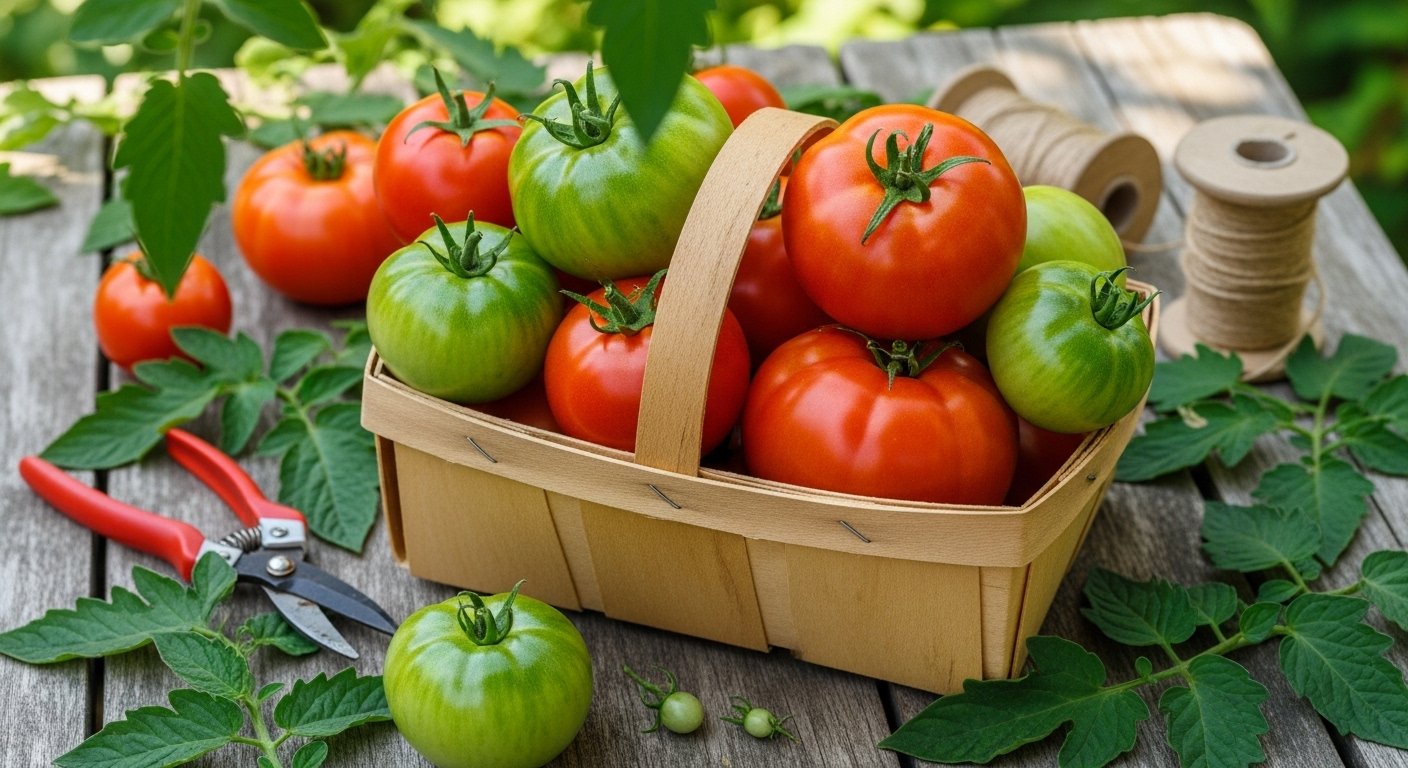
Understanding Tomato Ripening
If you’ve ever wondered whether you can ripen tomatoes indoors, you’re not alone—many gardeners and home cooks find themselves staring at a basket of firm green tomatoes as the weather cools. Understanding how tomatoes ripen is the first step to success. Tomato ripening is a fascinating biological process that transforms firm, green fruit into soft, juicy, and flavor-packed gems.
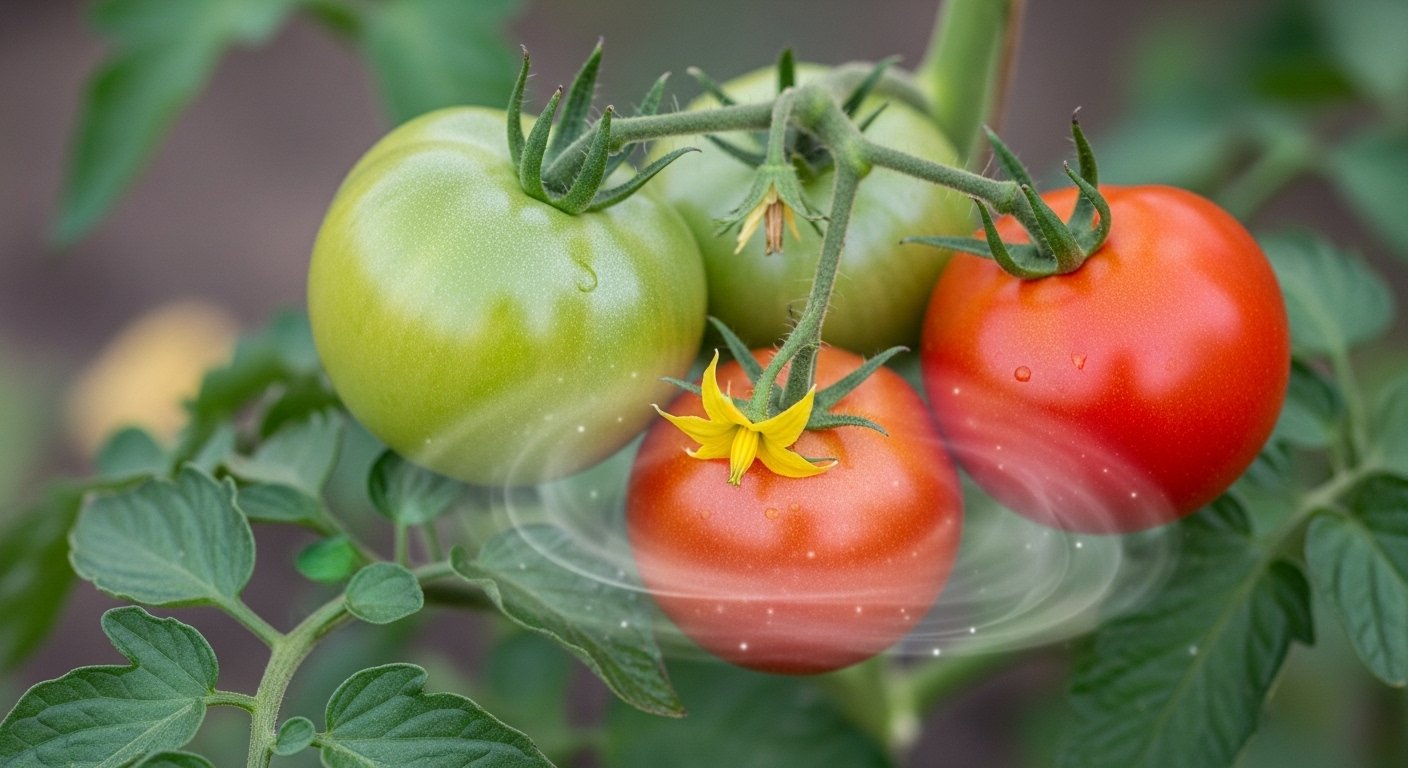
This journey starts with the mature green stage, when the tomato reaches full size but is still hard and immobile on the vine. From there, the breaker stage kicks in: you’ll spot the first blush of color—usually near the blossom end—signaling the start of ripening.
In nature and indoors, tomatoes rely on ethylene gas—a natural plant hormone—to trigger and accelerate this transformation. As a tomato emits ethylene, its skin color shifts from green to yellow, orange, and eventually vibrant red (or other mature hues, depending on the variety). With ethylene, enzymes break down chlorophyll, revealing carotenoids like lycopene and beta-carotene, responsible for those classic sunset shades.
Alongside color, texture changes become apparent. Green tomatoes feel firm, but as ripening continues, the fruit softens, losing its rigid structure and taking on a slight give when gently squeezed.
Environmental factors impact indoor ripening, too. Moderate temperatures between 65-75°F (18-24°C) ensure the process runs smoothly—avoid extreme cold, which halts ripening, or excessive heat, which can lead to uneven color and mushiness.
Contrary to common belief, light isn’t necessary once tomatoes begin to ripen; the process is driven by ethylene and doesn’t rely on photosynthesis. Instead, look for visual cues: changing coloration, a subtle fruity aroma, and softer texture signal a tomato’s readiness.
With a little patience, you can ripen tomatoes indoors and enjoy garden-fresh flavor long after the growing season ends.
Factors That Affect Tomato Ripening
Several factors influence how quickly and evenly your tomatoes ripen, starting with the variety you plant. Indeterminate tomatoes, which keep growing and setting fruit all season, tend to ripen their tomatoes gradually over several weeks. In contrast, determinate types grow to a set size and produce most of their fruit in a shorter burst, making their ripening more predictable but less spread out.
Weather also plays a big role; tomatoes need warmth and sunlight to mature fully. Days staying below 60°F or climbing over 90°F can slow or halt ripening altogether, causing frustrating green shoulders or blotchy coloring.
Good soil health is important, too—plants in nutrient-rich, well-draining soil produce stronger fruit and ripen more consistently. If the soil is poor or overly compacted, tomatoes may struggle to get the nutrients they need, resulting in slow or spotty ripening.
Watering is another key factor: irregular or uneven watering can stress the plant, leading to cracking, blossom-end rot, or uneven ripening. Try to keep the soil consistently moist but not soggy, and mulch around plants to help reduce temperature swings and water loss.
Finally, the overall health of your tomato plant matters—a plant stressed by pests, diseases, or overcrowding may divert energy into survival rather than ripening fruit.
Tips to Prevent Slow or Uneven Ripening
- Check your varieties’ specific requirements.
- Provide steady, consistent watering.
- Maintain healthy, nutrient-rich soil.
- Keep plants free from pests and diseases.
- During heat waves, offer a little afternoon shade to reduce stress.
- Improve feeding routines using a tomato-specific fertilizer.
- Gently turn fruit to expose all sides to sunlight for more even ripening.
Ripening Tomatoes on the Vine
Letting tomatoes ripen fully on the vine is the best way to develop their rich flavor and juicy texture, but it does take some care and attention. First, make sure your plants get plenty of sunlight—at least six hours a day—and keep the soil consistently moist but not waterlogged. This helps prevent cracking and promotes even ripening.
Remove any dense foliage that shades growing fruits to ensure good airflow and sunlight exposure, but keep enough leaves to protect tomatoes from direct sunburn. As the fruits begin turning from green to their mature color (red, yellow, orange, or even purple, depending on the variety), reduce watering slightly to concentrate flavors, but don’t let the plants dry out entirely.
Watch for signs of ripeness: tomatoes are usually ready to pick when their skin looks glossy and uniform in color and they give slightly when gently squeezed. Harvest in the morning, when the air is cool, for the best taste and texture.
To protect ripening tomatoes from pests like birds, squirrels, and insects, you can slip mesh bags or old pantyhose over clusters, or cover plants with lightweight garden netting. If rain is forecasted, consider harvesting nearly ripe fruits early to prevent splitting and fungal diseases; these can finish ripening indoors on a sunny windowsill.
Vigilantly check under leaves and around the base of the plants for pests or signs of disease, removing any affected fruits right away.
With these simple strategies, you’ll be able to nurture plump, flavorful tomatoes all the way from blossom to harvest, ensuring every fruit reaches its peak taste right on the vine.
How to Ripen Tomatoes After Harvest
Picking tomatoes before they’re fully ripe can be a smart move, especially if you’re dealing with unpredictable weather like early frosts or heavy rain, or if you’ve noticed animals and pests nibbling on your fruit. Gardeners often harvest tomatoes when they show a blush of color (called the “breaker” stage) because the fruit already has all its flavor and nutrients at this point but is less likely to split or get damaged.
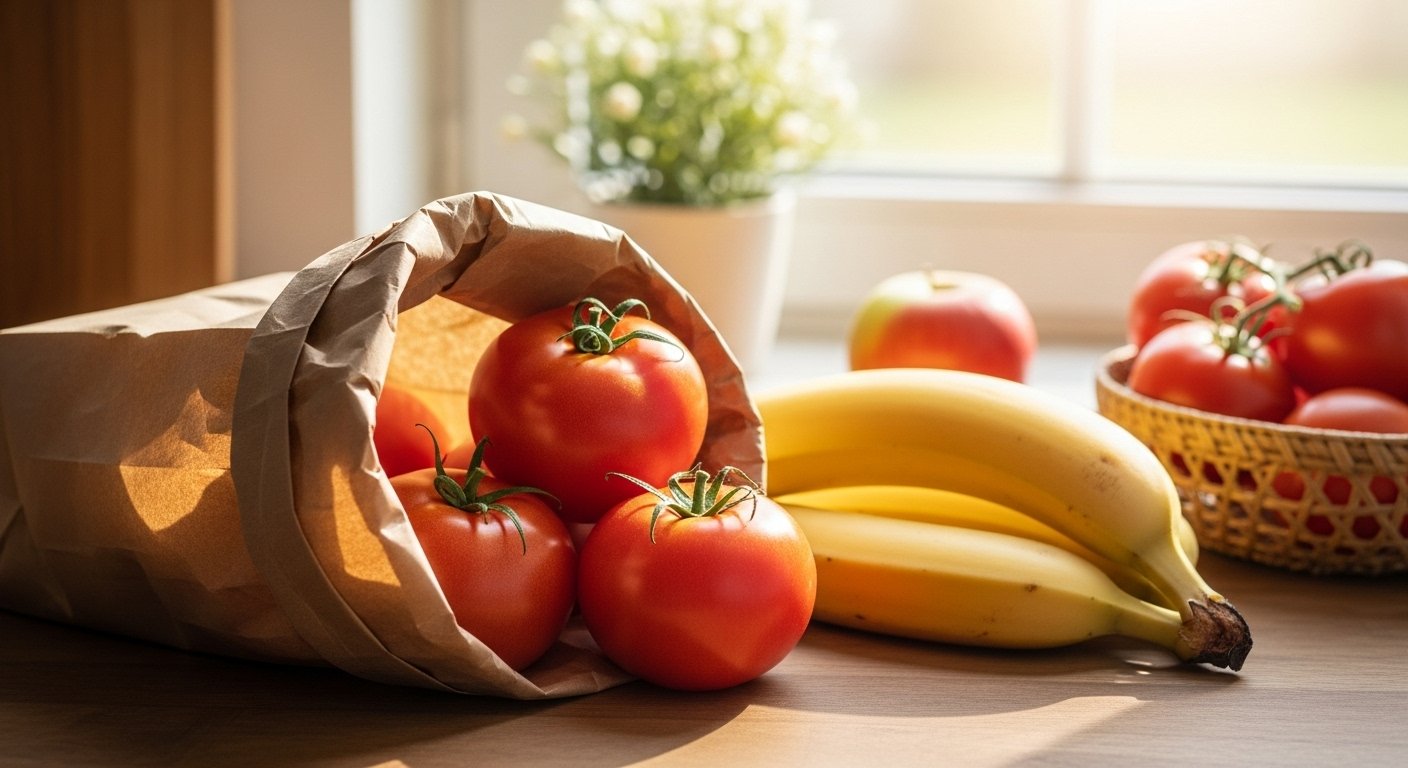
Once you’ve brought your tomatoes indoors, try the classic paper bag method: placing a few tomatoes in a loosely closed paper bag speeds up ripening by trapping ethylene gas, a natural ripening agent. For an extra boost, add a ripe banana or apple to the bag; these fruits release additional ethylene, helping tomatoes turn red even faster.
Alternatively, you can spread your tomatoes out on a sunny windowsill, but be careful—direct sunlight can sometimes make the skins tough or lead to uneven ripening. Avoid common mistakes like refrigerating unripe tomatoes, as the cold can ruin their texture and stop the ripening process, or piling tomatoes too high, which may cause bruising and spoilage.
Also, don’t forget to check your tomatoes daily. Removing any that show signs of over-ripening or mold will keep the rest in good condition. By following these simple tips, you’ll enjoy homegrown, flavorful tomatoes long after you’ve cleared the garden.
Troubleshooting Slow or Uneven Tomato Ripening
If your tomatoes seem stuck in a slow or uneven ripening cycle, you’re not alone—several common culprits could be at play.
Blossom end rot, a sunken, dark spot on the fruit’s bottom, often results from inconsistent watering or calcium deficiency. Try watering evenly and mulching to retain soil moisture.
Extreme temperatures also halt ripening: tomatoes prefer the sweet spot of 70–85°F. If it’s too hot or cold, provide shade cloth during heatwaves or harvest partially ripe fruit ahead of a cold snap.
Poor lighting can cause uneven color development—tomato plants need at least six hours of sun daily, so trim overgrown foliage or relocate container plants to sunnier spots.
If clusters are ripening slowly, pinch off some leaves to increase airflow and sunlight around the fruit.
For off-the-vine ripening, place mature green or breaker-stage tomatoes (when they just start to change color) in a paper bag with a ripe banana or apple; the ethylene gas helps speed up the process.
However, avoid refrigerating underripe tomatoes, as cold temperatures dull their flavor and texture.
When it comes to safety and taste, underripe green tomatoes are safe to eat when cooked—think fried green tomatoes—but fully green, unripe fruit can taste bitter or astringent raw.
For the best flavor, let tomatoes reach a deep red, orange, or yellow hue (depending on the variety) before picking or consuming raw.
With a few tweaks to watering, sun, and harvest timing, you’ll soon enjoy a more consistent, flavorful crop.
Enjoying Your Ripe Tomatoes
Once your tomatoes reach peak ripeness—deep color, slightly soft to the touch, and wonderfully fragrant—it’s essential to handle them gently to avoid bruising. Store ripe tomatoes at room temperature, out of direct sunlight, ideally in a single layer with their stem side down. Avoid refrigerating them unless absolutely necessary, as the cold can dull their vibrant flavor.
If you end up with more tomatoes than you can eat right away, try classic recipes like a fresh Caprese salad, homemade salsa, or a quick pan-tossed pasta sauce. For longer storage, consider canning whole tomatoes or making a big batch of tomato sauce to freeze. Roasting tomatoes with olive oil and herbs concentrates their sweetness and creates a delicious base for soups or spreads.
Most importantly, take a moment to savor a sun-warmed tomato eaten fresh off the vine or shared at your table—it’s a unique, rewarding taste that celebrates all the effort you put into your garden.