Introduction to Cherry Tomatoes and Their Appeal
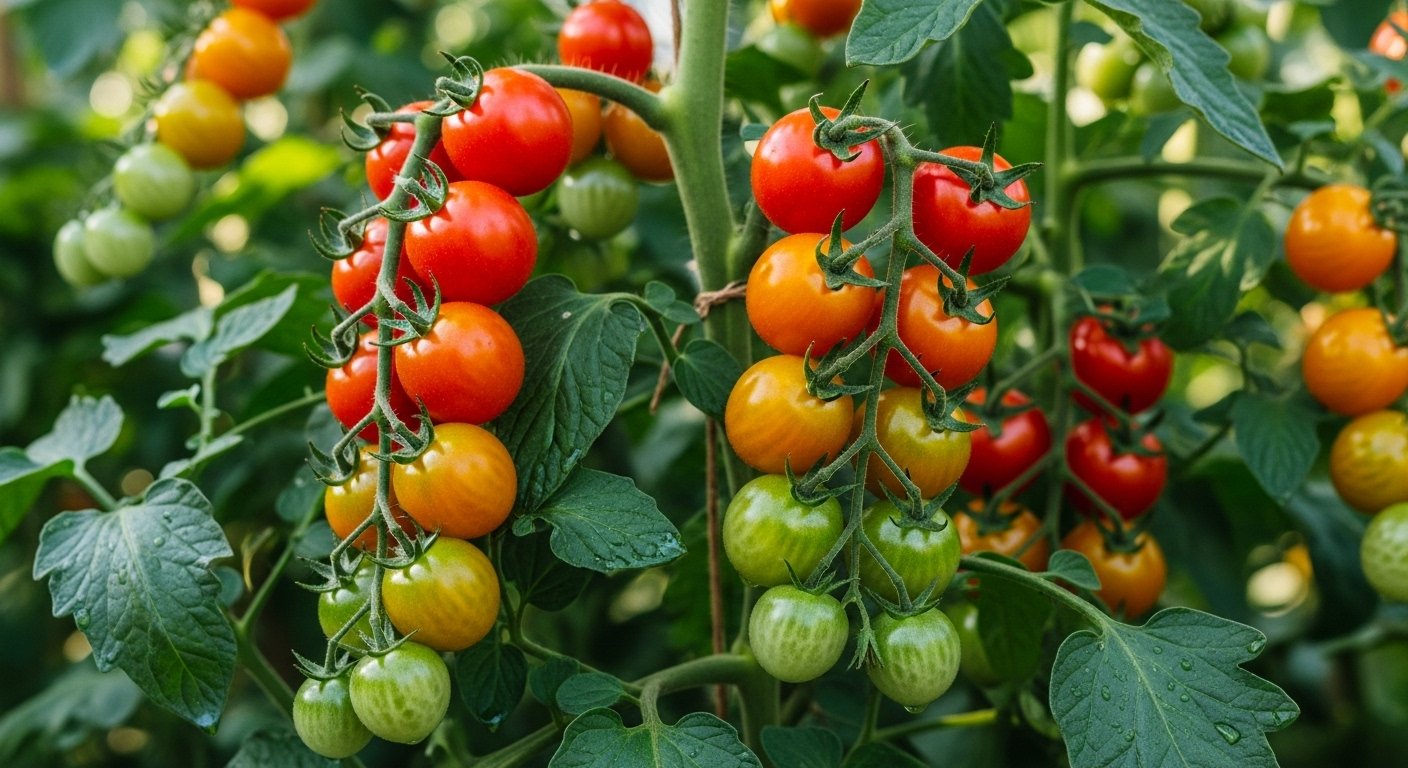
If you’re eager to grow cherry tomatoes, you’re not alone—these little garden gems have become favorites among gardeners of all skill levels. Cherry tomatoes are small, bite-sized fruits packed with irresistibly sweet flavor, making them perfect for snacking right off the vine or tossing into salads and pasta dishes.
What sets them apart is not just their delicious taste but also their impressive speed of growth; many varieties mature faster than larger tomatoes, offering a quicker harvest for impatient green thumbs. Their compact size and relatively low maintenance needs mean you can successfully cultivate them in anything from spacious garden beds to small balcony containers, making them ideal even if you’re short on space.
Add in their cheerful bursts of color—ranging from classic red to golden yellow, even deep purple—and it’s clear why cherry tomatoes are such a popular choice.
In this guide, you’ll discover everything you need to know to successfully grow cherry tomatoes, whether you’re a beginner planting your first seeds or a seasoned gardener aiming for an even bigger, tastier crop. From selecting the right variety to troubleshooting common issues, prepare to enjoy sweeter harvests and the satisfaction of homegrown flavor all season long.
Choosing the Best Cherry Tomato Varieties
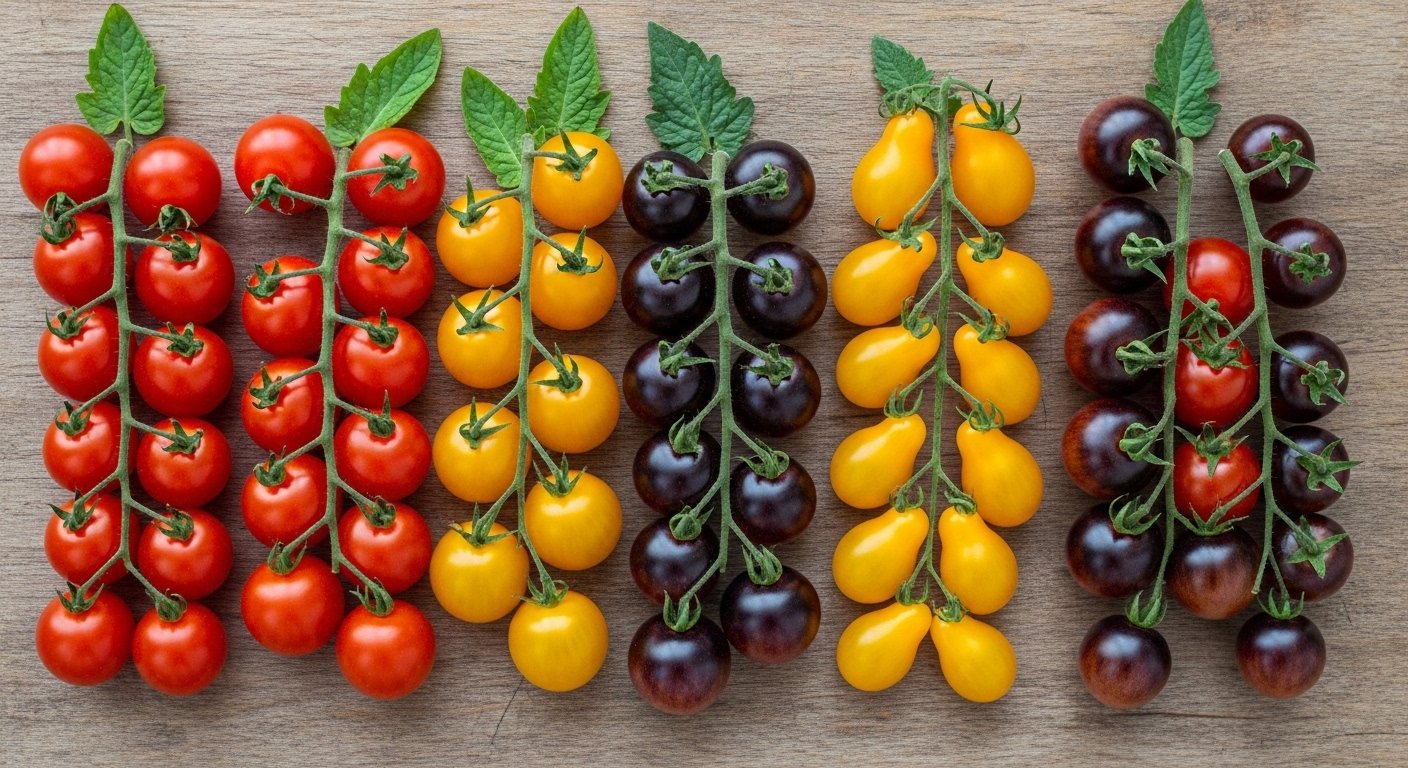
Cherry tomatoes come in a surprising array of colors, shapes, and sizes, making them a favorite for gardeners and food lovers alike. You’ll find classic red varieties like ‘Super Sweet 100’ that are round, bite-sized, and burst with traditional tomato flavor—perfect for snacking or tossing in salads.
For a visual treat, try yellow or orange types such as ‘Sun Gold’ or ‘Sweet Gold,’ known for their tangy-sweet taste and firm texture. If you like something more eye-catching, look for pear-shaped mini tomatoes like ‘Yellow Pear’ or striped ones like ‘Chocolate Cherry,’ both adding a splash of color and unique flavor to your dishes.
When choosing between classic, heirloom, and hybrid varieties, think about your priorities:
- Classic varieties are reliable and well-loved, often producing consistently high yields.
- Heirloom types offer amazing flavors and interesting histories but sometimes need more TLC since they might be more prone to disease.
- Hybrids are bred for resilience and strong production, making them ideal if you want lots of tomatoes with less maintenance.
For gardeners seeking the best of everything, try ‘Sun Gold’ for its unbeatable sweetness, or ‘Black Cherry’ for a rich, complex flavor prized by tomato enthusiasts. ‘Juliet,’ meanwhile, is a hybrid known for both great taste and excellent disease resistance, making it a top pick for first-time growers or anyone with limited time.
If you’re aiming for huge crops, ‘Sweet Million’ delivers clusters of small, flavorful fruits all season long.
Whatever you choose, consider your local weather and disease pressure, and don’t be afraid to experiment with a few types—one of the joys of growing cherry tomatoes is discovering a new favorite each season.
Planting Cherry Tomatoes: Seeds, Seedlings, and Location
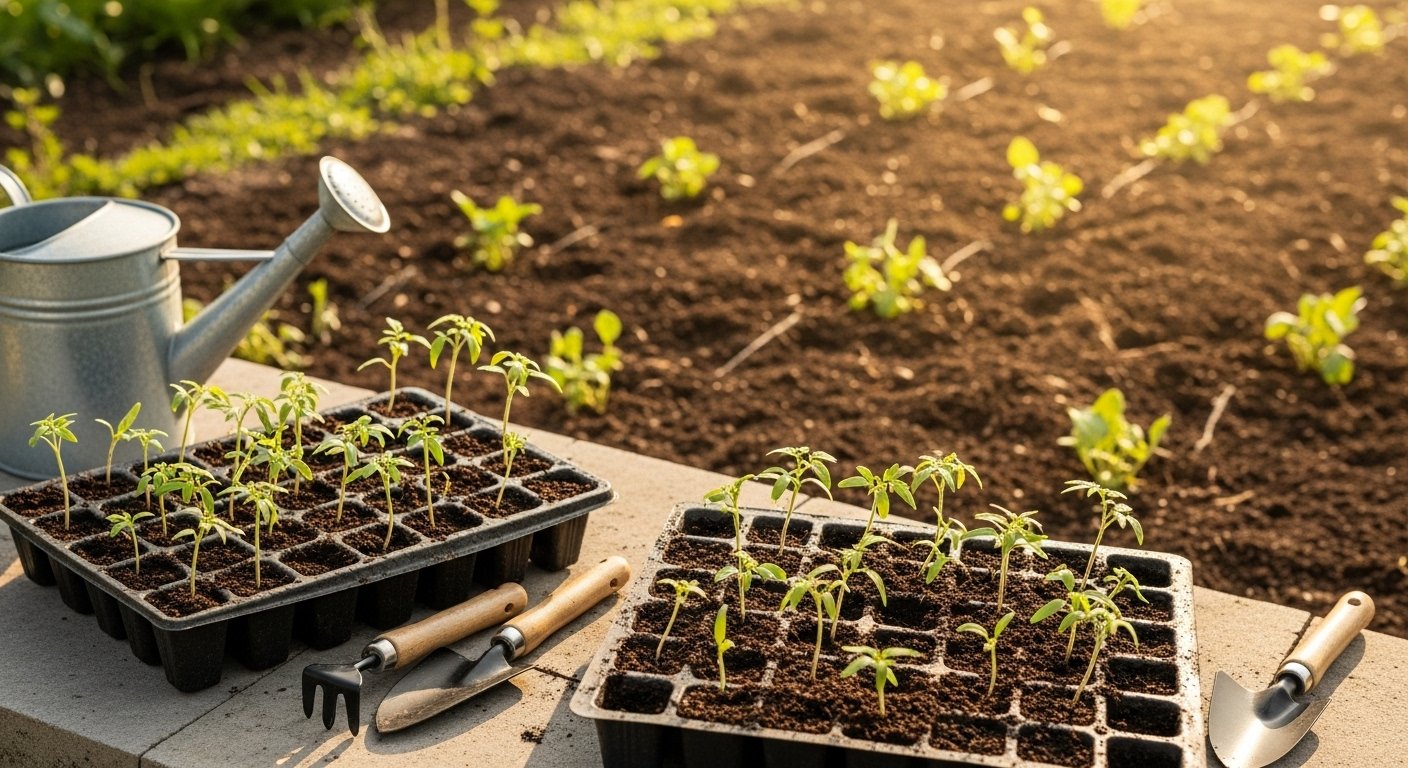
When it comes to planting cherry tomatoes, you have two main choices: starting from seeds or buying young seedlings. Growing from seeds is cost-effective and lets you choose from a wider range of tomato varieties, but it requires extra effort and planning. Start seeds indoors about six to eight weeks before your area’s last expected frost date; use seed trays and a good-quality potting mix, and keep the trays on a bright windowsill or under grow lights for best results.
If you prefer a quicker option or missed the window for seeds, look for sturdy, green seedlings at your local nursery—they’ll save you weeks of grow time. Whether you plant seeds or seedlings, wait to move them outdoors until nighttime temperatures consistently stay above 10°C (50°F) and all danger of frost is over.
Select a location with at least six to eight hours of direct sunlight each day—cherry tomatoes thrive in warm, sunny spots. Prep your soil with plenty of compost and ensure good drainage; tomatoes prefer loose, slightly acidic soil with a pH between 6.0 and 6.8. Spacing matters too: plant seedlings about 24 inches apart to ensure good airflow, which helps prevent disease.
For stronger roots, bury seedlings deeper than their original containers, up to the first set of true leaves. Water regularly but avoid soaking the leaves—drip irrigation or watering at the base is best. Finally, consider using mulch to retain moisture and keep roots cool as the plants establish themselves.
By following these simple steps, you’ll give your cherry tomatoes the healthiest start, whether you’re a seed saver or a seedling shopper.
Essential Care for Thriving Plants
Keeping your plants healthy starts with understanding their basic needs. Watering frequency depends on your plant type and local climate—succulents need water only when the soil dries out completely, while leafy vegetables often need a drink every day. It’s best to water early in the morning to reduce evaporation and disease.
Fertilize according to the specific plant’s stage and season; for most houseplants and garden crops, a balanced fertilizer every four to six weeks during the growing season works well. However, always read labels for exact recommendations.
Mulching is a simple but powerful way to lock in moisture, suppress weeds, and improve soil. Spread materials like straw, wood chips, or compost about two inches deep, being careful not to pile mulch directly against plant stems where it can cause rot.
For plants that grow tall or bear heavy fruit, such as tomatoes or peonies, provide support using stakes, cages, or trellises. Secure stems with soft ties or garden tape so they stay upright without being constricted.
Ongoing care is essential:
- Regularly weed around your plants to keep them from competing for nutrients.
- Inspect leaves and stems for signs of pests or diseases—yellow spots, holes, or sticky residue are common warning signs.
- Nip problems early by removing affected leaves or applying appropriate treatments.
By sticking to a routine of consistent watering, feeding, mulching, supporting, and monitoring, you’ll help your plants not just survive, but truly thrive in any environment.
Pruning and Propagation Techniques
Pruning is an essential skill for maximizing your tomato harvest, especially when it comes to understanding the difference between indeterminate and determinate varieties.
Indeterminate tomatoes, like many cherry tomato types, continue to grow and produce fruit all season. Regular pruning helps manage their size, improves airflow, and boosts fruit quality. Start pruning when the plant is about 12-18 inches tall. Using clean pruners or your fingers, pinch off the small side shoots (suckers) that form in the “V” between the main stem and a branch. Focus on removing those low on the plant to keep energy directed into fruit production.
For determinate varieties, which set all their fruit at once and then stop growing, heavy pruning is not recommended. Instead, just remove dead or diseased leaves to keep the plant healthy.
Propagation Options
You have two main options for propagation: cuttings or seed saving.
- Cuttings: Snip a healthy sucker or side stem about 4-6 inches long, strip the lower leaves, and place it in water or moist soil. Roots should form in about a week or two, allowing you to plant a new tomato.
- Seed Saving: Scoop seeds from ripe tomatoes, rinse off the pulp, and allow them to dry thoroughly before storing in a cool, dry place for next season.
With a little care, these simple techniques ensure a thriving tomato patch year after year.
Managing Common Pests, Diseases, and Problems
Growing cherry tomatoes can be rewarding, but they’re often targeted by pests like aphids and whiteflies, which cluster on leaves and suck plant sap. To deter these pests, regularly check the undersides of leaves and spray them with a gentle solution of water and mild dish soap, or introduce natural predators such as ladybugs into your garden.
Common diseases like blight and powdery mildew can quickly impact cherry tomato plants, especially in damp, humid conditions. Ensure good airflow by spacing plants properly, and water at the base rather than overhead to keep leaves dry. For organic disease control, apply a baking soda and water spray or use neem oil as a preventative measure.
Fruit splitting is another frequent problem, usually caused by fluctuations in watering. To avoid this, maintain a consistent watering schedule and mulch around the base to retain soil moisture. If you notice blossom drop, high temperatures or inconsistent watering could be the cause. Try shading your plants during the hottest part of the day and make sure the soil doesn’t completely dry out between waterings.
By staying observant and proactive—removing affected leaves, rotating crops each season, and encouraging beneficial insects—you can keep your cherry tomatoes healthy and productive throughout the season.
Harvesting and Using Cherry Tomatoes
To know when cherry tomatoes are ready to harvest, look for fruits that are fully colored—whether red, orange, yellow, or another variety hue—and feel slightly firm yet yield gently when squeezed. Ripe cherry tomatoes typically detach easily from the stem with a gentle tug; if they resist, give them a few more days.
To avoid damaging your tomato plants while picking, hold the stem with one hand and gently twist or pinch the tomato off with the other. Alternatively, use clean garden scissors to snip the fruit, leaving a tiny bit of stem attached—this helps them last longer.
After picking, store fresh cherry tomatoes at room temperature out of direct sunlight, ideally in a shallow bowl so they’re not stacked and bruised. Avoid refrigeration unless they’re very ripe and you can’t eat them all soon, as cold affects their flavor.
For an instant snack, cherry tomatoes are perfect tossed in salads or skewered on toothpicks with mozzarella and basil for quick appetizers. If you have a glut, try these ideas:
- Roast them with olive oil, garlic, and herbs for a sweet, concentrated sauce.
- Freeze whole tomatoes in a single layer on a baking sheet before transferring to bags for winter soups and stews.
- Make fresh tomato salsa or quick-pickle them with vinegar, sugar, and spices.
These small but mighty tomatoes pack a punch, so don’t let any go to waste—use them in everything from pasta to homemade bruschetta!
Conclusion and Extra Garden Tips
Growing cherry tomatoes successfully starts with choosing a sunny spot, providing well-draining soil, and watering consistently. Regular pruning and staking help keep your plants healthy and productive, while watching for pests ensures a bountiful harvest.
Don’t be afraid to experiment with different varieties or try companion planting to see what works best in your garden. Each season brings new lessons, so keep learning and adapting your approach.
Have questions or tips of your own? Share your experiences in the comments—we’d love to hear how your cherry tomato adventure is growing!