What Are Aphids and Why Do They Affect Tomatoes?
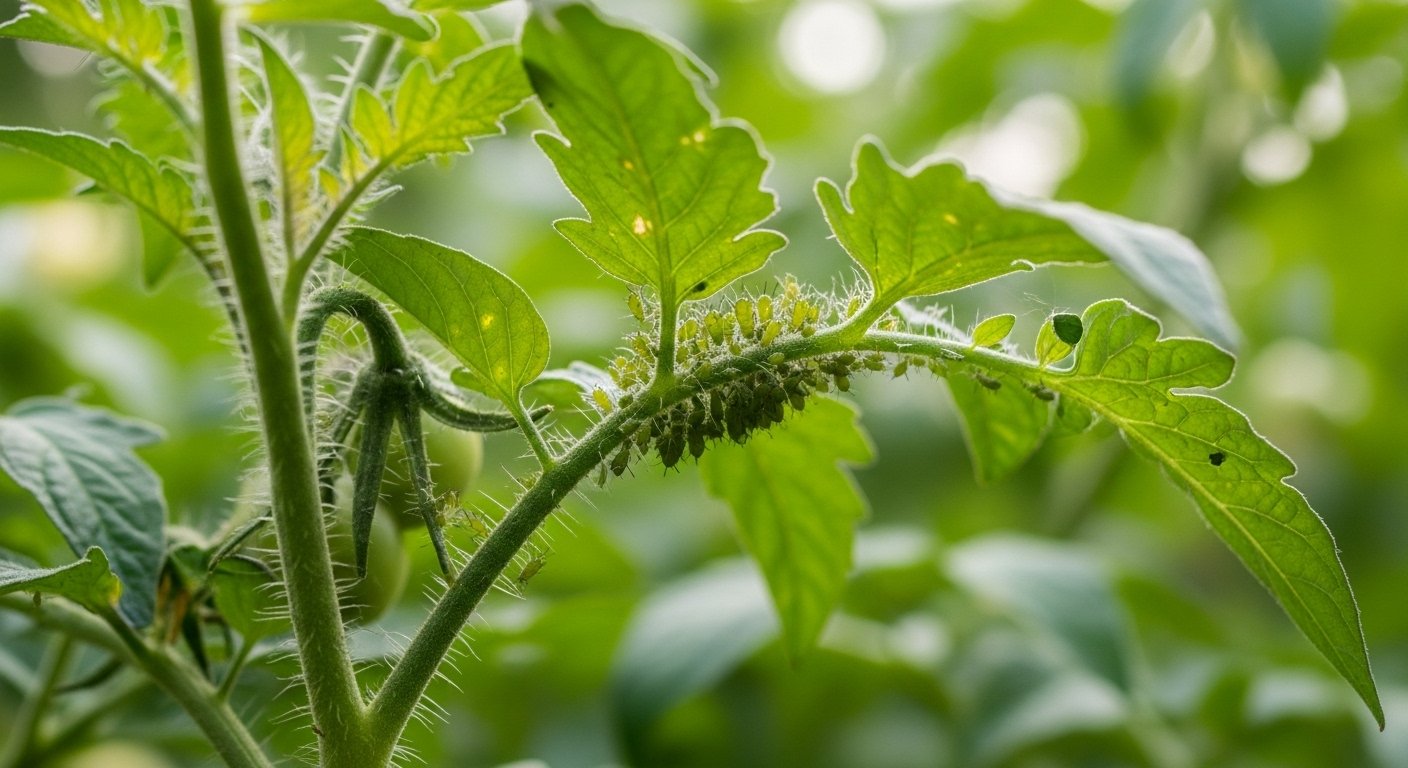
If you’ve ever spotted tiny green or black bugs clustered on your tomato plants, you’re likely dealing with aphids on tomatoes—a common headache for home gardeners and commercial growers alike. Aphids are soft-bodied pests, typically no bigger than a pinhead. The most common species troubling tomatoes include the green peach aphid (Myzus persicae), potato aphid (Macrosiphum euphorbiae), and the melon aphid (Aphis gossypii). Each of these can be found in varying shades from light green to yellow, pink, or even almost translucent, and all are known for multiplying rapidly.
Aphids usually gather on the undersides of leaves, new growth, and stems, where they feed by piercing plant tissues and sucking out sap. This feeding weakens the plant and can cause leaves to curl, yellow, or drop off prematurely. Aphids excrete a sugary substance called honeydew, which not only attracts ants but also encourages the growth of sooty mold, making plants look even sicker. Amazingly, aphids reproduce both sexually and asexually; female aphids often give birth to live young without mating, allowing their populations to explode practically overnight, especially in warm, sheltered garden environments.
Tomato plants are particularly vulnerable for several reasons. Their succulent new growth is especially appealing to aphids, offering an easy meal packed with nutrients. Tomatoes’ dense leaf canopy provides the perfect hiding spots where aphid colonies can flourish unseen. To make matters worse, aphids are efficient vectors for viruses, meaning they can transmit plant diseases as they feed, stunting growth and reducing yields.
Understanding the lifecycle and behavior of aphids is the first step to protecting your precious tomato crop from their silent but swift invasion. Armed with this knowledge, gardeners can stay alert and tackle aphids early before an infestation spirals out of control.
Signs and Symptoms of Aphid Infestation on Tomatoes
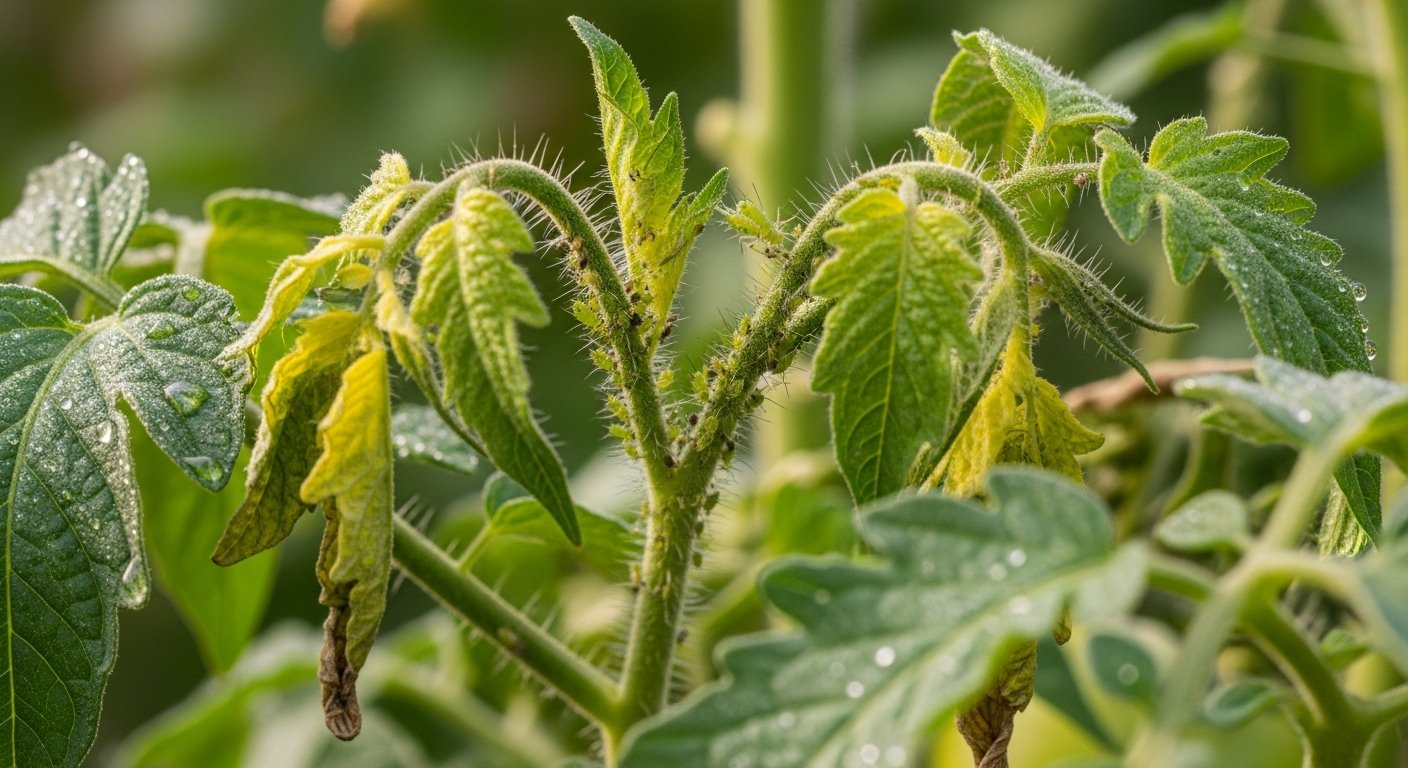
Spotting an aphid infestation on your tomato plants early can make all the difference for a healthy harvest. One of the first signs is curled or deformed leaves, as aphids feed by sucking sap from new growth, often causing the leaves to wrinkle or twist.
Look closely at the undersides of leaves and around tender shoots, where aphids cluster in groups—these tiny green, yellow, or black bugs can sometimes be tricky to see at first glance.
Another giveaway is a sticky, shiny coating on leaves, known as honeydew, which aphids excrete as they feed; this residue can also foster sooty mold, creating dark patches on the foliage.
If your tomato plants aren’t growing as vigorously or appear stunted, aphid feeding might be stealing essential nutrients, making the entire plant look sickly, weak, or even yellowed.
It’s important to distinguish these symptoms from other issues; for instance, leaf curl from environmental stress or overwatering often lacks the presence of clustered insects and sticky honeydew, while damage from pests like spider mites usually shows up as tiny speckles and fine webbing instead.
What makes aphids particularly challenging is their rapid reproduction—one tiny colony can quickly explode into thousands under favorable conditions, and they can even hitch a ride on garden tools, clothing, or wind to neighboring plants.
For gardeners, this means an infestation can spread across a tomato patch in a matter of days, so consistent monitoring and swift action are key to protecting your crop.
Why Choose Natural Methods to Control Aphids?
Choosing natural methods to control aphids isn’t just good for your garden—it’s safer for you, your family, and the environment. Chemical pesticides can have harsh side effects; they often kill helpful insects like bees and ladybugs, which are essential pollinators and natural predators of aphids.
Using these chemicals can sometimes lead to health problems for pets and people, especially if residue is left on fruits and vegetables. Plus, consistent pesticide use encourages aphids to develop resistance, making these chemicals less effective and requiring even stronger solutions.
On the other hand, natural pest control methods—like encouraging ladybugs, spraying plants with diluted soap, or planting companion herbs—target aphids without putting people, pets, or pollinators at risk. These organic approaches reduce toxic runoff into soil and water, supporting a healthier ecosystem right in your backyard.
Integrating natural control is especially useful in gardens where children or pets play, if you’re growing produce to eat, or when you want to support bee and butterfly populations. Consider starting with natural methods at the first sign of aphids; early action is often more effective and helps avoid the need for tougher controls down the line.
In short, going natural keeps your garden thriving while protecting what matters most.
Top Natural Ways to Get Rid of Aphids on Tomato Plants
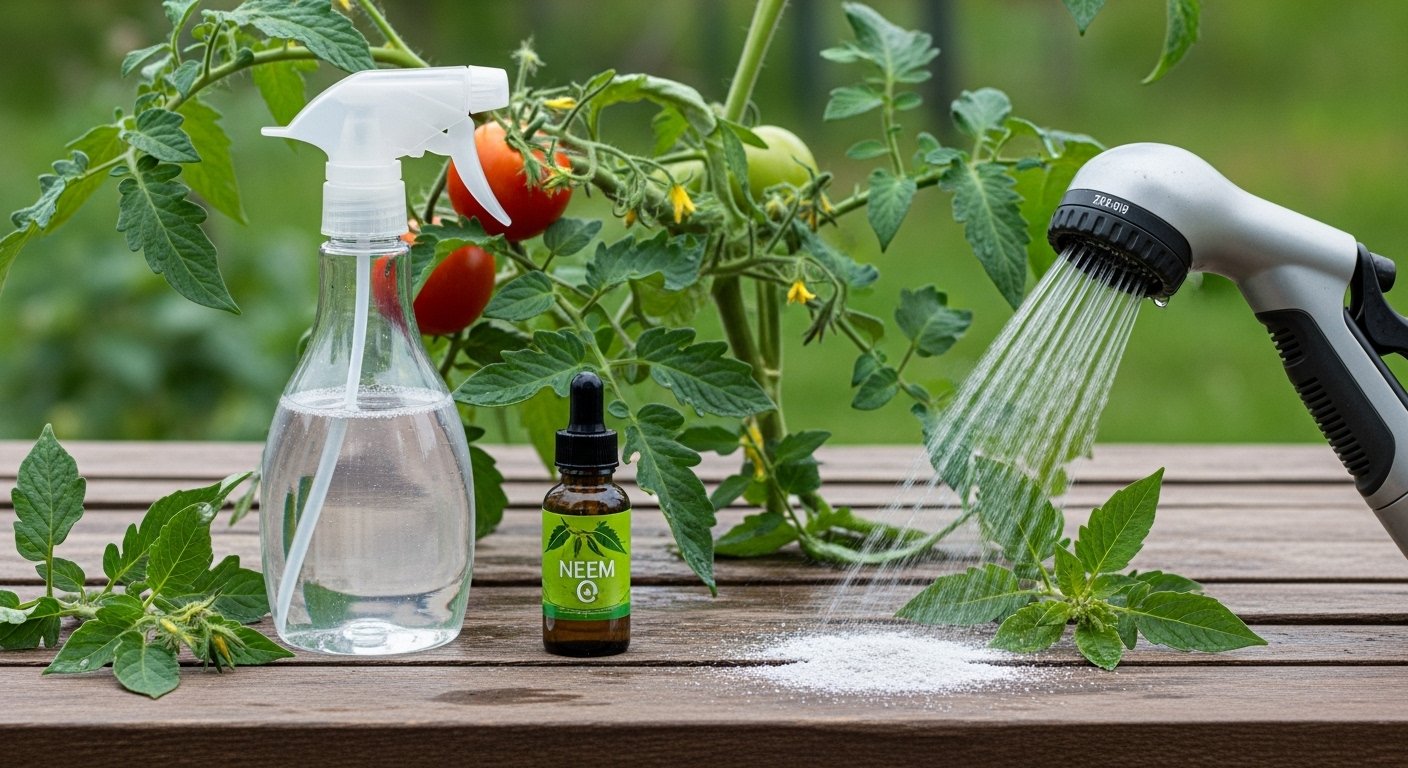
Tackling aphids on your tomato plants organically starts with manual removal—simply inspect your plants daily and squish or flick off any visible pests with your fingers, or blast them away with a strong jet of water from the hose, focusing on the undersides of leaves and stems. Morning is best for water sprays to allow leaves to dry and help deter fungal growth.
For persistent aphids, try a homemade insecticidal soap: mix 1 tablespoon of mild liquid dish soap with 1 liter of water, pour it into a spray bottle, and mist affected plants every three days. Be sure to rinse the leaves after a few hours to prevent residue buildup.
Neem oil offers a natural alternative—dilute as directed on the label (commonly 2 teaspoons per quart of water with a few drops of dish soap), spray all over the plant, and repeat weekly until aphids are gone. Early morning or evening is ideal to avoid scorching the leaves.
Diatomaceous earth (food grade only) works well for severe infestations—lightly dust it on dry foliage and around the base of plants, reapplying after rain or watering.
For the best results, combine or alternate these approaches:
- Start with manual removal and water sprays to knock down populations.
- Rotate neem oil and insecticidal soap weekly to target new hatchlings.
- Use diatomaceous earth as a protective barrier.
Monitoring plants regularly and taking swift action are key, as early intervention keeps aphid populations in check and your tomatoes thriving—without the need for harsh chemicals.
Encouraging Beneficial Insects and Natural Predators
One of the most effective and eco-friendly ways to manage aphids is by encouraging their natural enemies—beneficial insects like ladybugs, lacewings, hoverflies, and parasitic wasps. These garden allies are avid aphid hunters: a single ladybug larva, for instance, can consume up to 50 aphids a day, while adult lacewings and hoverfly larvae quickly tackle large infestations.
To attract and retain these helpful creatures, focus on creating a welcoming garden environment. Plant a diverse mix of flowers and herbs such as dill, fennel, yarrow, and alyssum, which produce nectar and pollen for adult predators. Avoid using broad-spectrum pesticides, as they can harm both pests and beneficial insects.
Providing habitat—like leaving some leaf litter, growing native plants, or installing small insect hotels—gives these predators shelter and breeding sites. Practicing companion planting also enhances biodiversity and natural pest control; for example, interplanting aphid-prone veggies with marigolds, nasturtiums, or chives can lure aphids away or attract their predators.
By fostering a healthy, biodiverse garden, you create a self-regulating ecosystem where natural predators keep aphid populations in check, reducing the need for chemical interventions and helping your plants thrive.
Preventing Future Aphid Problems on Tomato Plants
Preventing future aphid problems on tomato plants starts with keeping a close eye on your garden. Make it a habit to check the undersides of leaves and stems at least once a week, especially as new growth emerges—aphids love to hide in these spots.
Healthy soil is your plant’s first line of defense, so be sure to enrich your beds with compost or organic matter. This encourages strong roots and natural resilience. Avoid over-fertilizing with nitrogen-rich products; lush, soft growth from too much fertilizer actually attracts more aphids.
Practice crop rotation by planting tomatoes in different spots each year to break pest life cycles. Try interplanting with aromatic herbs like basil and mint, or flowers like marigolds and nasturtiums, which naturally repel aphids and attract beneficial insects.
Mulching around your tomato plants helps retain soil moisture, reduce weeds, and limit places for aphids to hide. Don’t forget to thin plants and remove lower leaves to improve airflow—good circulation makes your tomatoes less inviting to pests.
As a final step, quickly pull up any weeds or infected plants to eliminate hiding places and prevent aphid populations from spreading. By combining these simple, proactive steps, you’ll give your tomato plants a better chance to thrive without constant battles against aphids.
When to Seek Further Help or Change Tactics
If you notice that natural methods aren’t making a dent in your pest problem after several weeks—or you’re still seeing significant crop damage—it’s time to consider additional strategies. Persistent infestations or repeated crop failures can quickly wipe out your hard work, so don’t hesitate to take action.
Start by choosing the least harmful interventions possible, such as:
- Targeted organic sprays
- Introducing beneficial insects from reputable suppliers
- Using physical barriers like row covers
Always spot-treat affected areas rather than broadcasting chemicals, as this minimizes harm to pollinators and soil life.
Importantly, document what’s working and what isn’t: keep a garden journal noting pest outbreaks, interventions used, and their results. This record will help you spot patterns and refine your approach next season, saving both time and plants.
Remember, there’s no shame in seeking expert advice if things get overwhelming—reach out to local extension offices or gardening groups for personalized support. Ultimately, flexible and informed responses are key to resilient, productive gardens.