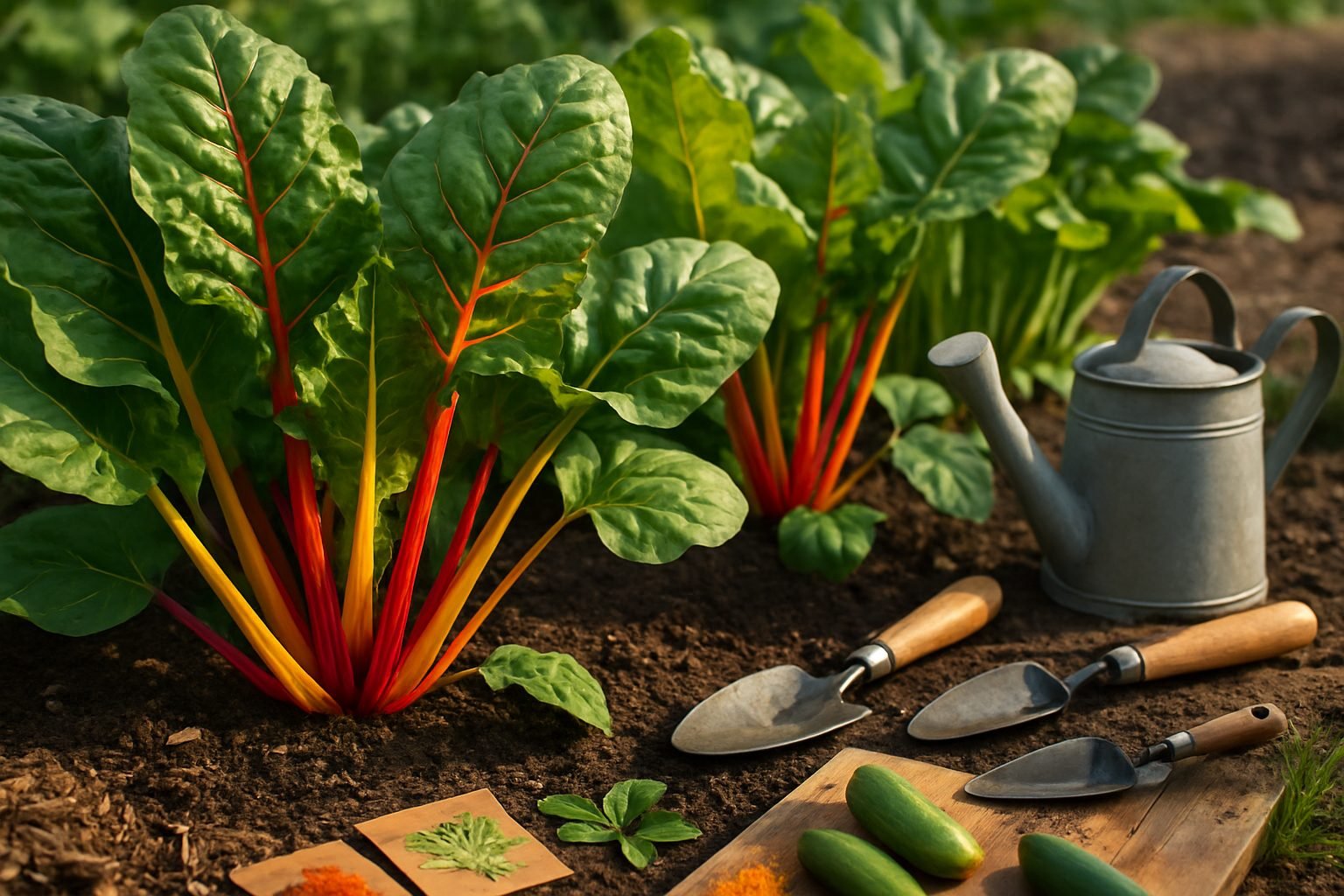
Growing Swiss Chard
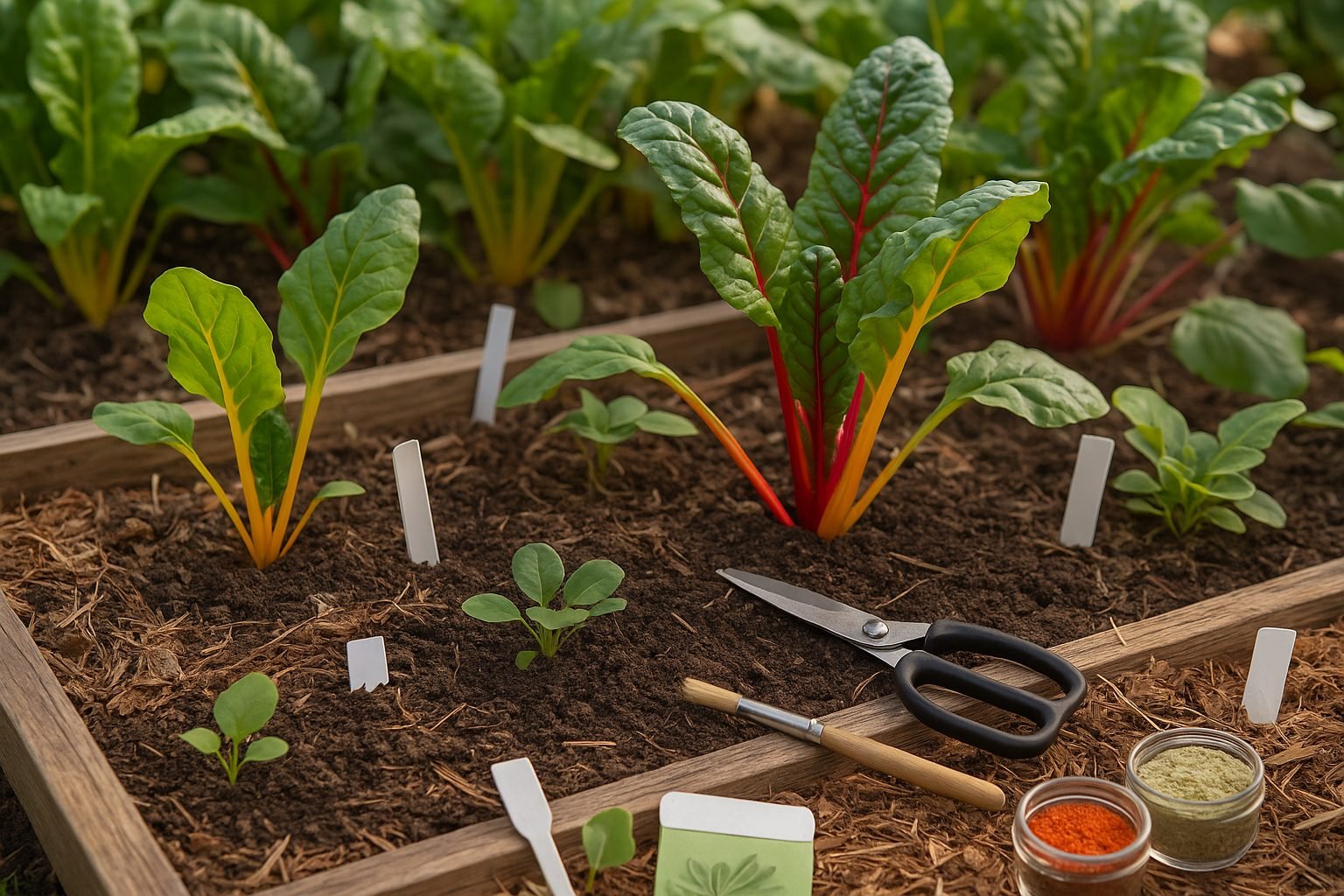
Harvesting swiss chard is a rewarding process, but knowing how to do it without harming your plants starts with understanding how to grow them well. Swiss chard, whether you opt for the vibrant stems of rainbow varieties or the classic green types, thrives in rich, well-draining soil with plenty of organic matter.
Aim for a spot that receives at least 6 hours of sunlight daily—though a bit of afternoon shade can help in hotter climates. Water consistently to keep the soil moist but not soggy; Swiss chard wilts in drought and suffers in standing water.
You can start seeds indoors about 2-4 weeks before the last frost or sow them directly into the ground as soon as the soil is workable in spring. Space plants about 8-10 inches apart, allowing their broad leaves room to spread.
Varieties like rainbow Swiss chard aren’t just beautiful; their stems may carry a slightly earthier flavor, while green types tend to be milder and more tender.
Routine care involves:
- Regular weeding
- Light mulching to retain moisture
- Occasional feeding with a balanced fertilizer
With the right basics in place, your plants will flourish—making harvesting Swiss chard easy and ensuring you can enjoy cut-and-come-again yields all season without damaging the plants.
When and How to Harvest Swiss Chard
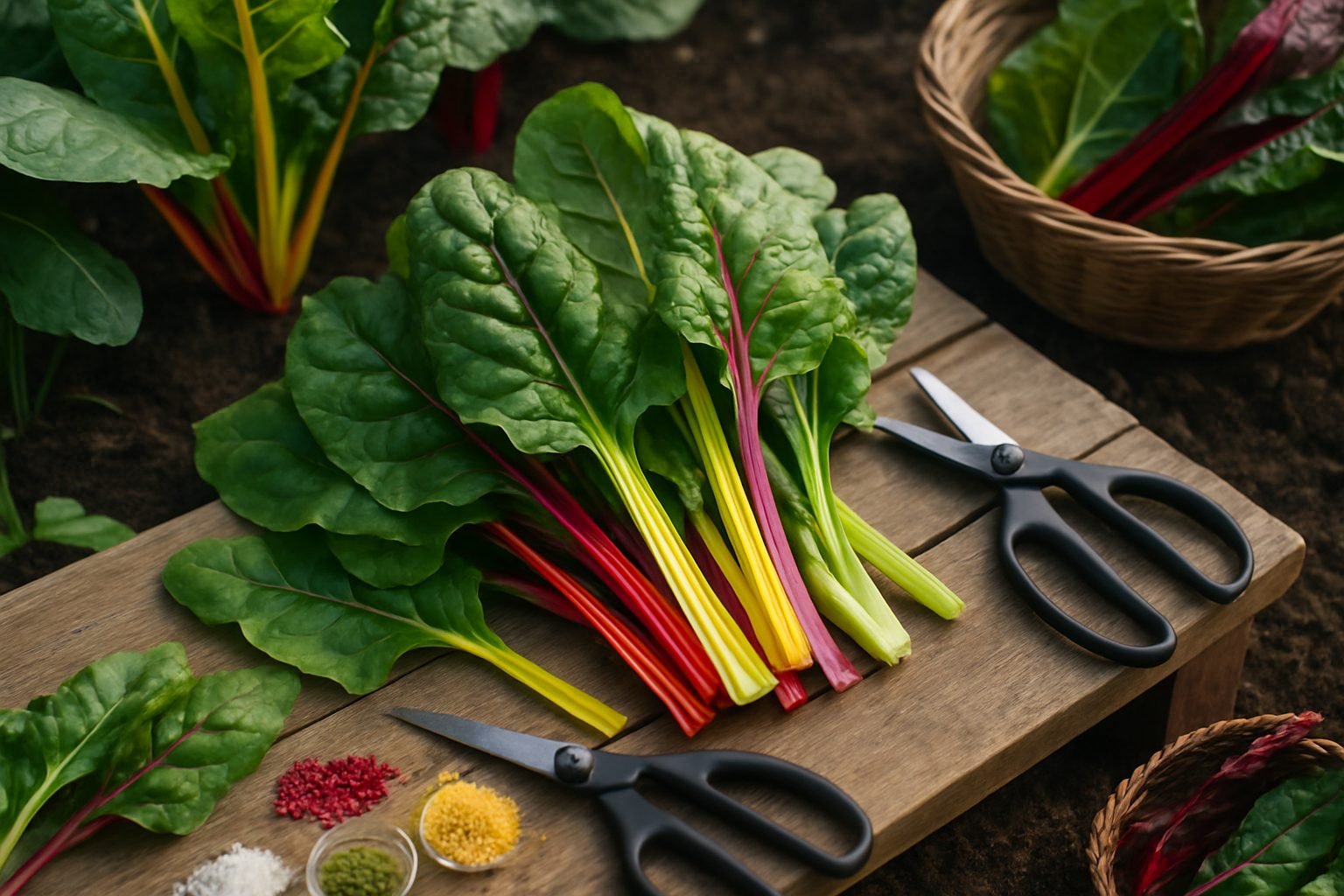
Knowing when to harvest Swiss chard ensures you get the tastiest leaves and an ongoing supply all season. Look for mature leaves that are about 6 to 8 inches long; these are typically ready for picking about 50 to 60 days after sowing.
Focus on harvesting the outer leaves first, as these are the oldest and most robust, allowing the smaller inner leaves to keep growing.
To harvest, you can either use garden scissors to cut the leaves about an inch above the soil or gently snap them off at the base with your fingers—just take care not to damage the central growing point, since this is where new growth emerges.
Regularly harvesting every one to two weeks encourages the plant to produce more foliage, giving you a steady supply throughout the season.
If you remove too many leaves or cut too close to the crown, the plant may struggle to bounce back, so always leave at least four to six inner leaves intact.
By following these simple techniques, you’ll enjoy crisp, colorful chard for months, whether you’re adding it to soups, sautés, or salads.
Tips for Prolonging Your Harvest
To keep your garden producing for as long as possible, start by harvesting consistently—picking ripe fruits and vegetables every few days encourages plants to keep growing instead of shutting down. Equally important is maintaining a regular watering schedule, especially during dry spells; aim to water early in the morning to reduce evaporation and prevent diseases.
Fertilizing every few weeks with an organic or balanced fertilizer helps replenish nutrients that plants use up during vigorous production, supporting ongoing growth. Mulching around plants with straw or shredded leaves is another simple yet effective way to retain soil moisture, keep roots cool, and prevent weeds from competing for nutrients.
Protecting your harvest from pests can involve picking off insects by hand, using row covers, or introducing beneficial bugs like ladybugs to control problem species naturally. Be mindful that sudden changes in temperature or shorter days as the season progresses can slow down or even stop plant production.
Extend your harvest by using cold frames, row covers, or cloches to shield plants from early frosts and unseasonal cold snaps. By paying attention to these details, you’ll keep your garden healthy and productive right up until the first hard frost.
Proper Storage of Fresh Swiss Chard
To keep fresh Swiss chard crisp and vibrant, always store the leaves unwashed to prevent excess moisture from speeding up spoilage. Wrap the chard loosely in a paper towel to absorb humidity, then place it inside a breathable bag or a perforated plastic bag before refrigerating it in your crisper drawer.
This setup helps maintain just the right balance of moisture and airflow, keeping the chard crunchy for up to five days. If you spot yellowing stems, limp leaves, or a slimy texture, these are signs your chard has started to spoil and should be composted.
To further reduce wilting and preserve nutrients, avoid stacking heavy items on top of the leaves and keep the refrigerator temperature steady—sudden drops can cause frost damage.
For quick weekday meals, you can even prep the stems and sturdy leaves ahead of time; store them separately and use the more delicate greens first. Remember, keeping Swiss chard dry and gently handled makes all the difference in its shelf life and flavor.
Preserving Swiss Chard for Longer Enjoyment
Preserving Swiss chard lets you extend its fresh taste well beyond harvest season, and luckily, there are several easy techniques to try at home.
Freezing is perhaps the simplest method: just wash the leaves, chop them if you like, then blanch in boiling water for two minutes. Immediately plunge the leaves into ice water to stop the cooking—this helps retain color and nutrients. Pat the leaves dry, pack them into freezer bags, and squeeze out as much air as possible to prevent freezer burn.
If you’re interested in pickling, make a basic brine using vinegar, water, salt, and a pinch of sugar. Pour it over chard stems (and leaves, if you’d like) packed into a clean jar. Refrigerate for at least 24 hours before eating to enjoy a tangy side or salad topping.
No matter which method you choose, expect some changes:
- Freezing slightly softens the texture but preserves the earthy flavor.
- Blanching keeps the color vivid and tames any bitterness.
- Pickling introduces a sharp, vinegary kick and transforms the crunch and flavor profile, making it a totally new ingredient for sandwiches or charcuterie boards.
Try experimenting with small batches to find your favorite technique!
Fun Ways to Use Your Homegrown Swiss Chard
Swiss chard is not only vibrant and beautiful in your garden, but it’s also incredibly versatile in the kitchen. Try tossing the tender, young leaves raw into salads for a pop of color and a mild, earthy taste—mix them with spinach, nuts, and a citrus vinaigrette for an easy lunch.
For something warmer, sauté the leaves and crunchy stems in olive oil with garlic, then finish with a squeeze of lemon for a quick side dish. The stems, often overlooked, are delicious sliced into soups or stews; they hold their structure and add a satisfying bite.
Add shredded chard to omelets, stir it into risottos, or use it as a hearty wrap in place of tortillas. Both the leaves and stems are packed with vitamins A, C, and K, as well as magnesium and fiber, so eating Swiss chard in different forms lets you enjoy its full nutritional punch.
Mix up raw and cooked dishes to keep your meals interesting and boost the health benefits this leafy green offers.