Introduction
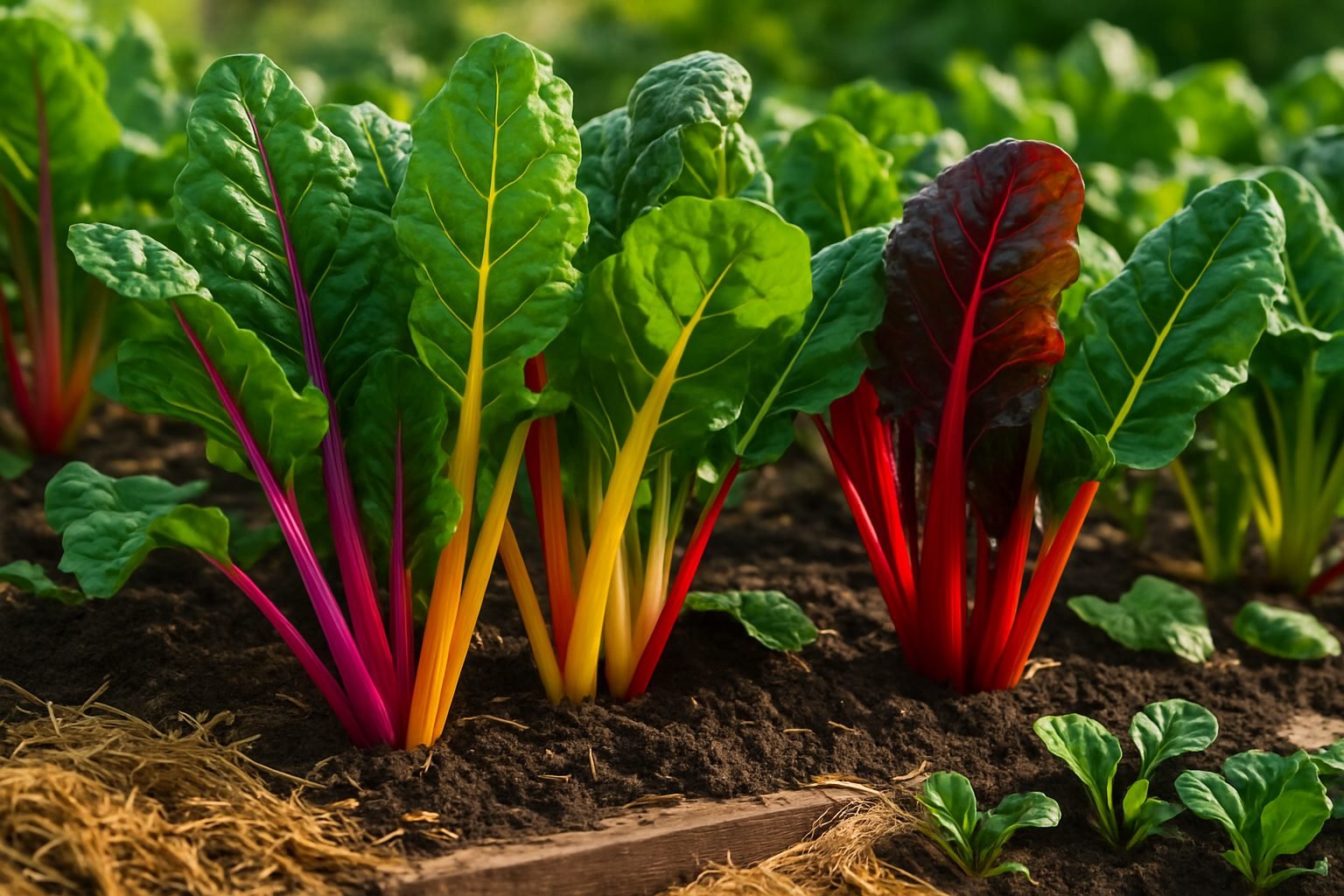
If you’re eager to grow a vibrant and versatile leafy green, learning how to direct sow swiss chard is an excellent place to start. Unlike spinach or lettuce, Swiss chard boasts brightly colored stems and large, glossy leaves—making it both a showstopper in the garden and a nutritious powerhouse on your plate.
Rich in vitamins A, C, and K, as well as minerals like magnesium and iron, Swiss chard has become a favorite among gardeners who crave flavor, beauty, and resilience in their vegetable plots. This guide will walk you through the simple, step-by-step process of direct sowing Swiss chard seeds right into your garden soil—from choosing the right spot and preparing the ground to sowing and caring for your crop.
Follow along for practical tips and expert advice to ensure a bountiful, healthy harvest—even if you’re new to gardening!
Choosing the Right Swiss Chard Varieties
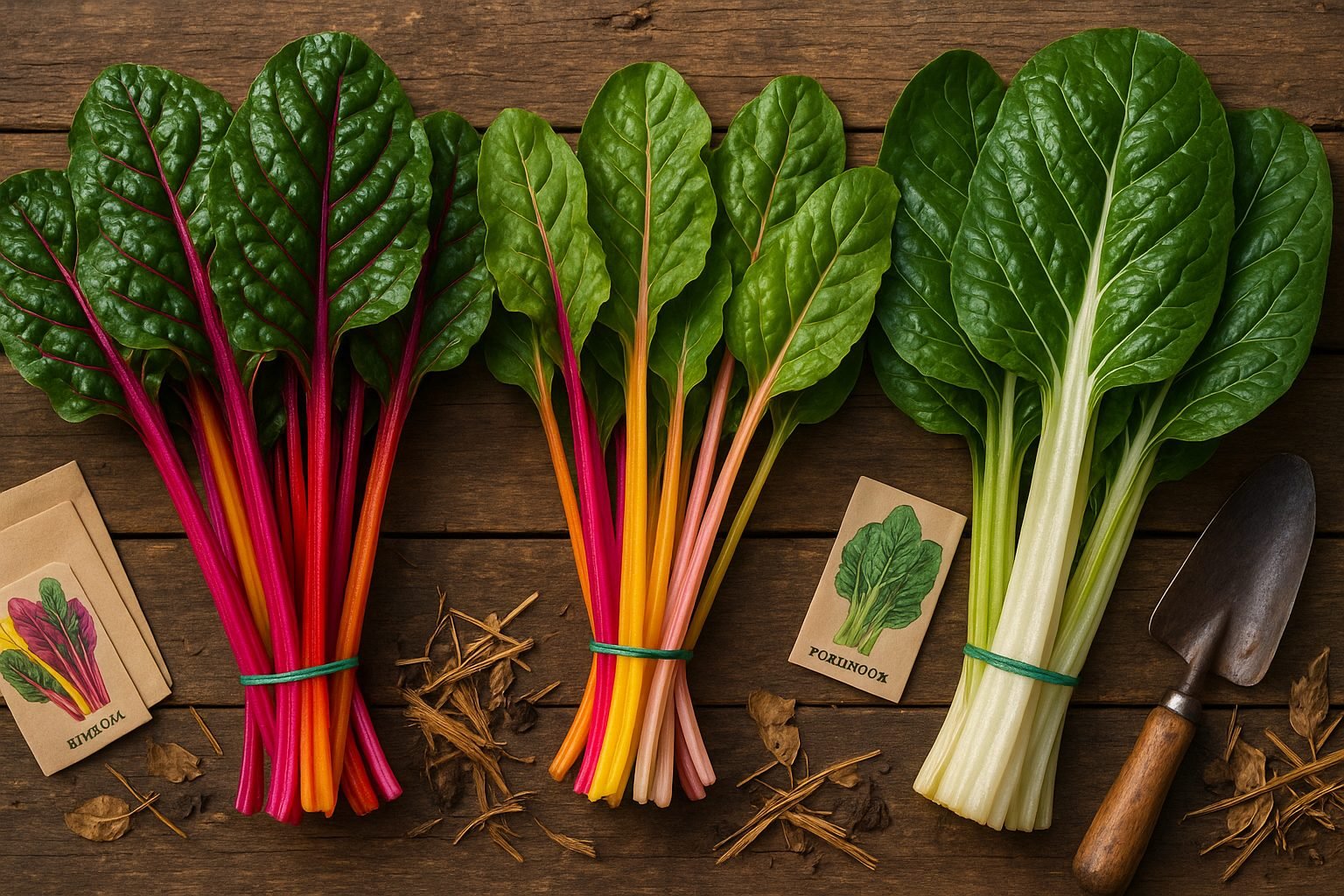
When it comes to choosing the right Swiss chard varieties for your garden, it’s helpful to know what makes each type stand out.
‘Rainbow’ chard is a showstopper, with stems in vivid shades of pink, orange, yellow, and red. This variety not only looks stunning in garden beds and salads but also offers a mild, slightly sweet flavor that appeals to most palates.
‘Bright Lights’ boasts similar eye-catching colors and is prized for its tender leaves, making it a favorite for fresh eating and quick sautés.
If you’re interested in a classic, high-yielding option, ‘Fordhook Giant’ is hard to beat. Its large, rumpled, dark green leaves are both productive and tolerant of heat, meaning you’ll get a reliable harvest even in the warmth of summer.
When selecting a variety, consider your climate—chard generally tolerates heat better than spinach, but ‘Fordhook Giant’ is a top choice in particularly warm areas.
For beginners, ‘Bright Lights’ and ‘Rainbow’ are forgiving, easy to grow, and add beauty to edible landscapes.
If space is limited, look for compact varieties like ‘Perpetual Spinach’ chard, which thrives in containers.
Always source seeds or starts from reputable garden centers, local nurseries, or trusted online retailers to ensure you buy fresh stock for the season.
Starting from seed is affordable and offers the widest selection, but transplants can give you a head start if you’re impatient for your first harvest.
With so many options, you can easily find a Swiss chard variety that matches your tastes and garden needs.
Soil Preparation and Planting Swiss Chard
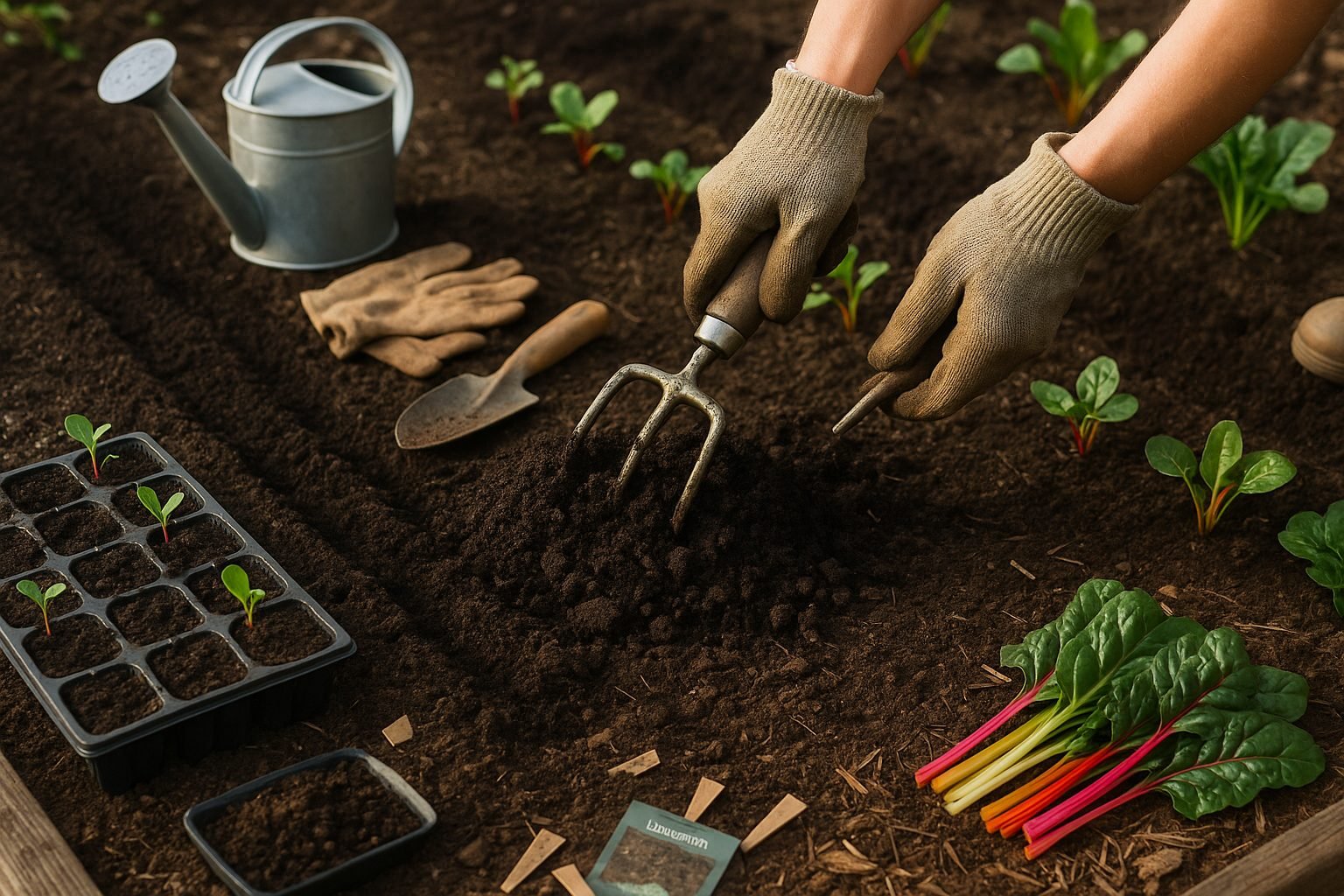
Swiss chard thrives best in loose, well-draining soil with a neutral pH between 6.0 and 7.0, rich in organic matter. Before planting, work compost or well-rotted manure into the top 6-8 inches of soil to boost fertility, and mix in a balanced organic fertilizer for added nutrients.
If your garden soil is heavy and clay-like, lighten it with a few handfuls of sand or peat moss for better root development.
To start seeds indoors, sow them about ½ inch deep in seed trays four to six weeks before the last expected frost. Keep the soil moist and warm, around 70°F, until they sprout.
For outdoor sowing, wait until the soil temperature reaches at least 50°F—typically two weeks before your area’s last frost date. Space seeds or seedlings 6 to 12 inches apart in rows about 18 inches apart to give each plant ample room to spread its colorful leaves.
Swiss chard loves full sun but will tolerate partial shade, especially in hot climates. Keep the soil consistently moist—about an inch of water per week—but not soggy, as overly wet roots invite rot.
After seedlings have established, mulch with straw, dried leaves, or grass clippings to conserve moisture and suppress weeds. Aim to water at the base of the plants in the morning to avoid disease and encourage deep rooting.
By giving attention to these details upfront, you’ll set your Swiss chard up for a vibrant, long-lasting harvest that adds both beauty and nutrition to your garden.
Growing and Caring for Swiss Chard Plants
Swiss chard is a forgiving green that thrives with just a bit of regular care, making it perfect for both gardens and containers. Start by watering your chard consistently—aim for about 1–1.5 inches per week, keeping the soil evenly moist but not soggy. Mulch can help retain moisture and keep the soil cool.
Fertilize once a month with a balanced organic fertilizer to keep those vibrant leaves growing strong, especially if your soil isn’t perfect. As your plants develop, thin the seedlings so each has 6–8 inches of space; this reduces competition and discourages disease.
Swiss chard rarely needs staking, but if you’re growing larger varieties or your area is windy, a simple stake can offer extra support and prevent leaves from bending or snapping.
Pest and disease problems are rare, but keep an eye out for leaf miners—removing affected leaves promptly helps prevent the problem from spreading.
If you want to harvest all summer long, pick outer leaves first and leave the center to continue producing. To extend your harvest well into fall, use row covers or plant in a spot that gets afternoon shade, especially in hot climates, as this helps prevent bolting (premature flowering).
Growing Swiss Chard in Containers
For container growing, pick a pot at least 12 inches deep and wide. Use a high-quality potting mix that drains well. Keep containers out of the hottest afternoon sun to curb bolting, and pick leaves regularly to keep plants productive.
With these simple tips, you’ll have a steady supply of fresh, tender Swiss chard right at your fingertips.
Managing Pests, Diseases, and Common Problems
Dealing with pests and diseases in your garden can feel overwhelming, but a few practical strategies can make a big difference. Common garden pests like aphids, spider mites, and whiteflies can be managed by regularly inspecting the undersides of leaves and using gentle solutions like neem oil or insecticidal soap—both of which are safe for most plants and the environment.
If you spot holes in leaves or sticky residue, these are telltale signs of pest activity. Diseases such as powdery mildew or root rot often result from excess moisture and poor air circulation, so be sure to space plants properly and water early in the day to let foliage dry.
Removing affected leaves promptly and rotating crops each season also help prevent outbreaks. If you notice leaf discoloration—yellowing or browning, for example—it might be a sign of overwatering, nutrient deficiencies, or pests feeding on roots.
To troubleshoot, check the soil moisture with your finger, look for visible insects or sticky webs, and consider a gentle fertilizer if new growth looks pale or weak. Stunted growth can also signal problems: inspect roots for rot, ensure containers have drainage holes, and avoid overcrowding.
By keeping an eye on your plants and reacting quickly to any changes, you’ll catch most issues before they get out of hand, ensuring a healthier, more resilient garden.
How and When to Harvest Swiss Chard
Knowing when and how to harvest Swiss chard is key to a productive garden and great-tasting greens. The best time to pick Swiss chard is when the leaves are about 6 to 8 inches long—they’ll be tender and flavorful, yet strong enough to recover.
Use clean scissors or garden shears to snip the outer leaves about an inch above the soil, leaving the smaller, inner leaves intact. This “cut-and-come-again” method encourages continuous growth, allowing the plant to produce fresh leaves throughout the season.
Avoid pulling or twisting the stems, as this can damage the plant and slow future harvests. In early spring and late summer, chard grows rapidly, so check your crop every few days for new leaves that are ready to harvest.
If you find yourself with more chard than you can eat, store unwashed leaves in a plastic bag in the refrigerator for up to a week. Alternatively, blanch and freeze extras for later use in soups or sautés. By harvesting smartly and storing correctly, you’ll enjoy Swiss chard from your garden all season long.
Swiss Chard Nutrition and Culinary Uses
Swiss chard is a powerhouse green that deserves a spot in your kitchen thanks to its impressive nutrition profile and culinary versatility. Packed with vitamins A, C, and K, Swiss chard also offers magnesium, potassium, and fiber—all of which support healthy bones, immune function, and digestion. Its antioxidants help fight inflammation and protect your cells from damage, making it a smart choice for any meal.
When it comes to cooking, Swiss chard is as flexible as spinach. Add the tender, sliced leaves to fresh salads for a burst of color and a mild, earthy flavor. For a quick side dish, sauté chopped chard with garlic and olive oil until wilted, or toss it into soups and stews where it can soak up delicious flavors. Even smoothies can benefit from a handful of young chard leaves—the mild taste blends easily with fruit for a nutritious boost.
Don’t forget to explore colorful varieties like rainbow or ruby chard: their vibrant stems not only offer extra phytonutrients but also make any dish look more appetizing. If you’re new to leafy greens, Swiss chard is a tasty, eye-catching way to start adding more nutrition to your meals.
Conclusion & Quick Tips
Growing Swiss chard at home is a rewarding experience—even if you have only a small garden or pots on a balcony. For continuous harvests, try succession planting by sowing seeds every few weeks. Pair your chard with companion plants like onions or nasturtiums to keep pests away.
Don’t be afraid to experiment with colorful varieties, which not only brighten up your meals but also fit neatly into compact spaces, making this nutritious veggie accessible to everyone.