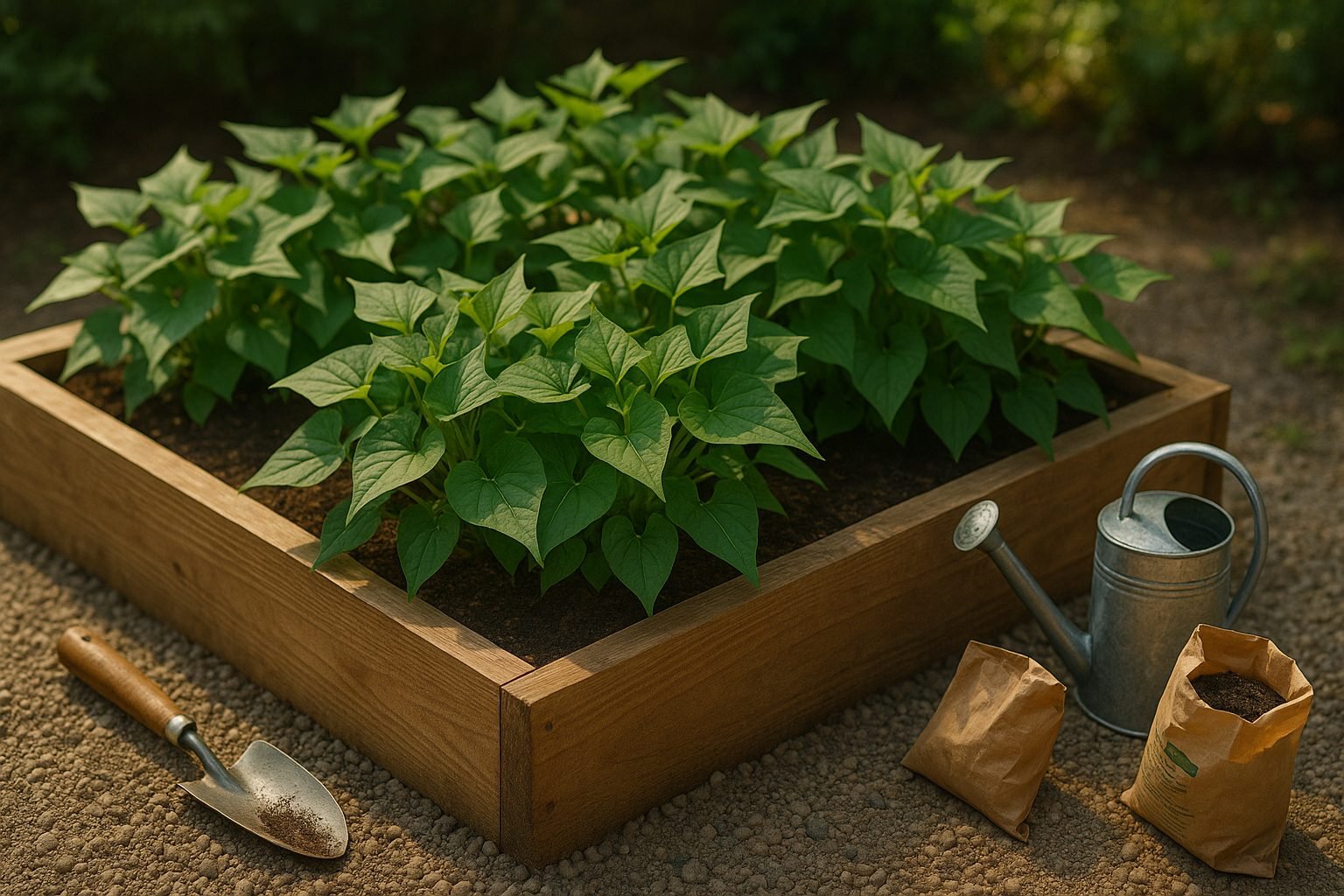
Introduction: Why Planting Depth Matters for Sweet Potato Slips
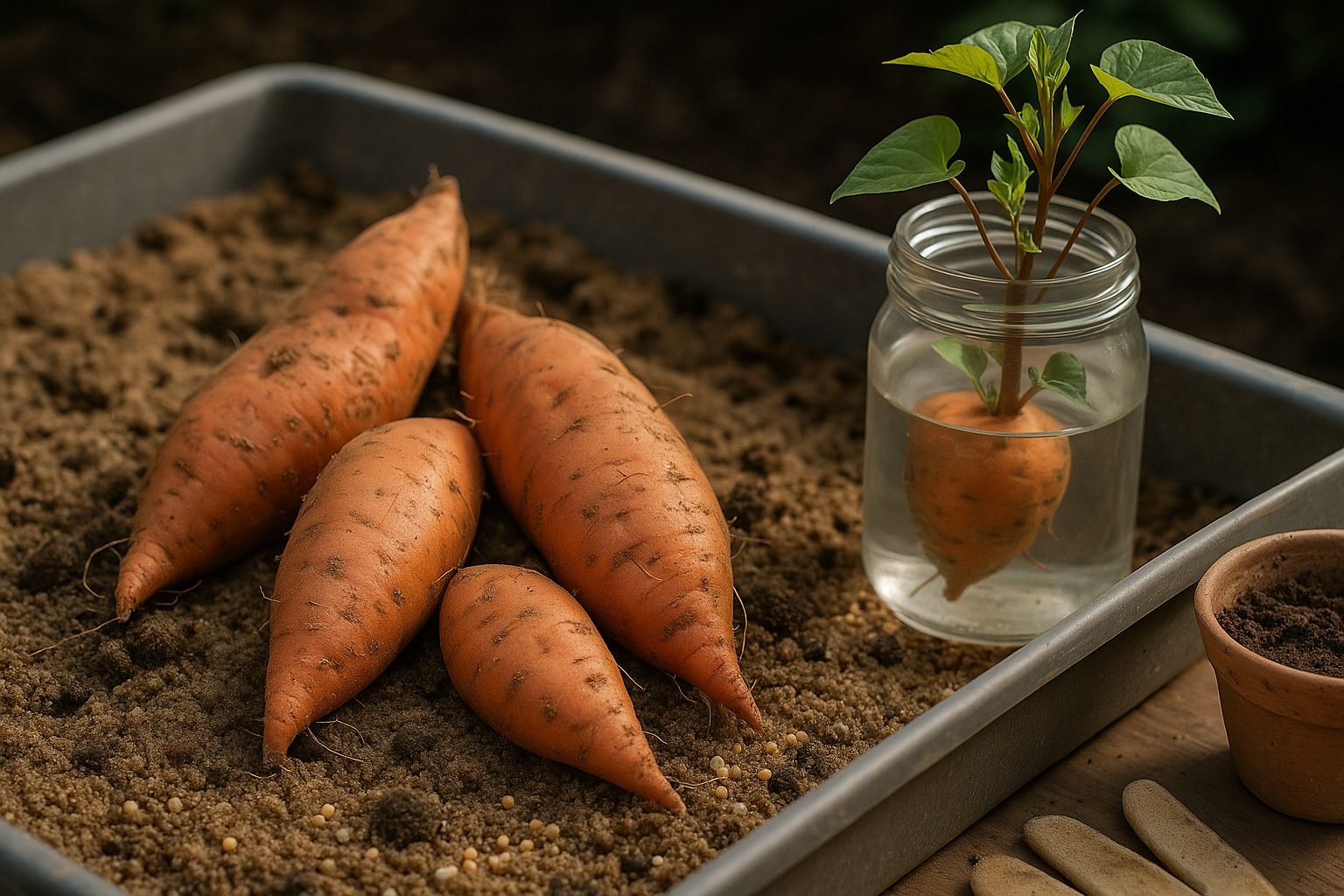
When starting your garden, understanding sweet potato planting depth can make all the difference in your harvest. Sweet potato slips—young shoots grown from mature sweet potato tubers—are preferred over seeds because they consistently produce vigorous, healthy plants suited to your region and needs. Unlike seed-grown potatoes, slips give you a head start in controlling disease and selecting superior varieties.
But how deep you plant these slips isn’t just a minor detail—getting it right is essential for encouraging strong root development and maximizing your crop’s yield. If slips are planted too shallow or too deep, you might end up with stunted growth or misshapen tubers.
In this post, you’ll learn the ideal depth for planting sweet potato slips, tips for preparing your garden bed, and common mistakes to avoid. Whether you’re a first-time gardener or looking to boost this year’s harvest, these practical guidelines will help you start your sweet potato patch off on the right foot.
Understanding Sweet Potato Slips and Their Growth Needs
Sweet potato slips are young, sprouted shoots that grow from mature sweet potatoes and serve as the starting plants for a new crop. Unlike seeds or seedlings, a sweet potato slip is a leafy stem, usually 6 to 12 inches long, with a few leaves on top and sometimes small root nubs forming at the base. These slips don’t have a strong root system at planting; instead, they develop roots after being placed in the soil.
When planted at the correct sweet potato planting depth—typically deep enough to cover the lower leaves and the base of the stem—the slip begins sending out roots from the buried stem within days. These roots anchor the plant and seek water and nutrients, while new shoots and leaves grow upward toward sunlight.
Proper handling and gentle planting are essential since slips are delicate. Damaged stems or torn leaves can slow rooting, set the plant back, or even cause the slip to die before establishing. Planting too shallow leaves the slip vulnerable to drying out and toppling, while planting too deep can suffocate growing points.
Another common issue is letting slips dry out before planting, which causes wilting and slower establishment. To give your slips the best chance of success, always keep them moist, avoid breaking the stems, and plant them promptly at the right sweet potato planting depth so roots can thrive and new growth can flourish.
Recommended Depth: The Optimal Planting Range
The sweet potato planting depth is crucial for growing a healthy, productive crop. For the best results, plant sweet potato slips at a depth of 4 to 6 inches. This range provides the perfect balance—allowing the plants access to moisture and nutrients while anchoring them securely in the soil.
Planting slips too shallow makes them vulnerable to drying out or being toppled by wind, while planting too deep can slow emergence and hinder early growth. The 4–6 inch depth encourages strong root development and creates ideal conditions for the underground tubers—the sweet potatoes—to form and expand without restriction. Moisture retention is another key benefit: placing the slip’s base below the surface protects it from rapid evaporation, especially in hot, dry climates. Meanwhile, the upper part of the slip stays close enough to the surface to absorb warmth, which speeds establishment and promotes vigorous foliage growth.
Stability is improved at this depth, too, as burying enough of the slip helps prevent disturbance from wind, heavy rain, or curious animals. While this range serves as a general guideline, some factors might call for adjustment:
- For especially long or robust slips, you can plant toward the deeper end to give roots more room to anchor.
- In lighter, sandy soils that drain quickly, a slightly deeper planting is beneficial since moisture retention is lower.
- In heavy clay soils, plant a bit shallower (closer to 4 inches) to avoid waterlogging and root suffocation.
- Climate matters, too: in hot regions, a little more depth helps insulate roots from extreme temperature swings, while cooler climates benefit from shallower planting to prevent slips from staying too cold or wet.
Always adjust based on your specific growing conditions, but remember—the ideal sweet potato planting depth for most gardeners remains 4 to 6 inches. This ensures slips root well, thrive, and produce a bountiful harvest.
Step-by-Step Guide: How to Plant Sweet Potato Slips at the Right Depth
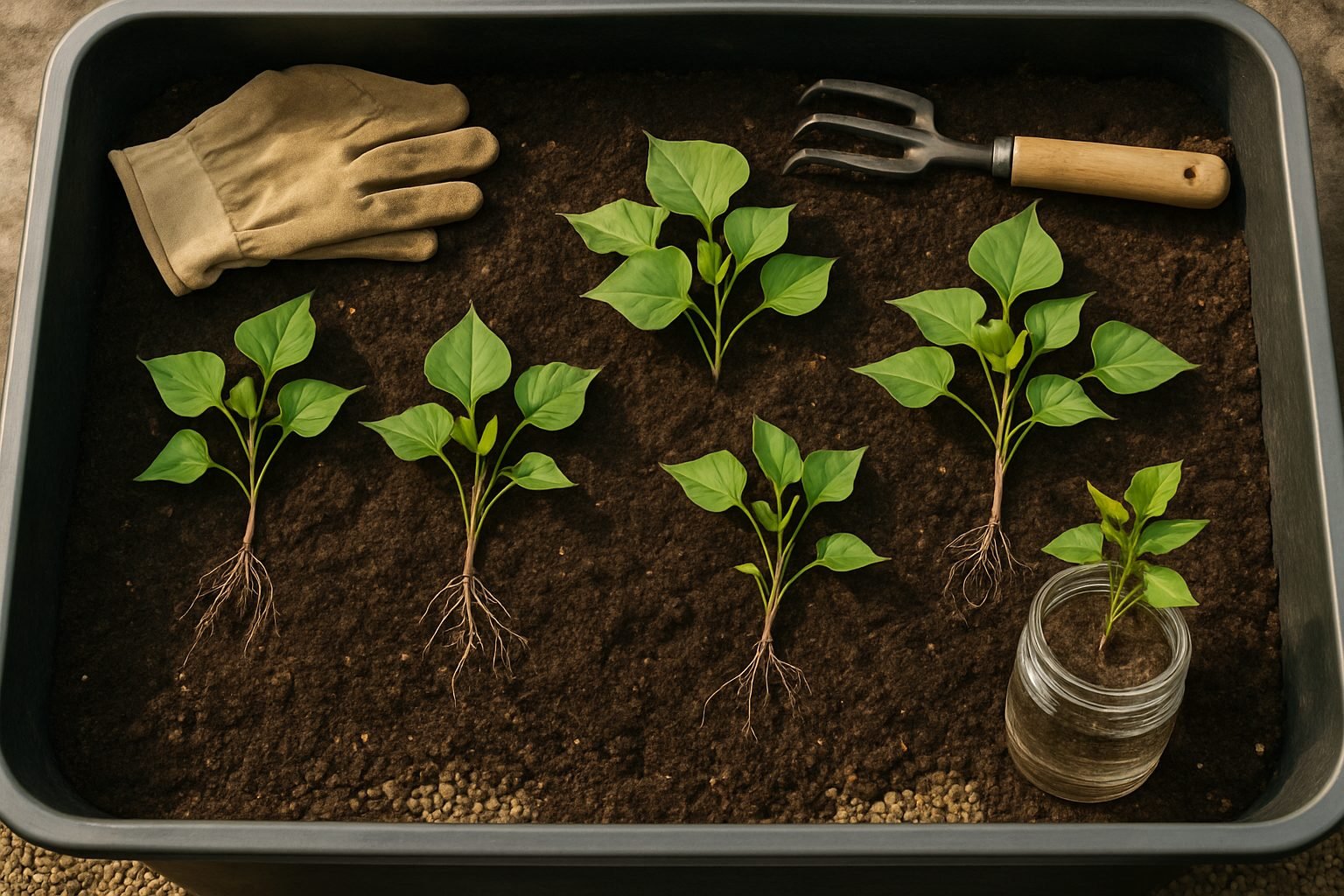
Getting the correct sweet potato planting depth is essential for healthy root growth and a bountiful harvest. Start by choosing a sunny spot with loose, well-drained soil. Use a hand trowel or garden hoe to dig individual holes or a continuous trench, each about 4–6 inches deep—this depth ensures the lower stem can root well while preventing rot.
Space the holes or slips 12–18 inches apart in rows about 3 feet apart, giving your sweet potato vines room to sprawl and produce large tubers. To plant, gently insert each slip into the hole or trench, placing it at an angle if possible, and bury the stem so that about 2 or 3 leaves remain above the soil surface. Gently tamp the soil around the slip to eliminate air pockets, then water thoroughly to settle the soil.
If you’re planting multiple slips, setting them all with the same depth and orientation helps with even growth and easier maintenance later on.
During this process, be gentle—sweet potato slips are delicate and their roots break easily. If slips are especially long or leggy, you can trim a few lower leaves, leaving a bare stem section to bury.
Once all slips are planted, mulch the area with straw or grass clippings to conserve moisture and suppress weeds. Young slips may wilt the first day, so don’t panic; they typically rebound with good watering.
After planting, keep the soil consistently moist for at least two weeks to encourage root formation. Avoid waterlogging, since soggy soil can cause rot. As the plants grow, keep an eye out for weeds and ensure vines have space to spread.
Following these steps for sweet potato planting depth will help you set the stage for a rewarding harvest later in the season.
Troubleshooting: What Happens If You Plant Too Shallow or Too Deep?
Getting the sweet potato planting depth right is crucial, as both planting too shallow or too deep can cause significant problems for your crop. If slips are planted too shallowly, their roots are exposed to sun and wind, leading to rapid drying and making the plants highly susceptible to wilting—even after just a day or two. Shallow planting also means slips don’t develop a strong anchor, making them prone to uprooting by heavy rain or strong winds. This poor establishment often results in weak, thin vines and small or misshapen tubers.
On the other hand, planting slips too deeply can suffocate the developing roots, delay sprouting, and stunt plant growth. Deeply buried slips may struggle to break the surface, show yellowing leaves, and in some cases, fail to form storage roots altogether.
Keep an eye out for yellowing, drooping, or wilting leaves soon after planting—especially if your watering is on point—as these are classic signs of incorrect planting depth. Similarly, sluggish growth or very spindly vines could indicate slips planted too deep or too shallow.
If you suspect a problem, act quickly: gently dig around a slip or two to check root position. For slips planted too shallow, mound soil around the base, covering the lower leaves to help anchor and protect the roots. If slips are too deep, carefully lift and replant them at the proper depth—typically 2–3 inches deep, with leaves above ground. Water immediately afterwards to help the slips adjust, and within a week, you should notice improved vigor and healthier growth.
Other Factors Affecting Sweet Potato Success
While understanding sweet potato planting depth is essential, several other factors also influence the successful growth of your sweet potato slips. First, soil temperature plays a crucial role in slip establishment. Sweet potatoes thrive when soil temperatures are consistently above 60°F (16°C); planting too early in cool soil can slow growth or cause slips to rot. Before planting, check the soil temperature with a simple probe or thermometer.
Next, moisture levels need careful monitoring. Sweet potato slips require consistently moist—not waterlogged—soil for the first couple of weeks after planting. Daily or twice-daily watering may be necessary during hot, dry weather to help newly planted slips root. Once established, you can water less frequently, but avoid drought stress, which can lead to misshapen tubers.
Mulching is another valuable technique. Applying a 2–3 inch layer of straw, grass clippings, or shredded leaves helps regulate soil temperature, conserve moisture, and suppress weeds—all of which benefit slip growth. Timing also matters: aim to plant slips a couple of weeks after your region’s last frost date to avoid cold snaps.
As for companions, consider planting sweet potatoes alongside beans, basil, or marigolds; these can boost yield or deter pests. Avoid planting near squash or tomatoes, which may compete for space or attract similar pests.
Before planting, use this quick checklist:
- Clear weeds and debris
- Loosen the soil 10–12 inches deep
- Mix in compost for nutrients
- Check that the soil is warm
- Have mulch ready on hand
These preparatory steps, combined with proper sweet potato planting depth, provide the best foundation for a bountiful harvest.
Conclusion and Key Takeaways
Choosing the right sweet potato planting depth is essential for growing a healthy, robust crop. Planting slips too shallow risks exposing roots to sun and wind, which can lead to stunted growth or dry, damaged plants. On the other hand, planting them too deep can cause the stems to rot before they establish.
The sweet spot—literally—is to plant each slip so that about 4 to 6 inches (the bottom half) is below the surface. This encourages strong root systems while keeping the tender leaves above ground to soak up sunlight.
Remember to space your slips 12 to 18 inches apart to give them room to thrive, and always water thoroughly after planting to settle the soil around the roots. Mulching helps keep the soil moist and regulate temperature, especially during the hot summer months.
As your sweet potatoes grow, check occasionally for exposed roots and cover with soil as needed. Experimenting with slightly different depths may help depending on your specific climate or soil type, so don’t hesitate to try variations!
Have questions about planting slips or tips from your own gardening adventures? Drop a comment below—we’d love to hear about your successes and lessons learned.