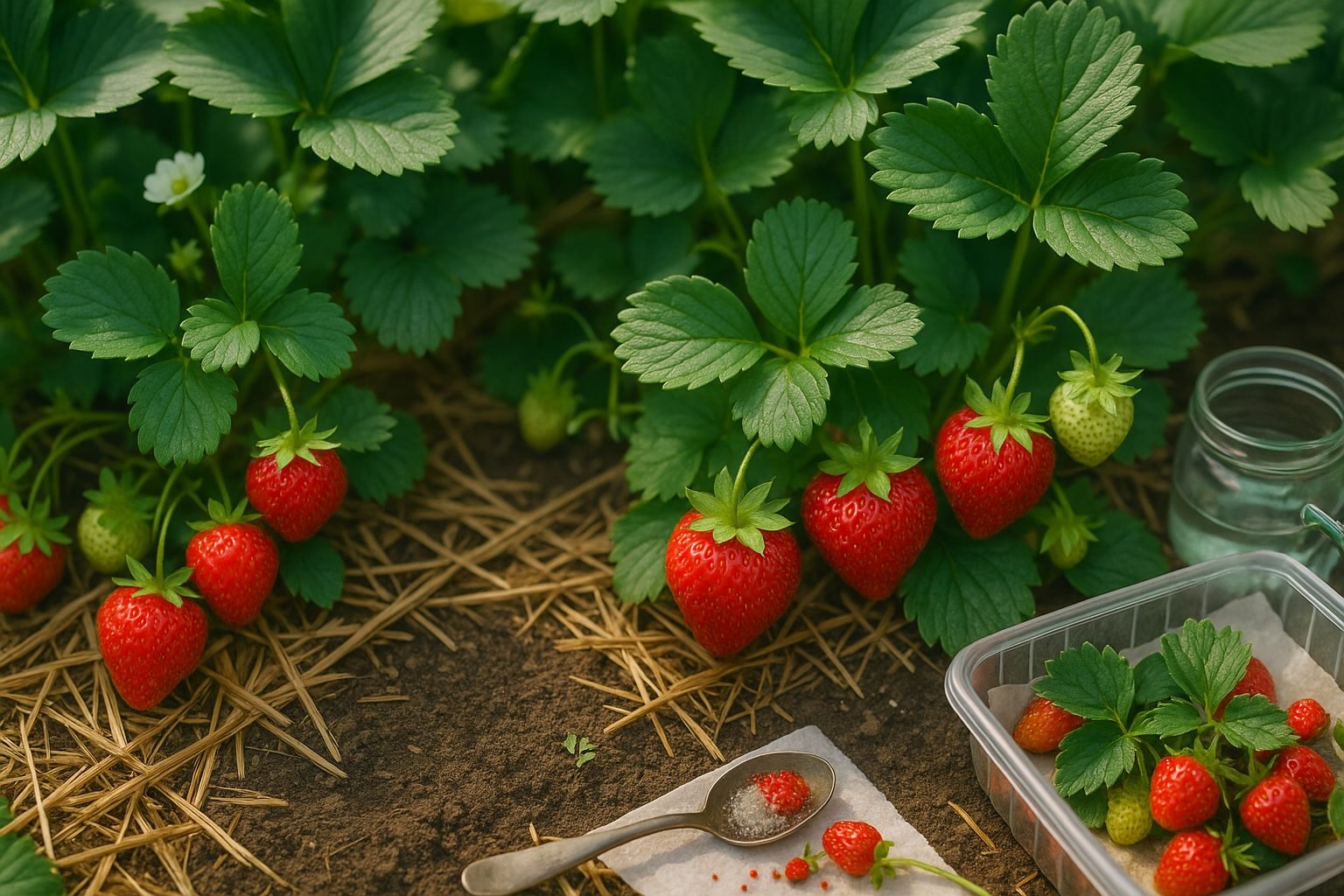
How Often to Water Strawberries
strawberry watering problems are more common than you might think, and knowing how often to water strawberries—without going too far in either direction—is key to growing healthy, productive plants.
For new strawberry transplants, moisture is crucial: aim to water daily for the first week and then every other day until they’re established. Once your strawberry bed is mature and spreading, switch to deep watering two to three times a week, letting the top inch of soil dry slightly before adding more.
When fruit begins to set and ripen, keep the soil evenly moist, as fruiting strawberries are at their thirstiest and suffer quickest from dry spells or soggy roots.
In hot, dry summers, check soil more frequently and increase watering if leaves wilt by midday; mulch can help manage evaporation. Conversely, during cool or humid spells, back off to prevent fungal issues or root rot, only watering when the soil feels dry beneath the surface.
Consistent soil moisture is vital—erratic watering leads to stunted growth, poor fruit set, or cracked berries. Overwatering causes yellow, limp leaves and even root rot, while underwatering results in wilted plants and small, seedy fruits.
The sweet spot is keeping soil damp but not waterlogged, always adapting to your local climate and the plants’ growth stage. Growing strawberries is a balancing act, but paying close attention to their changing hydration needs will reward you with a bumper crop every season.
Best Time of Day to Water Strawberries
Watering strawberries in the early morning is generally the best choice for healthy, productive plants. When you water in the morning, the cooler temperatures and lower sun intensity mean less moisture is lost to evaporation. This allows the roots to absorb more water and keeps the soil hydrated as the day heats up.
Early watering also gives the foliage plenty of time to dry out, which is important because damp leaves in the afternoon or overnight can invite fungal diseases like powdery mildew or leaf spot. These diseases thrive in moist, shaded environments, so ensuring the plant surface dries quickly is a simple, effective way to prevent them.
While morning is ideal, life isn’t always predictable—if you can’t water early, late afternoon is a safe alternative, as long as you allow enough time for leaves to dry before sunset. Try to avoid watering at night whenever possible, since this keeps both soil and leaves damp for long periods, increasing disease risk.
If your schedule only allows for evening watering, aim to water the soil directly at the plant’s base using a soaker hose to minimize moisture on the foliage. Mulching around your strawberry plants is another smart trick; it helps the soil retain moisture longer, giving you some flexibility with watering times and reducing how often you need to water on busy days.
Factors Affecting Water Needs
Several key factors influence how much water your plants need, and understanding these can help you avoid both overwatering and underwatering.
Soil type is crucial—sandy soils drain quickly and often need more frequent watering, while clay soils hold moisture longer, so you may water less often. Local weather also plays a significant role; hot, dry, or windy conditions increase evaporation, making plants thirstier, whereas cooler or humid days might require you to water less.
Whether your plants grow in containers or directly in-ground changes their water requirements, too: container plants usually dry out faster and need closer monitoring. Applying mulch is a simple, effective way to slow evaporation and keep soil moisture steady between waterings, especially during heat waves.
The age and growth stage of your plant matter as well: young seedlings have shallow roots and dry out quickly, requiring gentle and more frequent watering, while mature plants with established root systems are more tolerant of brief droughts and can be watered less often. Active growth stages—like flowering or fruiting—often mean your plant needs extra water to support all that energy use.
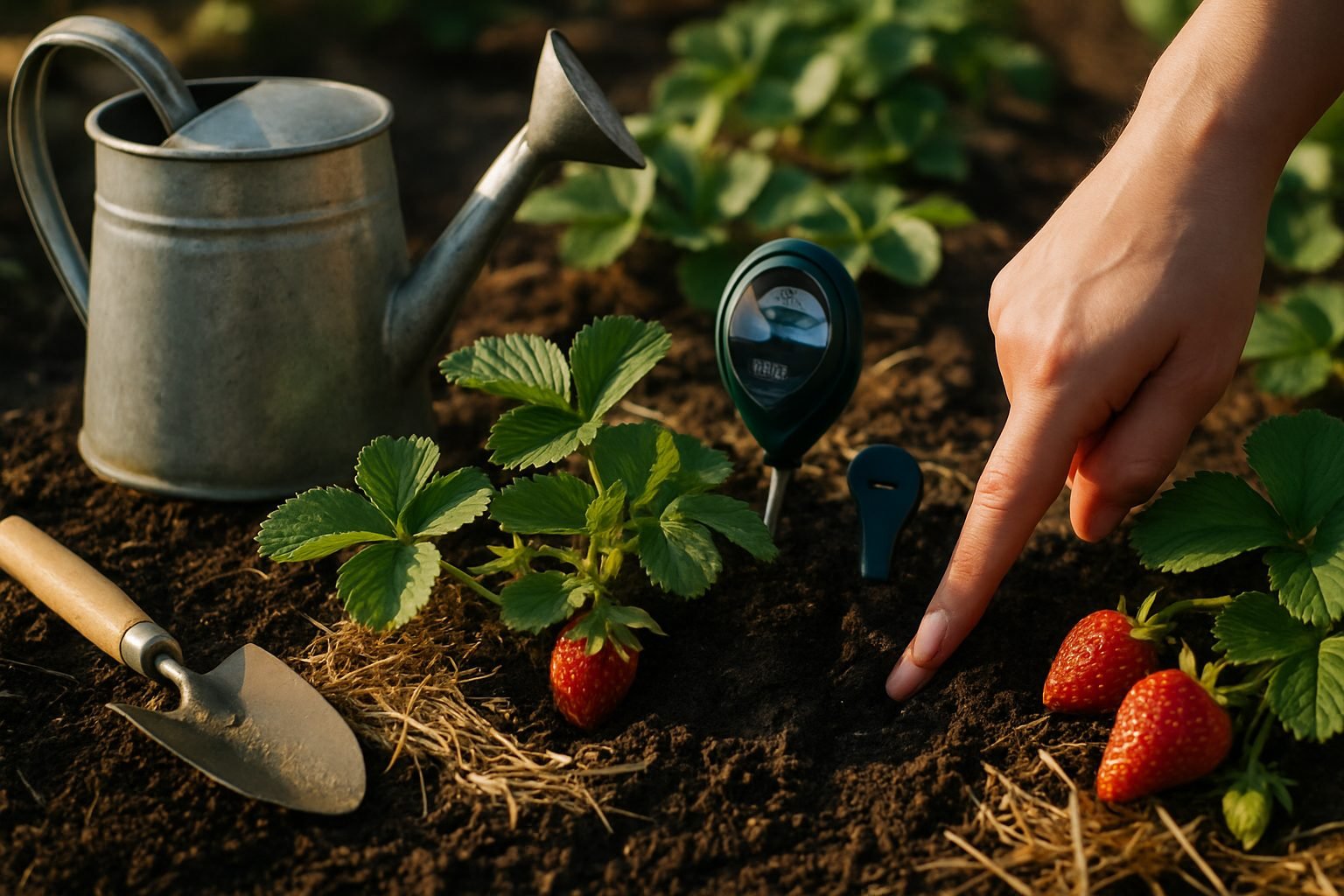
To avoid guessing, get into the habit of checking soil moisture before you water. Simply stick your finger an inch or two into the soil near the plant; if it feels dry, it’s time to water, but if it’s still damp, hold off a day or two. For container gardening, lifting the pot can also be a handy indicator: a dry pot is much lighter than a well-watered one.
These simple checks help you deliver just the right amount of water, ensuring healthy, resilient plants without waste.
How to Properly Water Strawberries
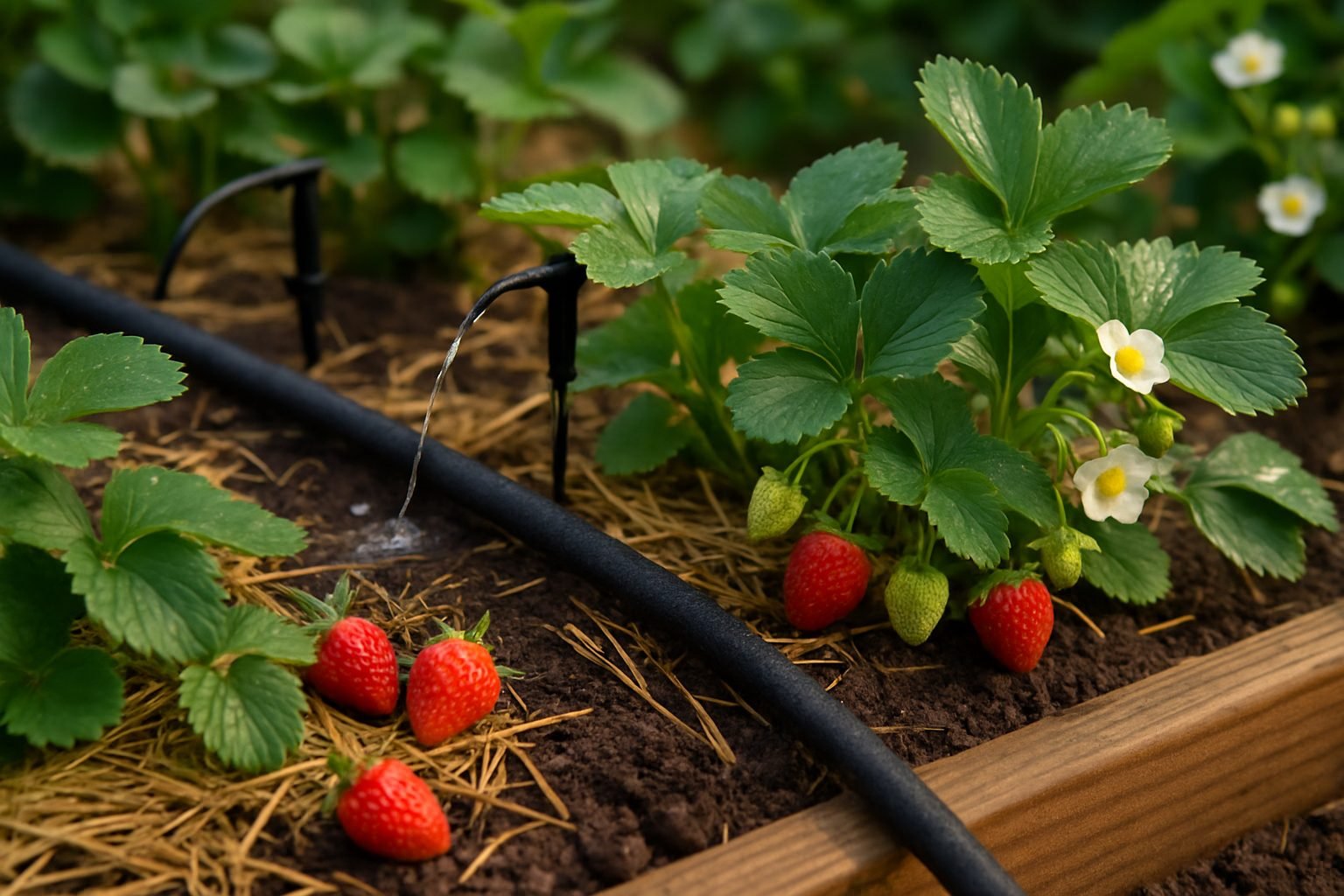
Properly watering strawberries is essential for juicy, healthy berries, and the right method makes all the difference. Drip irrigation is one of the best options, delivering water directly to the roots while keeping leaves and fruit dry—this lowers the risk of fungal diseases like powdery mildew.
Soaker hoses offer a similar benefit, slowly seeping water into the soil along the row. If you’re hand watering, aim the water at the base of each plant instead of spraying from above, and use a watering can with a narrow spout for better control.
Avoid watering late in the day, as wet foliage overnight can encourage disease. To make sure every plant gets enough moisture, water deeply but less often—this encourages strong root growth and helps the soil retain moisture.
Lay down a layer of straw mulch around your plants; it helps regulate soil moisture and prevents soil splashes, which can dirty the fruit or spread disease.
Watch for runoff by checking if water starts pooling or flowing away—if so, slow down or give your garden a short break between sessions to let the soil absorb the moisture evenly.
With these simple strategies, you’ll keep your strawberry patch hydrated and healthy all season long.
Signs of Overwatering and Underwatering
It’s surprisingly easy to overwater or underwater strawberry plants, and both can harm your harvest. Common signs of overwatering include yellowing or wilted leaves, a mushy crown, or black, rotten roots when dug up—sometimes with an unpleasant smell. You might also notice mold on the soil’s surface or an explosion of fungus gnats.
On the other hand, underwatered plants often have dry, crispy leaves, stunted growth, or drooping foliage that doesn’t perk up after sunrise. Brown leaf edges or brittle runners are other red flags.
If you suspect overwatering, ease back immediately and check that your container or garden soil drains freely. Consider amending the soil with sand or perlite if water pools after rain.
For underwatered plants, increase your watering frequency, making sure to saturate the root zone without creating puddles. Early morning watering is best to reduce evaporation loss. Drip irrigation or soaker hoses make consistent watering much easier, especially in the heat of summer.
To prevent problems, monitor soil moisture by sticking your finger about an inch deep—if it feels dry, it’s time to water; if it’s soggy, hold off. Regular checks, especially during hot spells or rainy periods, help you catch watering issues before they stress your plants. Investing in a simple soil moisture meter can take the guesswork out of this task, keeping your strawberry patch healthy and productive all season long.
Water Quality and Mulching for Strawberries
Clean, non-saline water is essential for healthy strawberry plants. Even moderate levels of salts and impurities can stunt growth, reduce fruit yield, and cause leaf burn or root stress. If you’re relying on well water or irrigation, have it tested regularly—high sodium or chlorine levels are surprisingly common and tough on delicate strawberries. Collecting rainwater or using filtered sources whenever possible helps avoid these issues.
Alongside good water, mulching is a game-changer for strawberries. By covering the soil with an organic layer, mulch locks in moisture, stabilizes soil temperature, and suppresses weeds that compete for nutrients. Straw, pine needles, or clean wood chips make excellent mulches—spread them 2-3 inches deep around your plants, leaving a small gap around the crowns to prevent rot.
Replenish mulch as it breaks down, especially after heavy rain or wind, and check for signs of pests hiding beneath. This low-effort practice pays off with plumper, sweeter berries and a lot less hassle from weeding or watering. For best results, keep mulch tidy and avoid using materials that harbor disease, like leaves from fruit trees, which might carry pathogens. With good water and dependable mulching, your strawberries will thrive all season long.
Dealing with Water-Related Issues
Water is essential for healthy plants, but it can also cause a host of problems if not managed carefully. Overwatering is a common culprit behind root rot, a condition where roots suffocate and decay due to excessive moisture. Always make sure containers have proper drainage and avoid letting plants sit in water.
Pests like fungus gnats thrive in persistently damp soil, so let the soil surface dry out between waterings and use yellow sticky traps to monitor infestations.
Another concern is nutrient leaching, where too much water washes away vital minerals before plants can absorb them. To counteract this, water deeply but less often, and periodically replenish nutrients with a balanced fertilizer.
Pay close attention to your plants’ signals: yellowing leaves or stunted growth may indicate water stress or nutrient deficiency, while wilting can be a symptom of both overwatering and underwatering. Adjust your watering routine based on these cues—test the soil’s moisture with your finger, and water only when the top inch feels dry.
Remember, most indoor and outdoor plants prefer their roots to dry out between waterings, especially during cooler months when growth slows. By observing your plants and responding promptly to their needs, you’ll keep common water-related problems at bay and set the stage for thriving, resilient growth.