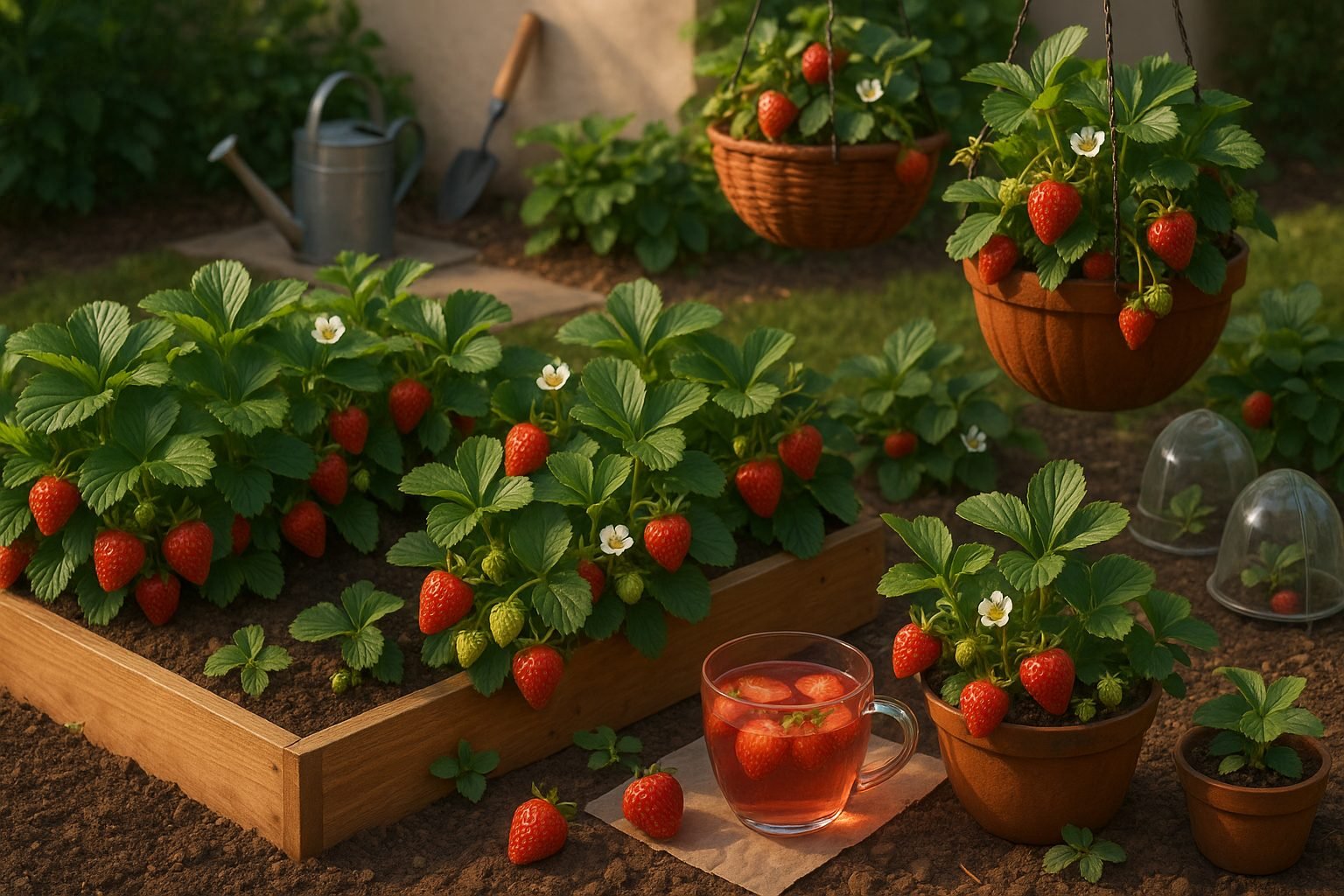
Introduction to Planting Strawberries
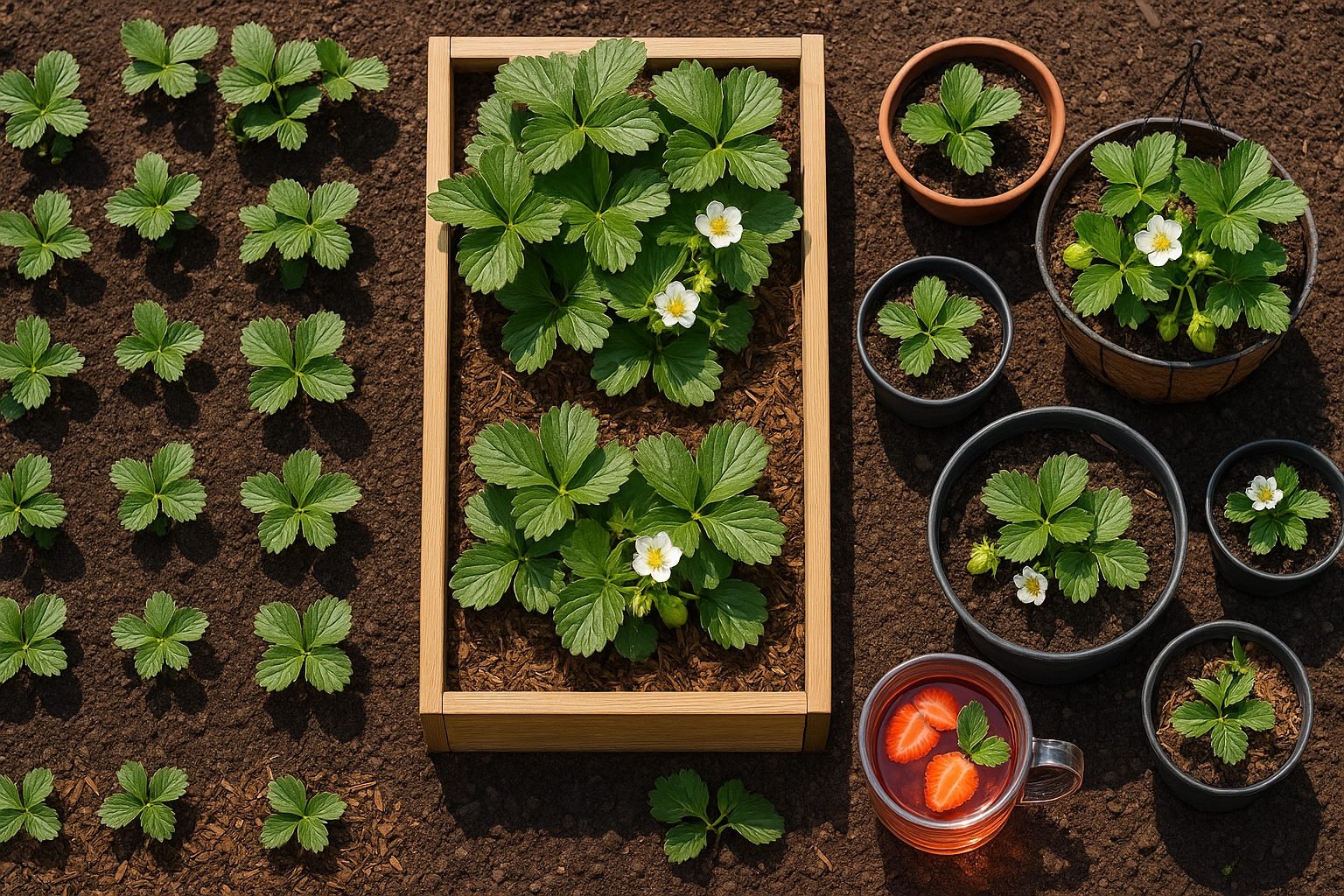
Strawberries are one of the most rewarding fruits to grow at home, and with the right strawberry layout, small space isn’t a barrier. Homegrown strawberries taste fresher, are free from unwanted chemicals, and picking them straight from the garden is a treat for kids and adults alike.
Plus, strawberries don’t need a sprawling backyard to thrive—many gardeners are now successfully cultivating them in suburban plots, small patios, and even sunny balconies. From traditional in-ground planting to raised beds and versatile containers, there are plenty of clever ways to make the most of your available area.
For example, raised beds offer excellent drainage and make maintenance easier, while hanging baskets and vertical planters can transform unused corners of your deck into productive strawberry patches. Even if you live in an apartment, a sunny window or compact balcony can support a few plants in pots.
This beginner-friendly guide focuses on practical strategies for planting and caring for strawberries, so you can experience a fruitful harvest—no matter how limited your space. We’ll walk you through choosing the best layout, selecting healthy plants, and keeping your strawberries happy and productive all season long.
With a bit of know-how, anyone can enjoy sweet homegrown berries, right where they live.
Choosing the Right Strawberry Variety
When selecting which strawberries to grow, it’s helpful to understand the three main types: June-bearing, everbearing, and day-neutral.
June-bearing strawberries produce one large crop in early summer, making them perfect if you want big harvests for jams or desserts all at once. Everbearing varieties yield two to three smaller harvests—usually in spring, summer, and early fall—so you can enjoy fresh berries throughout the season. Day-neutral strawberries offer a steady trickle of fruit from late spring right up until frost, ideal for gardeners who want a constant supply for snacking.
Your climate and garden space can help you decide which type to grow. June-bearers generally thrive best in regions with cold winters, while everbearing and day-neutral varieties adapt well to areas with milder climates and shorter growing seasons. If space is limited, everbearing and day-neutral plants work well in containers and hanging baskets since they don’t send out as many runners.
For personal preference, consider how you like to enjoy your berries—large, single harvests for preserving, or smaller, spread-out crops for fresh eating. Beginners should look for disease-resistant varieties, such as ‘Allstar’ for June-bearing, ‘Ozark Beauty’ for everbearing, or ‘Seascape’ for day-neutral types. These varieties handle common problems like verticillium wilt and powdery mildew better, so you spend less time troubleshooting and more time enjoying sweet, homegrown strawberries.
Always check with local nursery experts or cooperative extension services for recommendations that perform best in your specific region. Selecting the right variety for your needs makes strawberry growing more rewarding—and a lot more fun.
Preparing to Plant Strawberries
Getting ready to plant strawberries starts with timing: the best period for most regions is early spring, just as the soil can be worked and before plants break dormancy. In warm climates, you can also plant strawberries in late fall. Whichever time you choose, make sure your planting spot gets at least six hours of sunlight daily.
Begin by prepping your soil—strawberries thrive in well-draining, sandy loam with a pH between 5.5 and 6.8. Work in compost or well-rotted manure before planting to boost nutrients and improve soil texture.
For traditional in-ground beds, space your plants about 18 inches apart, with rows at least 2 feet apart to give runners room to spread. In raised beds, keep the same plant spacing, but make sure the soil is loose and drains well—raised beds heat up faster in spring, giving you a jump start on the season.
For containers, choose pots that are at least 12 inches wide and deep; plant one or two strawberries per pot so each has ample room for roots and foliage.
When planting, set each crown (the part where roots meet leaves) right at soil level—too deep or too shallow can stunt growth. Water thoroughly after planting and add mulch to suppress weeds and retain moisture.
Whether you’re using the ground, raised beds, or containers, following these easy steps ensures your strawberries establish quickly and yield a sweet harvest.
How to Plant Strawberries Step-by-Step
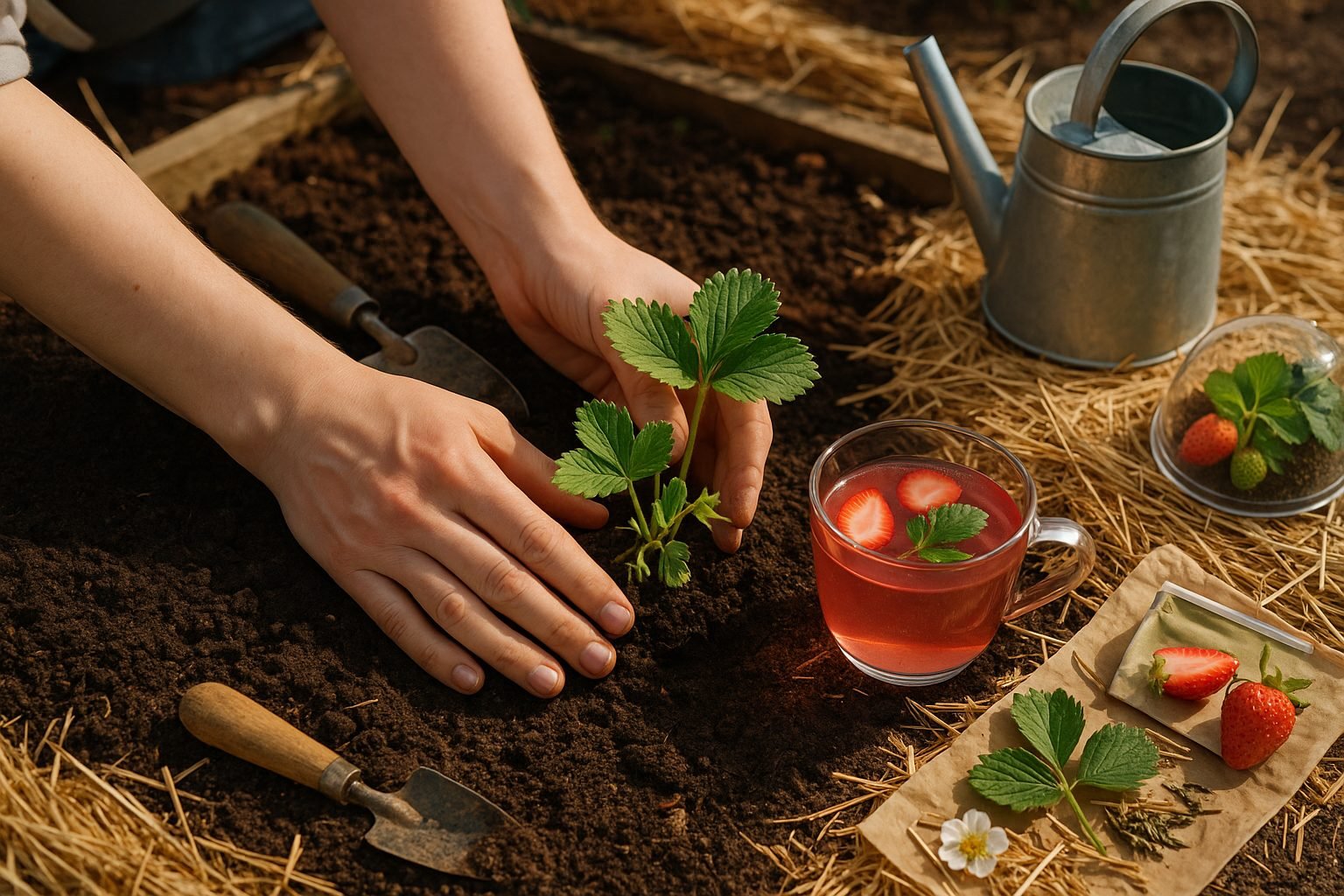
Starting your strawberry patch is easier than you might think, but a few key steps make all the difference for a healthy crop. Begin by gently taking your strawberry plants out of their packaging as soon as they arrive. Check the roots—if they look dry, soak them in cool water for about 20 minutes to rehydrate.
Choose a sunny spot with well-drained, fertile soil, and dig holes wide enough to spread the roots out comfortably. The most important part is setting the crown—the point where roots meet stem—exactly at soil level. Planting too deep can cause crowns to rot, while planting too shallow will expose roots to drying out.
Once positioned, fill in soil around the roots and press down gently to remove any air pockets. Water thoroughly right after planting; this settles the soil and ensures the roots make good contact.
To help your young plants thrive, spread a 2-3 inch layer of clean straw or mulch around them. This keeps moisture in, suppresses weeds, and prevents soil from splashing onto the leaves.
If late frosts are expected or birds are a concern, protect your strawberries with lightweight row covers or netting. With these steps, your strawberries should establish quickly, giving you a healthy, fruitful start to the season.
Essential Strawberry Care Tips
To keep your strawberry plants thriving and productive, pay close attention to their care throughout the growing season. Strawberries need consistent watering—aim for about one inch per week, increasing a bit if the weather is hot or dry. Water in the morning and make sure to keep the soil evenly moist but not soggy, as overwatering can lead to root rot.
Fertilize lightly with a balanced fertilizer when new growth appears in spring, and again after the first harvest to help fuel the next round of fruit. When it comes to sunlight, strawberries love full sun, so pick a spot where they’ll get at least six to eight hours of direct sunlight daily for the best results and sweet, juicy fruit.
Pruning is also key: trim off any dead or yellowing leaves regularly to keep plants healthy and pest-free. Manage runners—the long stems that strawberry plants send out—by snipping off most of them, especially in the first year, so the plant can put energy into growing roots and berries instead of spreading.
For pest prevention, keep the area weed-free and remove any fallen fruit to reduce the chances of attracting bugs or disease; a layer of straw mulch can also discourage slugs and keep fruit clean.
As autumn approaches in colder climates, help your strawberries survive winter by cutting back leaves and applying a thick layer of straw mulch over the plants after the first frost. This insulates the roots and crowns from freezing temperatures. In early spring, once the danger of frost has passed, remove most of the mulch but leave a thin layer to suppress weeds.
By following these simple care tips—watering regularly, feeding and pruning smartly, managing runners, and protecting plants through the winter—you’ll enjoy healthy strawberry plants that offer plenty of sweet berries season after season.
Maximizing Strawberry Harvests
To get the most out of your strawberry patch, start by giving each plant enough room to thrive—space them about 12 to 18 inches apart in rows that are 2 to 3 feet apart. This spacing keeps air flowing, reduces disease, and helps berries ripen evenly.
As your plants grow, you’ll notice runners (the thin stems that sprawl and root new baby plants). While it’s tempting to let them multiply, too many runners can crowd your patch and sap energy from fruit production. Limit runners by snipping off most and allowing only a few new plants if you want to expand your bed.
For the best yields, encourage bees and pollinators with nearby flowers such as lavender or marigold; gentle shaking of the plants during flowering can also help distribute pollen.
If you love strawberries, aim to plant about 10 to 12 plants per person for generous picking all season.
When harvest time arrives—usually a month after blossoms appear—pick berries in the cool of the morning when they are fully red, plump, and fragrant. Gently twist them from the stem rather than pulling.
Regular harvesting every two to three days ensures you catch berries at peak sweetness and encourages the plants to produce even more.
Be gentle with the fruit and handle only those ready for eating; under- or overripe berries won’t develop the same irresistible flavor.
With the right care, you’ll enjoy a bumper crop of juicy, sweet strawberries throughout the summer.
Growing Strawberries in Containers and Small Spaces
Growing strawberries in containers is a smart way to enjoy fresh berries, even if you don’t have a big garden. Start by choosing containers that are at least 12–14 inches wide and deep; strawberries need room for their roots to spread out and thrive. Make sure your pots have drainage holes, as strawberries hate soggy soil—extra water should flow out easily to prevent root rot.
For the potting mix, use a high-quality, soilless mix that drains well and is packed with organic matter to support healthy growth. When it comes to varieties, look for compact or everbearing types such as Albion, Evie 2, or Quinault; these are known for producing berries throughout the season and staying manageable in pots. Mignonette and Tristar are also good options for hanging baskets or smaller planters.
If you’re short on floor space, get creative: vertical strawberry planters, wall-mounted pockets, or tiered growing systems let you stack multiple plants in a small footprint, making them perfect for balconies and patios. Even repurposed pallets or DIY tower gardens can work—just ensure every section gets sunlight and is easy to water.
Remember to place your container strawberries where they get at least six hours of sunlight a day, and check the soil frequently—potted plants dry out faster than those in the ground. With the right setup, you can enjoy sweet, homegrown strawberries no matter how limited your space is.
Troubleshooting Common Strawberry Problems
Growing strawberries can be tricky, as these sweet berries often face challenges like leaf diseases, insect pests, and disappointing fruit yields.
Powdery mildew and gray mold are common fungal issues—remove affected leaves promptly and ensure good airflow by spacing plants well. If you spot tiny holes or deformed fruit, slugs or strawberry weevils might be the culprits; handpick pests or use copper tape barriers to protect your crop.
Poor fruiting often results from insufficient sunlight, crowded plants, or old strawberry crowns. Make sure your patch gets at least 6 hours of sun daily and replace plants every 3-4 years for maximum harvests. Regularly mulching with straw helps keep berries clean and deters some pests.
For tricky issues like persistent wilting or unidentified bugs, consult your local extension office or trusted gardening resources such as the University of Minnesota Extension or RHS Gardening.
Don’t let setbacks discourage you—each season is a chance to experiment, observe, and improve your approach. With patience and attentive care, you’ll learn what works best for your own berry patch and soon enjoy juicy, homegrown strawberries.