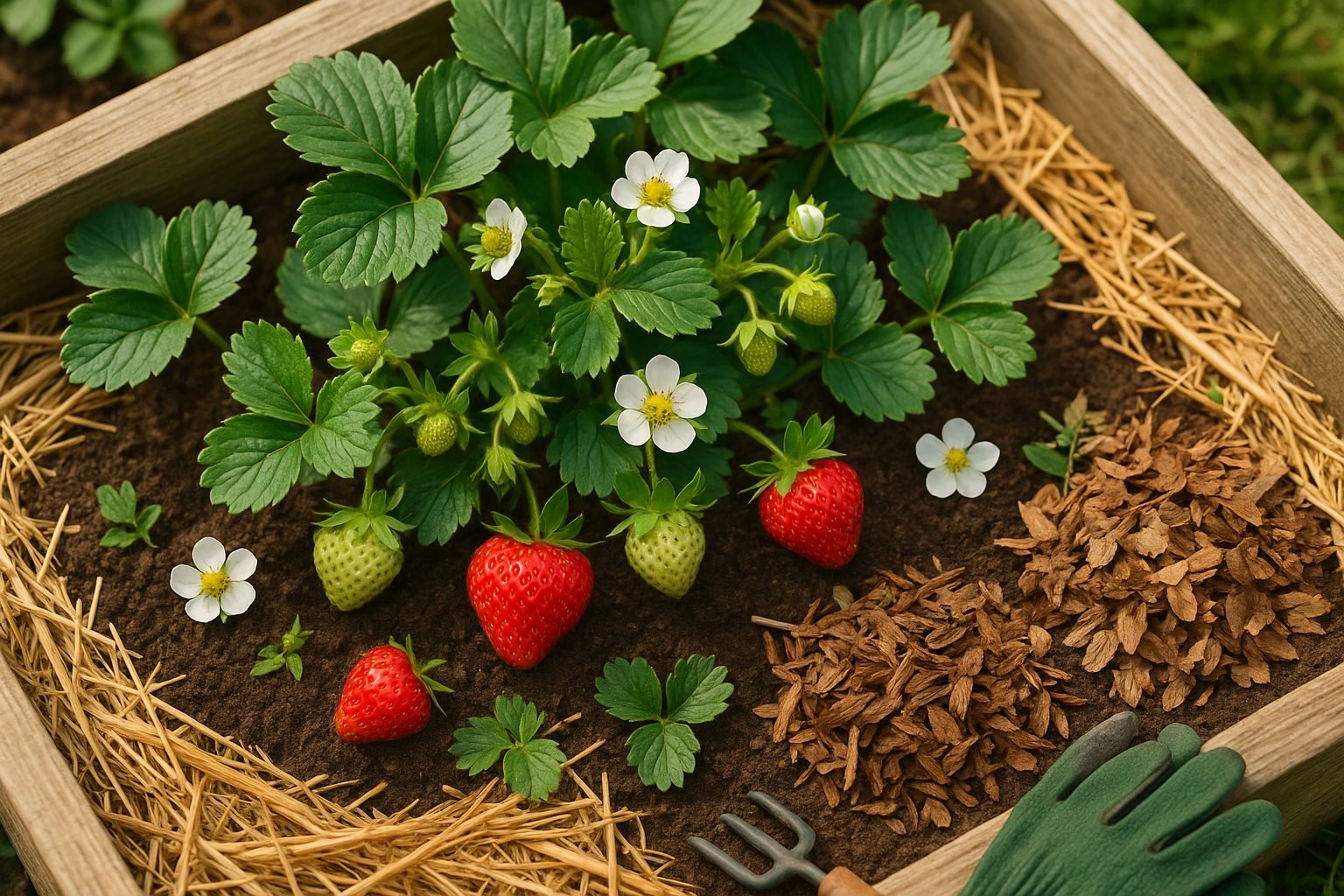
Introduction
Strawberries are a favorite for home gardeners thanks to their sweet flavor, easy cultivation, and versatility in everything from breakfast bowls to summer desserts. Knowing the strawberry growth stages is essential if you want a thriving harvest, whether you’re new to gardening or already have a few seasons under your belt.
By understanding when and how your strawberry plants develop—from planting those first bare-root crowns to watching tiny blossoms turn into juicy red berries—you can time your care for optimal health and yield. In this blog post, we’ll break down each major stage in a strawberry’s life cycle, including germination, leaf development, flowering, fruit set, and ripening.
We’ll also explore important factors that influence how quickly your strawberries grow, like soil quality, sunlight, watering routines, and temperature. With real-world tips and practical advice, you’ll learn to spot the signs your plants are on track, make simple adjustments when needed, and maximize your harvest season after season.
Dive in and discover why mastering the strawberry growth stages is the secret to enjoying baskets of homegrown berries all summer long.
The Strawberry Life Cycle
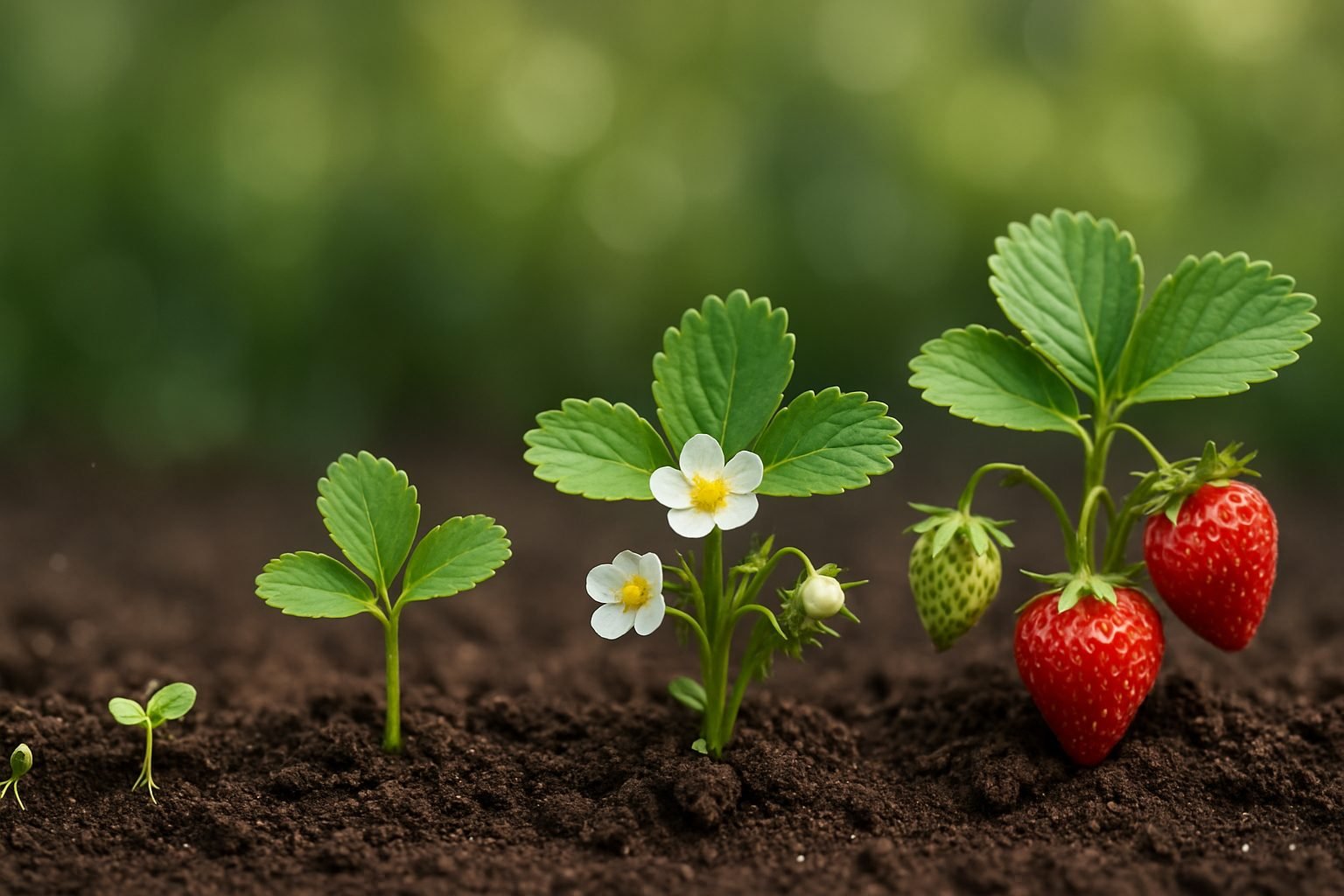
The strawberry life cycle begins with germination, where seeds—usually found on the outer layer of the fruit—sprout within 1 to 6 weeks if planted under warm, moist conditions. Soon after, tiny seedlings emerge, developing their first set of leaves in about 2 to 4 weeks. This is a fragile stage, requiring consistent moisture and gentle sun.
As the plant matures into the vegetative growth phase, which typically lasts 2 to 3 months, strawberries produce more leaves and runners, expanding their root systems rapidly—especially with proper spacing and nutrient-rich soil.
Next comes flowering, generally taking place 3 to 4 months after planting. Flowering can last a few weeks and signals the plant’s energy shifting toward fruit production.
Fruiting soon follows, as berries begin to swell and ripen in just a few weeks. Depending on the variety and temperature, you may harvest fruit as soon as 4 to 6 weeks after flowering starts.
Finally, the plant enters senescence, a natural slowing down or dormancy. Leaves may yellow and growth halts, usually at the end of the growing season.
Types of Strawberries and Their Harvest Times
- June-bearing strawberries: Produce one large crop per year, mainly in late spring or early summer, perfect for large harvests.
- Everbearing varieties: Offer two to three smaller harvests throughout the season—spring and late summer.
- Day-neutral types: Can continuously produce fruit from late spring until frost, as long as temperatures stay between 35°F and 85°F.
When choosing a variety, consider your desired harvest window and local climate to make the most of your strawberry crop.
Stage-by-Stage Growth Breakdown
Understanding plant growth means recognizing the distinct stages and knowing what to look for at each one.
In the first stage—root formation, typically happening within the first week or two after planting—seeds begin to sprout tiny roots as they anchor into the soil. During this stage, you’ll notice tiny white root hairs if you gently brush away a bit of soil, and seedlings should start standing upright. A healthy sign is steady, daily growth and vibrant, white roots; discolored or mushy roots can signal overwatering or rot.
Next comes rapid leaf growth, usually 2-4 weeks in, when seedlings push up their first true leaves beyond the initial seed leaves (cotyledons). Plants should look perky, with leaves bright green and smooth; yellowing leaves, stunted growth, or drooping can hint at nutrient issues, too much or too little water, or insufficient light.
As plants mature—often 4-8 weeks from planting, though it varies by species—they enter flowering. Look for bud formation: clusters of tiny flowers or, in some crops, swelling leaf nodes. A healthy plant will have strong stems and abundant blooms, while sparse, misshapen, or dropping buds can indicate stress or nutrient deficiency.
The final stage is fruiting, typically 1-3 months (or more) after planting, depending on the plant. Flowers fade and small fruits form, gradually swelling over days or weeks. Healthy development here includes firm fruits and vibrant color; watch for stalled growth, shriveled fruit, or discoloration as warning signs. For example, tomatoes may take 60-85 days from seed to ripe fruit, while lettuces can mature in a mere 30 days.
Regularly monitoring these growth milestones—root vigor, leaf color, bud health, and fruit set—helps catch problems early and keeps you on track for a good harvest. By learning what’s normal at each stage, you can spot delays (like slow sprouting or poor flowering) and make timely adjustments in care.
Factors Affecting Strawberry Growth Speed
Several key factors influence how quickly your strawberry plants grow and produce fruit. Understanding these can help you achieve a thriving harvest.
First, soil quality is essential—strawberries do best in well-draining, loamy soil that’s slightly acidic (pH 5.5–6.5). Heavy clay or overly sandy soils can slow root development and reduce yields. Mixing in compost before planting boosts soil nutrients and improves structure.
Sunlight is another crucial element; strawberries need at least 6–8 hours of direct sunlight each day for robust growth. Planting in shaded areas will likely result in smaller plants and fewer berries.
Water also plays a vital role—consistently moist (but not waterlogged) soil encourages steady root and leaf development. However, letting roots sit in puddles can cause rot or fungal problems. Aim for about an inch of water per week, adjusting during dry spells.
Temperature matters, too: strawberries prefer daytime temperatures between 60°F and 80°F. Growth will slow in extreme heat or cold, so planting after the last frost and mulching in hot climates can protect young plants.
Fertilizer can speed up growth if used wisely—too much nitrogen can make plants bushy with few berries. Use a balanced, slow-release fertilizer at planting and again when the plants flower.
The planting method also impacts how fast your strawberries mature. Wearing the patient gardener’s hat and starting from seeds can be rewarding, but seeds may take weeks to sprout and up to a year to yield fruit. Bare-root plants or transplants, available from nurseries, usually establish quickly and bear fruit in their first season, making them a smart choice for faster results.
However, several obstacles can slow things down no matter your preparation:
- Pests such as slugs, aphids, and spider mites can chew through leaves or roots, sapping the plant’s energy.
- Diseases like powdery mildew or root rot are common in damp, poorly ventilated environments.
- Poor drainage compounds these issues, as strawberries dislike having “wet feet.” Planting in raised beds or rows can help keep roots healthy.
Regularly checking plants for pests, allowing plenty of space for air movement, and rotating crops each year can minimize these setbacks. By taking these factors into account, you’ll set the stage for faster-growing, more productive strawberry plants and enjoy those sweet rewards sooner.
Tips for Accelerating Strawberry Growth
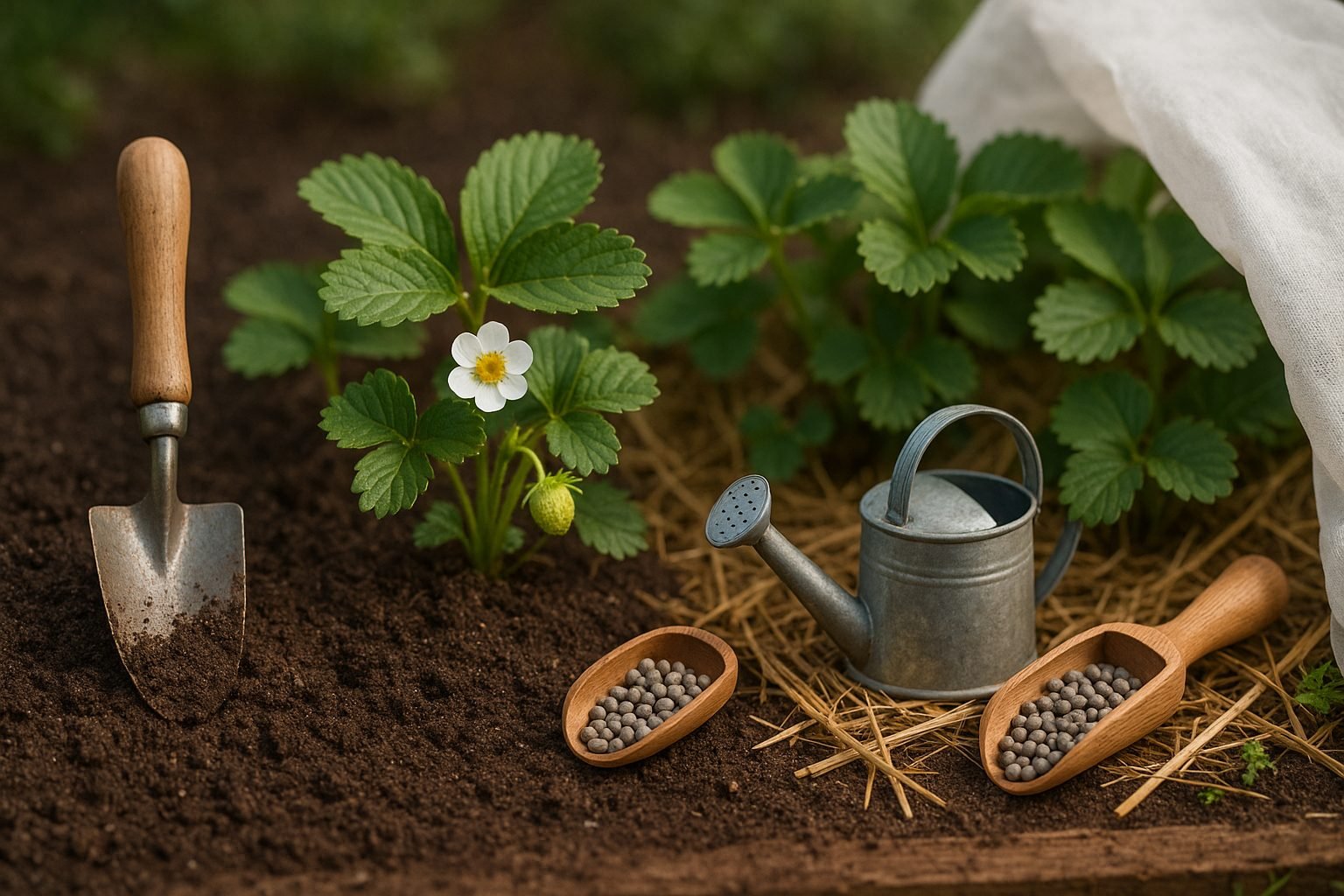
To help your strawberries thrive and reach harvest more quickly, start by choosing a variety that suits your local climate—June-bearing types do well in cooler areas, while everbearing or day-neutral varieties excel in warmer zones.
Begin with raised beds to ensure excellent drainage and warmer soil, which encourages early root development. Space your plants about 12-18 inches apart to give each one ample room for sun exposure and air circulation. This can prevent disease and promote faster growth.
Mulching around the plants with straw or pine needles conserves moisture, keeps berries clean, and suppresses weeds that compete for nutrients. Water your strawberries consistently, aiming for about one inch per week, and try watering in the morning to reduce fungal risk. Drip irrigation or a soaker hose works best to avoid wetting the leaves.
Protect young plants from pests and unexpected frosts by using lightweight row covers, which can be easily removed as the weather warms. Companion planting with herbs like basil or borage can deter pests and attract pollinators, leading to healthier, more productive plants.
Lastly, remove runners during the first season to direct the plant’s energy into root and fruit development instead of spreading, ensuring a stronger and faster yield. With these practical steps, your strawberry patch will be well on its way to producing sweet, healthy fruit in no time.
Troubleshooting Slow or Stunted Strawberry Growth
Slow or stunted strawberry growth can be frustrating, but pinpointing the problem is the first step toward recovery. Common culprits include fungal infections like powdery mildew or root rot, which often show up as wilted or yellowing leaves. If you notice these signs, remove infected leaves, improve air circulation, and use a fungicide approved for strawberries.
Pests such as slugs, aphids, and spider mites can also stunt growth. Check leaves regularly for tiny holes, sticky residue, or webbing, and use organic pest controls like neem oil or diatomaceous earth.
Nutrient deficiencies, especially of nitrogen or potassium, are frequent causes of poor growth. Yellowed leaves or lack of new runners often signal this issue, so apply a balanced, slow-release fertilizer suited for berries.
Overcrowded or waterlogged beds can choke roots. Make sure your patch has good drainage and enough spacing between plants—generally about 12-18 inches apart.
Reviving struggling plants usually involves a combination of:
- Removing diseased material
- Feeding with a dilute fertilizer
- Watering deeply but less often
- Mulching with straw to keep roots cool and weeds at bay
However, if a plant fails to improve after these steps, or if more than half its leaves are discolored or stunted, it’s often faster and more effective to remove and replace it. Sometimes, old plants (more than three years) simply stop producing well, so don’t hesitate to restart with fresh, disease-free stock from a reputable nursery—your next season’s harvest will thank you.
Regularly monitoring your strawberry patch for early trouble signs and acting quickly helps keep your plants healthy and productive.
Harvesting and Enjoying Your Strawberries
Knowing exactly when to pick your strawberries makes all the difference in taste. Look for berries that are fully red, with no traces of green or white near the stem—color is a key sign of ripeness. The berries should feel firm but give slightly under gentle pressure, and a sweet, fragrant aroma is another clue they’re ready to harvest.
Avoid picking strawberries too early, as they won’t ripen further once off the plant, and their flavor will be less sweet. To harvest without bruising, gently pinch the stem about a half inch above the berry and twist; this helps keep the delicate fruit intact and preserves its shelf life. Morning, when temperatures are cooler, is the best time to pick, as berries stay firmer and tastier.
Once picked, enjoy strawberries right away for the juiciest flavor—try adding them to cereal, blending into smoothies, or simply snacking fresh. If you need to store them, place unwashed berries in a shallow container lined with paper towels to prevent moisture buildup, then refrigerate. They’ll last two to three days this way.
For a quick dessert, toss freshly picked berries with a little sugar and let them macerate for about 15 minutes, or top them with a dollop of whipped cream. If you find yourself with more berries than you can eat in a few days, consider slicing and freezing them on a baking sheet before transferring to a freezer bag for longer storage—perfect for tossing into yogurt or baking later.
With just a little care at harvest, you’ll enjoy sweeter berries and cut down on waste.
Conclusion
Growing strawberries is a rewarding process, but it does require patience and attentiveness. The speed at which strawberries grow depends on several factors, including the variety you choose, weather conditions, soil quality, and how well you care for your plants.
On average, strawberries take several months from planting to harvest—typically around 60 to 90 days for June-bearing varieties, and a bit less for everbearing types.
Key Care Tips for Faster, Healthier Growth
- Plant in full sun
- Use well-drained, fertile soil
- Water deeply but not excessively
- Stay on top of pests and diseases
- Mulch to retain moisture and reduce weeds
Don’t get discouraged if your first crop takes a little longer; strawberries often produce best in their second year. Success comes from consistent care and learning what works in your unique space.
For more information on choosing the right strawberry varieties or ongoing maintenance, check out our recommended resources or gardening guides so you can confidently enjoy sweet, homegrown berries season after season.