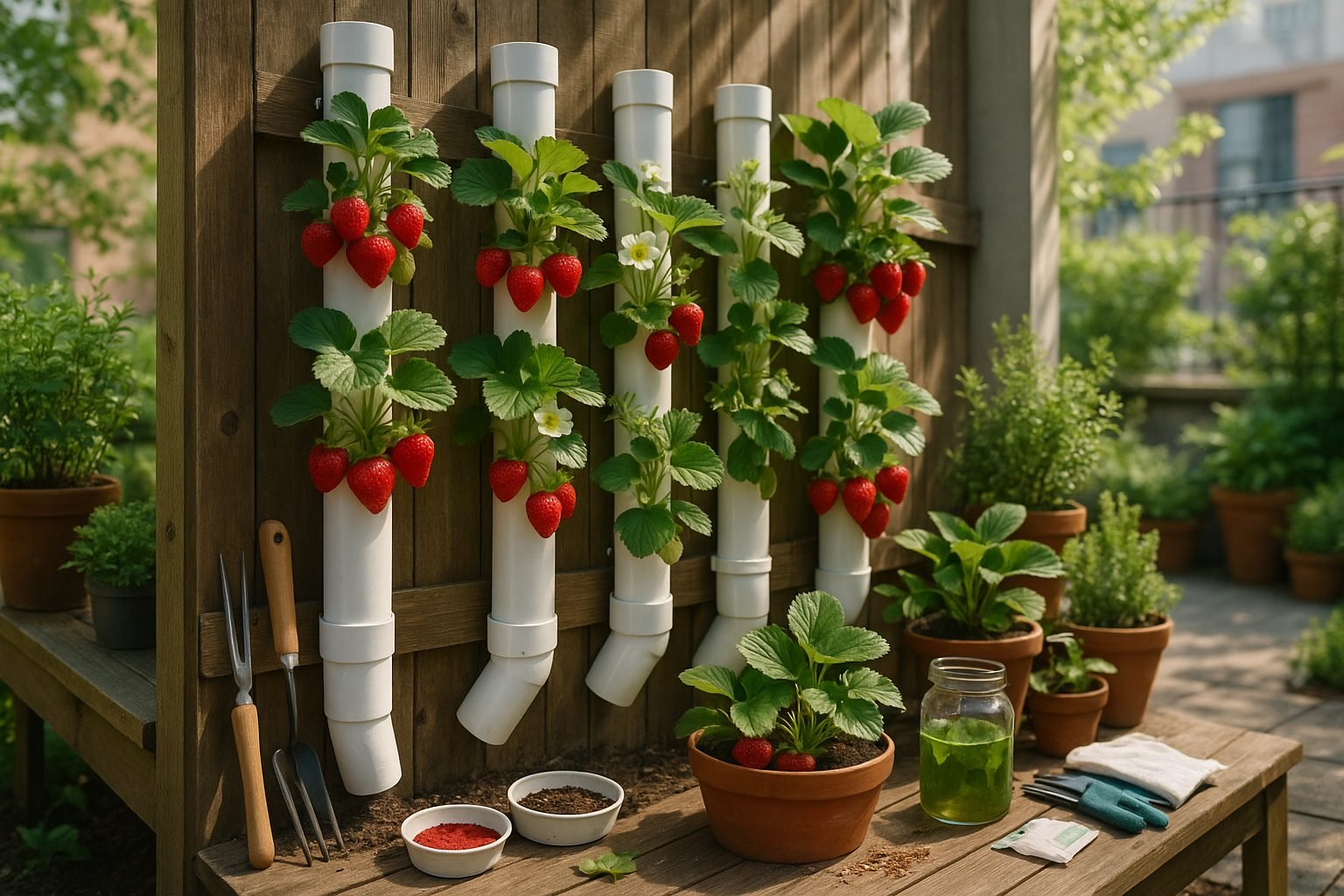
Introduction to PVC Strawberry Planters
Growing strawberries in PVC planters offers a creative and efficient way to harvest sweet, sun-ripened berries even when space is limited. Imagine rows of vibrant strawberry plants bursting from holes in upright pipes or gutters, transforming a bland wall into a lush, edible display. Vertical PVC strawberry planters make this vision a reality and are a game-changer for urban gardeners, balcony growers, or anyone looking to maximize food production in a small backyard.
By repurposing leftover PVC pipes or old gutters, you can create a vertical garden that uses minimal ground space and helps the environment by reducing waste. Not only do these vertical planters maximize planting room, but they also simplify harvesting, as berries grow within arm’s reach and away from pests on the ground.
This method is ideal if you’ve ever thought you couldn’t grow strawberries due to limited garden beds or lack of a sunny spot. City dwellers can utilize PVC planters on apartment balconies or compact patios, turning unused vertical space into a productive garden. Families with small children will appreciate how easy it is to pick fresh strawberries without bending over or dealing with muddy soil. Plus, if you enjoy DIY projects, building a strawberry tower from PVC is an affordable, hands-on weekend activity that requires only basic tools and a bit of imagination.
You don’t need a green thumb or complex equipment to get started—just some pipes or gutters, potting mix, and healthy strawberry seedlings. Soon, bright berries will dangle where you once had empty railings or bare patios. Whether you’re craving homegrown fruit, want to teach kids about gardening, or simply want to add a pop of greenery to your living space, vertical PVC strawberry planters are an innovative, space-saving solution ready for you to try.
What You Need: Tools, Materials, and Prep Work
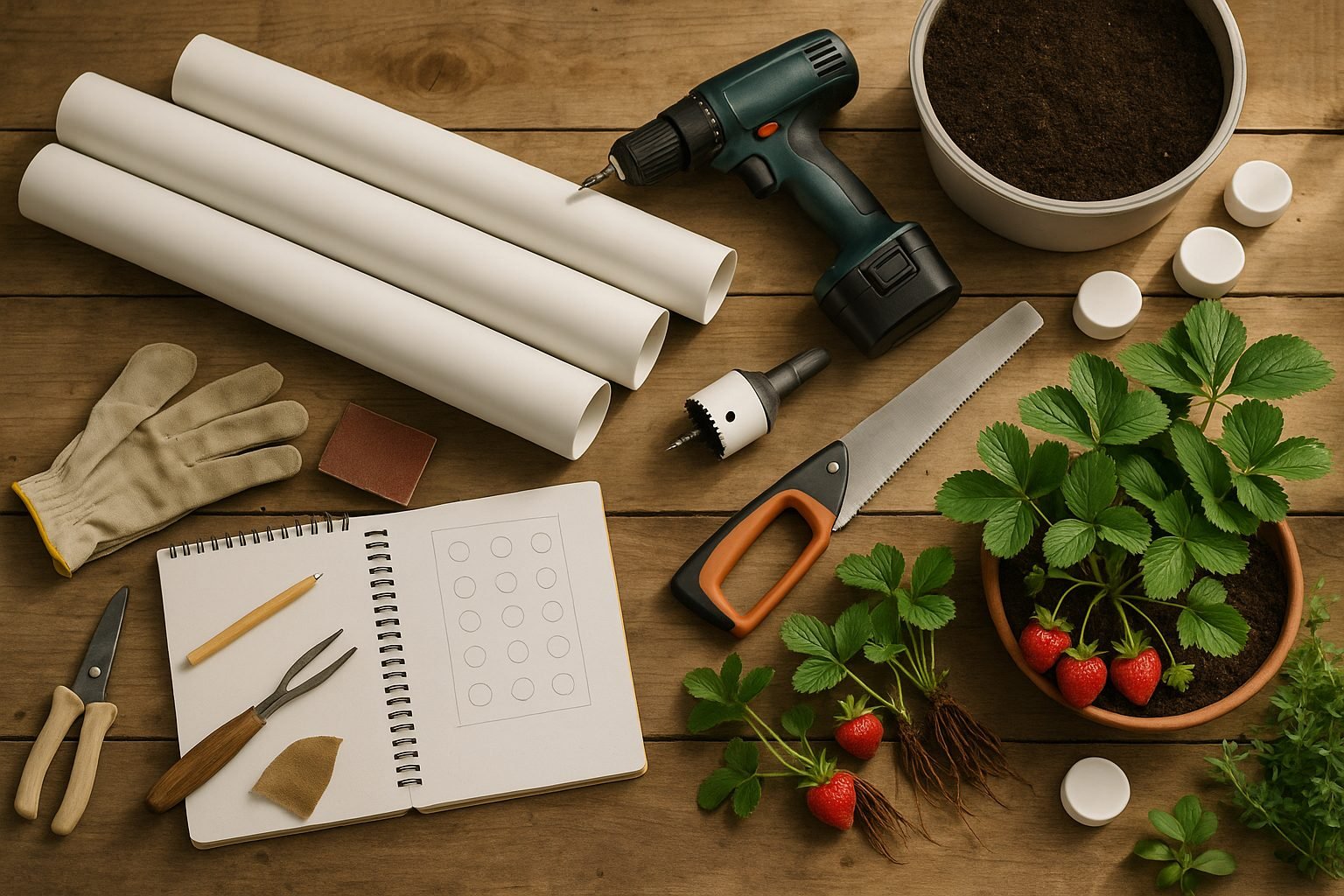
To get started with your vertical strawberry planter project, you’ll need a few basic tools and materials: PVC pipe (4 to 6 inches in diameter works well for most gardens), end caps to seal the bottom, a drill with a hole saw or standard drill bits, potting soil, strawberry plants, and a sturdy saw for cutting the pipe to your desired height.
For extra stability, some gardeners like to use a mounting bracket or rebar to anchor the pipe in place. When choosing your PVC pipe size, consider both your available space and how many strawberries you want to grow—smaller balconies might do better with a 4-inch pipe, while spacious yards can support wider pipes for more plants.
Before assembly, lay out your workspace and plan where the planter will go, making sure your strawberries will get at least six hours of sunlight each day. To keep your plants healthy, it’s smart to wash and sanitize all materials, especially recycled PVC pipes and tools, to remove any harmful residues or pathogens.
Take a moment to sketch out the hole placement on the pipe for plant spacing—marking evenly spaced holes in a spiral pattern makes the most efficient use of space and gives each plant good access to light. With your tools ready, materials cleaned, and location picked, you’re all set for hassle-free assembly and healthy, happy strawberries.
Step-by-Step: Building Your PVC Strawberry Planter
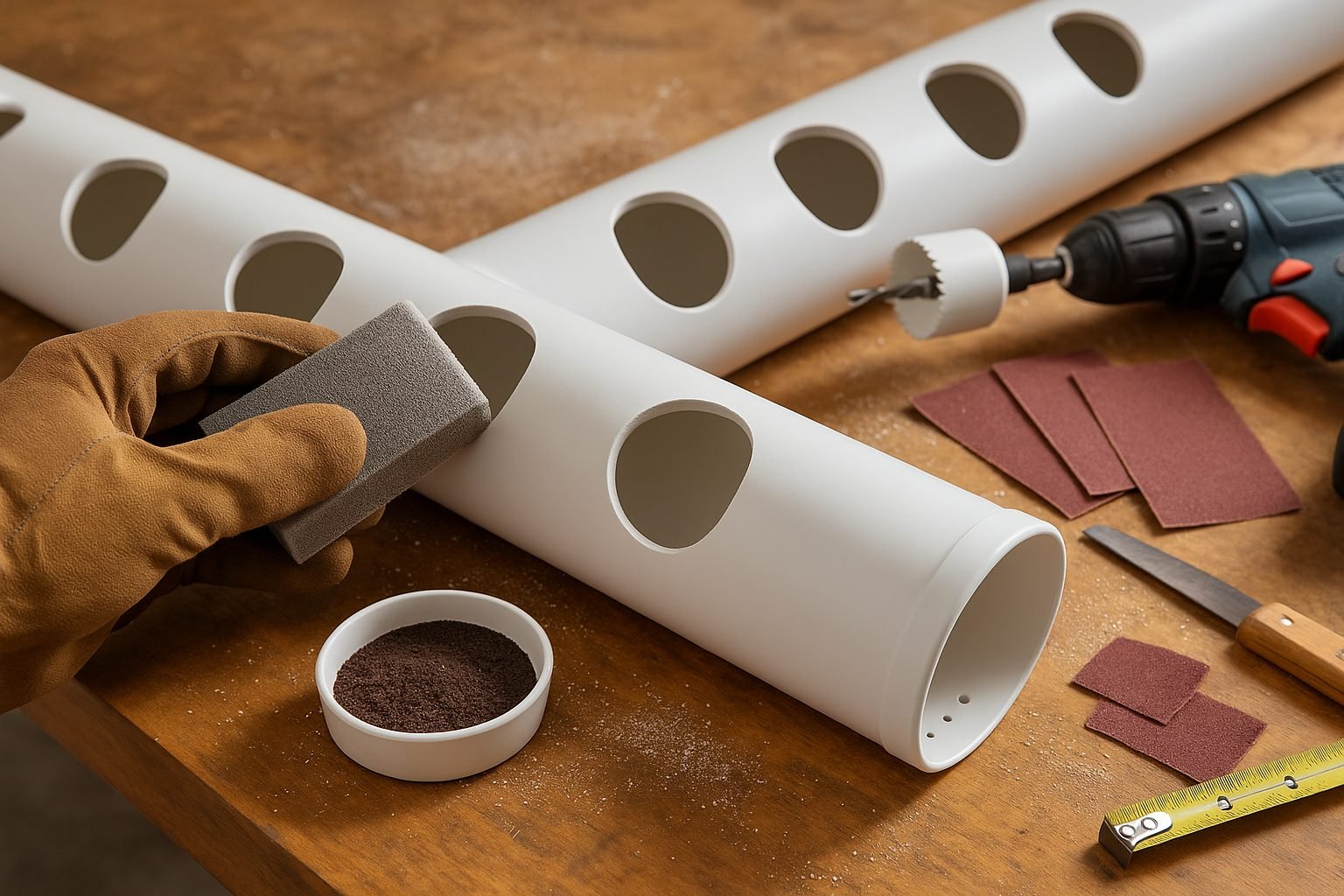
Begin by laying your PVC pipe flat and marking where you’ll cut the planting openings. Aim for holes about 2-3 inches in diameter, spacing them evenly along the length to give each strawberry plant room to grow. Try staggering the openings so the plants don’t compete for sunlight. Use a hole saw attachment on your drill for smooth, easy cuts, and keep safety goggles on to protect your eyes from flying debris.
After cutting all the holes, flip the pipe and drill several smaller drainage holes, about ½ inch wide, along the bottom. Proper drainage is essential to prevent water from pooling, which can lead to root rot and unhealthy plants.
Once all holes are cut, take a few minutes to sand the sharp edges thoroughly using medium-grit sandpaper. This step helps prevent cuts to your hands and also protects tender strawberry roots from sharp PVC. After sanding, wipe the entire pipe with a damp cloth or hose it down to remove dust and shavings that could clog drainage or harm plants.
Place end caps securely onto both ends of the pipe—using PVC glue or a tight snap-fit—so soil and roots stay contained. For stability, stand the finished planter upright and anchor it by nestling the bottom cap in a heavy pot or bucket filled with rocks or gravel. You can also secure it vertically against a fence or wall using sturdy brackets.
With your planter prepped and positioned, you’re ready to fill it with soil and start growing sweet, homegrown strawberries even in small spaces!
Planting and Filling for Strawberry Success
To set your strawberries up for success, start by selecting a well-draining planter—tower planters, vertical bags, or hanging baskets are all great options. Begin with a rich, fluffy soil mix made from equal parts high-quality potting soil, compost, and a bit of perlite or coconut coir for aeration. Avoid using dense garden soil, as strawberries need good drainage to prevent root rot.
Before filling, dampen the mix slightly so it packs in without being soggy. As you fill the planter, pause every few inches to gently tamp down the soil and ensure there are no air pockets—this helps roots grow evenly.
When planting in a vertical or pocket-style container, use the bottom-up method: insert the lowest strawberry seedlings first through the lowest openings, teasing roots out and gently nestling them into the soil mix from the inside. Layer more soil up to just below the next opening, plant the next batch of seedlings, and repeat the process until you reach the top.
For open-topped planters, plant from the top down, arranging seedlings on the soil surface and spacing them about 8–10 inches apart for healthy airflow and easy picking. Bury roots so the crown—the point where leaves meet roots—sits just above soil level, as planting too deep can cause rot, but too shallow might dry the roots.
For each new layer or tier in your planter, leave a little breathing room between plants to prevent overcrowding and disease. After planting, water thoroughly to help the soil settle around the roots and check for any sunken crowns, lifting them gently if needed.
Mulching lightly with straw around the top of your planter helps keep the soil cool, moist, and weed-free. By focusing on good soil, careful planting technique, and ample space between each strawberry plant, you’ll encourage healthy growth and set the stage for juicy harvests all season long.
Keeping Your Strawberries Happy: Care and Maintenance
Caring for strawberries in vertical planters comes with its own set of challenges, especially when it comes to watering. Since vertical planters dry out faster than traditional garden beds, you’ll want to water your strawberries from the top, allowing gravity to help distribute moisture evenly down through all the tiers.
Check the soil in each level daily, especially during hot weather, and watch for dry spots. If you notice water running straight through, it’s a sign the soil is too dry or compacted, and you may need to adjust your watering technique or consider using a drip irrigation system.
Don’t forget to monitor drainage; excessive standing water leads to root rot. Make sure your planter has adequate drainage holes and that water isn’t pooling at the bottom.
Nutrient Needs
For healthy growth, strawberries need a boost of nutrients since contained soil quickly loses fertility. Apply a balanced liquid fertilizer every two weeks during active growth, but hold back as soon as flowers form to encourage fruit over foliage. Because containers can leach nutrients quickly, consider supplementing with organic compost or slow-release pellets at the start of the season.
Sunlight and Location
Strawberries thrive with at least six hours of bright sunlight per day, so place your planter somewhere that gets plenty of light. If you’re growing indoors, consider a grow light to fill in the gaps.
Pest Management and Plant Health
Regularly check for pests like aphids and slugs by inspecting leaves and berries. If you spot trouble, remove invaders by hand or use insecticidal soap for safe, targeted control.
Keep your plants healthy by pruning away dead or yellowing leaves, which helps airflow and reduces disease risk. As runners appear, you can trim them to redirect the plant’s energy into fruit production, especially if space is limited.
Ongoing Maintenance
Over time, refresh the top few inches of soil each season to keep your strawberries productive, and replace aging plants every 2-3 years for best results.
With a little vigilance and care, your vertical strawberry garden will stay lush and fruitful throughout the season.
Harvesting, Troubleshooting & Planting Inspiration
Knowing when your strawberries are ripe is all about timing and paying attention to color—look for berries that are completely red, glossy, and firm to the touch. Unlike some fruits, strawberries won’t continue to ripen after picking, so make sure the berry is fully colored, right up to the stem, before harvesting.
To harvest, gently pinch the stem just above the berry and avoid pulling, which can damage both the fruit and the plant.
If you notice problems like root rot, which can show as wilting plants and mushy roots, check that your planter has good drainage and try watering less often. Poor fruiting may be caused by a lack of sun (strawberries need at least 6 hours daily), nutrient deficiencies, or old plants—spend a season improving soil and consider renewing your strawberry stock every few years.
Yellowed or spotted leaves might point to fungus or pests, so trim affected leaves and use organic sprays if needed.
Planting Inspiration
To get creative with your planter, try mixing in companion herbs like basil or thyme, which can help deter pests and add color. Vertical planters or stacked pots are a great way to maximize space and add a decorative touch, while also keeping fruit off the ground.
For more inspiration, local garden centers and gardening clubs often offer hands-on workshops, and resources like University Extension Service websites provide region-specific tips.
For further reading, gardening books focused on berries or edible container gardening can offer step-by-step guidance, helping you confidently expand your strawberry patch season by season.