Introduction to Growing Strawberries in Pots
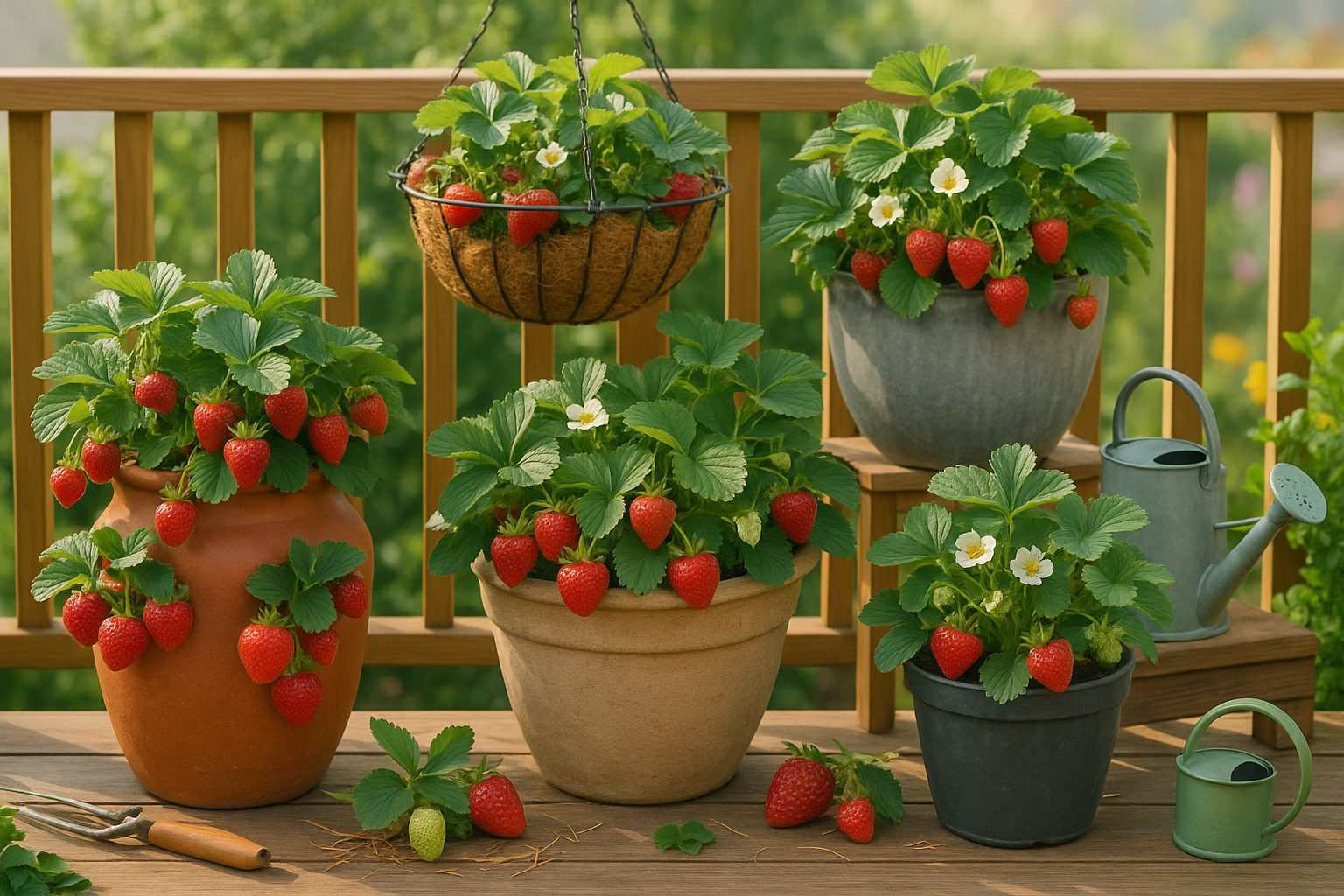
If you’re eager to enjoy fresh, sun-ripened berries right from your patio or balcony, finding the best strawberries for containers is the key to a rewarding, space-saving venture. Container gardening offers great benefits—it’s perfect for anyone with limited outdoor space, makes picking berries a breeze, and lets you control soil quality for healthier plants and bigger harvests. Even in a small city apartment, you can pick plump, sweet strawberries just steps from your kitchen by growing them in pots, hanging baskets, or window boxes.
But not all strawberry plants are equal when it comes to thriving in containers. It’s important to know your options:
- June-bearing strawberries produce one big crop per year, ideal if you want a large, single harvest.
- Everbearing varieties give you several flushes of fruit throughout the season, offering ongoing treats.
- Day-neutral strawberries work especially well in variable climates, producing consistently from spring through fall regardless of day length.
By picking the right type for your lifestyle and space, you’ll maximize your success.
Before you get started, remember that choosing the right container is just as important as picking the right strawberry. Look for pots that are at least 12–18 inches wide and deep to give roots room to spread and ensure proper drainage. In this guide, we’ll explore the best strawberries for containers, break down which varieties outshine the rest, and provide practical tips so you can set up a bountiful mini berry patch, no matter how little ground you have to spare.
Choosing the Right Container and Potting Mix
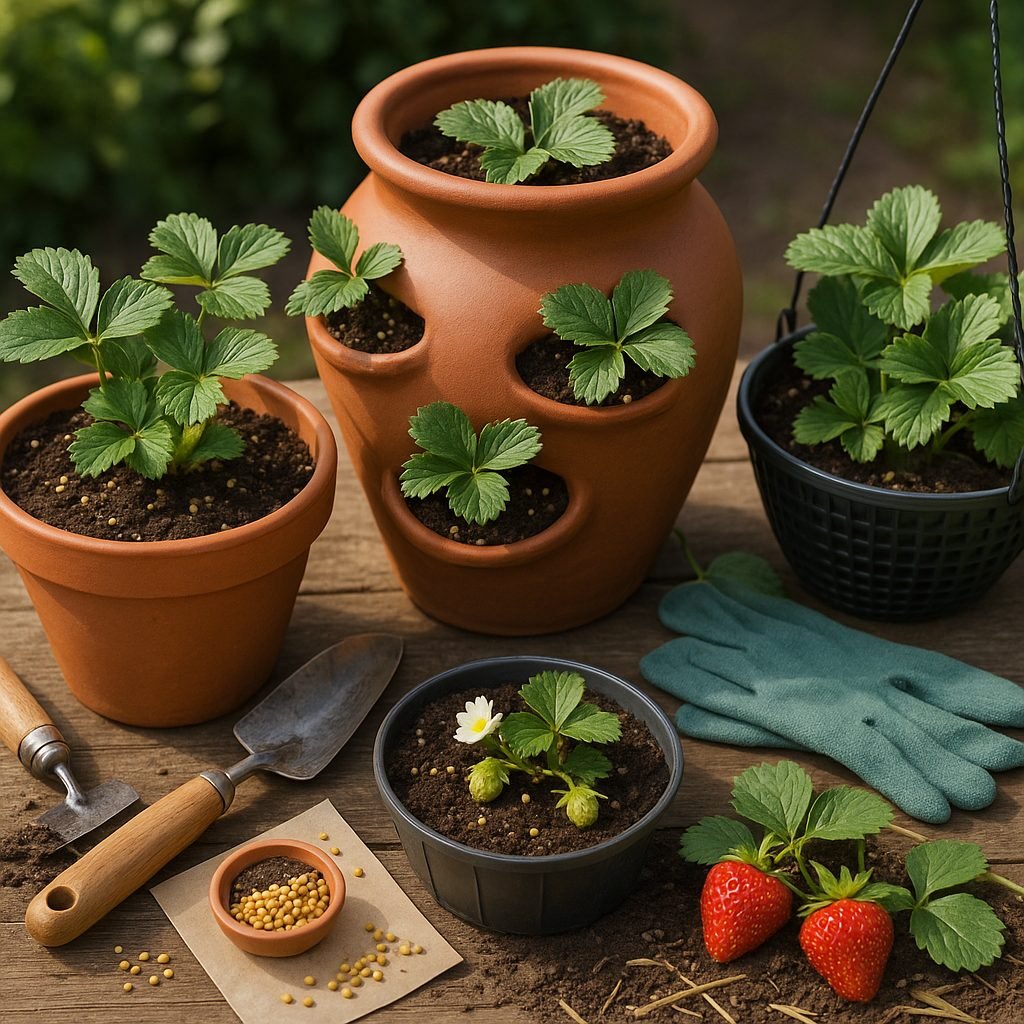
When growing strawberries in containers, the right setup can make all the difference. Standard pots work well, but strawberry jars—with their pockets along the sides—maximize your growing space and let fruit cascade attractively. Hanging baskets are another great choice, especially if you’re short on ground space or want strawberries within easy reach.
For traditional pots or strawberry jars, aim for at least 12 to 18 inches in diameter so roots have room to spread. No matter which container you choose, drainage is crucial—look for containers with plenty of holes to allow excess water to escape, preventing root rot.
Materials like ceramic, clay, or plastic all work, but plastic is lightweight and easier to move, while ceramic adds a stylish touch but can be heavy when filled. Remember, you may need to shift pots around to catch more sun or move them indoors during a cold snap, so consider portability when selecting your container.
Once you’ve picked your container, fill it with a high-quality, well-draining potting mix—regular garden soil is too dense and can suffocate roots. Look for potting blends that incorporate peat moss or coconut coir and perlite to ensure both moisture retention and aeration.
For an extra boost, mix in slow-release, balanced fertilizer and a handful of compost or worm castings to feed your plants throughout the growing season. These steps will give your strawberries a healthy, productive start, setting you up for a thriving harvest whether you’re gardening on a balcony, patio, or sunny windowsill.
Picking the Best Strawberry Varieties for Containers
When choosing strawberry varieties for containers, it’s essential to understand how June-bearing, everbearing, and day-neutral strawberries differ in growth and harvest timing.
June-bearing varieties, like ‘Chandler’ and ‘Allstar,’ produce one large, flavorful crop in late spring to early summer. They’re perfect if you want a big harvest all at once. However, their sprawling growth requires more space, so opt for compact types when potting.
Everbearing strawberries, such as ‘Ozark Beauty’ and ‘Quinault,’ offer two main harvests—one in early summer and another in late summer—with a few fruits in between. They’re reliable and great for consistent snacking.
Day-neutral varieties, like ‘Albion’ and ‘Seascape,’ are ideal for small spaces. They produce berries throughout the season, even during heat, and their smaller size makes them perfect for containers.
For containers, look for varieties labeled “compact” or “patio” for easier management, such as ‘Temptation’ or ‘Tristan.’
As a beginner, buy healthy, disease-free bare-root plants or starts from local garden centers or reputable online nurseries in early spring.
Choose a pot at least 12 inches wide and deep. Fill it with high-quality potting mix (not garden soil) and place it in a spot with at least six hours of sun daily.
When planting, position the crowns just above the soil level to prevent rot, and water regularly without letting the mix dry out.
Feed monthly with a balanced liquid fertilizer for steady growth and better fruiting. Consider adding straw or mulch on top to keep berries clean and help retain moisture.
How to Plant Strawberries in Containers
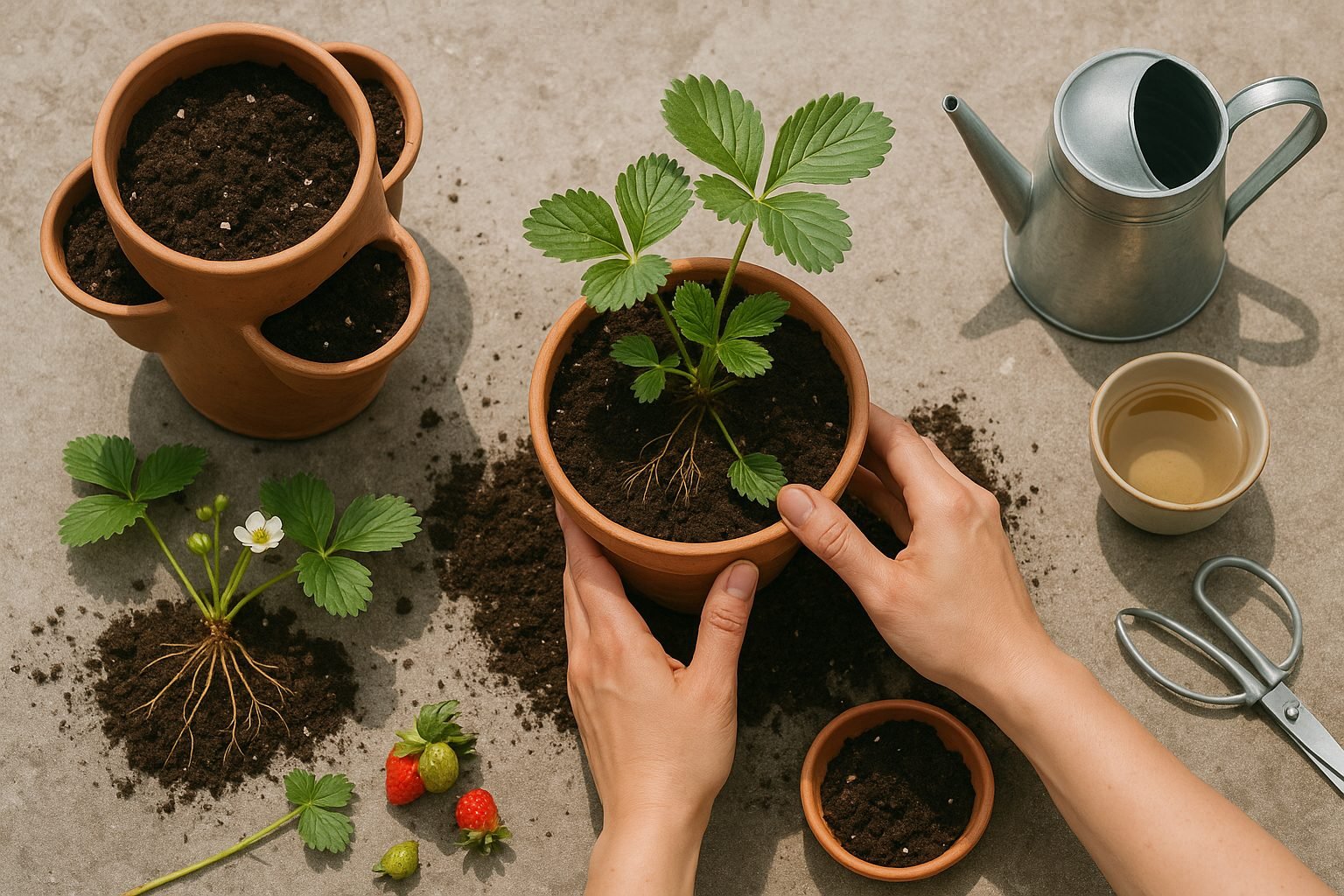
Planting strawberries in containers is a rewarding way to grow fresh fruit, even in small spaces like balconies or patios. Start by choosing a container with good drainage—traditional pots work, but strawberry towers or multi-pocket pots save even more space.
Fill your pot with high-quality, well-draining potting mix, leaving about two inches from the rim. For single pots, space each strawberry plant at least 8 inches apart; in towers or pocket planters, tuck one plant per opening. Position each plant so the crown (the point where leaves meet the roots) sits right at the soil level, not buried. Gently fan out the roots and fill in around them, pressing the soil lightly so there are no air pockets.
If using a multi-pocket pot or tower, plant the lowest pockets first and work your way up—adding soil gradually as you go. This helps keep everything stable and prevents soil from washing out through the openings; you can also stuff a little burlap or landscape fabric at the back of each pocket for extra support.
Water thoroughly right after planting, letting the moisture settle the soil around the roots. For the first couple of weeks, keep the soil consistently moist but not soggy, and place the container in a sunny spot (at least six hours of sun each day is best).
Watch for runners, which you can trim so the plants put more energy into producing fruit. Regularly feeding your strawberries with a diluted liquid fertilizer every two weeks will also kickstart growth. With careful setup and a little daily attention, your container-grown strawberries will thrive and offer sweet rewards throughout the season.
Essential Care Throughout the Season
To keep your container plants thriving all season long, establish a consistent watering routine. Check soil moisture daily by sticking your finger an inch deep; water thoroughly whenever it feels dry, but ensure containers drain well to prevent soggy roots. Early morning or evening watering is best, as it reduces evaporation and lets the plants absorb moisture before the day heats up.
Fertilize regularly, since nutrients wash out of pots quickly. Use a balanced liquid fertilizer every two to three weeks or a slow-release granular type at the start and midpoint of the season, adjusting for your specific crop’s needs—tomatoes and peppers, for example, benefit from additional calcium and potassium.
Sunlight is key, so place containers where they’ll receive at least six hours of direct sunlight daily. Rotate them occasionally to encourage even growth.
If you notice runners or side shoots (like on strawberries or tomatoes), pinch or prune them off to direct energy into fruit and flower production.
Keep an eye out for pests such as aphids or spider mites by inspecting leaves regularly. Manage them early with insecticidal soap or a gentle spray from your hose. Watch for fungal diseases by ensuring good air circulation and avoiding letting leaves stay wet for long periods.
For taller or vining plants, use simple training techniques: tie stems loosely to bamboo stakes or trellises as they grow, or use soft plant ties for extra support. This prevents breakage and keeps your container garden looking tidy while maximizing yield.
These easy steps will help your potted plants stay healthy, productive, and beautiful from spring through fall.
Harvesting and End-of-Season Maintenance
Knowing when and how to harvest your strawberries is key to maximizing your container garden’s bounty. Look for berries that are fully red, firm, and glossy—ripe strawberries won’t have green or white patches and should come away from the stem with a gentle tug. To avoid damaging the plant, pinch the stem about half an inch above the berry rather than pulling directly on the fruit.
In containers, expect slightly lower yields than in-ground beds, but you can boost your harvest by picking berries daily (which encourages more fruiting), keeping plants well-watered, and regularly removing any damaged or diseased leaves. Weekly feeding with a balanced liquid fertilizer during fruiting season also helps promote bigger and healthier berries.
As the season winds down, remove any leftover fruit and trim dead foliage to prevent disease. In cold climates, overwinter your potted strawberries by moving containers into an unheated garage, shed, or cold frame to protect them from freezing temperatures. Alternatively, surround pots with straw or bubble wrap for insulation and keep the soil slightly moist.
In spring, refresh the potting mix and split off any crowded runners to encourage robust new growth. With these simple steps, your container strawberries will be set up for a productive and healthy season, year after year.
Troubleshooting Common Problems in Container Strawberry Growing
Growing strawberries in containers can be immensely rewarding, but it’s not without its challenges. One common issue is wilting, often caused by inconsistent watering or poor drainage. Make sure your pots have drainage holes, and water regularly when the top inch of soil feels dry.
Yellowing leaves or stunted growth can signal fungal diseases like powdery mildew. To combat this, improve airflow by spacing plants apart and trim off affected leaves promptly.
Pests, especially slugs, spider mites, or aphids, can become unwelcome visitors. Check under the leaves regularly and use natural remedies like insecticidal soap or introduce beneficial insects such as ladybugs.
If your strawberry plants flower but produce little to no fruit, inadequate sunlight may be to blame. Ensure your container gets at least six hours of direct sun each day, and consider hand-pollinating flowers using a soft brush to improve fruit set.
Sometimes, ongoing plant issues persist despite proper care. Roots growing out of drainage holes, depleted soil, or declining harvests are signs it’s time to repot your strawberries with fresh soil or even start with new disease-free plants.
Regular observation and prompt action can keep your container strawberries healthy, productive, and a sweet highlight of your patio or balcony.