Introduction
Did you know that strawberries are grown on every continent except Antarctica, making them one of the most widely loved fruits in the world? With their juicy sweetness and vibrant color, strawberries have found their way into countless gardens and kitchens. But when planning your own strawberry patch, you might wonder: are strawberries perennial, or do they need to be replanted every year like annuals? Knowing the answer can save you time, money, and plenty of gardening headaches.
Understanding if strawberries return year after year or if they must be seeded or transplanted anew is crucial for anyone hoping to harvest these delicious berries season after season. Whether you’re a beginner gardener or a seasoned fruit enthusiast, getting this right means you can plan your growing space, maintenance, and harvest schedules more effectively for a fruitful and rewarding experience. Let’s dig into what makes strawberries unique and how their life cycle can impact your garden’s success.
Strawberry Plant Basics: Lifecycles Explained
Understanding the difference between annual and perennial plants is key to knowing how strawberries grow. An annual plant completes its entire life—from planting to flowering and producing seeds—in just one year. Once its growing season ends, an annual dies and must be replanted the following year. Marigolds and lettuce are classic examples of annuals you might find in a garden.
Perennial plants, on the other hand, have a much longer lifespan. These hardy plants go through cycles of growth and dormancy but return year after year without needing to be replanted. Popular perennials include roses and asparagus.
So, are strawberries perennial? Botanically, strawberries are indeed perennial plants. This means that with the right care, a single strawberry plant can produce fruit for several growing seasons in a row. Typically, the strawberry plant grows in spring and summer, flowers, and sets fruit. As the weather cools, it enters a dormant phase during fall and winter. Some varieties send out runners—long stems that root and form new plants nearby—helping the patch expand over time.
However, just because strawberries are perennials doesn’t mean their behavior is always straightforward in home gardens or on farms. Gardeners often treat them differently based on climate, plant health, and desired yields. In the next section, we’ll dive deeper into how strawberries behave under real-world growing conditions and why their perennial nature matters for your harvests.
Are Strawberries Naturally Perennials?
Many gardeners wondering, “are strawberries perennial?” will be happy to learn that, biologically, the answer is yes—strawberries are herbaceous perennials. Unlike annual plants, which complete their entire life cycle in a single season, strawberries can live, grow, and produce fruit over multiple years when given the right conditions. Perennial plants like strawberries have underground structures, such as crowns and roots, that survive through winter and regenerate new growth each spring.
Each strawberry plant typically begins by sending up leaves and roots early in the growing season. As the days get longer and warmer, the plant produces flowers, which are soon followed by the familiar red berries. Once fruiting is complete, the plant shifts its energy to producing runners—horizontal stems that create new plantlets, helping to spread the patch and ensure a steady supply of berries year after year.
After the productive summer months, strawberry plants enter a period of dormancy as temperatures cool in fall. During this phase, growth slows dramatically and above-ground leaves may wither, but the crown and roots remain alive beneath the soil. In regions with mild winters, a straw mulch can help protect the crowns from extreme cold and drying winds—a simple tip for perennial success in home gardens. When spring returns, the plant “wakes up,” drawing from its reserves to push out new leaves, flowers, and fruit.
With ideal care—regular watering, rich soil, and occasional replanting of fresh crowns—strawberries can reliably produce for three to five years, though their highest fruit yields usually come in the first couple of seasons. In fact, many commercial growers rotate or replace their strawberry plants every three years to maximize harvests. However, dedicated home gardeners often coax delicious berries from patches that have thrived much longer. By understanding their natural perennial habit, gardeners can help strawberries reach their multi-year potential, bringing sweet rewards season after season.
Why Are Strawberries Sometimes Grown as Annuals?
Even though the answer to “are strawberries perennial?” is yes, many commercial growers and some home gardeners treat strawberries as annuals. The main reason is yield optimization: in well-managed fields, the biggest and best-tasting berries usually come in the first year after planting. As strawberry plants age, they become more susceptible to diseases, crowd their space with runners, and often produce smaller or fewer fruits.
Growing strawberries as annuals means replacing the plants each season to maximize healthy, robust harvests and reduce the buildup of soil-borne pests and pathogens that can damage perennial beds over time. For large-scale operations, this annual approach also simplifies crop rotation and field management. After the season, fields can be cleared and replanted with a fresh crop or rotated with other plants to restore soil health and break pest cycles.
In contrast, home gardeners sometimes use the annual method if they’ve faced disease outbreaks or want to simplify care. However, many still grow strawberries perennially to save money and avoid the effort of replanting yearly. Regional and climate factors play a role too: warmer climates with continuous growing seasons make perennial cultivation easier, while colder areas or soils heavy with pests see better results when strawberries are regrown from scratch each year.
Ultimately, whether you treat strawberries as annuals or perennials depends on your goals, garden conditions, and how much maintenance you’re willing to invest to keep your strawberry patch healthy and productive.
Types of Strawberry Plants and Their Growth Habits
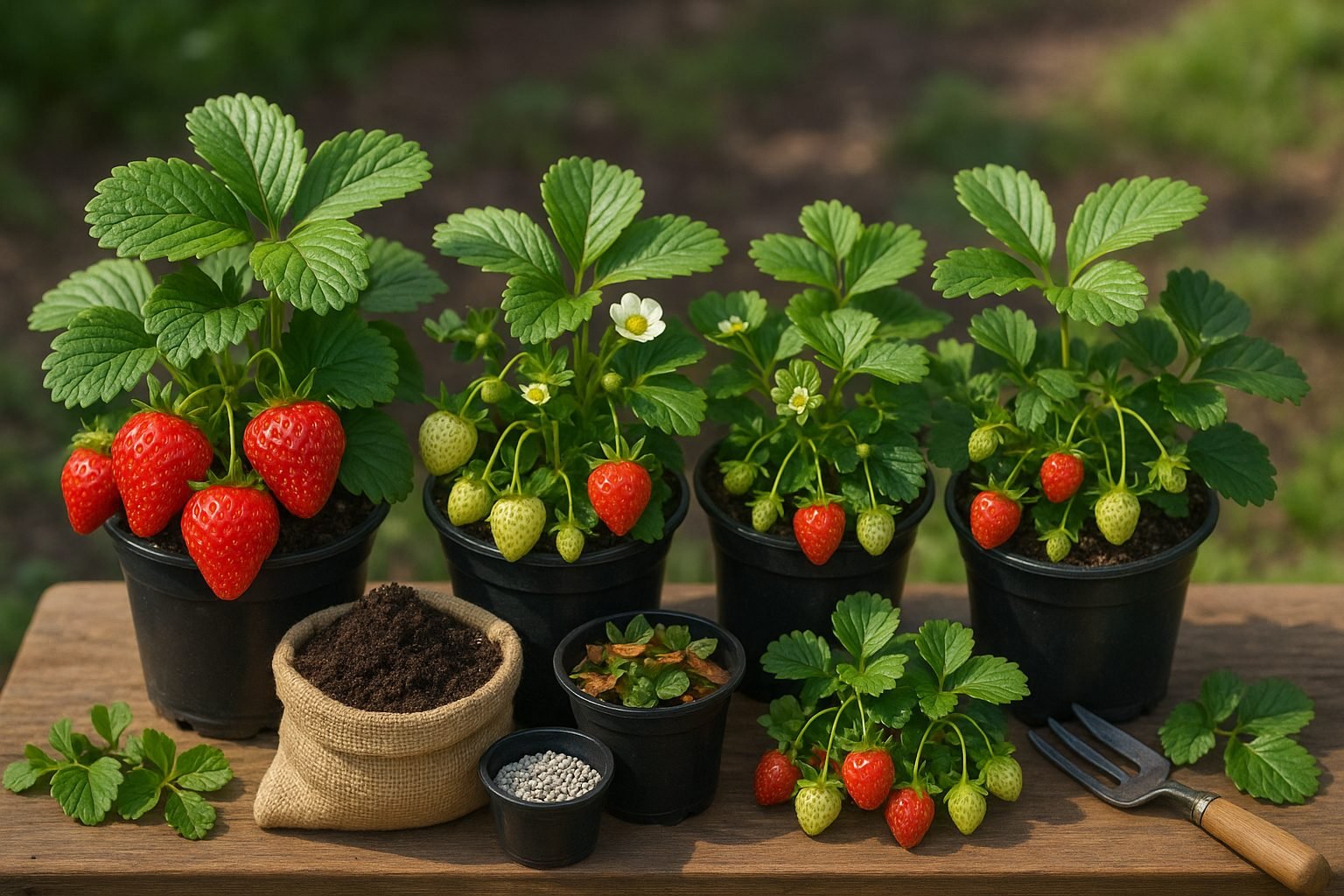
When asking “are strawberries perennial?” it’s important to consider the different types of strawberry plants and their unique growth habits. The three main categories you’ll encounter are June-bearing, everbearing, and day-neutral strawberries, each offering its own cycle of fruiting and longevity. June-bearing strawberries produce one large crop each year, typically in late spring or early summer, making them a favorite for gardeners who want a big harvest all at once. Everbearing types offer two to three harvests—one in early summer and another from late summer to early fall—providing a more spread-out yield. Day-neutral strawberries are the most flexible, producing fruit throughout the growing season as long as temperatures are favorable.
All strawberry plants are naturally perennials; with proper care, their roots survive winter and sprout anew each year. However, how long you keep them in the ground depends on the variety and your goals. June-bearing plants tend to be the most vigorous and can remain productive for several years if well-maintained. In contrast, day-neutral and everbearing types may start to decline in yield after two or three years. Many commercial growers treat strawberries as annuals, replanting each season to ensure maximum productivity. For home gardeners, a patch can be renewed by removing old, unproductive plants and encouraging new runners to take root—especially important with June-bearers, which send out many runners. By understanding the habits of each type, you can decide whether to treat strawberries as true perennials in your garden or refresh them frequently for optimal harvests.
Best Practices for Growing Strawberries as Perennials
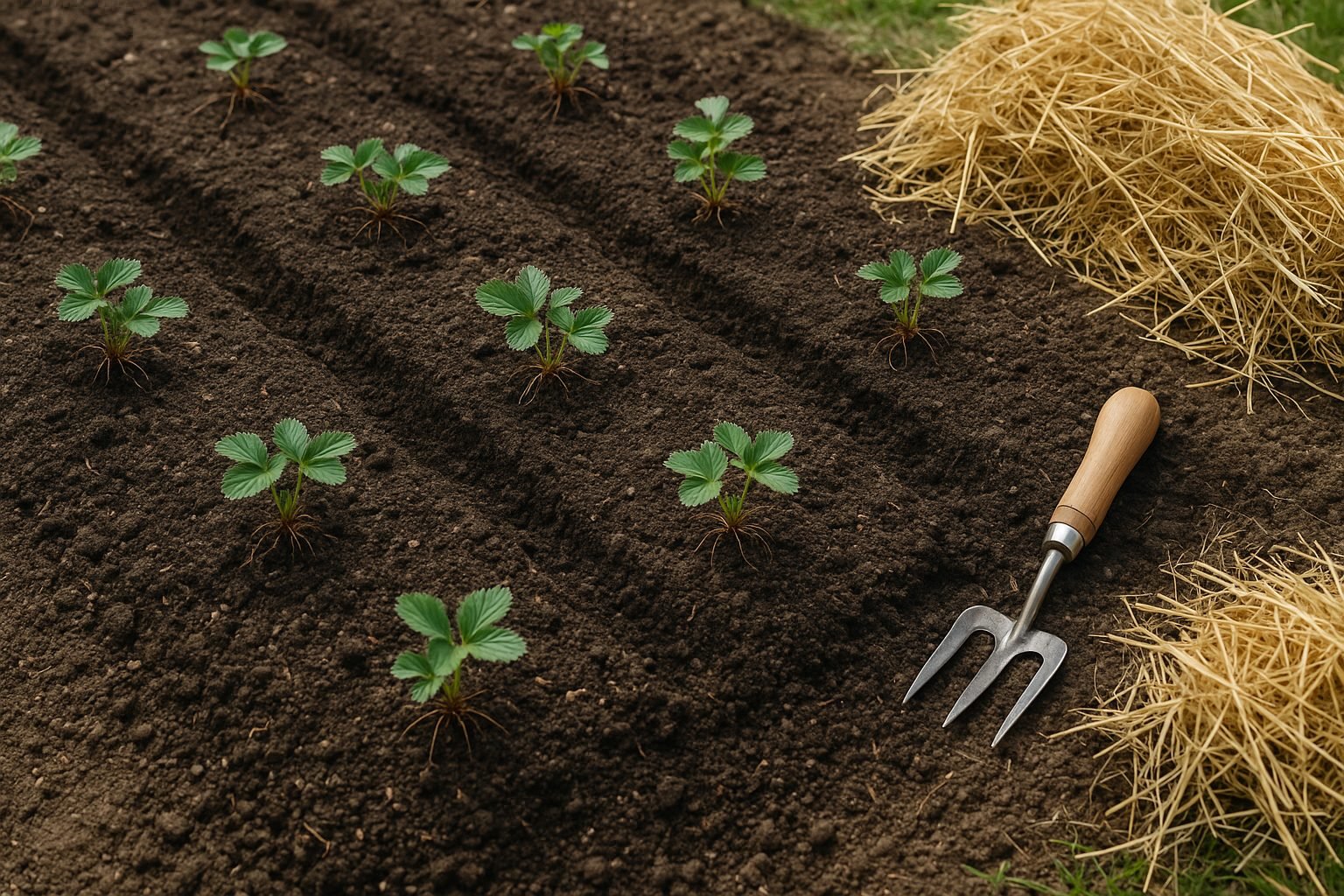
Growing strawberries as perennials is rewarding but requires some thoughtful care to maximize your harvest year after year. Start with well-drained, slightly acidic soil rich in organic matter—this provides your strawberries with the best foundation and helps prevent root diseases. Amend your planting bed with plenty of compost, and consider adding a balanced, slow-release fertilizer at the start of each growing season to keep plants nourished.
Mulching is a real game-changer: applying a generous layer of straw or pine needles helps suppress weeds, retain moisture, and insulate roots through summer heat and icy winters. As fall approaches, mulch more heavily (up to 4 inches thick) to protect crowns from freeze-thaw cycles, but be sure to remove excess mulch in early spring so growth isn’t delayed.
After each harvest, give your beds a “renovation.” Mow or trim back the leaves—taking care to avoid the crowns—to reduce disease buildup. Thin your rows by removing older plants, keeping only the healthiest, youngest ones spaced 12–18 inches apart. This encourages vigorous new growth and higher future yields.
Runners—those long, spindly stems strawberry plants send out—are both a blessing and a challenge in perennial beds. Too many runners can overcrowd your patch and weaken fruit production. Regularly trim or redirect runners, allowing just a few to root in desired spots to replace older, declining plants. This hands-on approach keeps your strawberry patch self-renewing without getting out of control.
Finally, monitor irrigation carefully, especially during dry spells. While perennials develop deep roots, they still need consistent moisture. If possible, rotate your beds every 3–4 years to minimize pest and disease problems. Follow these practices, and your strawberries will thrive as perennials, delivering sweet, abundant harvests season after season.
Final Thoughts: Choosing the Right Approach
Deciding whether to grow strawberries as perennials or to replant them as annuals depends largely on your gardening goals, climate, and available time. Growing strawberries as perennials generally yields bigger harvests after the first year, with established plants producing juicy berries season after season. This approach reduces the yearly planting chores but may come with challenges like pest and disease buildup or declining yields if beds aren’t properly managed and renewed every few years.
On the other hand, annual cultivation means starting fresh each year—helping to avoid diseases, enjoy vigorous new plants, and try out new cultivars. However, this requires more effort and a higher upfront cost for plants. In colder regions with harsh winters, annual planting can be safer, while in milder areas, strawberries grown as perennials can truly shine.
Consider your climate, soil quality, and how much time you can dedicate to maintenance. If you want high yields with moderate effort and are willing to renovate beds periodically, growing strawberries as perennials is worth trying. For busy gardeners or those dealing with disease-prone soils, annuals might be easier.
Ultimately, don’t hesitate to experiment—try both methods to see which works best in your unique garden conditions.