Introduction
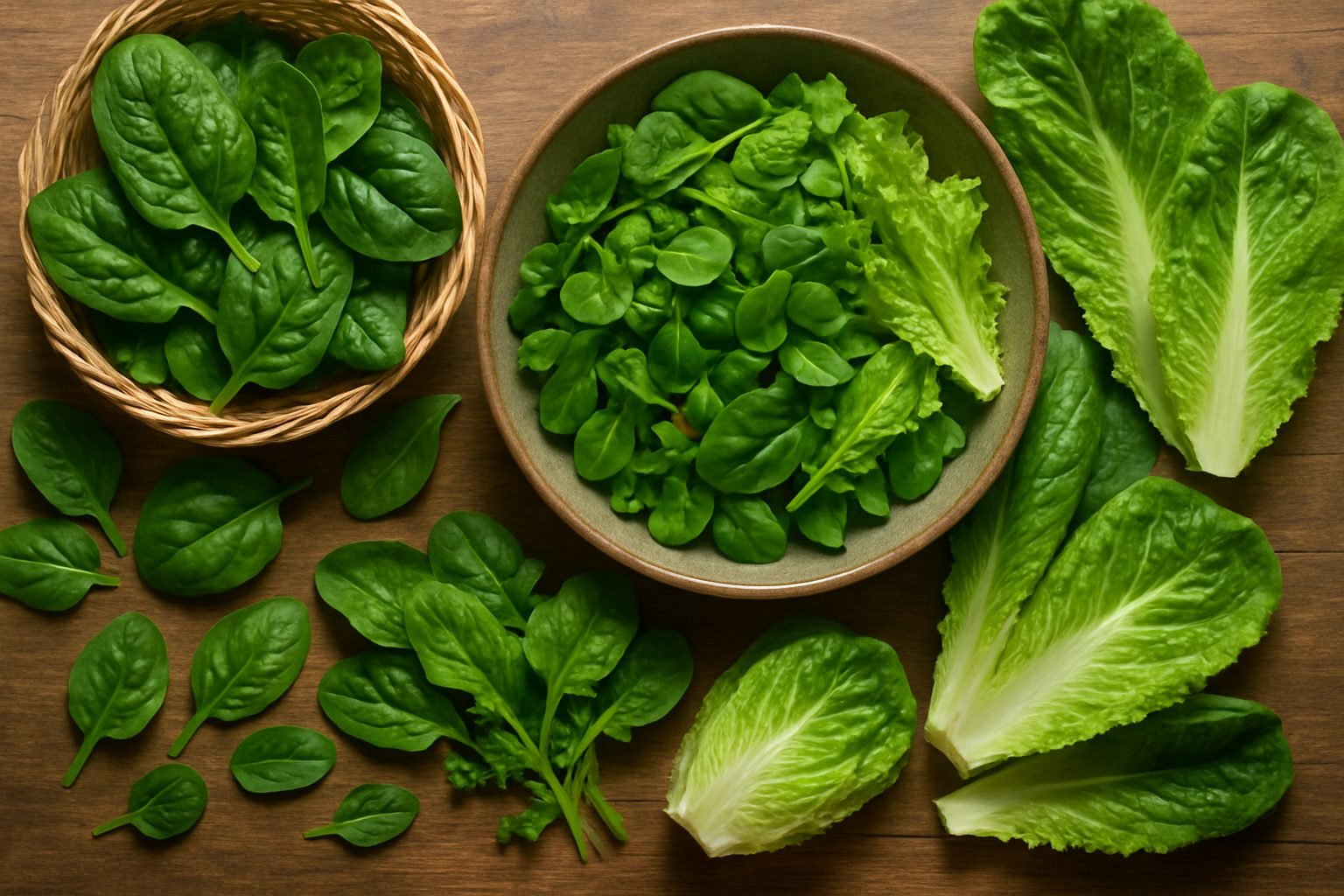
spinach vs. lettuce is a debate that often comes up when choosing the best leafy green for your kitchen. Both are staples in salads, sandwiches, and countless cooked dishes, celebrated for their fresh flavor and versatility. Whether you’re tossing together a quick salad for lunch or layering greens into a hearty wrap, chances are you’re reaching for spinach or lettuce. But beyond these everyday uses, how do these greens actually stack up against each other?
If you’re focused on eating healthier, maximizing nutrients, or even thinking about growing your own greens at home, knowing the differences can help you make smarter choices at the grocery store or in your garden. In this article, we’ll break down the nutritional profiles, health benefits, and unique advantages of spinach and lettuce. You’ll find easy tips for selecting the right leafy green to suit your taste and lifestyle, and learn the basics of cultivating both for your own fresh supply.
Whether you’re a salad enthusiast, a meal-prep pro, or simply curious about what goes into your favorite greens, this comparison will help you pick the best option for your next meal.
Nutritional Comparison: Spinach vs Lettuce
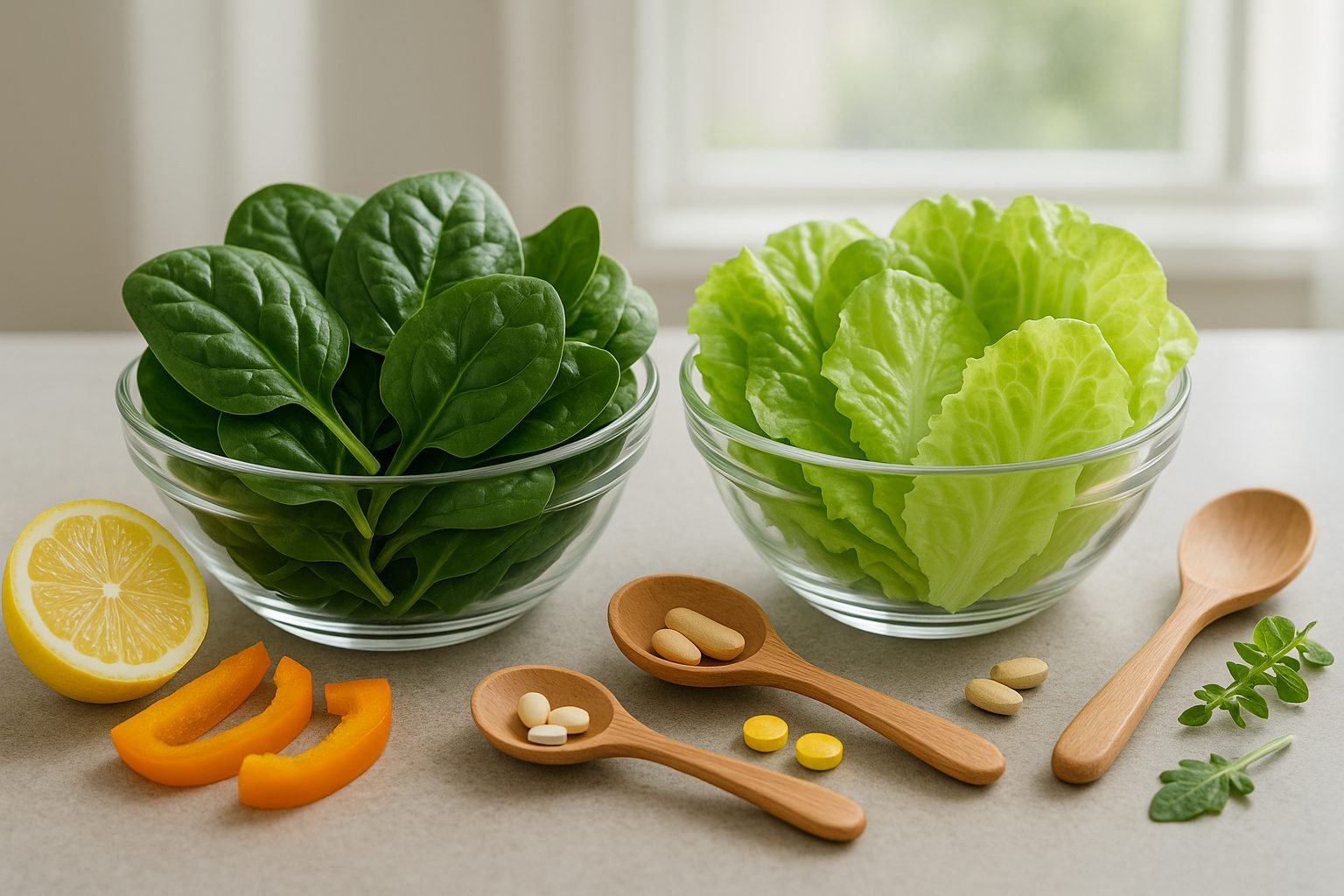
When choosing between spinach and lettuce, understanding their nutritional profiles can help you make the healthiest choice for your salads and sandwiches. Spinach stands out as a nutrient powerhouse, offering nearly twice as much fiber as most lettuce varieties—about 2 grams per cup compared to lettuce’s less than 1 gram.
Calorie-wise, both are low, but spinach has around 7 calories per cup, while iceberg and romaine lettuce have just 5 and 8 calories, respectively. The vitamin content is where spinach really shines: it’s an excellent source of vitamin K (almost 180 micrograms per cup, over 100% of your daily value), vitamin C (about 8.4 mg per cup), and folate (58 micrograms per cup).
In contrast, romaine offers notable vitamin K (48 micrograms per cup), some vitamin C (under 4 mg), and lower folate (64 micrograms), but iceberg lags behind in all three nutrients.
When looking at minerals, spinach trumps lettuce with more iron (0.8 mg per cup vs. romaine’s 0.3 mg and iceberg’s 0.2 mg) and calcium (30 mg per cup, double what most lettuce provides). Romaine does offer a bit more vitamin A than spinach, while iceberg, known for its crisp texture, has the least nutrition overall.
So, if you want the most vitamins, minerals, and fiber in your greens, reach for spinach. For a compromise between crunch and nutrients, choose romaine. For even more benefits, try blending spinach into a romaine-based salad—you’ll get the best of both flavor and nutrition.
Key Health Benefits of Spinach
Spinach is a powerhouse green, packed with essential nutrients that can make a noticeable difference in your everyday health. It’s famously rich in iron, though it’s worth noting that the plant-based iron in spinach (non-heme iron) isn’t absorbed as efficiently as the iron from animal sources. Eating spinach alongside vitamin C-rich foods like citrus fruits or bell peppers is a smart way to boost iron absorption.
Folate is another standout nutrient in spinach, crucial during pregnancy for supporting healthy fetal development and reducing the risk of neural tube defects. Spinach also contains abundant beta carotene, which the body converts into vitamin A. This nutrient plays a key role in supporting your immune system—helping you fend off common colds and other infections. The same beta carotene protects your eyes, lowering the risk of conditions like age-related macular degeneration.
Antioxidants in spinach, such as lutein and zeaxanthin, provide your cells with extra protection from damage caused by free radicals and environmental stressors. For those fighting fatigue, the combination of iron, magnesium, and folate in spinach can help maintain your energy levels throughout the day.
You can sneak spinach into smoothies, toss it into salads, or stir it into omelets for a quick nutrition boost. Just keep in mind that cooking spinach reduces its volume but helps unlock even more of its nutrients for your body to absorb.
Key Health Benefits of Lettuce
Lettuce is often seen as a simple salad base, but it’s packed with powerful health benefits that make it much more than just a low-calorie filler. One of the biggest advantages is its high water content—some varieties, like iceberg, are composed of over 95% water, making them an easy way to stay hydrated throughout the day.
This mild, crunchy green is incredibly low in calories, so you can add generous amounts to your meals without worrying about your calorie count. Beyond just hydration and calorie control, lettuce is a surprisingly rich source of vitamin K, especially in leafier types like romaine and green leaf lettuce. Vitamin K is essential for maintaining strong, healthy bones, and regularly including lettuce in your diet can help support bone density and reduce fracture risk.
The gentle fiber in lettuce also aids digestion without overwhelming sensitive stomachs, making it a smart choice for people who want to keep their gut happy.
Varieties and Their Unique Benefits
Different varieties offer unique benefits—romaine packs more vitamin K and A, while iceberg delivers extra crispness and hydration. For the best balance, try mixing types in your salads or wraps, pairing romaine’s deep green leaves for nutrients with iceberg’s refreshing crunch.
Whether you’re looking to boost hydration, support bone health, or keep your digestion easy and light, lettuce offers a simple, versatile solution fit for any meal.
Which is Healthier? Situational and Dietary Considerations
Choosing between spinach and lettuce largely depends on your specific dietary needs and health goals. If you’re looking to boost your iron intake—essential for individuals with anemia or those at risk—spinach is a winner. It provides significantly more iron and folate compared to lettuce, making it an especially good option for pregnant women or anyone with increased nutritional needs.
Spinach also delivers higher amounts of vitamins A, C, and K, along with magnesium and antioxidants, supporting everything from bone health to immunity. However, spinach contains high levels of oxalates, which can contribute to kidney stone formation in susceptible individuals. If you have a history of kidney stones, it’s wise to enjoy spinach in moderation and discuss your intake with a healthcare provider.
On the other hand, lettuce—particularly romaine and leaf varieties—has a milder flavor and is very low in calories, making it a staple for light, hydrating salads and weight-loss plans. However, its fiber and protein content are comparatively lower than spinach.
Because both greens offer their own benefits and limitations, aiming for a mix of spinach, lettuce, and other leafy vegetables in your meals is the best way to cover your nutritional bases while keeping your diet healthy and interesting.
Delicious Ways to Use Spinach and Lettuce

Spinach and lettuce are kitchen staples that can do so much more than just fill a salad bowl. Try tossing a handful of baby spinach into your morning smoothie for a mild-tasting nutrient boost, or layer crisp lettuce leaves into sandwiches and wraps for extra crunch and freshness.
Both can be swapped in most recipes:
- Use spinach instead of lettuce in a wrap if you want a slightly earthy flavor and softer bite.
- Try romaine in a stir-fry at the very end for a subtle crunch.
Spinach’s tender leaves wilt easily, making it a great addition to hot dishes like stir-fries, omelets, or even pasta. Lettuce, especially firm varieties like iceberg or romaine, holds up well as a low-carb alternative to tortillas or burger buns—just wrap your favorite fillings inside.
The main difference? Spinach has a delicate earthy taste and richer color, while lettuce is lighter, crisper, and more refreshing.
For best results:
- Pair spinach with bold flavors like feta, balsamic dressing, or garlic.
- Use lettuce to complement lighter, milder toppings such as grilled chicken, tomato, and cucumber.
Don’t hesitate to mix and match—combining both in salads makes for interesting textures and flavors!
Conclusion: Choosing What’s Right for You
Both spinach and kale offer unique health benefits, from vitamins and minerals to antioxidants and fiber, making them smart additions to any meal. Instead of choosing just one, try mixing up your greens to enjoy a broader range of nutrients and flavors.
Experiment by tossing spinach into smoothies or salads, and adding kale to soups or sautés. By rotating different greens in your diet, you’ll keep your meals interesting while supporting your health.
Don’t be afraid to taste-test new leafy options—your palate and your body will thank you.